Kakavaberd: An Armenian Fortress Above the Azat River Gorge
Site at a Glance
- Popularity
- Medium
- Country
- Armenia
- Primary era
- Classical
- Eras represented
- Classical
- Civilizations
- Unclassified
- Site type
- Military
- Remains
- Fort
On this page5 sections
History
Kakavaberd is a fortress in Armenia, on a ridge above the Azat River gorge. It may date to the fourth century. Its earliest known written reference comes from the ninth or tenth century, when the Armenian historian Hovhannes Draskhanakerttsi described it as under the control of the Bagratuni, an Armenian noble house.
Medieval history and literary memory
In 924, after a defeat at Sevan, the commander Beshir attacked Kakavaberd but was defeated by the Armenian military leader Gevorg Marzpetuni. James Issaverdens’s 1874 account says Beshir escaped after his horse’s legs were broken, while Marzpetuni’s followers were too depleted to continue the fight. Fearing further attacks, people from Kegh and other fortresses fled, after which Beshir took possession of the abandoned strongholds.
In the eleventh century Kakavaberd passed to the Pahlavuni family, another Armenian noble house. The Proshyan family held it in the twelfth or thirteenth century, and a nearby town took its name from them. In 1224, after a defeat near Garni, Ivane Mkhargrdzeli sought refuge at the fortress. This is Kakavaberd’s last recorded historical mention.
The Armenian novelist Muratsan later featured the fortress in Gevorg Marzpetuni (1896), a historical novel set in tenth-century Armenia.
Remains
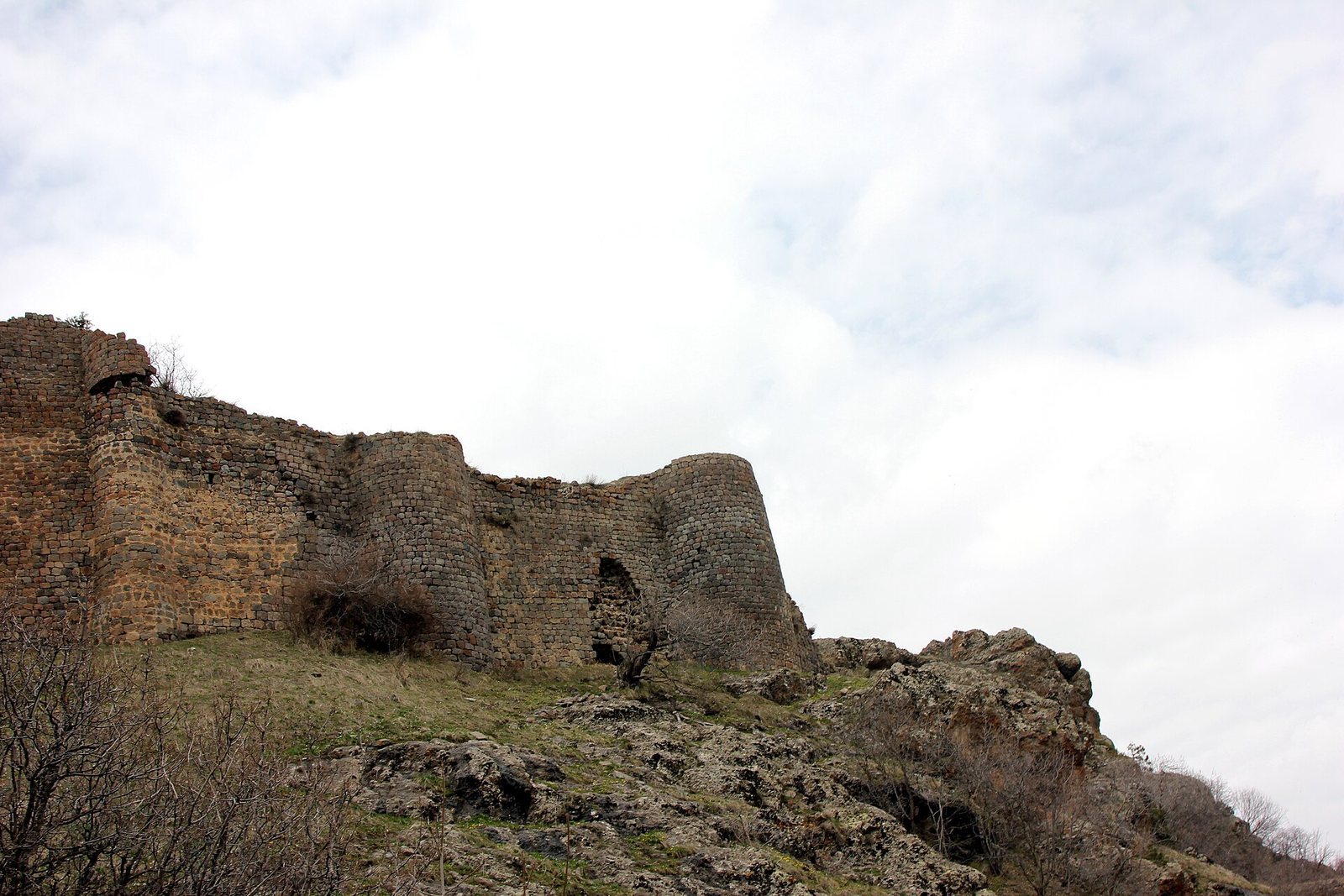
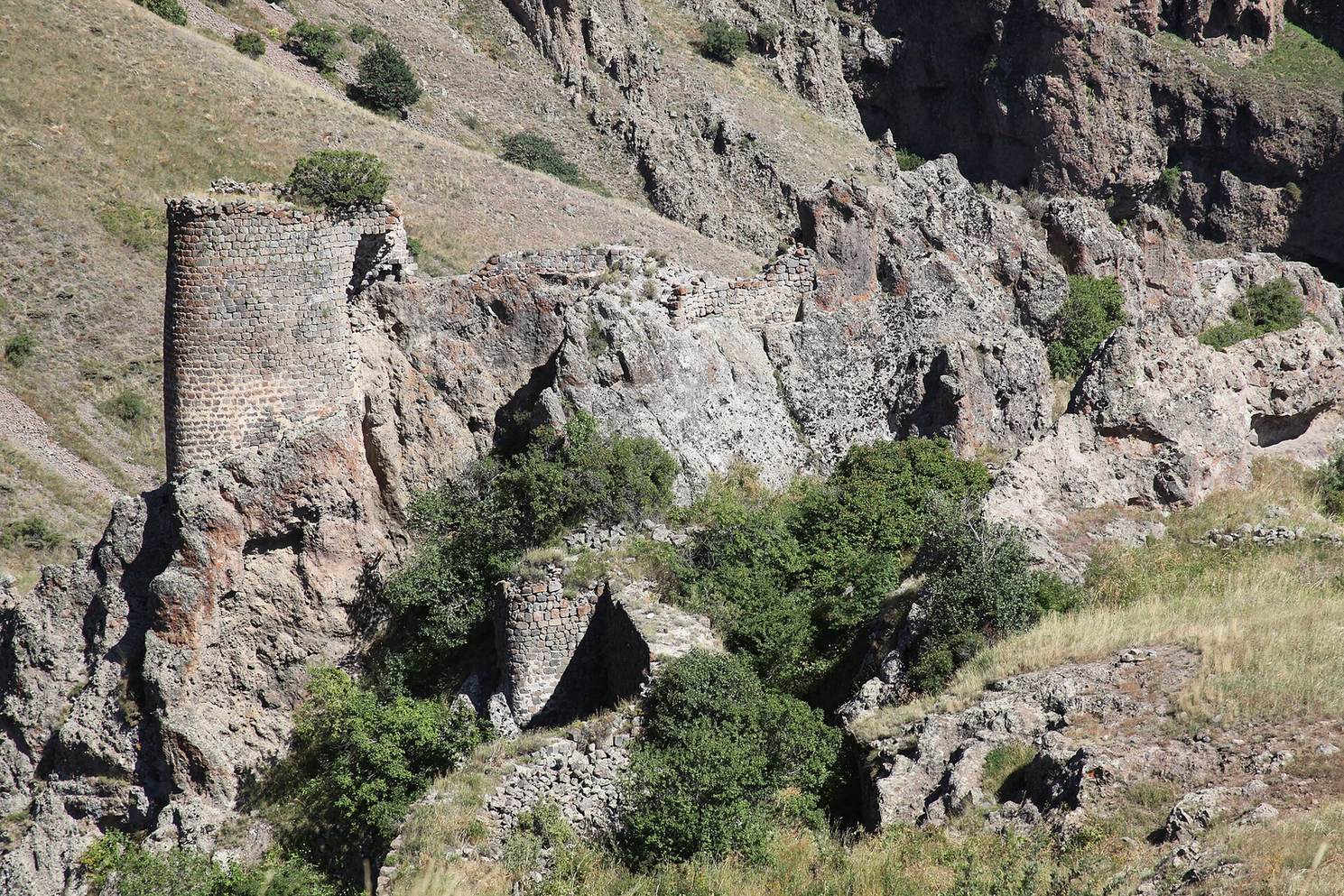
Kakavaberd occupies a ridge at 1,516 metres above sea level, within Khosrov Forest State Reserve. Steep ground makes the fortress inaccessible from three sides, while its fortified walls follow the crest of the ridge.
Walls and towers
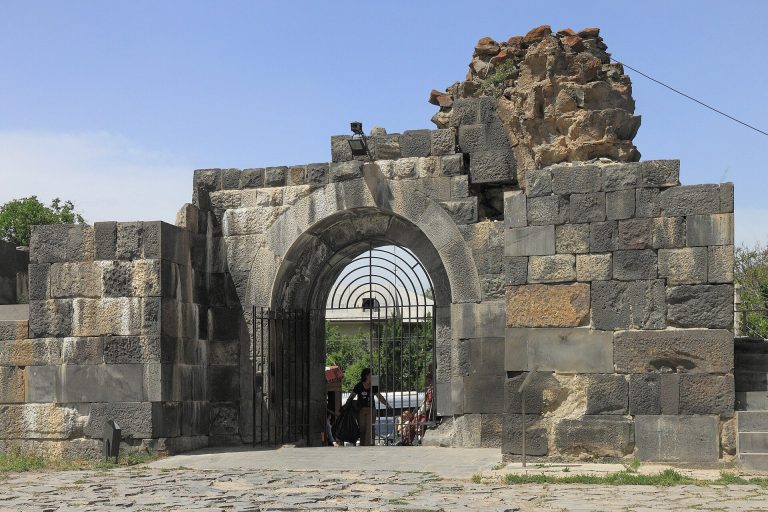
Large stretches of the fortification walls remain well preserved. On the northeastern side, the towers rise 8 to 10 metres, and the adjoining walls are 2 to 2.5 metres thick.
Structures within the fortress
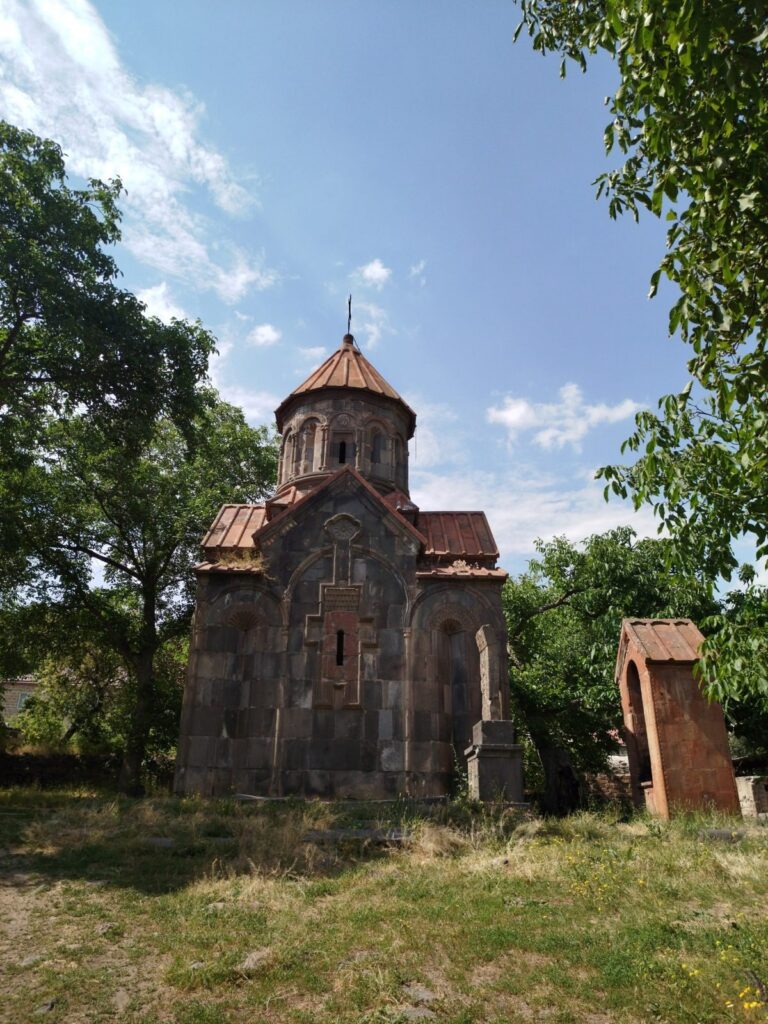
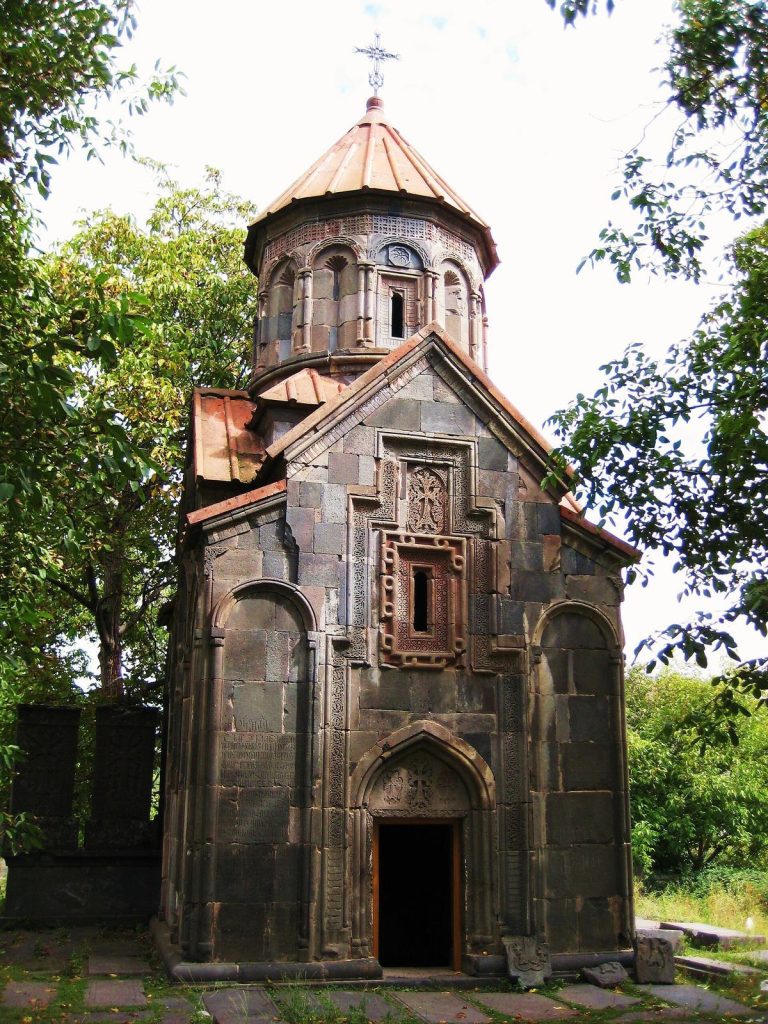
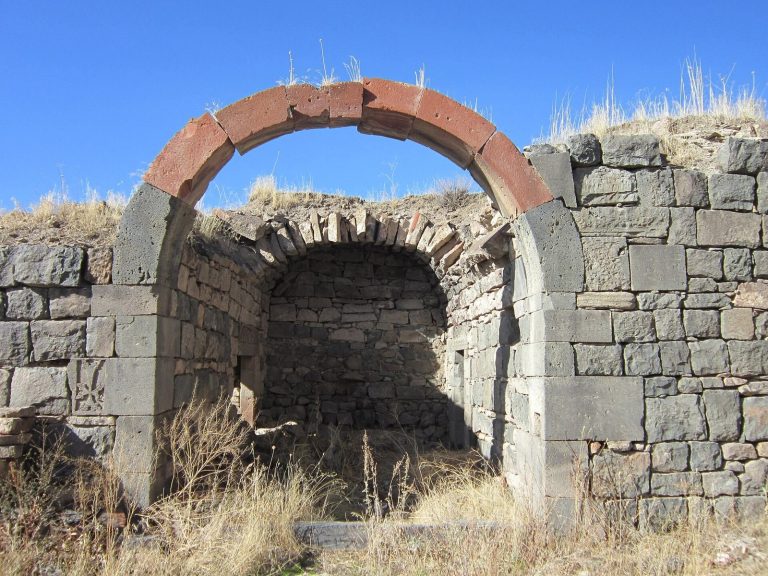
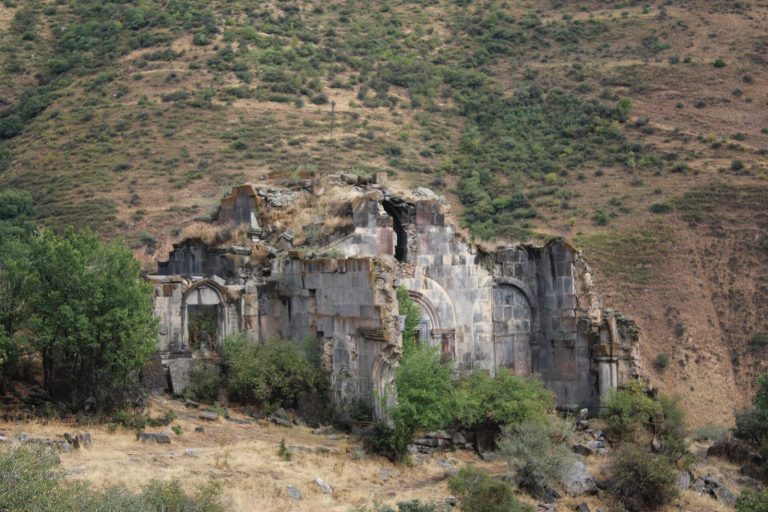
Ruins of a church and other structures lie inside the fortifications. Inscriptions appear on rocks at the site.