Palau Falguera: A Seventeenth-Century Palace and Garden Estate
Site at a Glance
- Popularity
- Medium
- Country
- Spain
- Primary era
- Early Modern
- Eras represented
- Early Modern
- Civilizations
- Crown of Aragon, Habsburg, Habsburg Spain, Spanish
- Site type
- Domestic
- Remains
- Elite Residence
On this page8 sections
History
Seventeenth and early eighteenth centuries
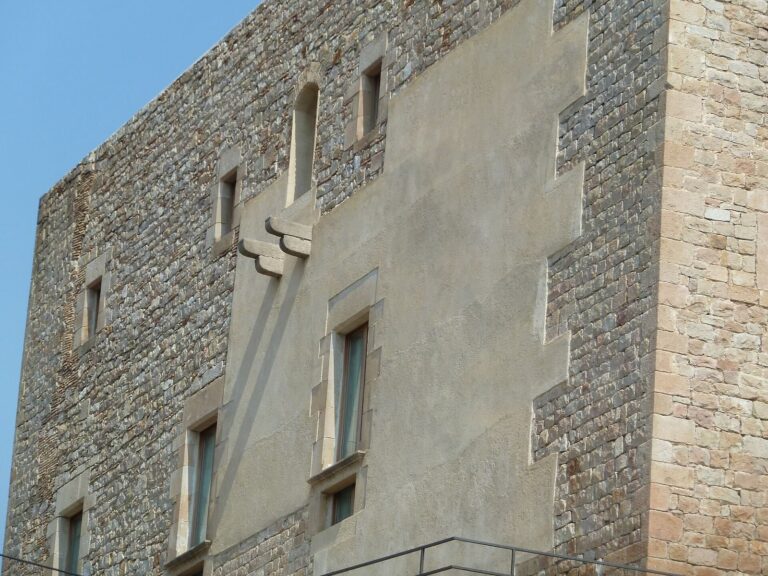
Palau Falguera is a palace in Spain, built in the seventeenth century by Jaume Falguera. Its architectural style is described as Novecentismo, an early-twentieth-century movement associated with order and classicism. The palace and its gardens began as a single estate.
Philip V, the Bourbon king of Spain from 1700 to 1746, may have stayed at the palace in the early eighteenth century.
Private ownership and municipal use
The estate remained in the Falguera family’s line of inheritance until it belonged to José Luis de Vilallonga, Marquis of Castellbell, who held it until 1988. He had inherited it from his father, a descendant of Jaume Falguera. Sant Feliu de Llobregat’s municipal council acquired the property in 1995 and renovated the palace.
The Associació Amics de les Roses de Sant Feliu de Llobregat was founded at the palace on 23 April 2003. The following May, during the 45th National Rose Exhibition, it introduced itself as an open association for people who love roses. Since 2006, the palace has hosted the National Rose Exhibition of Sant Feliu de Llobregat and also houses municipal services; the gardens serve as a public park. The palace is protected as an Asset of Cultural Interest, Spain’s designation for culturally significant property.
Remains
The estate
Palace
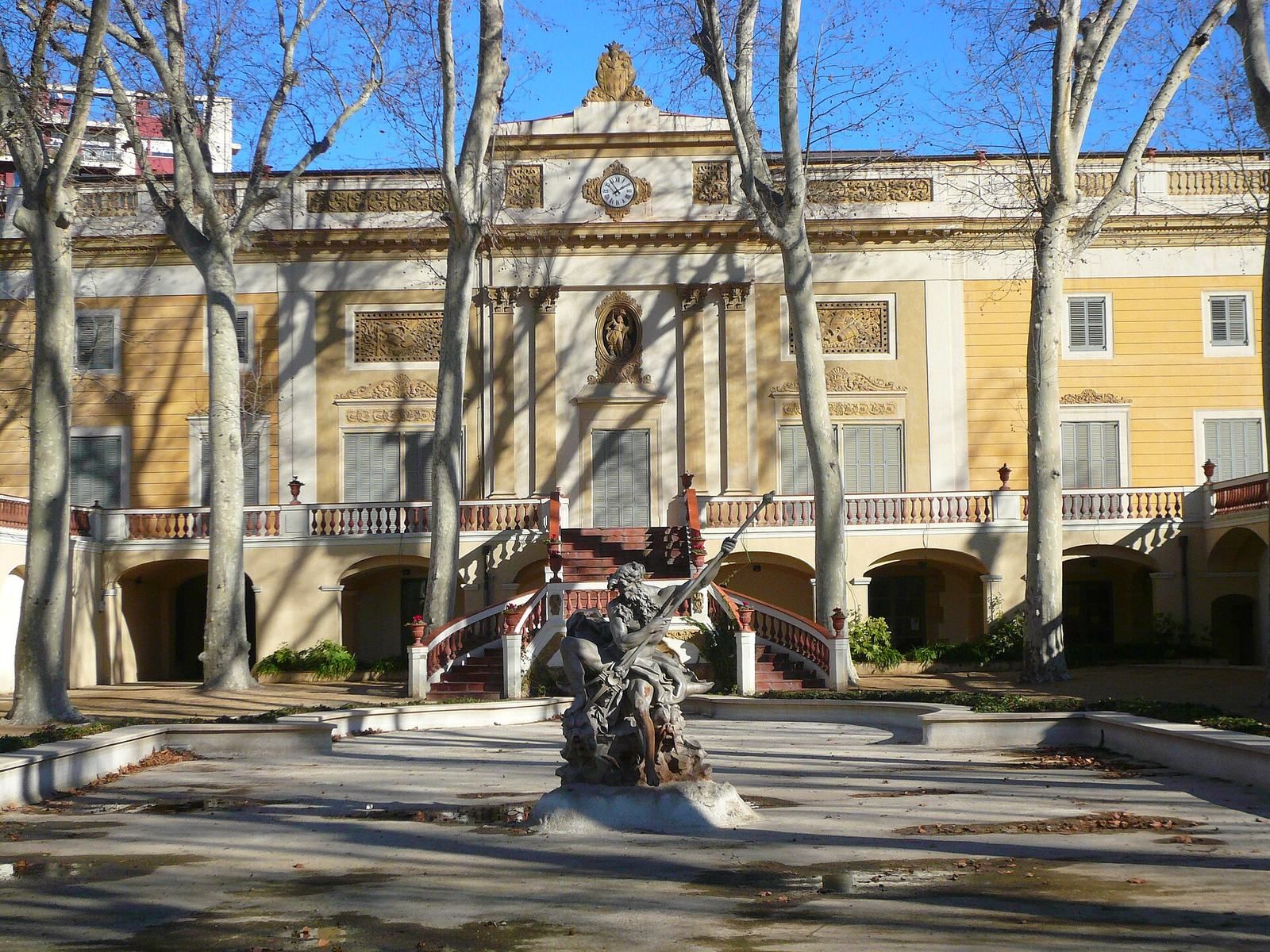
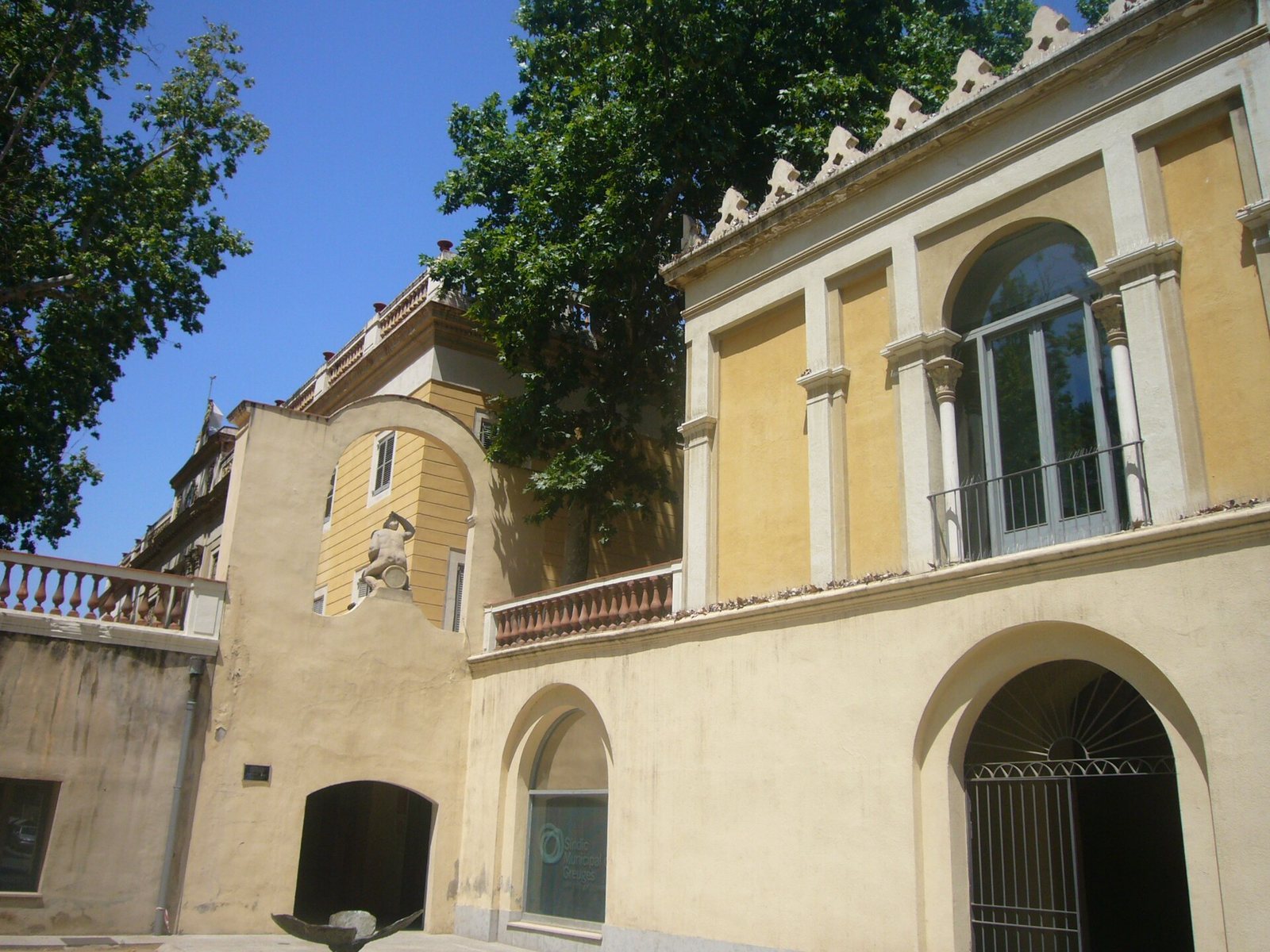
The palace is a 4,000-square-metre building within the gardens. Its stated architectural style is Novecentismo, an early-twentieth-century movement associated with order and classicism.
Gardens and water features
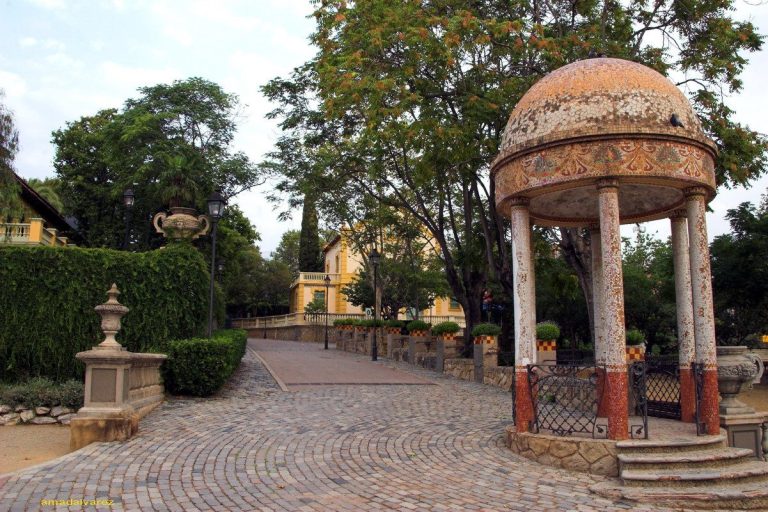
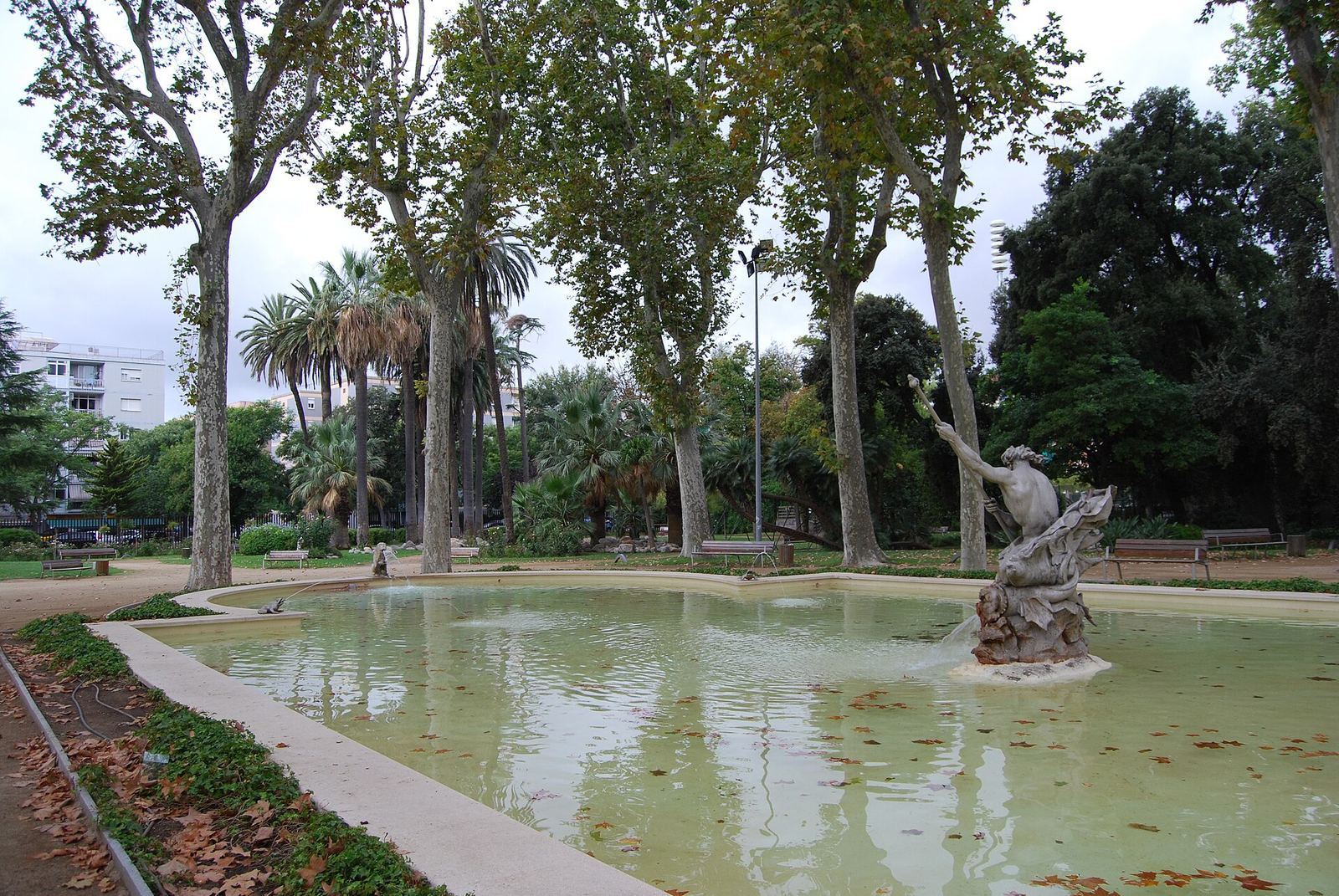
The gardens cover 1.5 hectares and once extended to the Llobregat River. Their features include a main pond supplied by a fountain, a sculpture in the pond, another sculpture in the garden, and statues at the fountain and elsewhere among the grounds.
Carriage
A carriage associated with the palace is known as the Carriage of the Blessed Sacrament or the Golden Carriage. It had belonged to Manuel Amat y Junyent, viceroy of Peru, the Spanish monarch’s chief representative there, and was brought from Peru.