Palace in Duchnice: A 19th-Century Neo-Renaissance Residence
Site at a Glance
- Popularity
- Medium
- Country
- Poland
- Primary era
- Modern
- Eras represented
- Modern
- Civilizations
- Russian
- Site type
- Domestic
- Remains
- Elite Residence
On this page9 sections
History
The Palace in Duchnice is a 19th-century residence in Poland, completed in 1867 in the Italian Neo-Renaissance style, a revival drawing on forms associated with Italian Renaissance buildings. It was designed by Stanisław Kierbedź, a Polish engineer and bridge designer.
The palace’s first owner was Jan Henryk Klawe, followed by the Dersz family. In 1935 it became the property of Maria Dunajewska, née Gałczyńska, and from 1948 belonged to Jadwiga Modrzejewska, also née Gałczyńska. After Jadwiga’s death in 2006, it passed to her nieces Maria and Dorota Gałczyńska. Dorota died in 2016 and Maria in 2021. Antoni Szymborski spent the final years of his life at the palace. The surviving Linden Avenue is designated a natural monument, a legally protected natural feature.
Remains
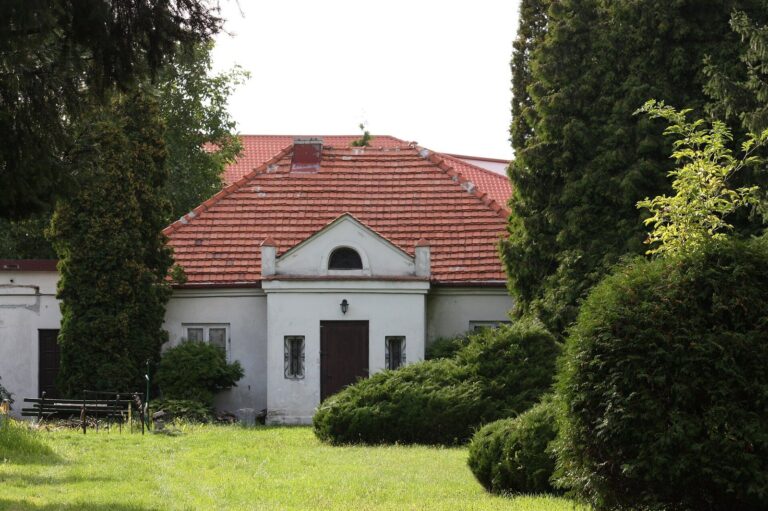
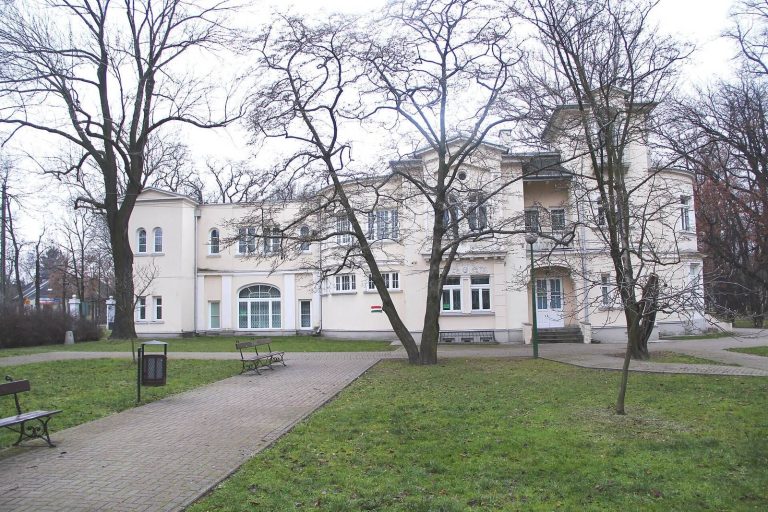
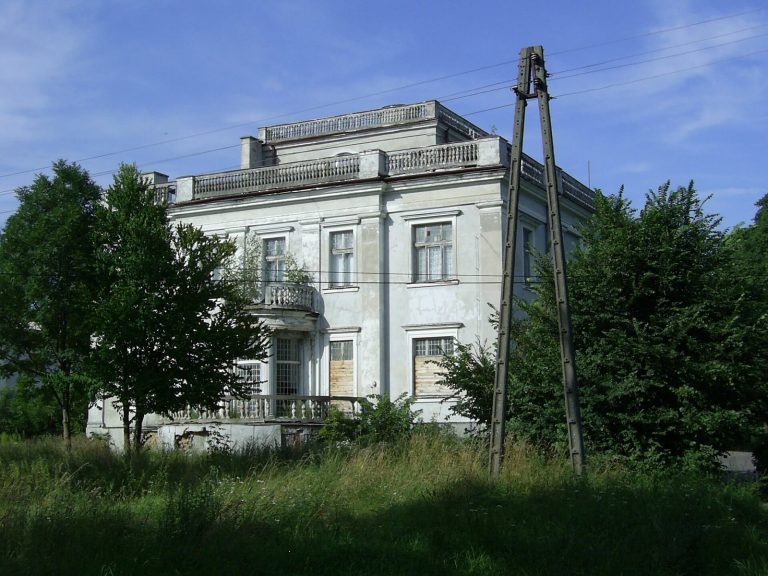
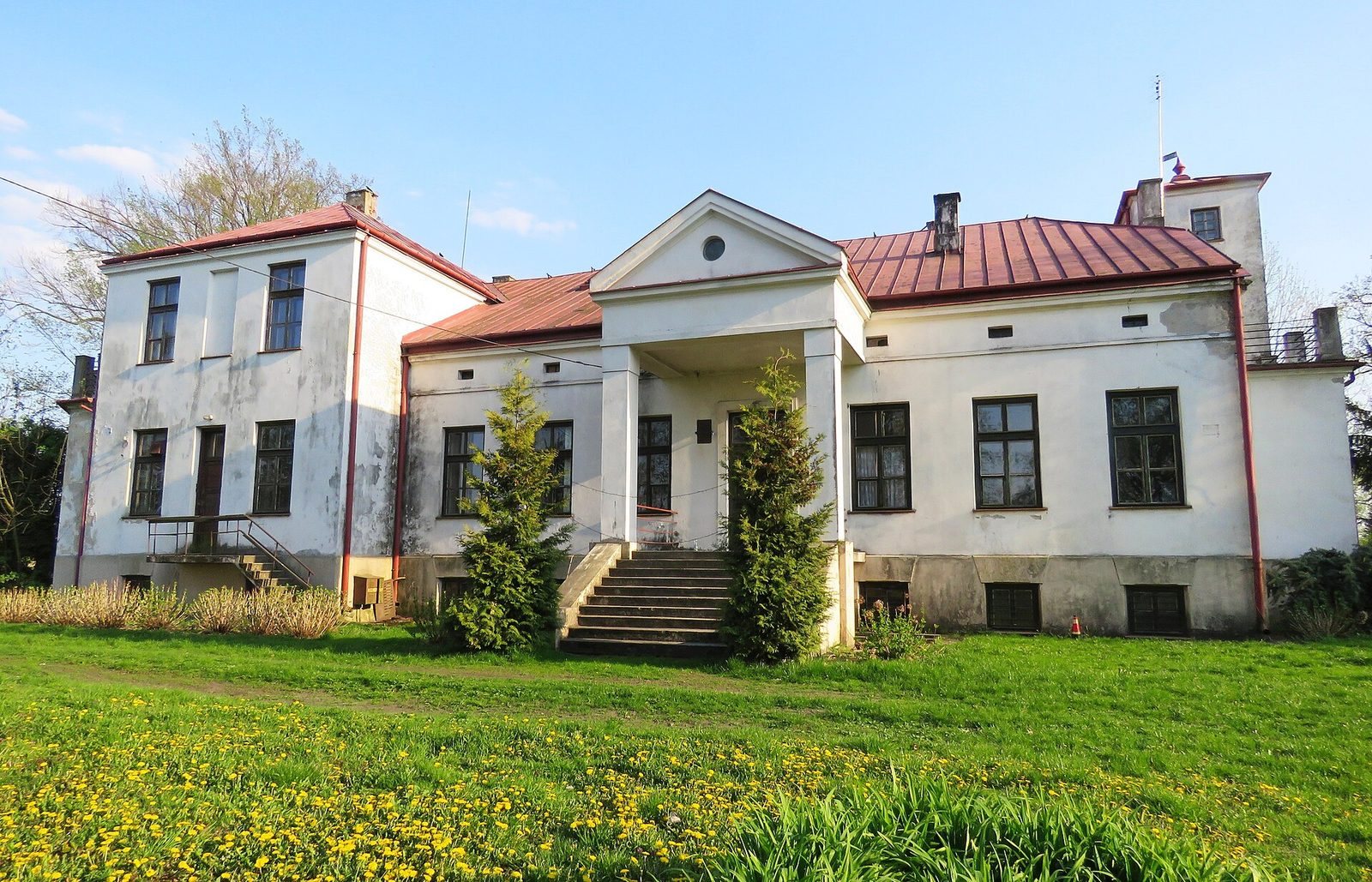
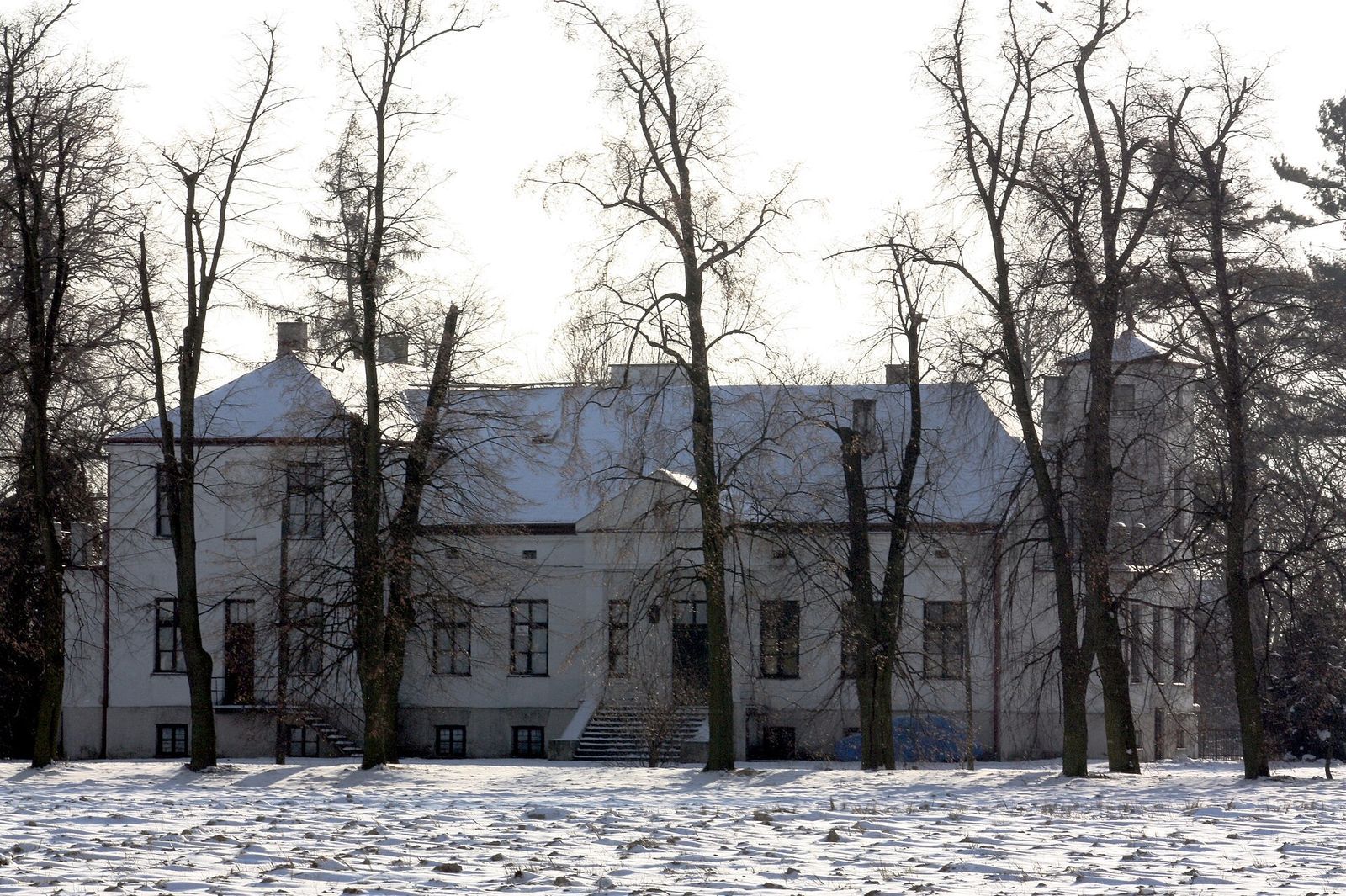
The palace comprises two brick, plastered buildings set at right angles. It has a basement and three storeys, with a usable floor area of 1,470 square metres.
Palace buildings
Eastern building
The eastern building has two upper storeys. Two projecting sections end in terraces at upper-floor level, while stairs placed centrally at ground level descend to the garden.
Western building
The western building has one upper storey and terminates in a tower topped by a weather vane bearing the building’s date. On the north side, stairs rise to a porch supported by two columns and capped by a triangular pediment.
Interior and condition
Fireplaces and tiled stoves survive inside. Renovations over the years have substantially altered the palace’s original stylistic character.
Park remains
Linden Avenue
The palace park retains a Linden Avenue covering about 0.3 hectares.
Landscape park trees
Fragments of the landscape park survive, including specimen trees. One is a pedunculate oak, a European species whose acorns grow on long stalks. Its trunk circumference is 525 centimetres, measured 130 centimetres above the ground. In 2016 the tree was named Antoni in tribute to Antoni Szymborski.