Fellman Manor: A Historic Meeting Place and Museum in Lahti
Site at a Glance
- Popularity
- Medium
- Country
- Finland
- Primary era
- Modern
- Eras represented
- Modern
- Civilizations
- Grand Duchy of Finland, Russian
- Site type
- Domestic
- Remains
- Elite Residence
On this page4 sections
History
Construction and the 1903 meeting
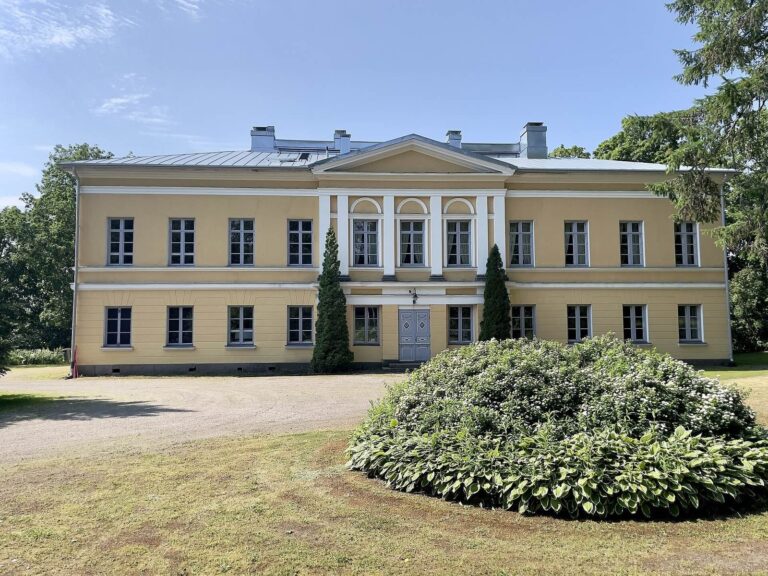
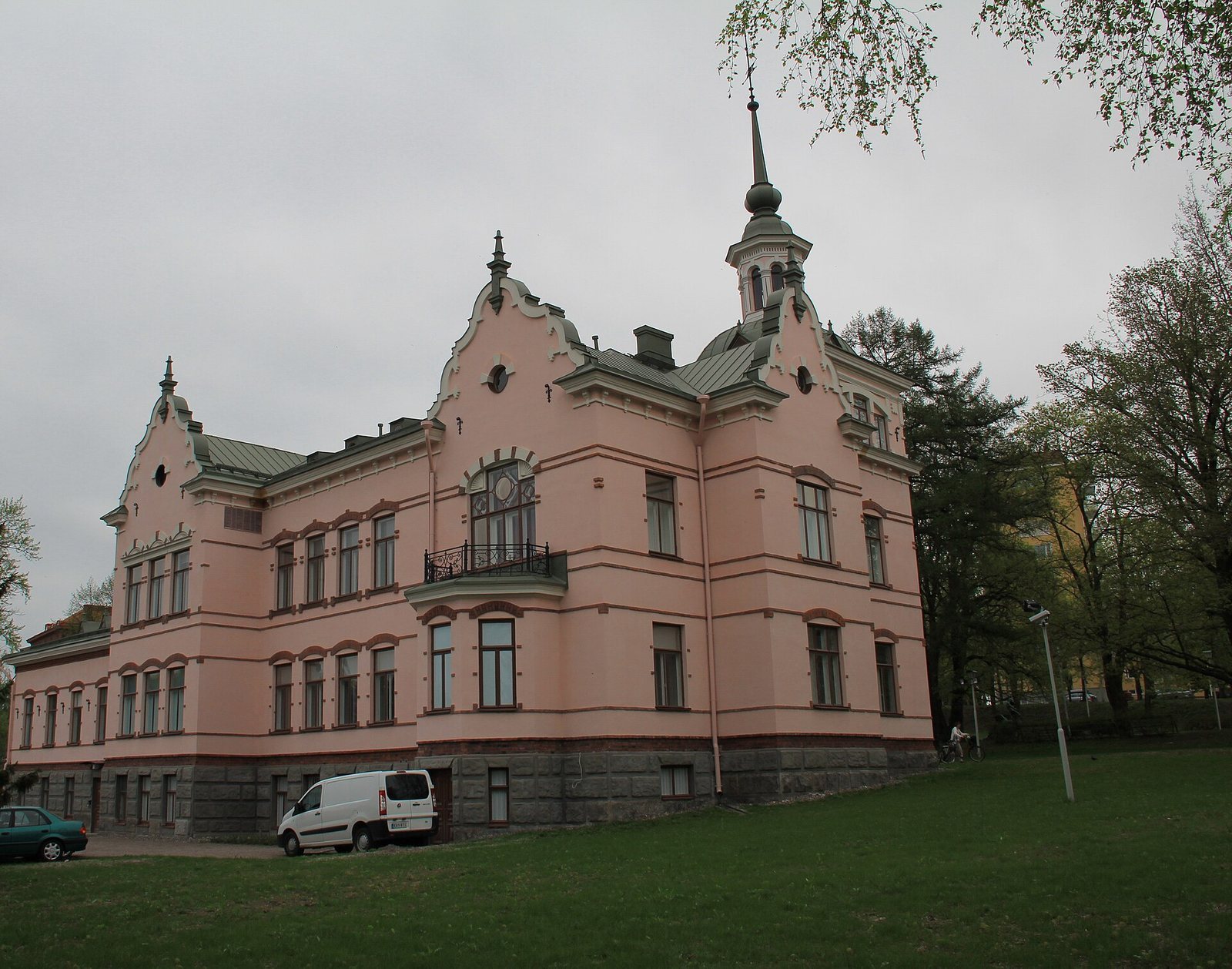
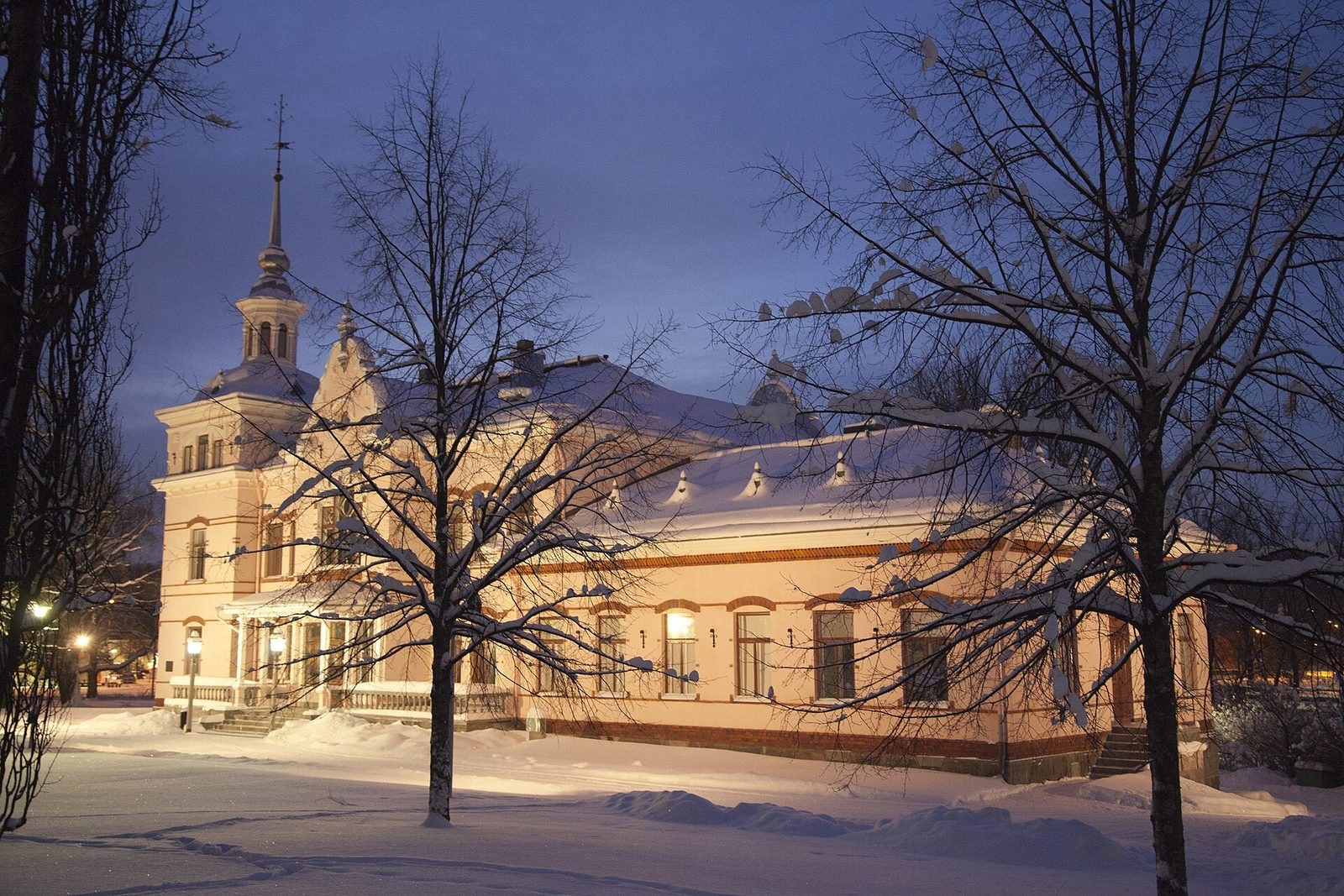
Fellman Manor is a Dutch-style manor in the Kartano district of Lahti, Finland. Finnish architect Hjalmar Åberg designed it for Captain August Fellman. Construction took place in 1897–1898, and the building was completed in 1898.
On 13 April 1903, constitutionalists met at the manor to discuss resisting the February Manifesto, an 1899 measure intended to extend Russian imperial authority over Finnish affairs. Finland was then an autonomous Grand Duchy under Russian rule, and constitutionalists defended its legal rights and autonomy. Attendees included Kaarlo Juho Ståhlberg, August Fellman, Pehr Evind Svinhufvud, Jonas Castrén, Berndt Ossian Procopé, Carl Mannerheim, and 171 other jurists, most of them constitutionalists. As a consequence of the meeting, Fellman was forced into exile for two years.
The estate and museum
In 1918, the estate extended as far as the area now occupied by Fellman Park. After the city acquired the property, a vocational school, an indoor swimming pool, and a sports house were built on its former grounds. The vocational school later became the institution now called Lahti University of Applied Sciences.
Fellman Manor now houses the Lahti Historical Museum.
Remains
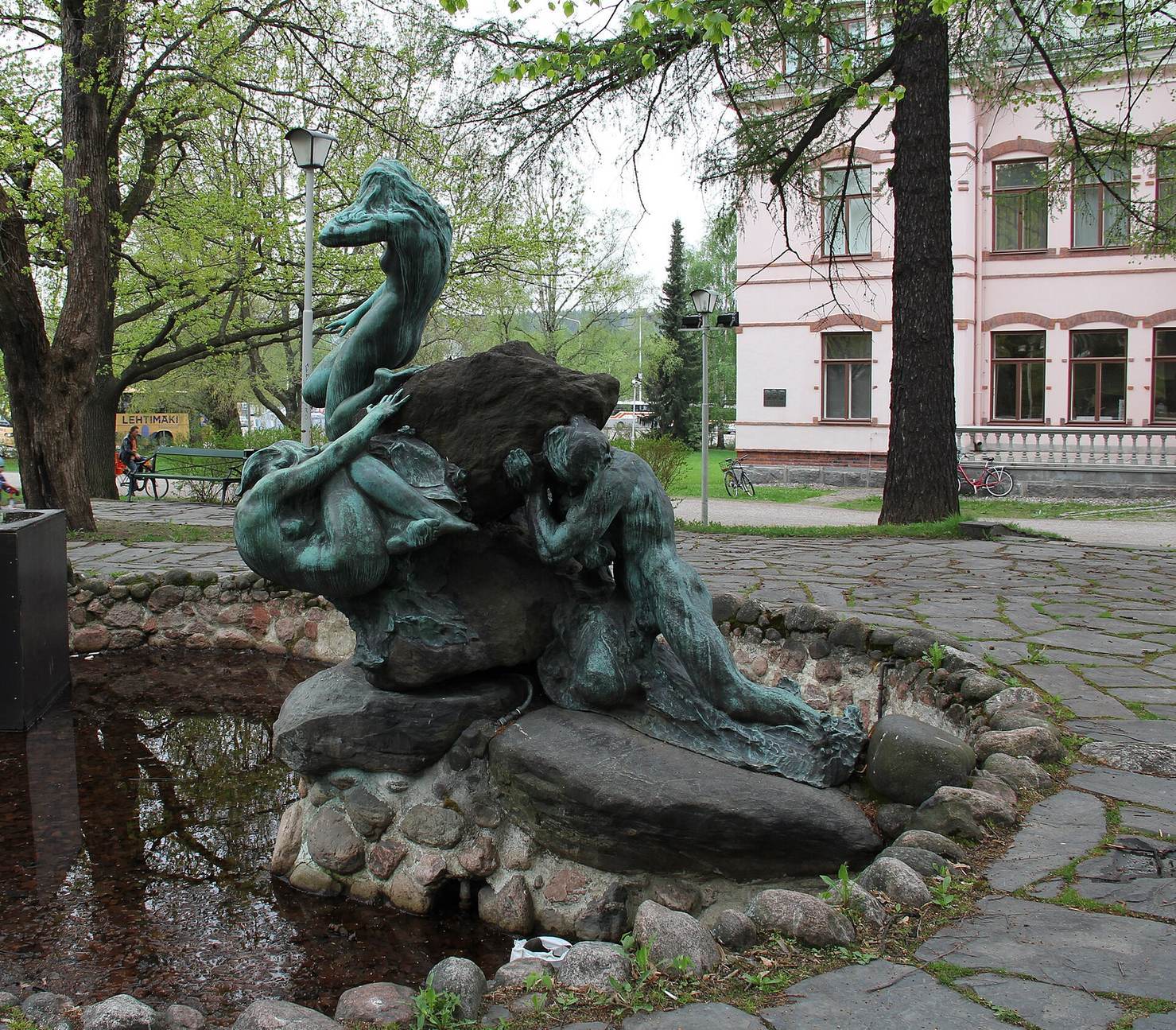
The Dutch-style manor stands between Lahti’s city centre and Lake Pikku-Vesijärvi. A fountain with the Aïno sculpture is located east of the building.
Emil Wikström created the Aïno sculpture in 1909. It was first erected in Helsinki and was transferred to Lahti in 1949.