Sujeongjeon Hall of Gyeongbokgung Palace: A Joseon Government Hall
Site at a Glance
- Popularity
- Medium
- Country
- South Korea
- Primary era
- Medieval
- Eras represented
- Medieval
- Civilizations
- Joseon
- Site type
- Civic
On this page6 sections
History
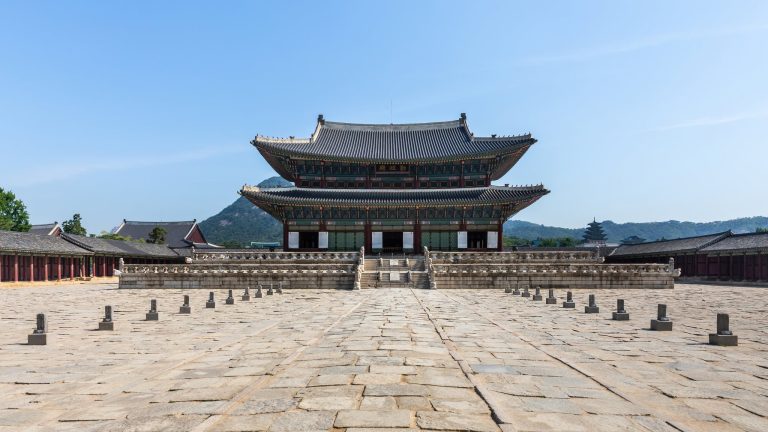
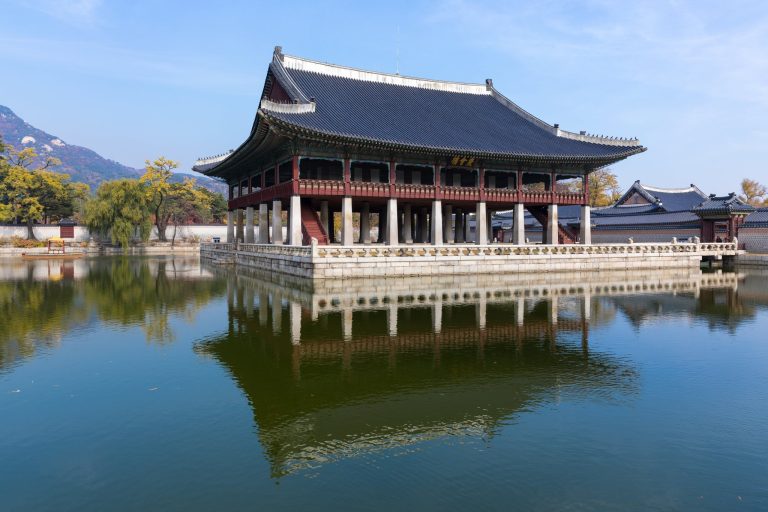
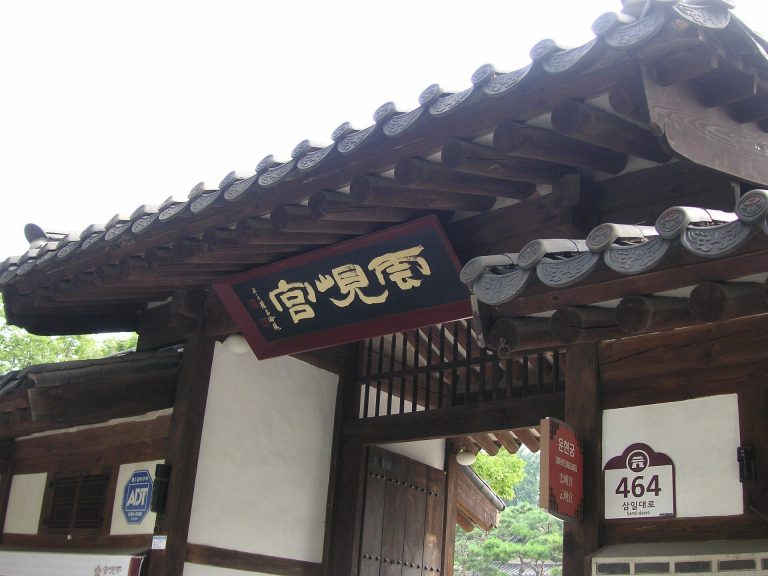
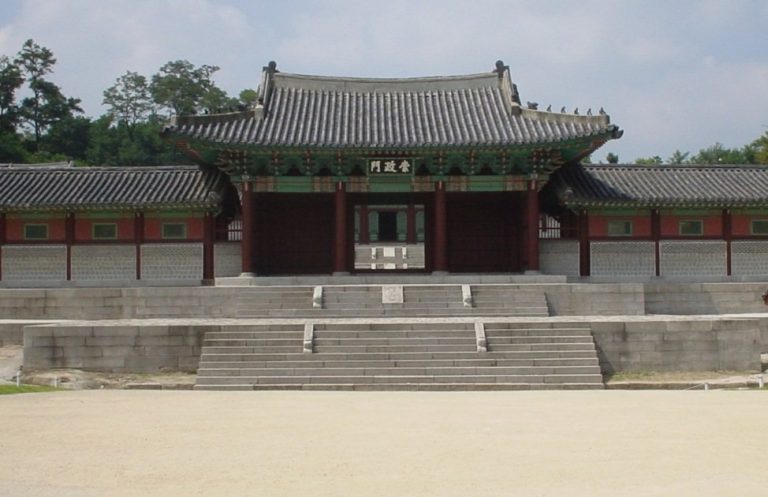
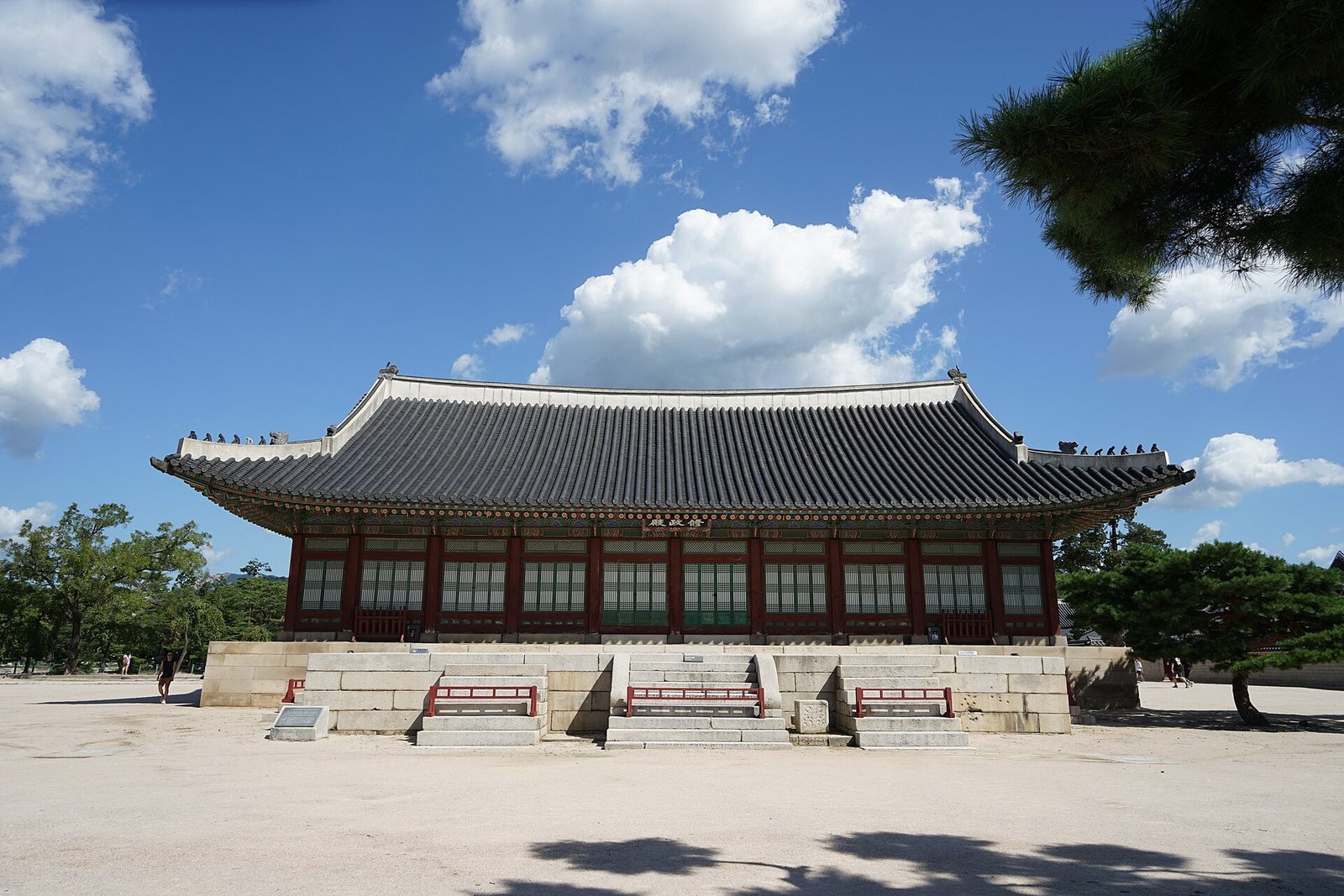
Sujeongjeon Hall of Gyeongbokgung Palace is a government hall in South Korea that served Joseon royal offices and was involved in work on Hangul, the Korean writing system, under King Sejong. Gyeongbokgung was the royal palace of the Joseon dynasty. The hall was reconstructed in 1867.
Joseon service and destruction
During King Sejong’s reign, Sujeongjeon was an important facility in work associated with the creation of Hangul. The hall was destroyed in 1592 during the Imjin War, the Japanese invasions of Korea that began that year. In 1813, a fire damaged one of its annex buildings.
Reconstruction and changing uses
After its reconstruction, Sujeongjeon served as a side hall for Sajeongjeon, the palace hall used for royal councils and state affairs. From 1872 to 1875, it housed King Gojong’s ritual portrait. In 1894, the Reform Council, a government body involved in Korean reforms, used the hall.
Later institutional use
By 1915, surrounding buildings had been demolished for the Chōsen Industrial Exhibition, an industrial exposition held under Japanese colonial rule. Sujeongjeon was then the palace’s only remaining government office. It was later used as a museum for artifacts from Central Asia. From 4 October 1966 to 1975, it housed a predecessor of the National Folk Museum of Korea, a museum devoted to Korean folk culture. South Korea designated Sujeongjeon a Treasure in 2012.
Remains
Architectural form
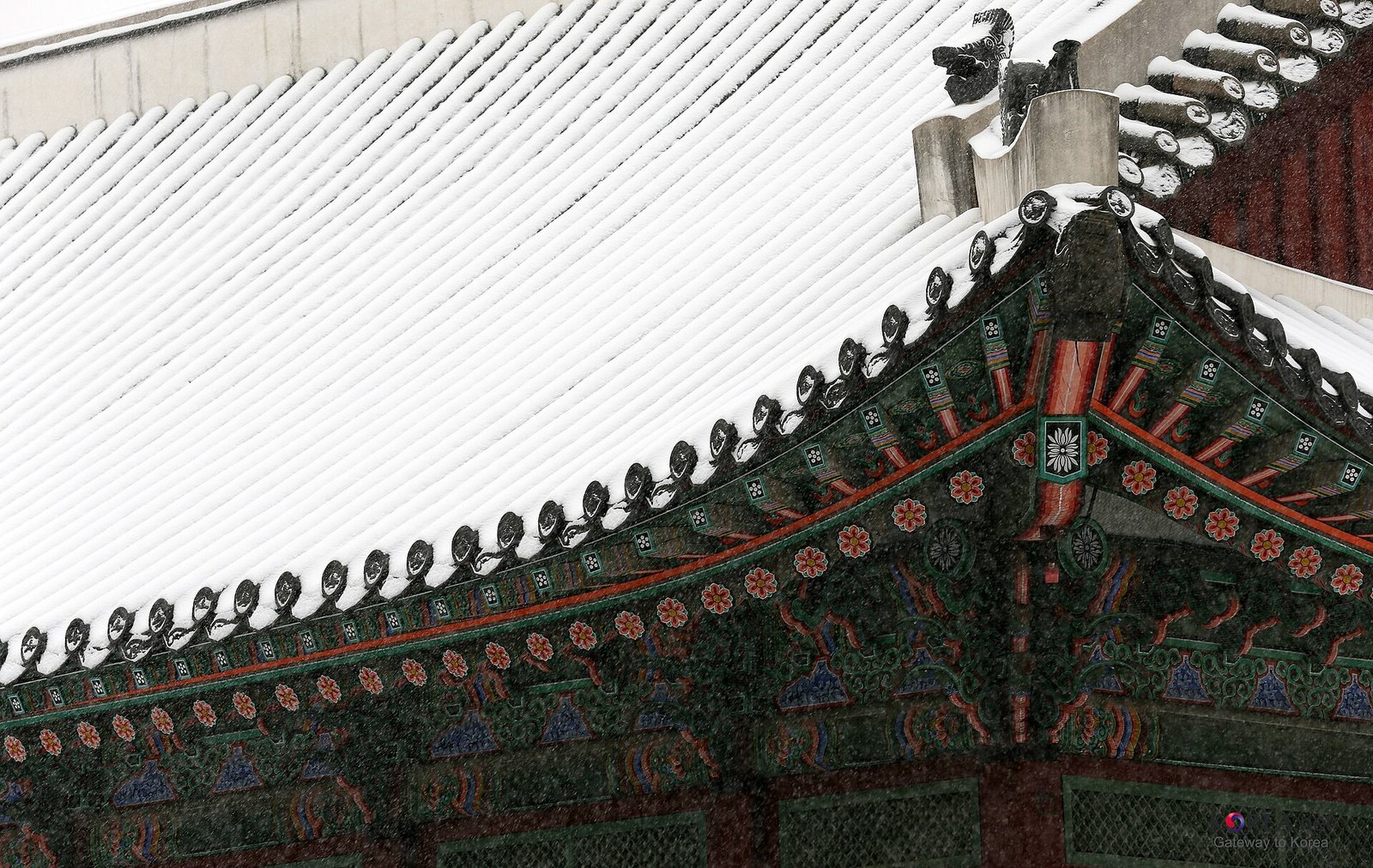
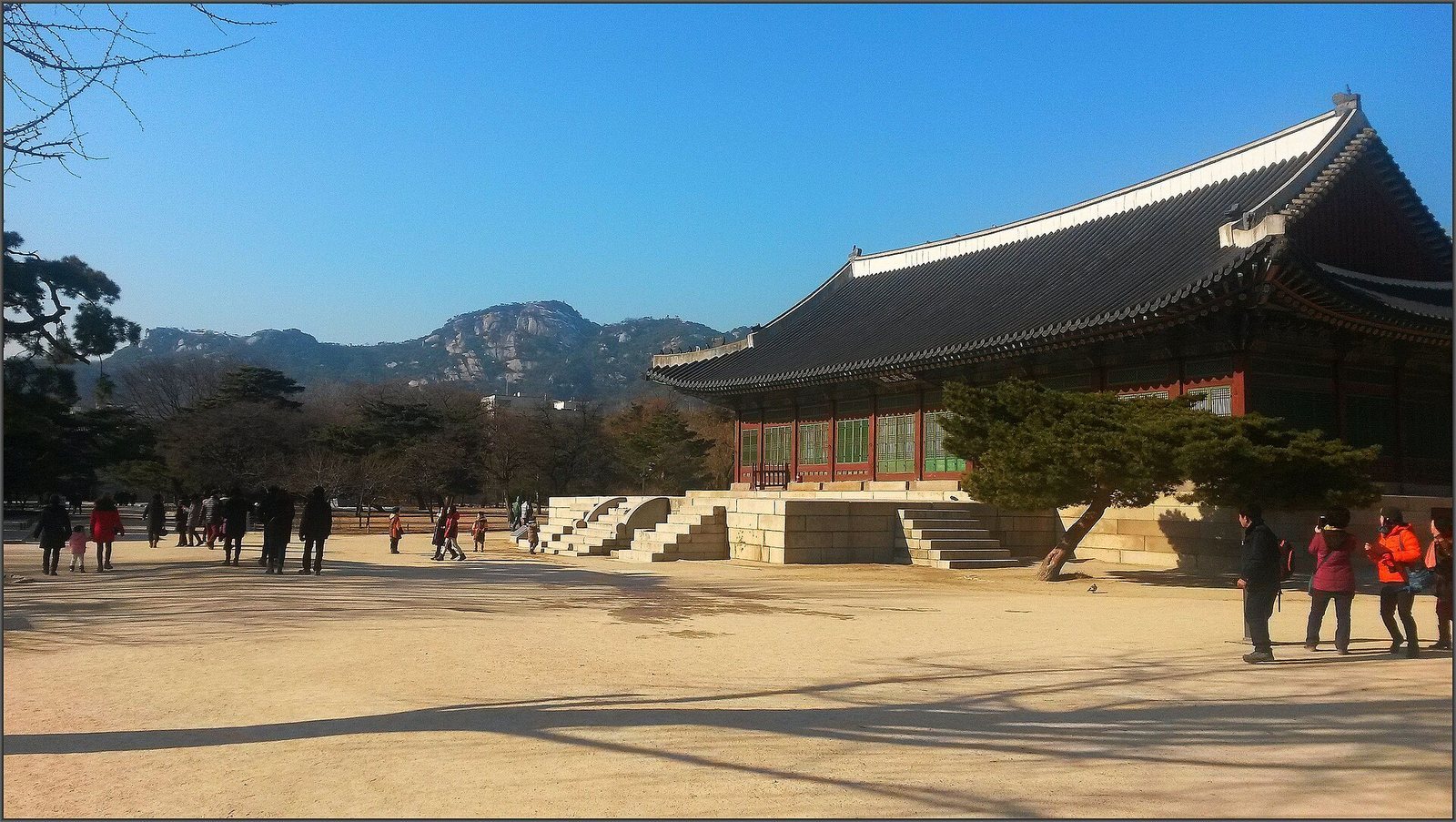
The surviving hall largely retains the form established by its reconstruction. Unusually for a side hall, it has a large raised terrace. Chimneys at the rear likely served a Korean underfloor-heating system.