Friedland Castle: A Medieval Fortress in Present-Day Pravdinsk, Russia
Site at a Glance
- Popularity
- Medium
- Country
- Russia
- Primary era
- Medieval
- Eras represented
- Medieval
- Civilizations
- Crusader, Teutonic Order
- Site type
- Military
- Remains
- Castle
On this page6 sections
History
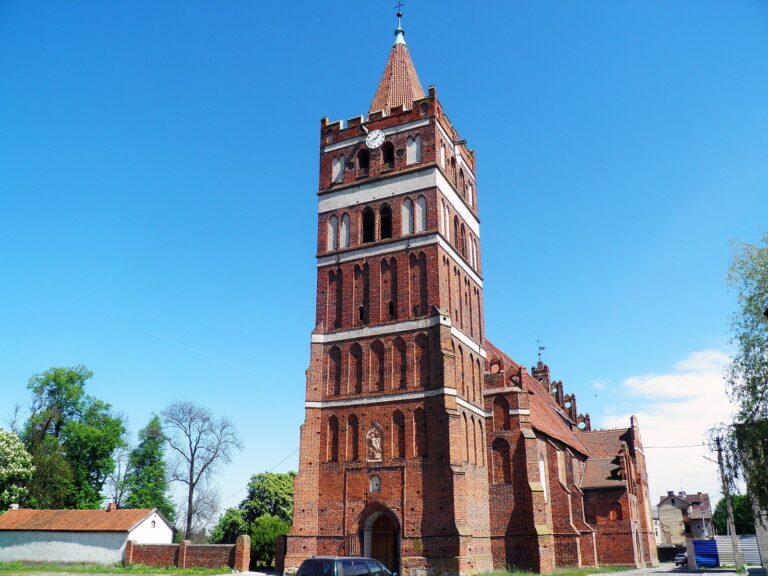
Friedland Castle was a medieval castle founded in 1312 on the Alle River in present-day Pravdinsk, Russia. Construction of a church dedicated to Saint George, an early Christian martyr honored as a saint in several Christian traditions, began within the castle grounds the following year.
Capture and Teutonic control
Lithuanian forces captured and destroyed the castle in 1347. In 1440, a civil war between the Teutonic Order, a medieval Catholic military-religious order, and the Prussian Confederation, an association of Prussian towns and estates opposed to the Order, reached Friedland. The castle was captured during the conflict. After Friedland returned to Teutonic Order control, defenses were developed around the town, including deeper and wider moats, towers, and gates on its western and eastern sides.
Decline and removal of the defenses
By the end of the 1720s, the town’s defenses no longer served their original purpose. Some moats were filled, and houses were built against the town walls. The eastern gate was demolished in 1793, the northern double Mill Gate in 1862, and the western gate was bought for demolition in 1895.
Remains
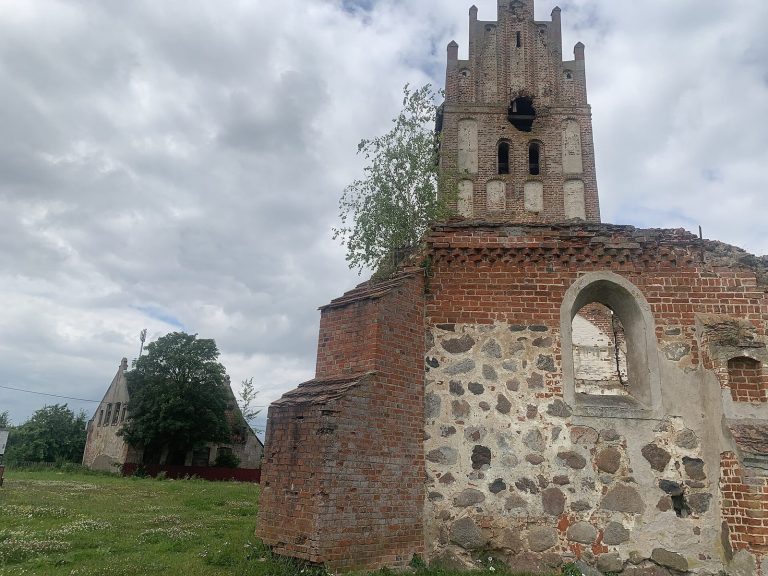
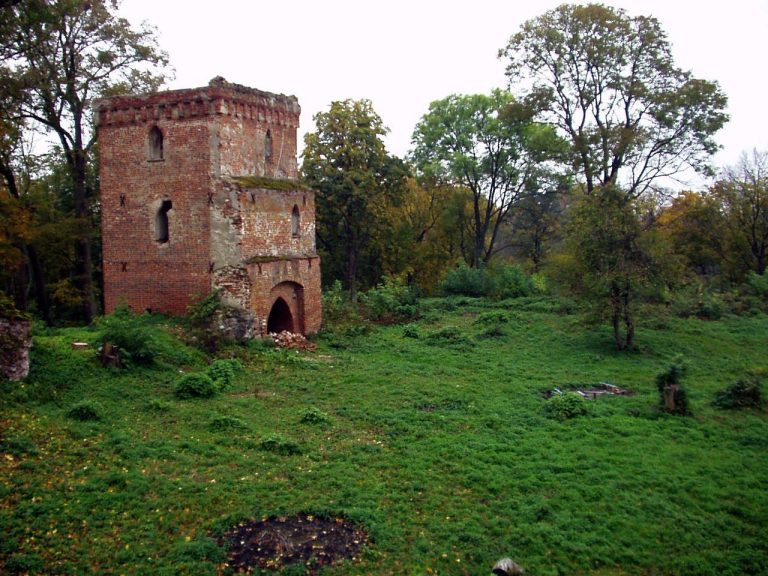
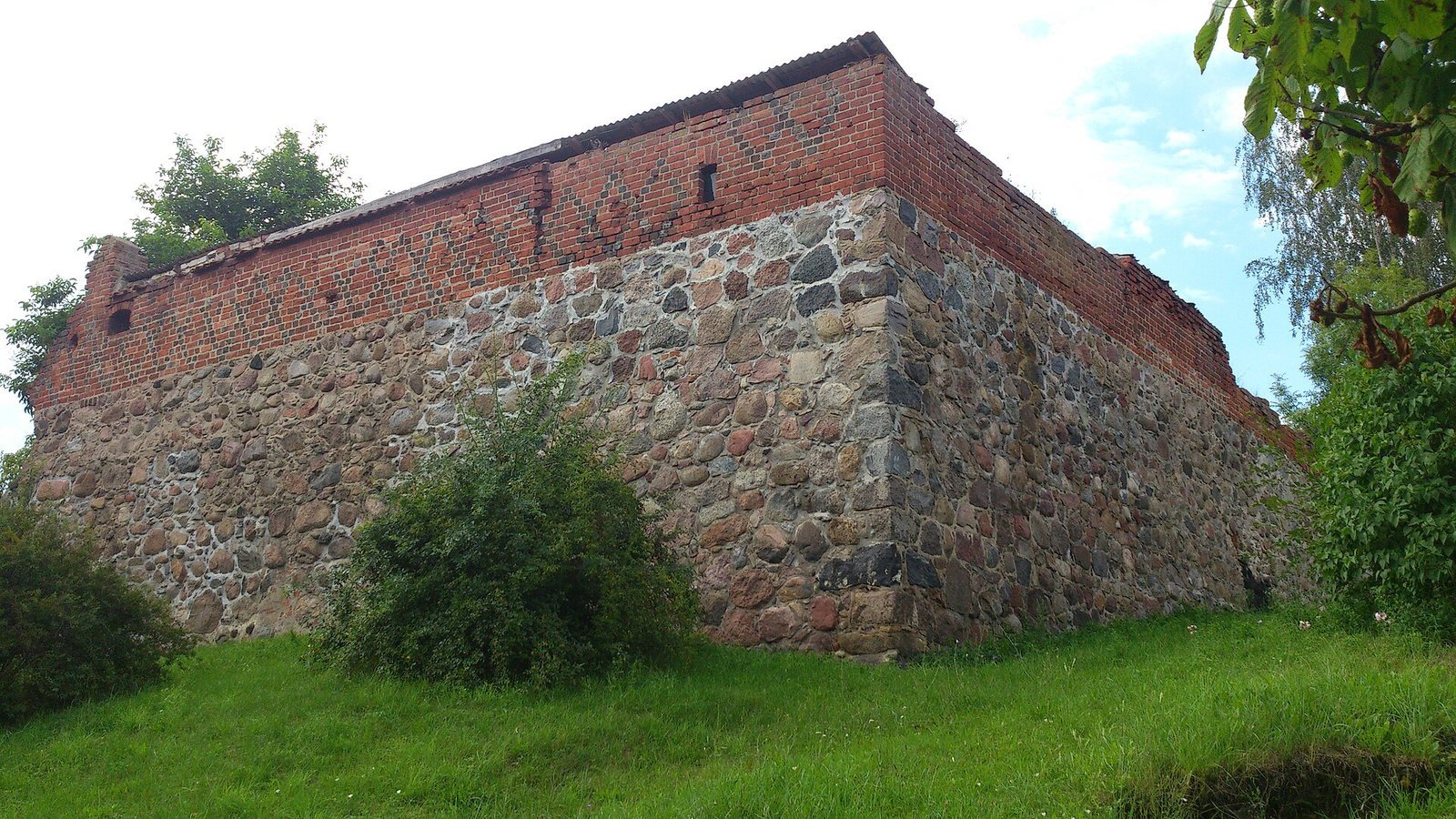
The surviving remains belong to both the castle and the town’s defensive works. They include fragments of the castle’s fortified walls and its western moat, as well as elements of the wall and towers that protected the town.
Castle walls and moat
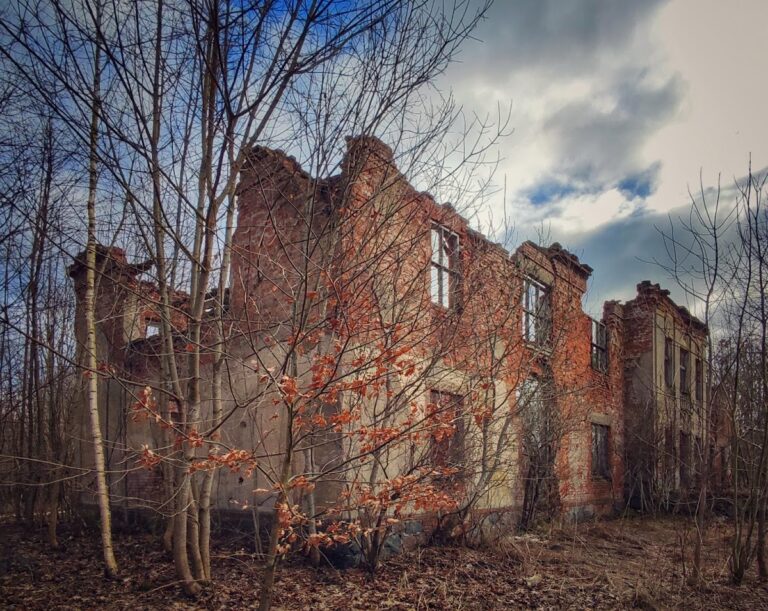
The castle is described as destroyed, but remains of its fortified walls and western moat survived into the early twenty-first century.
Town walls, towers, and gates
A defensive wall enclosed the town. Two substantial towers stood to its southwest and northwest, while two smaller towers were on the southern side. The western and eastern gates also served a defensive purpose. The northern double Mill Gate, built in the early sixteenth century, had two towers of different heights and widths.