Birtsmorton Court: A Fortified Moated Manor House in Worcestershire
Site at a Glance
- Popularity
- Medium
- Country
- United Kingdom
- Primary era
- Medieval
- Eras represented
- Medieval, Early Modern, Modern
- Civilizations
- British, English
- Site type
- Domestic
- Remains
- Manor House
On this page9 sections
History
The manor and the Nanfans
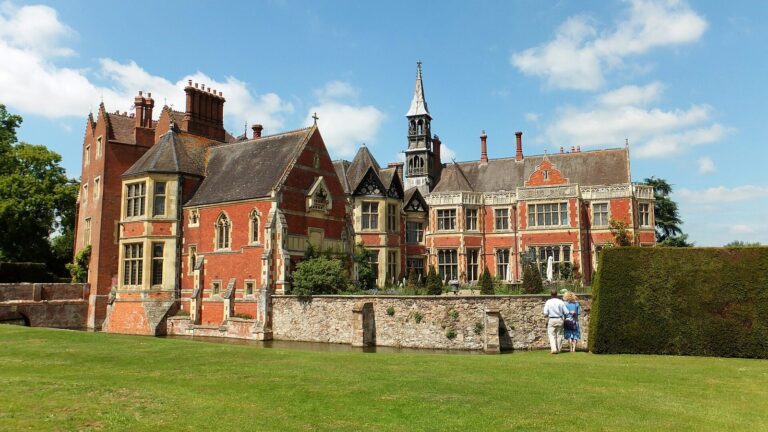
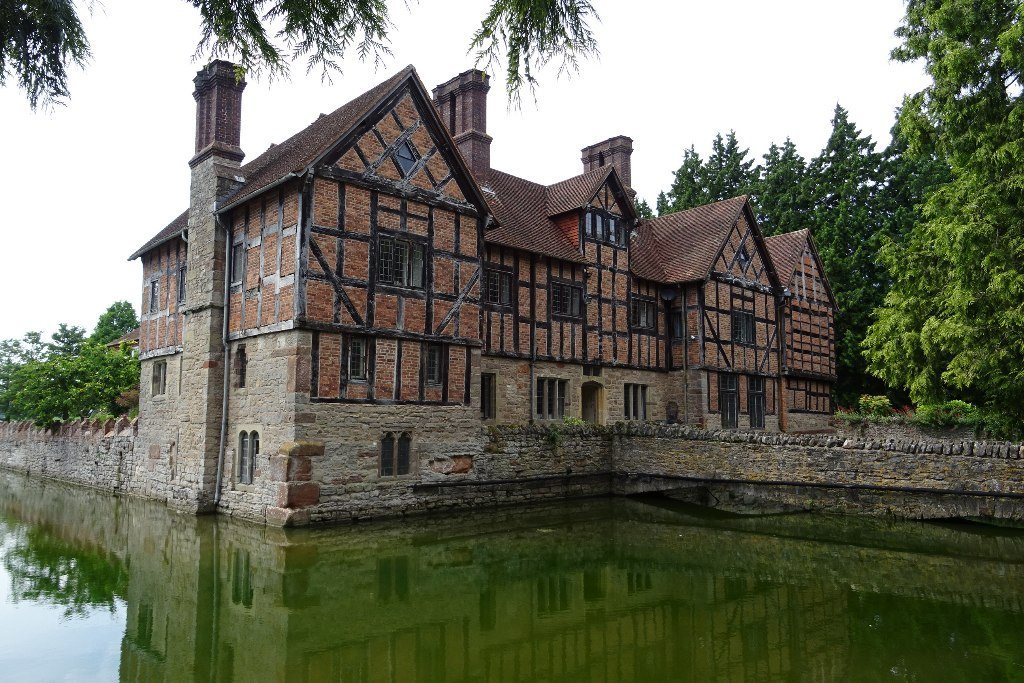
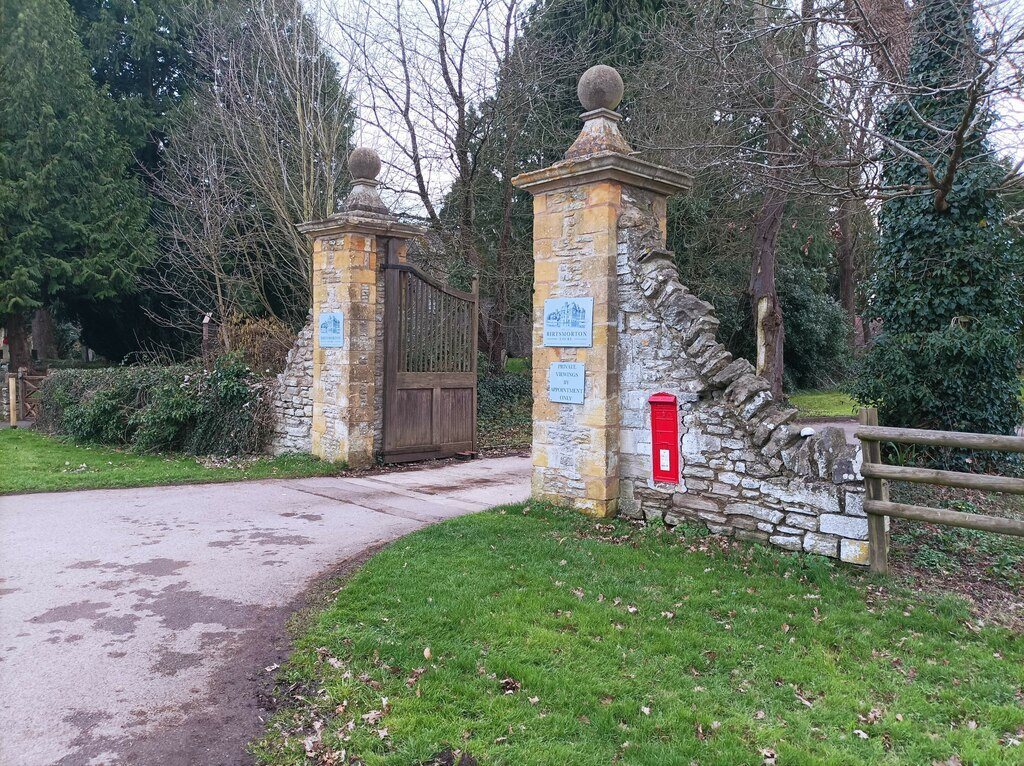
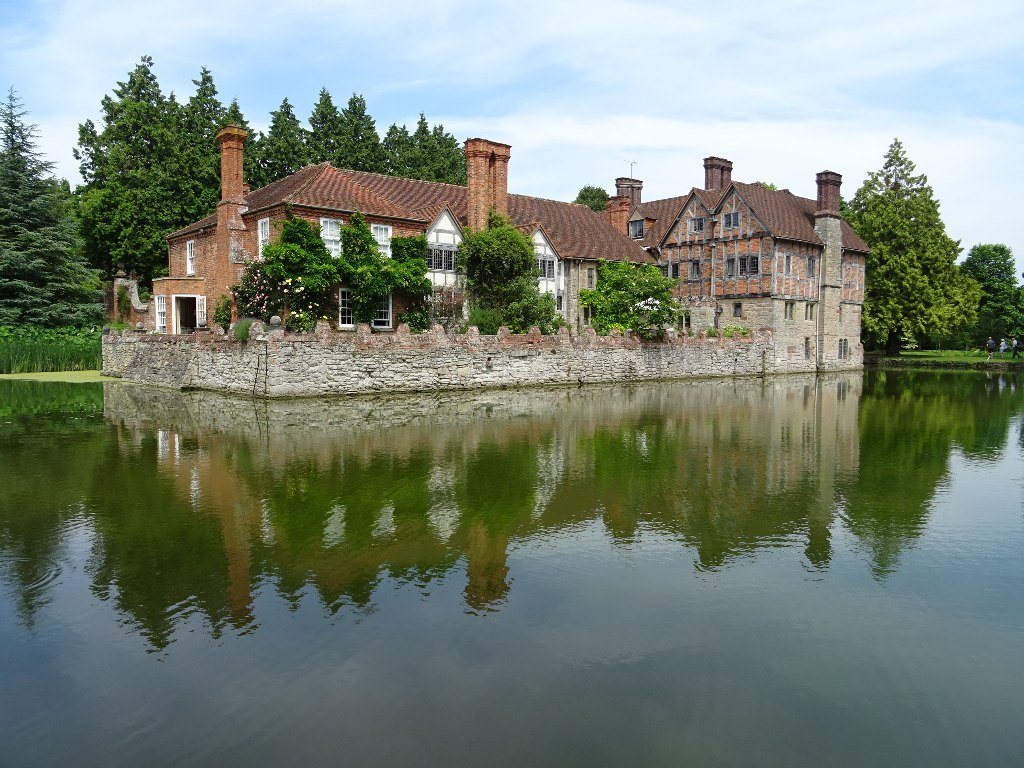
Birtsmorton Court is a fortified medieval moated manor house in Birtsmorton, Worcestershire, United Kingdom. Its present buildings incorporate fabric dating in part to the 13th century. The manor appears in the Domesday Book, a survey of English landholding and resources made in 1086 for William I. The place-name element “Birt-” may refer to birch trees on the low-lying site, though it may instead derive from de Brute, a holder of the manor under Edward I, king of England from 1272 to 1307.
In 1424-25, Birtsmorton became the seat of John Nanfan. Before his death around 1447, he had most of the earlier buildings demolished. Cardinal Wolsey, a senior churchman and royal minister to Henry VIII, reportedly stayed at the court frequently in his early life.
Nanfan inheritance and later associations
The Nanfan family held the manor until 1771. In 1704, Bridges Nanfan, the last male heir, left the estate to his daughter Catherine. She married four times, including Lord Coote, then governor of New York, in 1680, and Admiral William Caldwell in 1702. Following the death of Catherine’s granddaughter Judith in 1771, the manor passed to the Coote family, which sold it in 1779.
William Huskisson, a British politician and government minister, was born at Birtsmorton Court on 11 March 1770 and spent his childhood there until the age of 13. The court also provides the setting for William Samuel Symonds’s historical novel Malvern Chase. Birtsmorton Court is Grade I listed, the highest category of listed-building protection in England.
Remains
Plan and architectural fabric
Overall plan
The house is arranged around a courtyard and is partly half-timbered, with timber framing forming part of the visible structure. It retains elements of a fortified, moated manor house and building fabric dating in part to the 13th century. The site lies on the former woodlands of Malvern Chase, near Malvern.
Great Hall
The Great Hall contains heraldry associated with the remodelling carried out by Giles Nanfan around 1572. This heraldic decoration provides evidence for the date of that work.
Antiquarian restoration
Frederick S. Waller restored and altered the house in 1871-72. His work contributed in part to the building’s present appearance.
East range
Fire destroyed the east range in the 18th century. A. Hill Parker and Son rebuilt it in 1929-30. Architectural historians Brooks and Pevsner described the design as a successful imitation of an earlier style.