Ottagono Alberoni: A Fortified Island in the Venetian Lagoon
Site at a Glance
- Popularity
- Medium
- Country
- Italy
- Primary era
- Early Modern
- Eras represented
- Early Modern, Modern
- Civilizations
- Austrian Empire, Habsburg, Venetian
- Site type
- Military
- Remains
- Fort
On this page6 sections
History
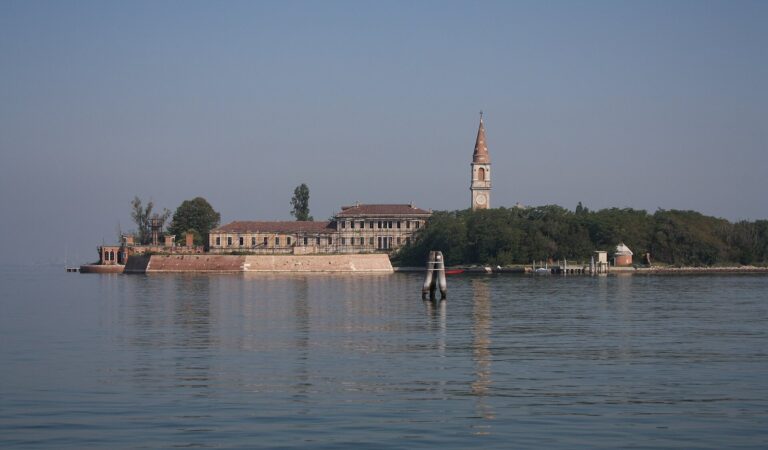
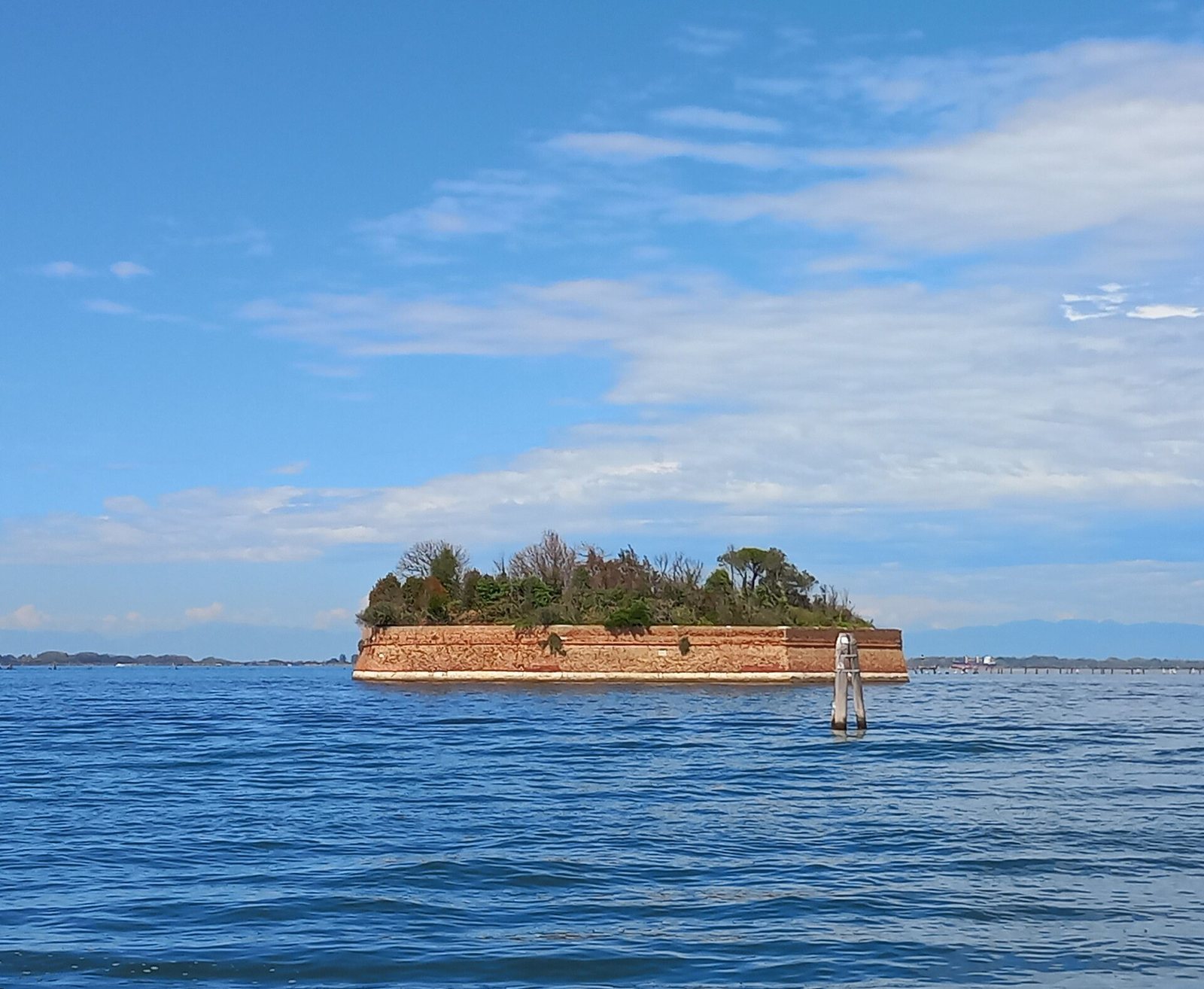
Ottagono Alberoni is an octagonal fortified island in Italy’s southern Venetian Lagoon, at the entrance to the Malamocco passage. Built in the Renaissance Venetian style, it formed part of the Republic of Venice’s defenses against Ottoman naval threats.
Venetian defenses and modernization
In response to Ottoman conflicts, the Senate of the Republic of Venice strengthened the lagoon entrances. Ottagono Alberoni worked with the forts at Campana and Poveglia to prevent enemy ships from entering through the Malamocco passage.
The island was fortified further during the War of Candia (1646–1669), a prolonged Venetian-Ottoman conflict over Crete. After the war, the octagonal forts were neglected. Modernization began again in 1726.
French and Austrian rule
From 1806 to 1814, French forces under Napoleon incorporated the island into their defensive system. In the nineteenth century, Austrian authorities strengthened the fortifications. The fort later served the Kingdom of Lombardy-Venetia and the Kingdom of Italy, following its use by Venice and Austria.
Italian military use and abandonment
In 1900, the fort held four artillery pieces and a garrison of 25 men. Italian military forces continued to use it until the end of the Second World War. Private owners acquired the site afterward, and it was abandoned when its military function ended.
Remains
Island fortifications
The fort occupies an area of 2,520 square metres and has an octagonal plan. Stone, brick, and earthwork form its defenses, which include a perimeter wall, batteries, casemates, and artillery positions. During Austrian rule, the perimeter defenses were strengthened and batteries added. The walls facing Alberoni were armed, perhaps because an attack from that direction was considered a particular threat. On the Adriatic-facing side, casemates, enclosed fortified positions for guns or troops, and additional guns reinforced the defenses.
Ottagono Alberoni is the best-preserved of the fortified islands in the system, but it is abandoned and overgrown with scrub and other vegetation. The growth reflects the fort’s continuing deterioration.