Church of St Mary, Kempley: A Norman Church with Medieval Wall Paintings


Site at a Glance
- Rating
- 4.8
- Popularity
- Low
- Country
- United Kingdom
- Primary era
- Medieval
- External website
- Open
- Eras represented
- Medieval
- Civilizations
- English
- Site type
- Religious
- Remains
- Church
On this page8 sections
History
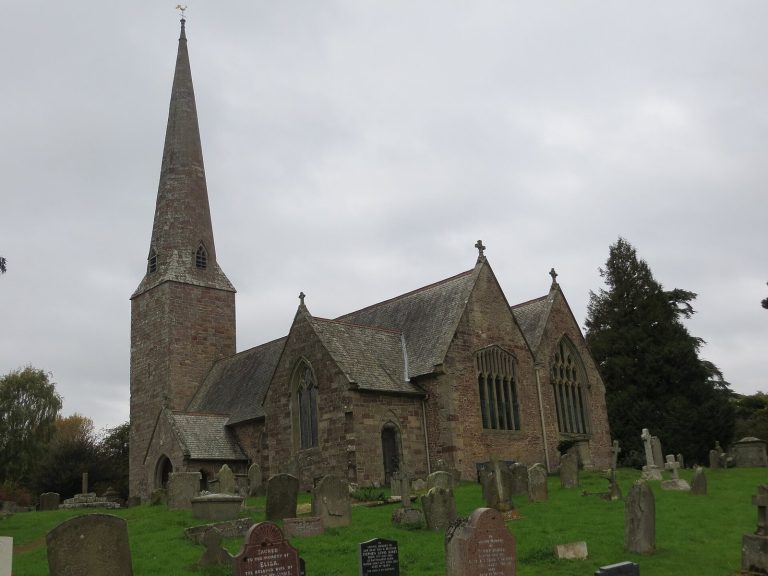
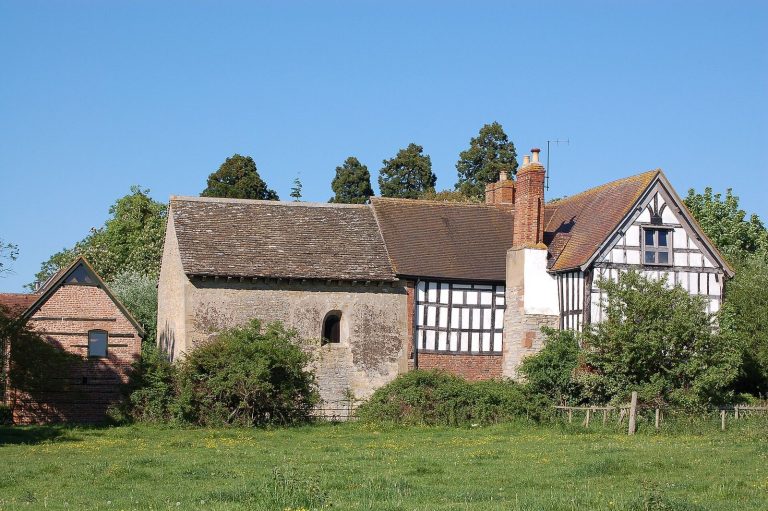
Church of St Mary is a former Church of England parish church at Kempley in Gloucestershire, England, near the Herefordshire border. Built as a simple Norman church, it served a rural parish but later stood remote from the settlement’s main population centres. Its early medieval fabric and wall paintings make it an important surviving example of Romanesque religious art and architecture.
Parish Church and Redundancy
St Mary remained the parish church until it became redundant in 1975. St Edward’s Church, built in 1903–1904 as a chapel of ease, then became the parish church. A chapel of ease was established to serve parishioners who lived too far from the main church. In this case, St Mary’s distance from the parish’s principal population centres and its liability to flooding helped prompt the change.
The church belongs administratively to the Diocese of Gloucester, within the Province of Canterbury, the Archdeaconry of Cheltenham, and the Tewkesbury and Winchcombe deanery. It has been a Grade I listed building since 2 October 1954. Grade I is England’s highest category of statutory protection for buildings of exceptional historic or architectural interest.
Rediscovery and Conservation
Medieval wall paintings were found beneath whitewash in 1872, when preparations were being made for renovation. On the advice of the architect and architectural historian John Henry Middleton, the renovation plans were abandoned. The paintings were instead uncovered and conserved, preserving an interior whose decoration might otherwise have been lost beneath the proposed work.
Temple Moore restored the church in 1913. Later efforts to remove preservative materials affected parts of the paintings, causing some areas to darken and begin flaking. As of May 2024, the most suitable method for restoring those damaged areas had not been decided.
In 1999, Francis P. Kelly of English Heritage initiated tree-ring testing of the oak roof. This dendrochronological analysis, which dates timber by comparing its annual growth rings with established sequences, placed the roof in the period 1120–1150. It was identified at that time as the oldest medieval roof in Britain to have been tested by this method. English Heritage owns the church, while the Friends of Kempley Churches maintain it.
Remains
Built of rubble masonry, Church of St Mary has an unusually well-preserved interior. The surviving decoration is concentrated in the chancel and nave, while the early medieval oak roof provides evidence for the building’s Norman period of construction.
Painted Interior
Chancel Paintings
The chancel, the eastern part of the church containing the altar and used by clergy, has a barrel vault, a continuous tunnel-like arched ceiling, painted throughout, including its ceiling. These early twelfth-century paintings are true frescoes, made by applying pigment to wet plaster or mortar. They include a Christ in Majesty image created about 1120, showing Christ as a sovereign ruler. The chancel decoration is described as the most complete set of Romanesque frescoes in northern Europe.
Nave Paintings
Further medieval paintings survive on the nave walls. Among them is a Wheel of Life, representing the human life cycle. These images differ technically from the chancel decoration because they were painted in tempera onto dry lime mortar, using a binding medium rather than applying pigment to wet plaster.
Roof and Churchyard
The church’s oak roof dates from 1120–1150 according to dendrochronological analysis. From late February to early March, the churchyard is often covered with wild daffodils.