Palazzo Alberini: A Renaissance Civic Palace in Rome
Site at a Glance
- Popularity
- Medium
- Country
- Italy
- Primary era
- Early Modern
- Eras represented
- Early Modern, Modern
- Civilizations
- Papal States
- Site type
- Domestic
- Remains
- Elite Residence
History
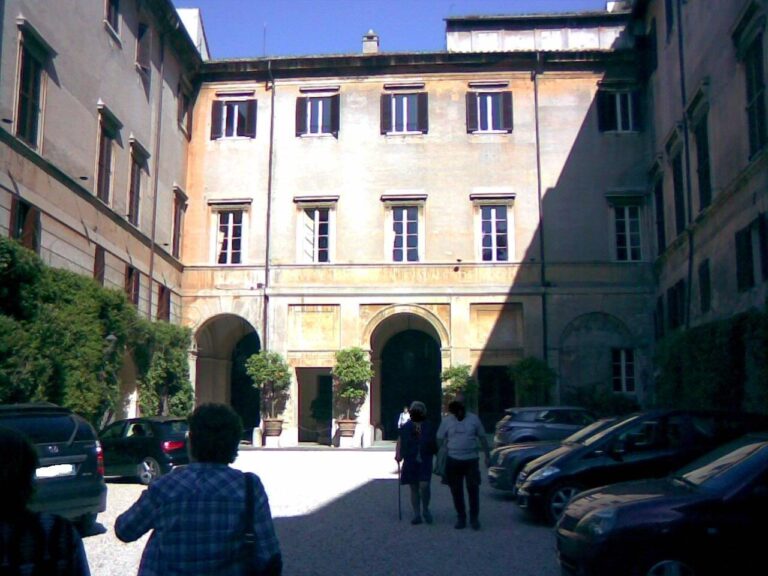
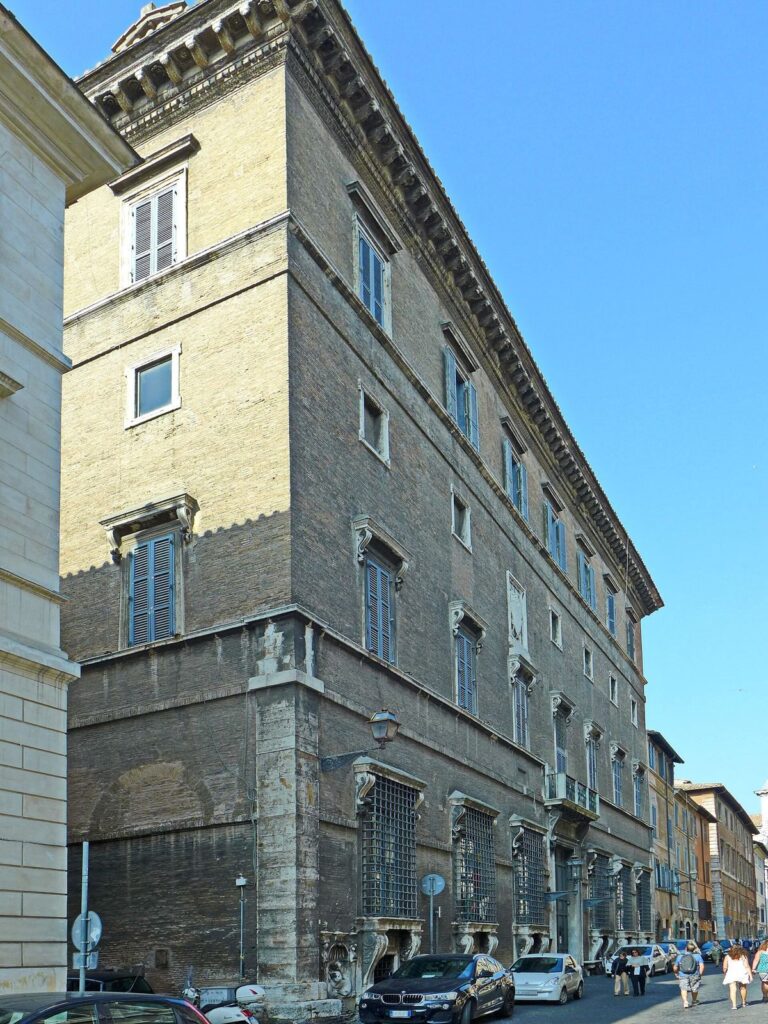
Palazzo Alberini is a Renaissance civic palace in Rome, Italy, built for Giulio of the Roman Alberini family. Construction took place from 1515 to 1519, and architect Pietro Rosselli completed the palace in 1521. The building is regarded as an example of Renaissance civic palace architecture and later became known as Palazzo Cicciaporci.
The design has been attributed to Raphael, the Renaissance painter and architect, working under the influence of fellow architect Bramante. Giorgio Vasari, an artist and biographer, instead credited Giulio Romano with the design. The ground floor is attributed to Bramante and may date to 1512.
Remains
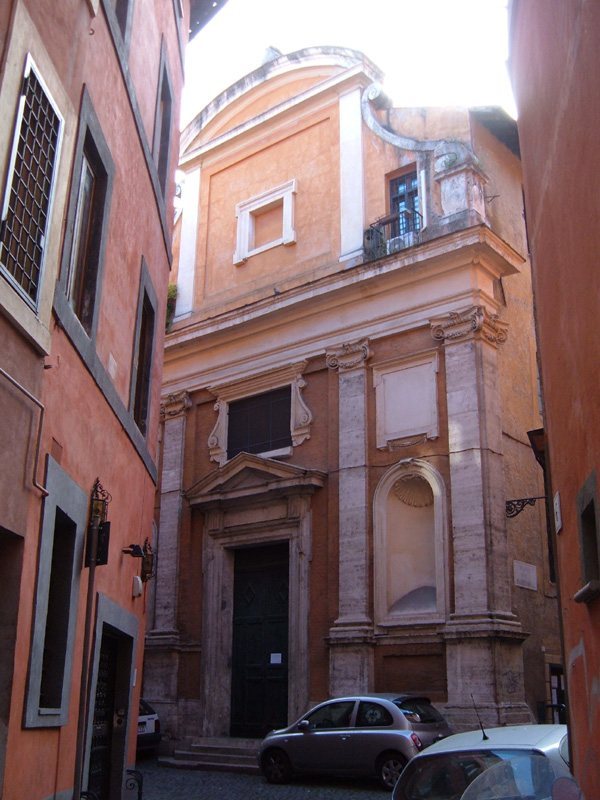
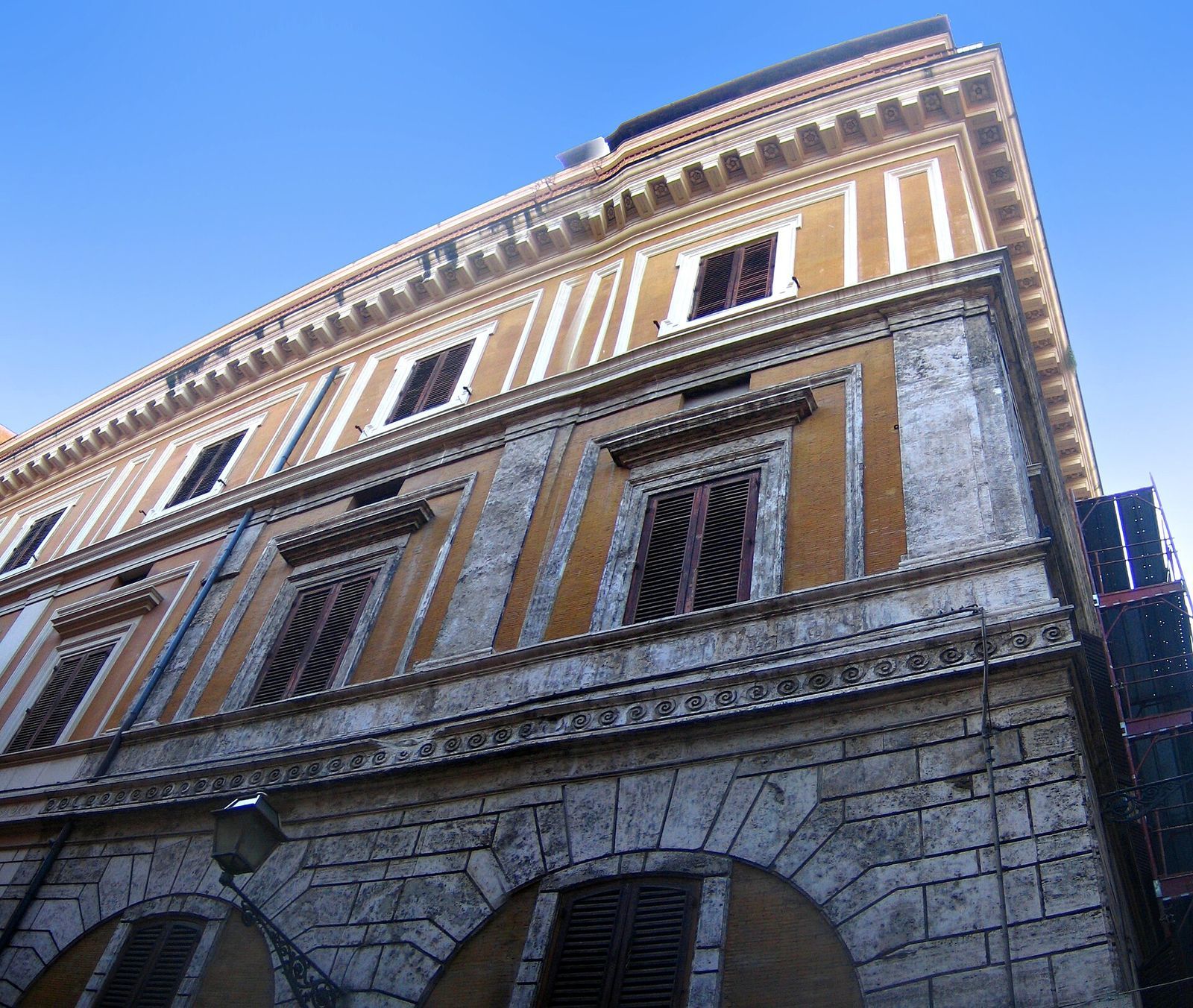
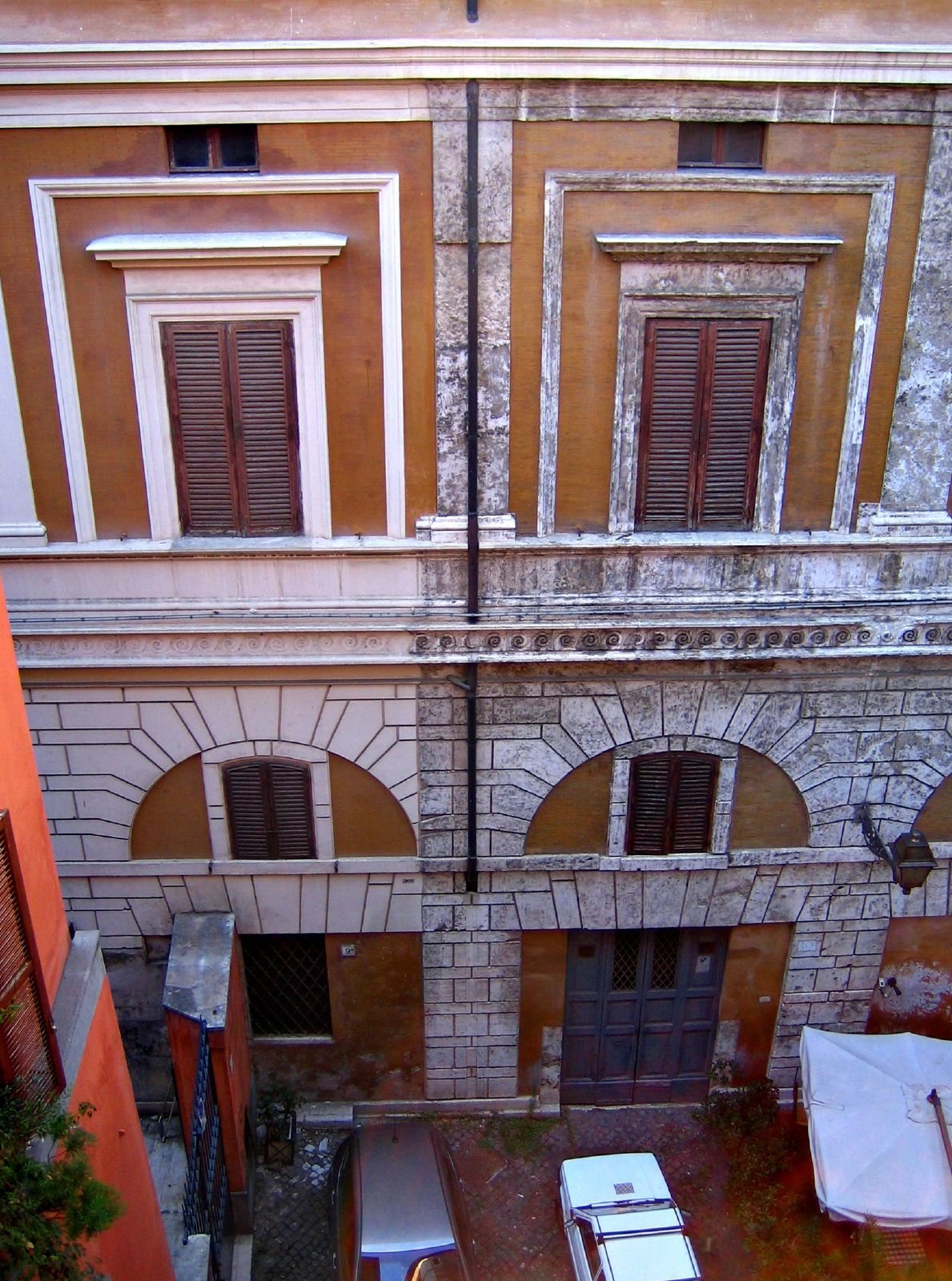
The three-storey palace draws on Florentine civic palaces and Bramante’s Palazzo Caprini. Its present facade, at Via del Banco di Santo Spirito, dates to the nineteenth century, when earlier decoration was replaced; the original facade is on the perpendicular Vicolo del Curato. The ground floor, once occupied by shops, and the mezzanine have textured masonry. A horizontal band separates these lower levels from the principal floor, which is emphasized by continuous projecting ledges, shallow column-like wall projections, and a short projecting horizontal cap. A continuous ledge forms the base for the wall projections and windows. The uppermost floor, historically used by servants, has more restrained decoration. Its rectangular window frames echo the wall projections below, and a substantial ledge supported on brackets tops the facade.