La Salina Palace: A Public Palace and Salt Monopoly Office in Spain
Site at a Glance
- Popularity
- Medium
- Country
- Spain
- Primary era
- Early Modern
- Eras represented
- Early Modern
- Civilizations
- Crown of Castile, Habsburg, Habsburg Spain, Spanish
- Site type
- Civic
- Remains
- Palace
On this page4 sections
History
La Salina Palace is a public palace in Spain, commissioned in 1538 by Rodrigo de Messía Carrillo and combining Plateresque, an ornate Spanish Renaissance style, with Italian elements. It was intended for public rather than residential use.
Commission and family inheritance
Rodrigo, also known as Rodrigo de Mejía and Rodrigo de Fonseca, and his wife, Mayor de Fonseca y Toledo, were lords of La Guardia. The palace is also called the Palace of Don Rodrigo de Messía and the Palace of Fonseca.
On 17 August 1549, the couple’s eldest son, Gonzalo Messía Carrillo, inherited most of the family’s property. Mayor intended to leave her second son, Juan Alonso de Fonseca, some of the property she had brought to the marriage, including the palace. Juan Alonso may have adopted his mother’s family name for this reason.
Public use and later history
The palace housed the city’s salt monopoly office until 1870, giving rise to the name La Salina. Juan Alonso de Fonseca held the monopoly. In 1881 the Salamanca Provincial Council, a provincial-level governing institution, bought the building and has been based there since 1884. Spain designated it an Asset of Cultural Interest, a formal heritage-protection status, on 3 June 1931.
A legend links the palace to Archbishop Alonso de Fonseca, the senior Christian leader of Santiago de Compostela. It claims that he came to Salamanca for a diocesan council, a church assembly, with his Galician mistress Juana Pimentel, nicknamed “La Salina.” After prominent local families refused to host them, he supposedly commissioned a palace whose interior decoration portrayed Salamanca’s leading nobles as monsters. The story conflicts with the chronology: Alonso died in 1534, four years before construction, and Juan Alonso de Fonseca was the palace’s owner. Similarity between their names is said to have helped give rise to the tale.
Remains
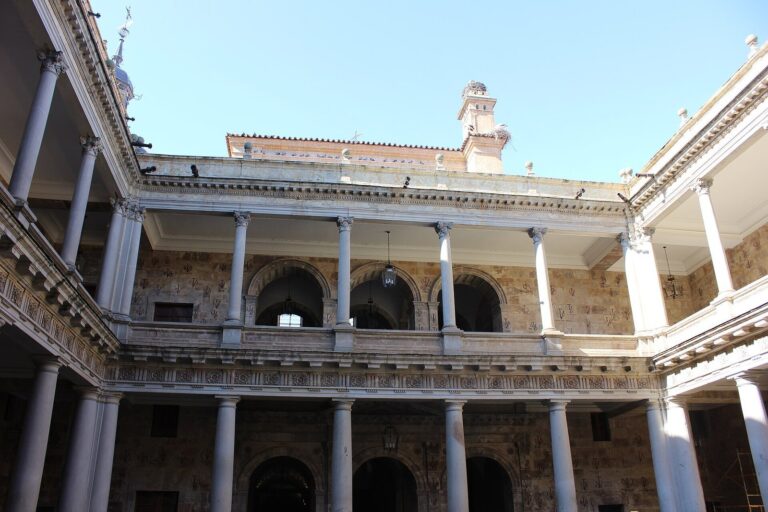
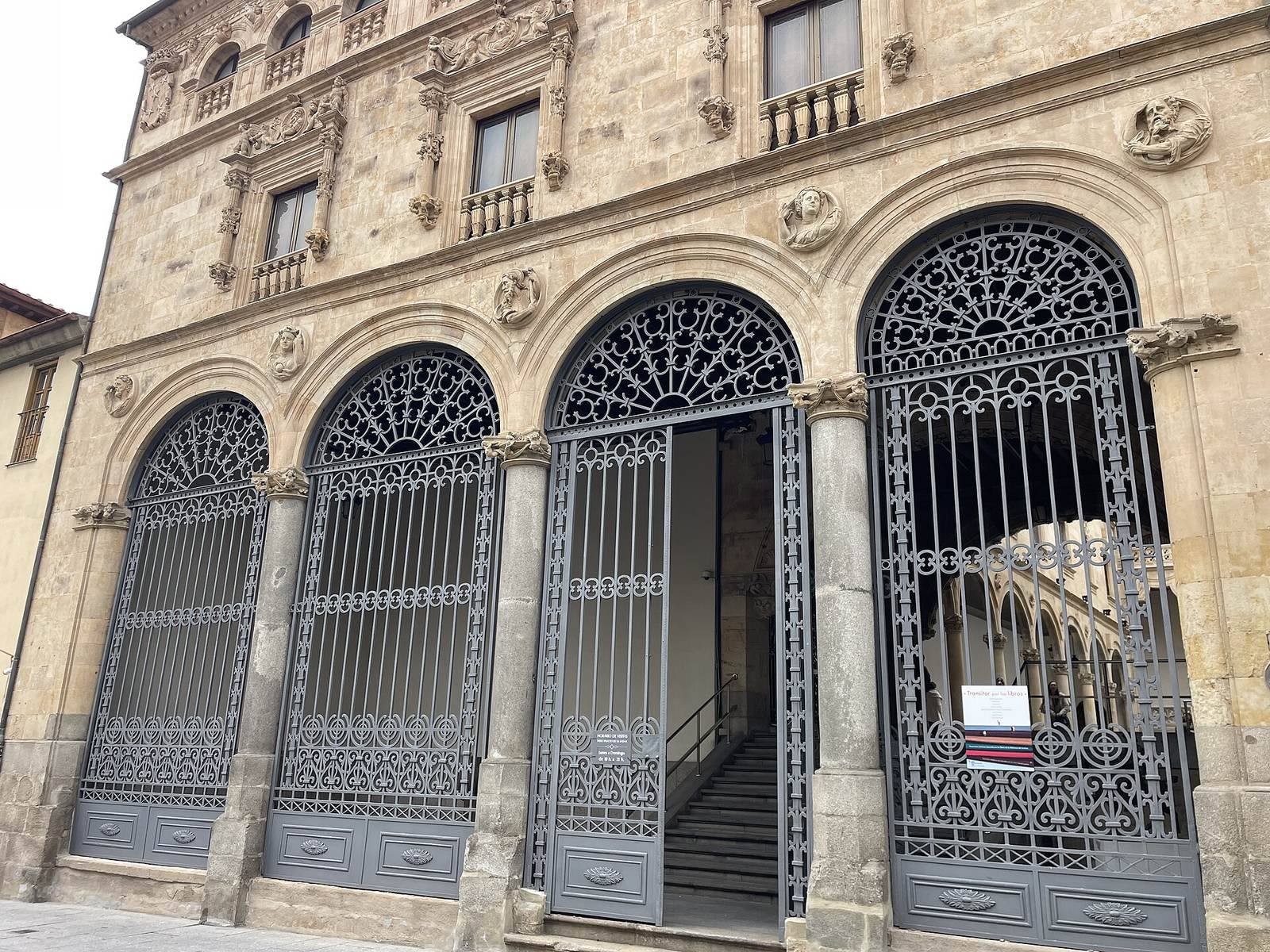
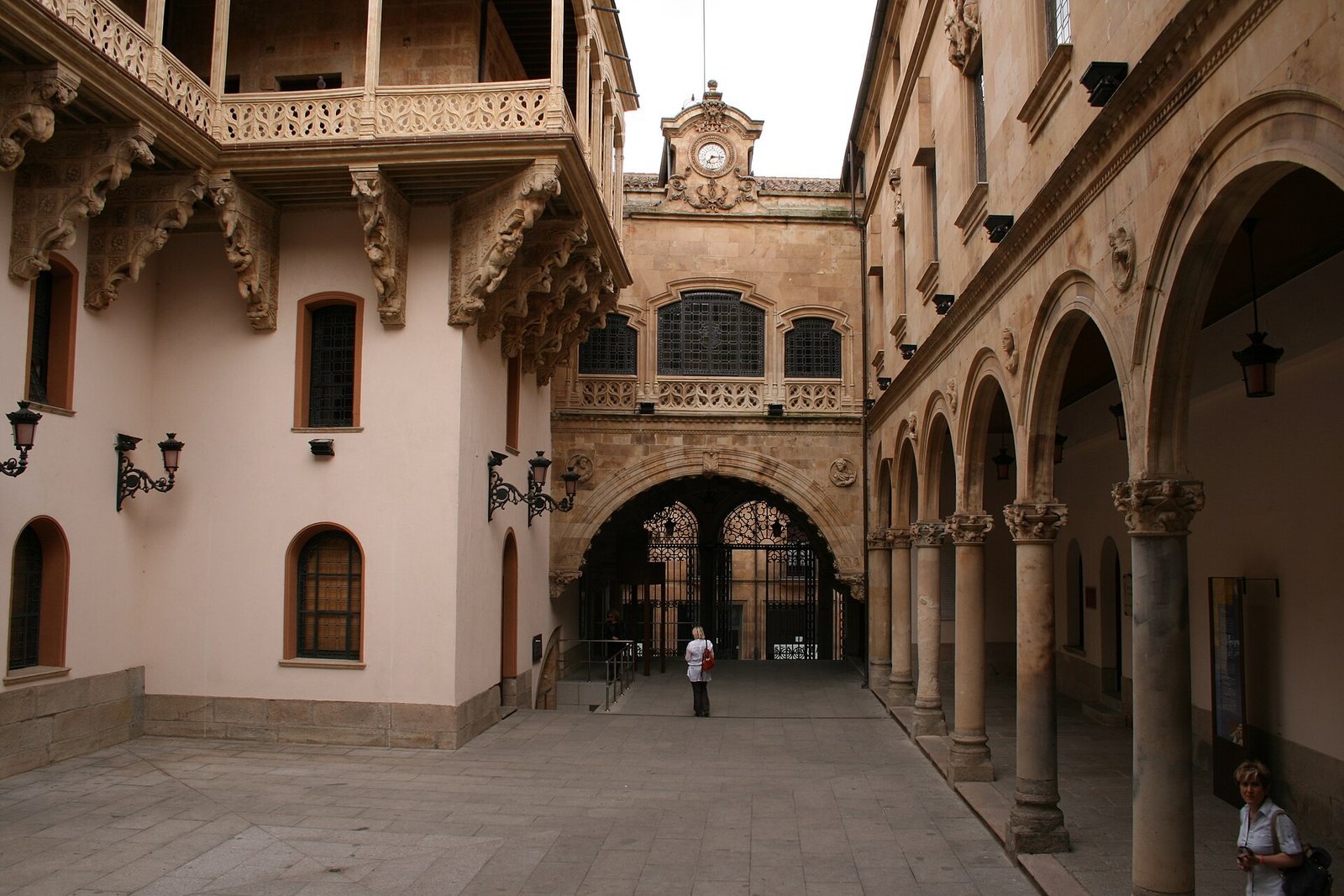
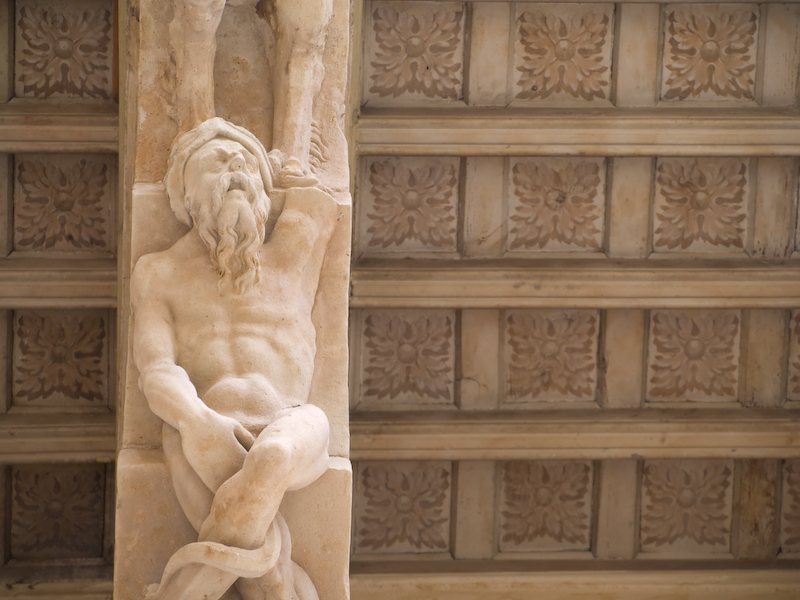
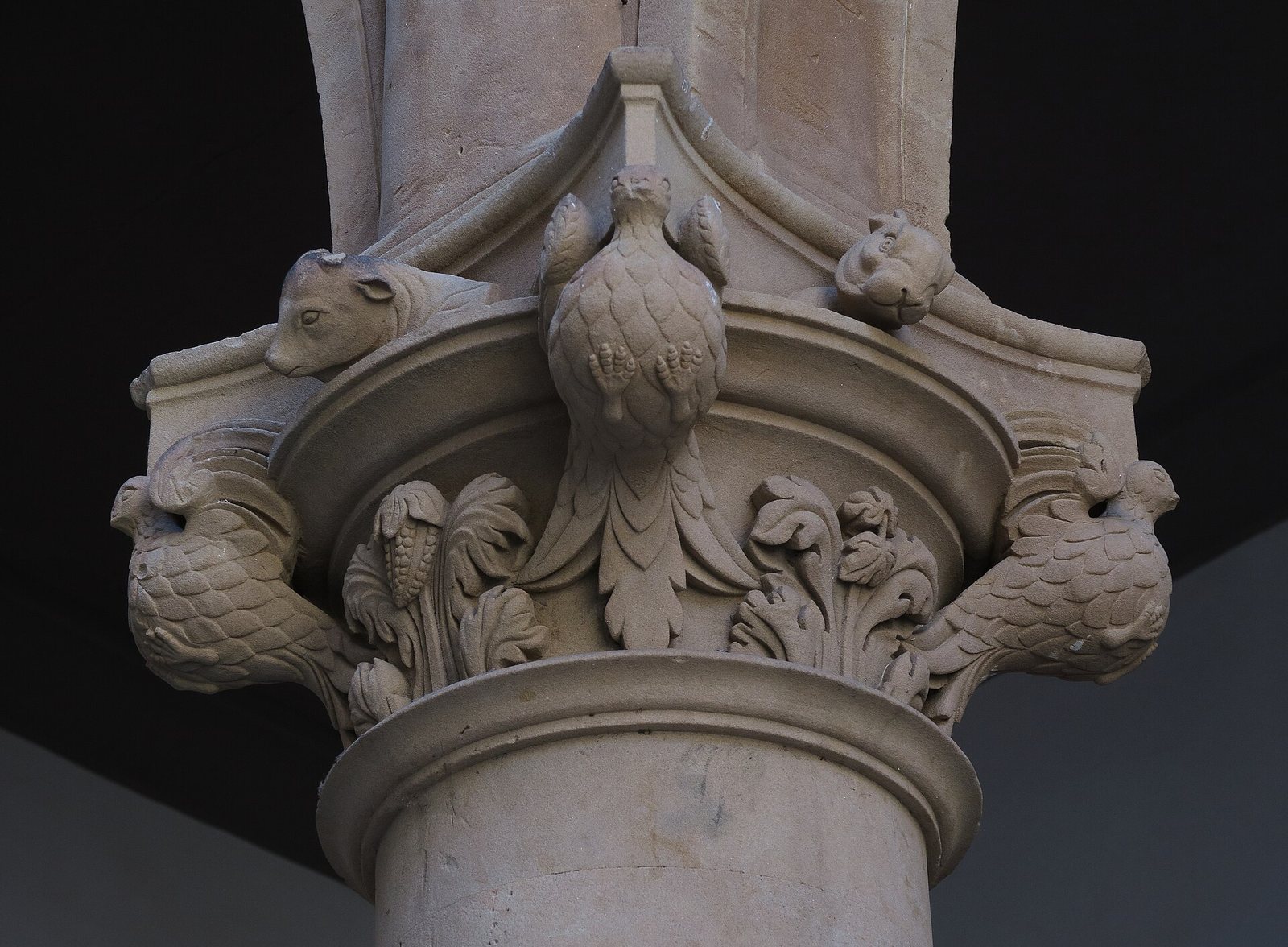
The palace’s layout is open to the street and includes a courtyard. Its facade bears the Fonseca coat of arms and elaborately worked balconies. Arches, capitals and corbels are among the courtyard’s architectural features.