Batthyány-Strattmann Palace: A Historic Palace Complex in Vienna
Site at a Glance
- Popularity
- Medium
- Country
- Austria
- Primary era
- Early Modern
- Eras represented
- Early Modern
- Civilizations
- Habsburg, Habsburg Austria, Holy Roman Empire
- Site type
- Domestic
- Remains
- Elite Residence
On this page7 sections
History
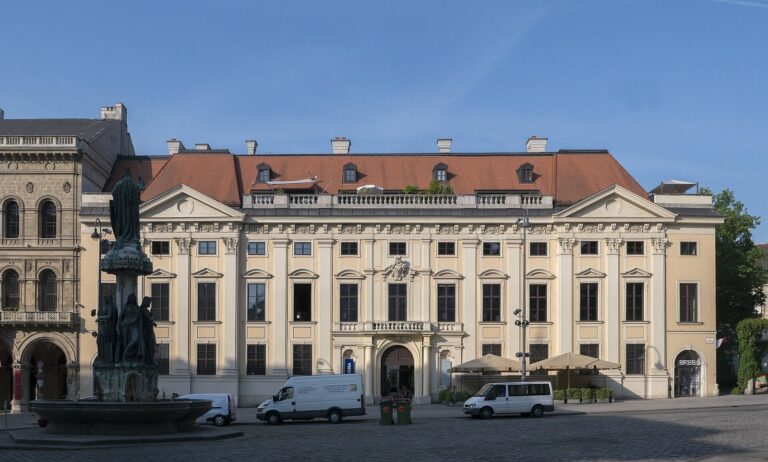
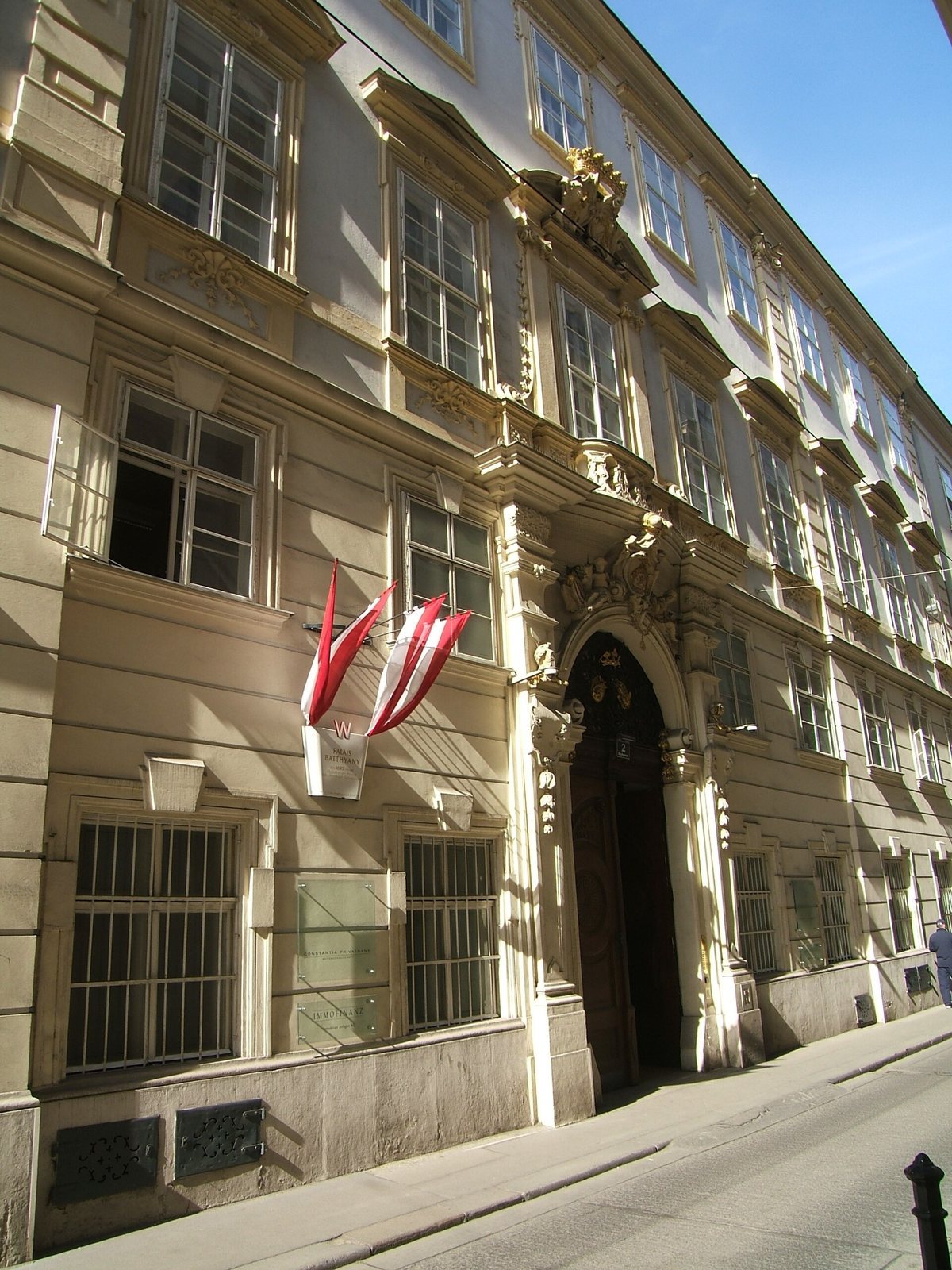
The Batthyány-Strattmann Palace stands at the corner of Herrengasse 19 and Bankgasse 2 in Vienna, Austria. The complex was assembled in 1716 from the Orsini-Rosenberg Palace on Herrengasse and two houses on Bankgasse. Eleonore Batthyány-Strattmann acquired it in 1718 and commissioned Christian Alexander Oedtl to remodel the central building and unify the façade.
Eleonore Batthyány-Strattmann and Prince Eugene
Known as “the beautiful Lori,” Eleonore was an aristocratic member of the Batthyány family and a friend of Prince Eugene, a prominent Habsburg military commander and statesman. At their evening gatherings, they played whist, a trick-taking card game. Eugene’s palace on Himmelpfortgasse was nearby.
Hotel Klomser and later uses
In the second half of the nineteenth century, Hotel Klomser occupied the Herrengasse 19 part of the complex. The hotel became notorious after Colonel Alfred Redl, an Austro-Hungarian officer whose espionage for Russia had been exposed, died by suicide in 1913.
The palace briefly returned to the Batthyány family in 1911, then was sold to the Lower Austrian Fire Insurance Company in 1924. Adaptations after the sale destroyed the state rooms. Constantia Privatbank AG acquired the complex in 1988. The newspaper Der Standard had its editorial offices in the former Orsini-Rosenberg Palace section until 2012. Following a general renovation, the complex was converted into rental apartments, with commercial premises on the ground floor.
Remains
Street façades and entrances
At the corner site, the complex has façades on both streets. Each has a deeply grooved base and decorated windows on the principal floor, while the entrances and upper-level ornament differ between the two sides.
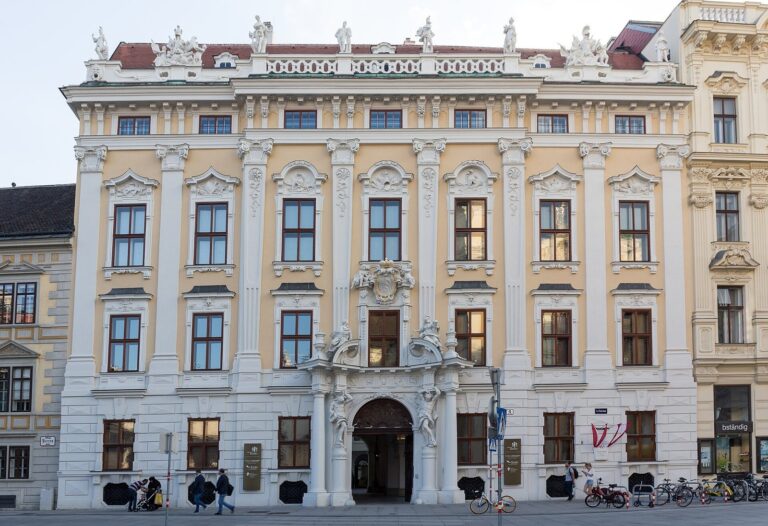
Herrengasse façade
The principal-floor windows have decorated parapets, the panels beneath the openings, and triangular or straight pediments, the decorative crowns above them. The round-arched entrance, dating to around 1718, is attributed to Johann Bernhard Fischer von Erlach, a major Austrian Baroque architect. An iron balcony is fitted within the arch. Serpents emerge from vases on the entrance’s pedestals, and the flanking pilasters, flat wall-mounted supports, carry war-trophy decoration. Above the balcony door, the Batthyány princely arms sit in front of a segmental pediment.
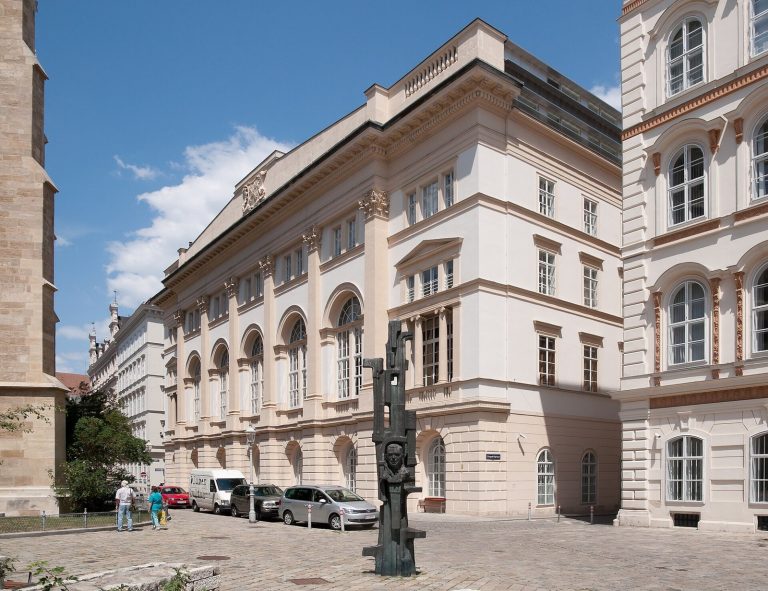
Bankgasse façade
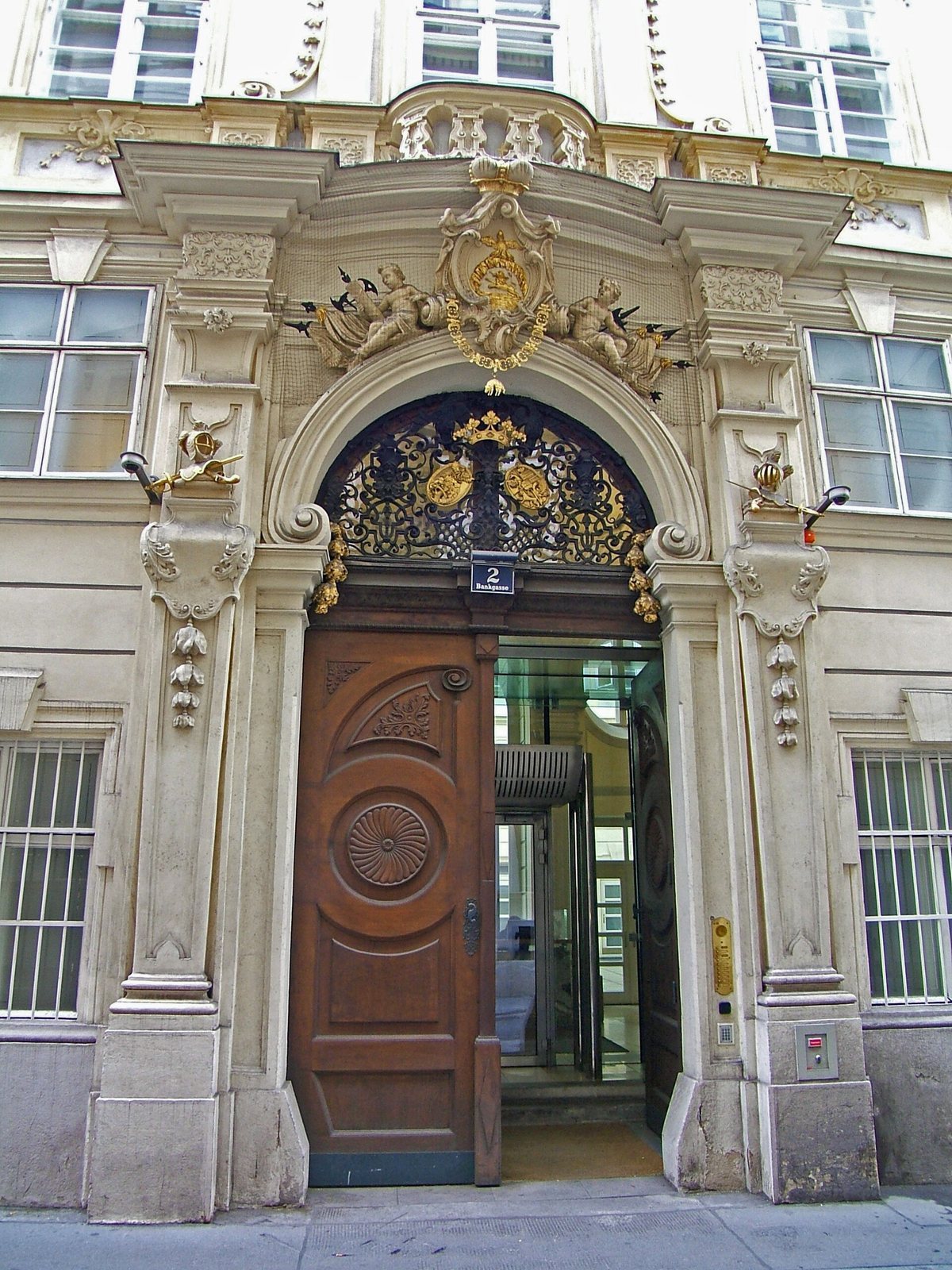
The deeply grooved base continues along Bankgasse. Its principal-floor windows alternate between triangular and segmental pediments, and their parapets bear plant ornaments. The round-arched entrance has an iron grille in the arch. Above it, a framed ornament displays a crowned coat of arms and the Order of the Golden Fleece, a historic order of chivalry, with putti, decorative child figures, at the sides. A massive entablature, a horizontal architectural band, is supported by two pilasters and makes the stone balcony appear set back.