Castle Ehrenstein: A Medieval Hill Castle in Germany
Site at a Glance
- Popularity
- Medium
- Country
- Germany
- Primary era
- Medieval
- Eras represented
- Medieval
- Civilizations
- Holy Roman Empire
- Site type
- Military
- Remains
- Castle
On this page8 sections
History
Foundation and lordship
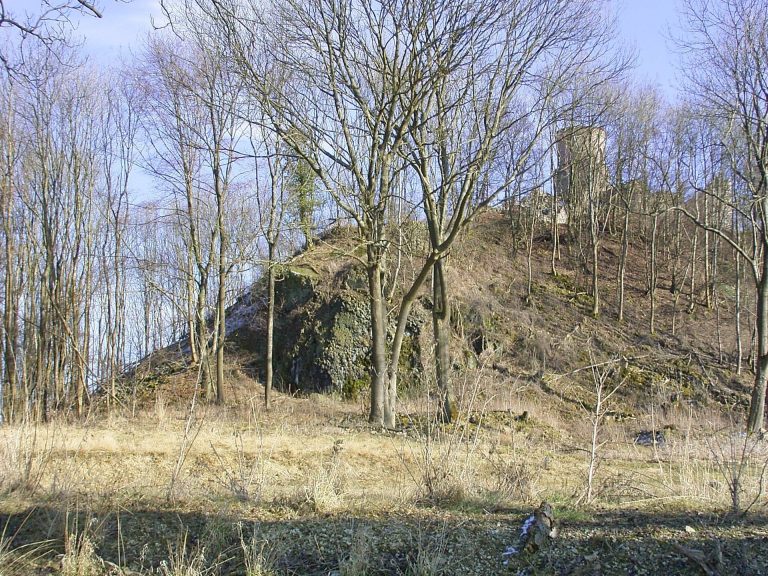
Castle Ehrenstein is a medieval hill castle in Ehrenstein, part of Asbach in Germany’s Neuwied district. It dates to around 1331, when it was first recorded as the property of Rorich von Uetgenbach, a medieval nobleman who later called himself lord of Ehrenstein.
The castle later passed to the Lords of Nesselrode, a German noble family, who held it until relinquishing ownership in 1993. After it was removed from the land register, the ruin was regarded as ownerless.
Destruction and restoration
Swedish troops destroyed Castle Ehrenstein during the Thirty Years’ War, the major European conflict fought from 1618 to 1648. The castle was not rebuilt after its destruction.
Vegetation was cleared from the ruin in 2006. Stabilization and rebuilding work began the following year.
Remains
Layout and surviving fabric
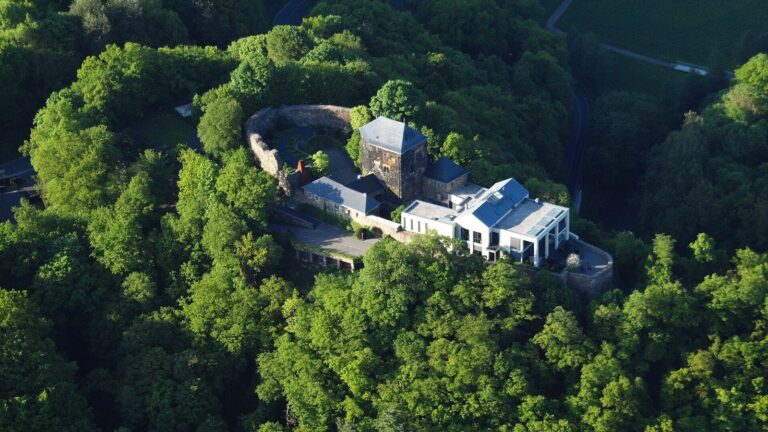
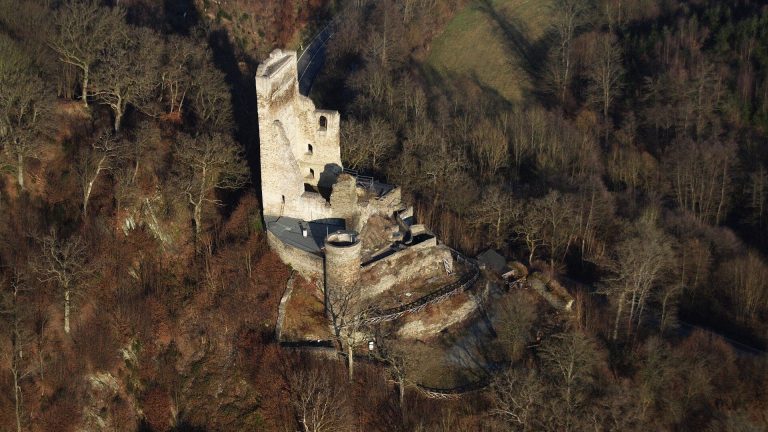
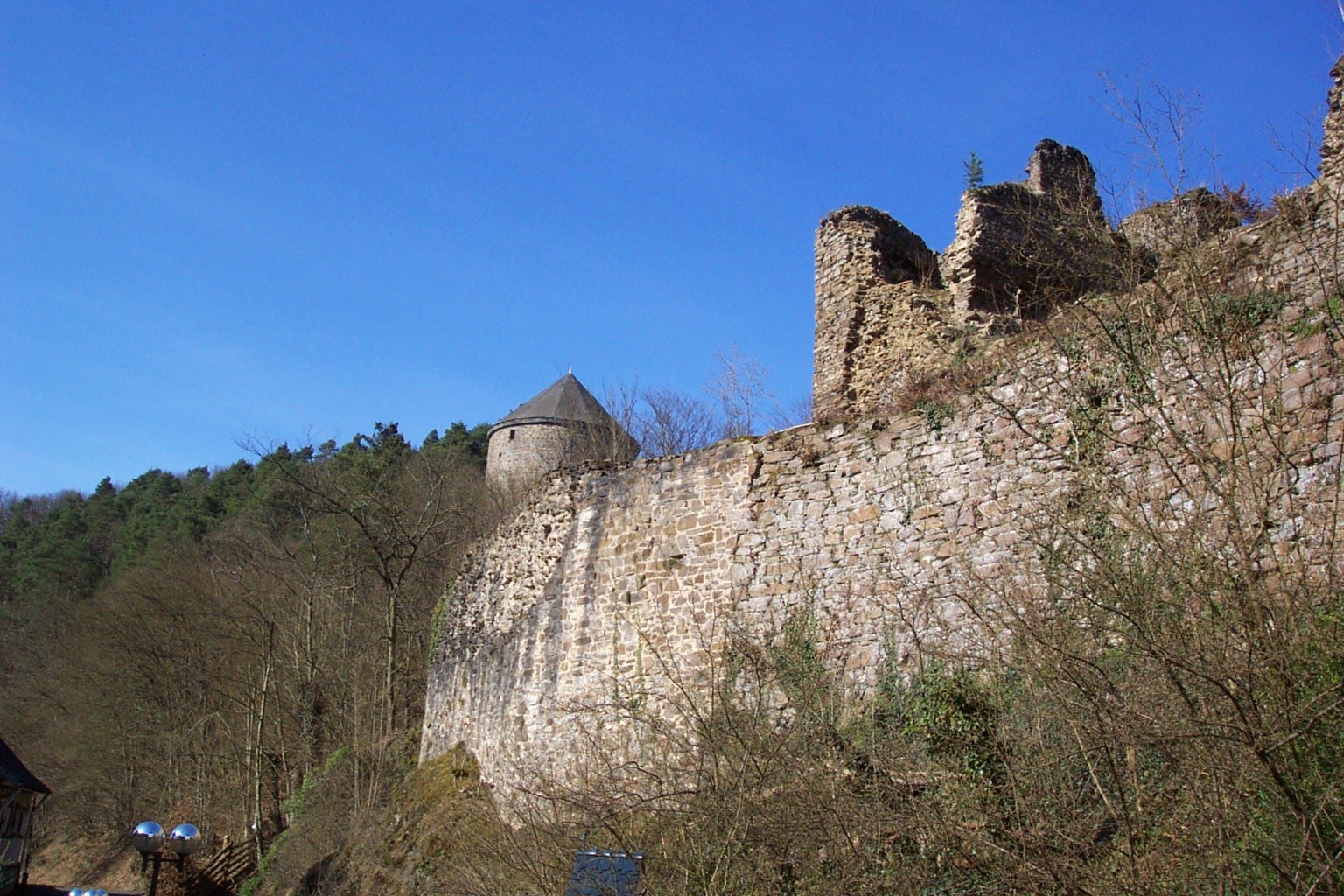
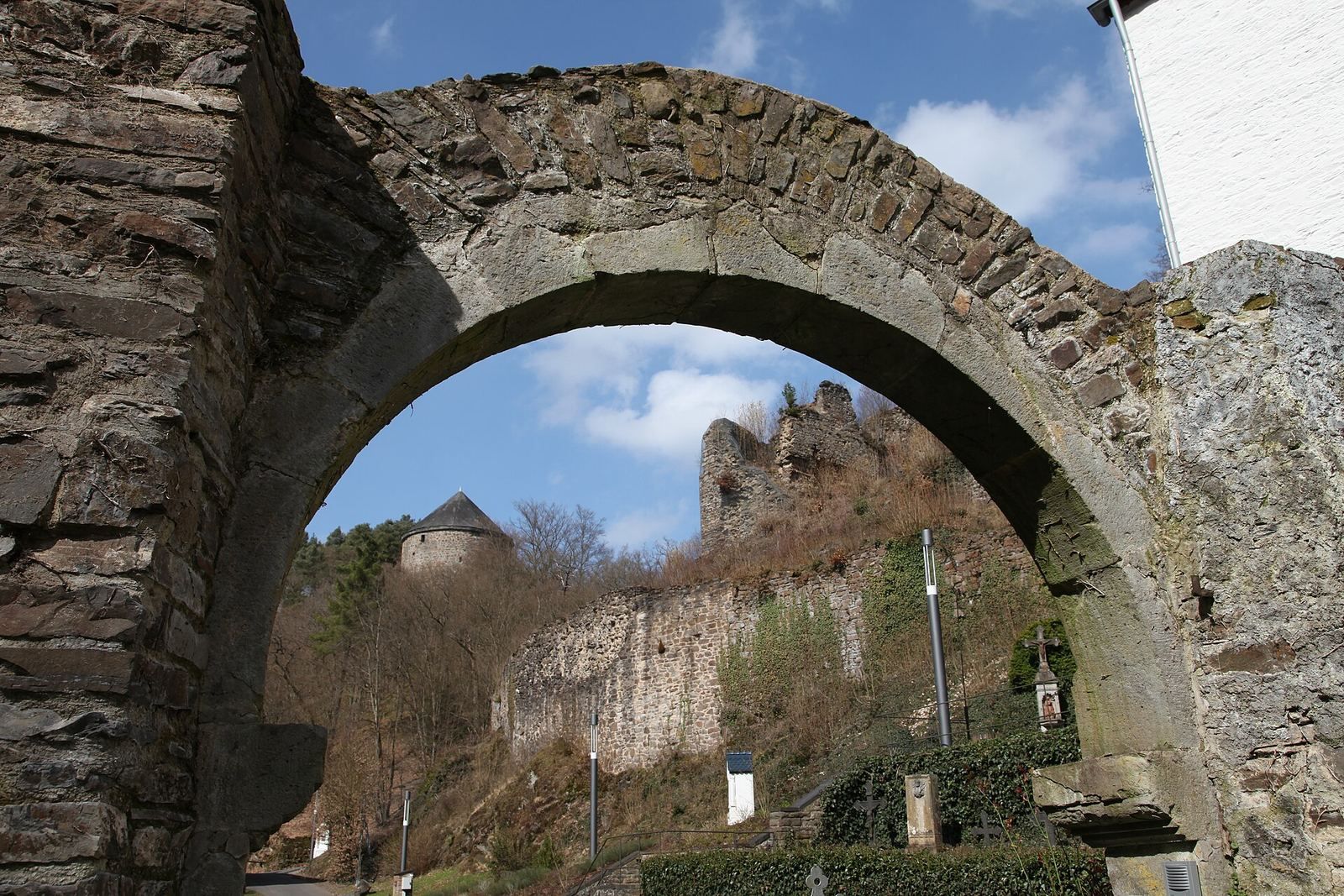
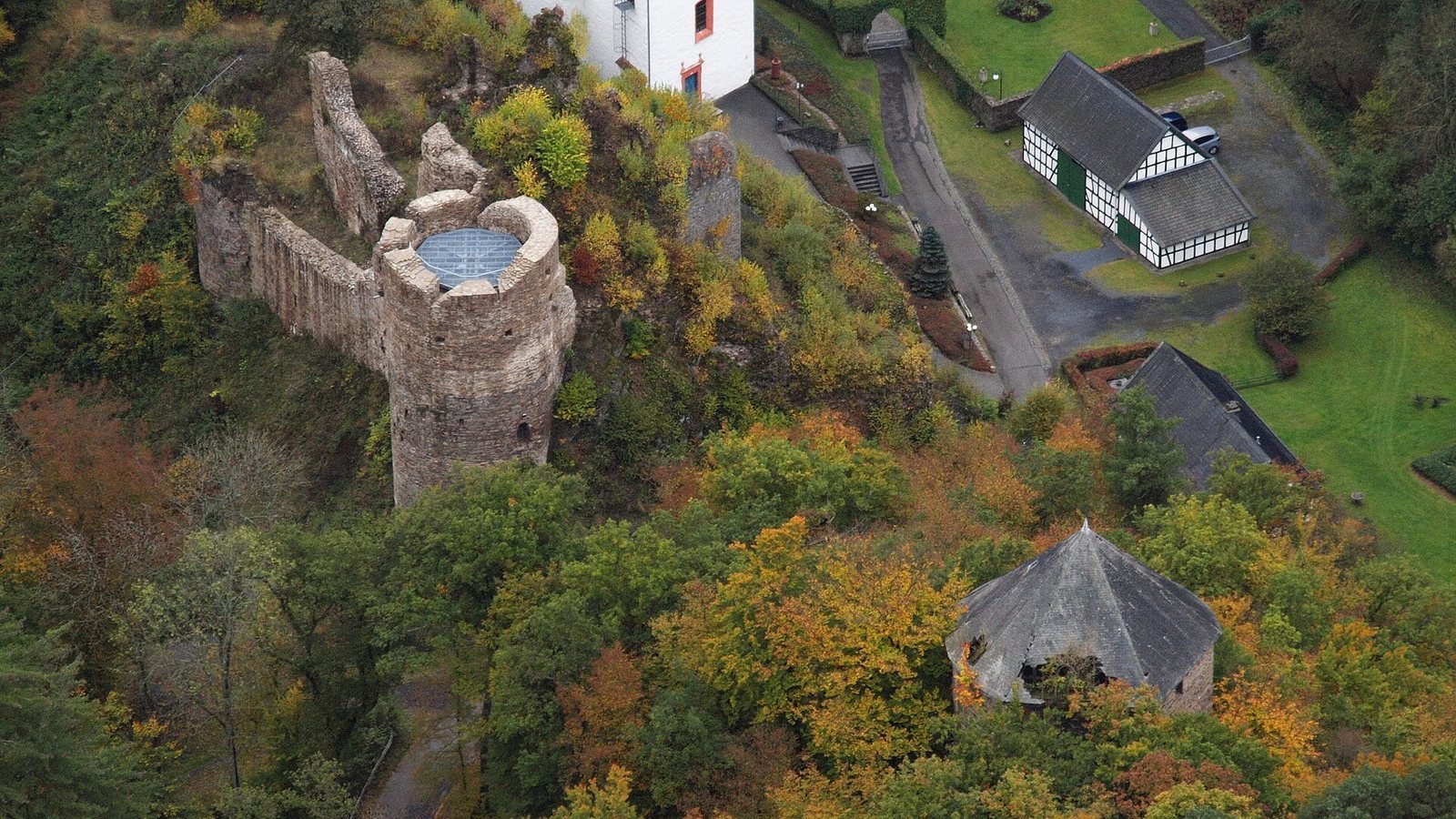
The small castle occupies a slope about 170 metres above sea level and 25 metres above the Mehrbach, beside Ehrenstein Monastery in the valley. The stream meets the Wied a few hundred metres farther on. Built from irregular stone rubble, the castle includes a central residential tower and defensive towers and walls; its advanced artillery tower rises above the monastery.
Artillery and flanking towers
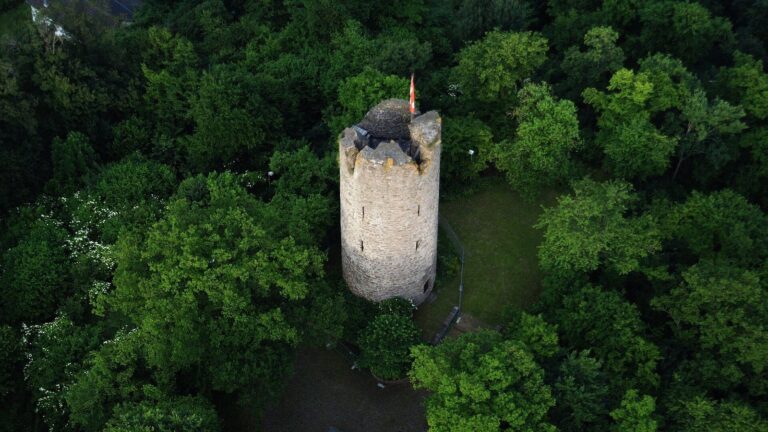
The advanced artillery tower, a defensive tower designed for artillery, and a round flanking tower, which projects from a wall to help defend it, both survived to their full height at the end of 2006.
Residential tower
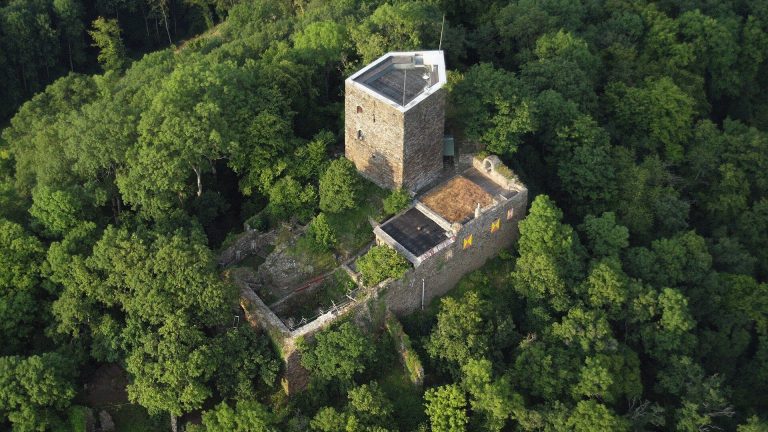
The central residential tower is pentagonal and combines living quarters with a tower structure. Substantial remains survive on its reinforced side facing attack, while parts of the less strongly built side walls have collapsed to foundation level.
Curtain wall and gatehouse
The northeastern curtain wall, a defensive perimeter wall, was fully restored by 2010. The gatehouse facing the monastery is only faintly discernible.