Palazzo Caravita di Sirignano: A Historic Palace in Naples
Site at a Glance
- Popularity
- Medium
- Country
- Italy
- Primary era
- Early Modern
- Eras represented
- Early Modern, Modern
- Civilizations
- Habsburg, Habsburg Spain, Italian, Kingdom of Naples, Spanish
- Site type
- Domestic
- Remains
- Elite Residence
On this page9 sections
History
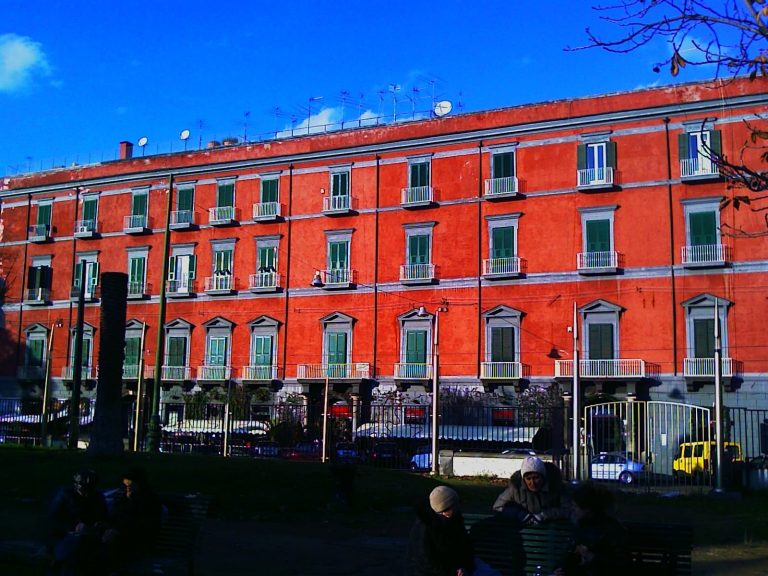
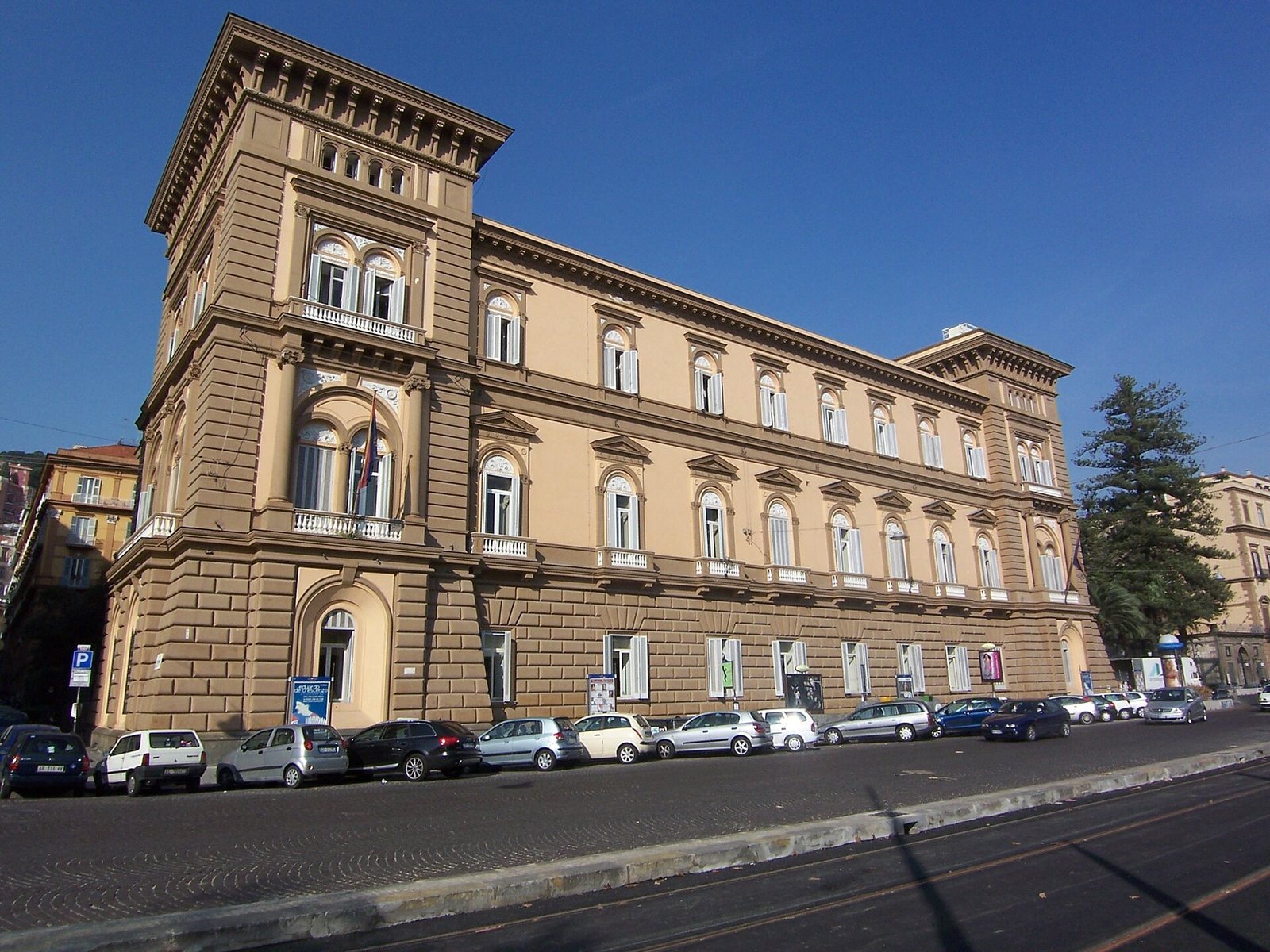
Palazzo Caravita di Sirignano is a historic palace on the Riviera di Chiaia in Naples, Italy. Hernando de Alarcón, a Spanish general serving Charles V, had it built in the sixteenth century. Charles V was a Habsburg ruler who held the crowns of Spain and the Holy Roman Empire. The palace was the first building erected along the Riviera di Chiaia.
Sixteenth- and seventeenth-century origins
De Alarcón, Marquis of Valle Siciliana, had amassed wealth and honors. He was reputed to have been the lover of Joanna of Aragon, a queen consort of Naples from the Aragonese royal house. The palace was completed in the seventeenth century, when its rooms were embellished. Through the marriage of Beatrice de Alarcón y Mendoza, Marchioness of Valle Siciliana, to Giuseppe Caracciolo, Prince of Torella, the property passed to the Caracciolo di Torella family. It belonged to that family by the early eighteenth century.
Nineteenth-century transformation
Architect Antonio Annito carried out a complete renovation in 1815. Prince Leopoldo of the Two Sicilies, Count of Syracuse, acquired the palace in 1838 and commissioned architect Fausto Niccolini to modernize it as a meeting place for Neapolitan aristocrats with liberal or progressive views. The prince also used it for plays and other performances.
After 1860, Baron Luigi Compagna acquired the palace and made it his family home until about 1885. His son, Senator Francesco Compagna, then sold it to Prince Giuseppe Caravita di Sirignano. Caravita commissioned further remodeling and interior redecoration, while the estate’s park was divided for large apartment buildings and the palace itself was split into apartments.
Cultural and later uses
In 1889, the palace housed the Neapolitan Society of Artists and the Giuseppe Caravita, Prince of Sirignano, Museum. It also served as a residence for Placido de Sangro, Count of Marzi, and Duke Nicola, a nephew of Cardinal Sisto Riario Sforza. From 1937, the building was the headquarters of the Tirrenia shipping company. Neapolitan entrepreneur Nunzio Colella acquired it in 2017; by 2018, it belonged to the Italian fashion group Capri.
Remains
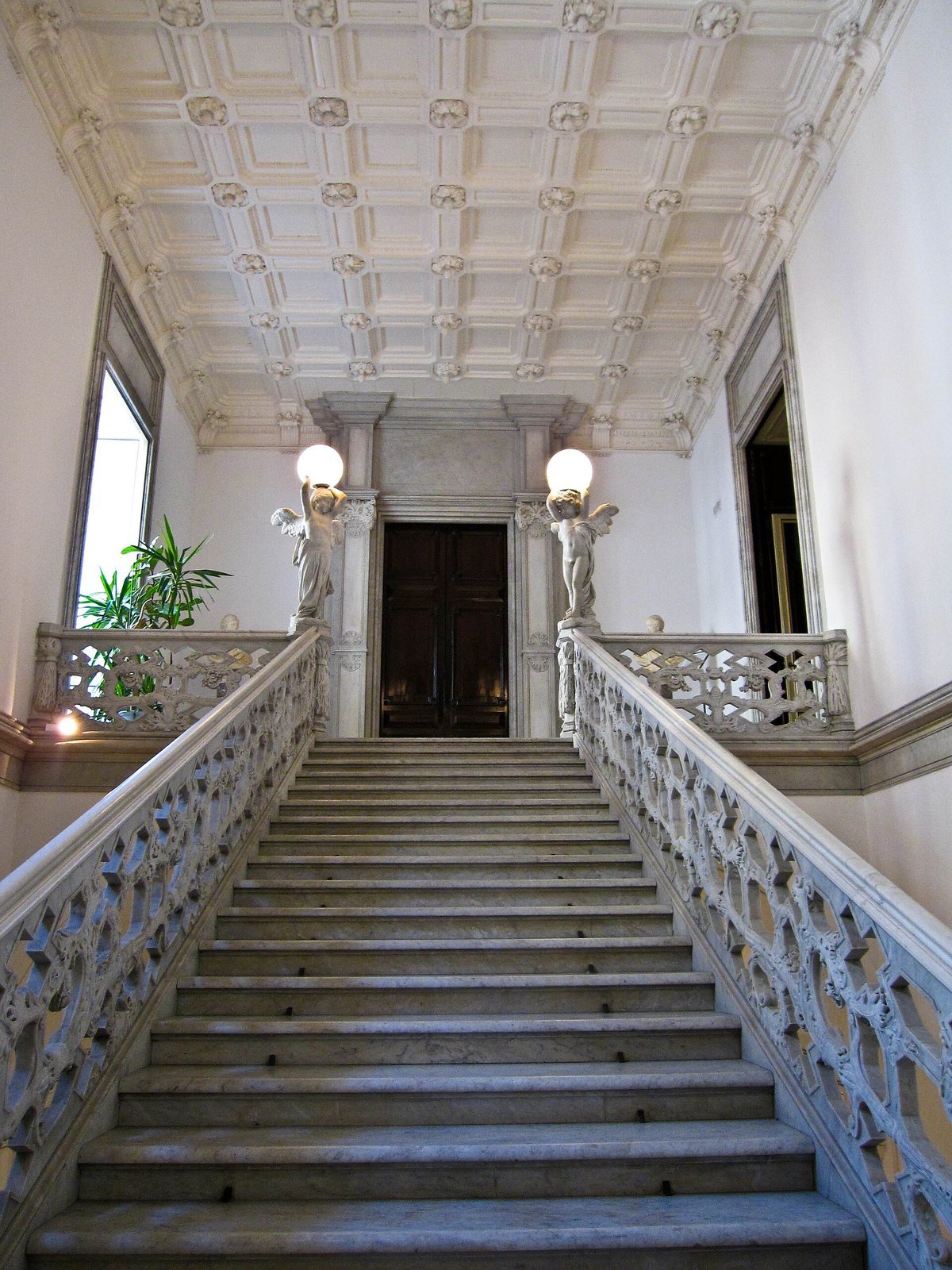
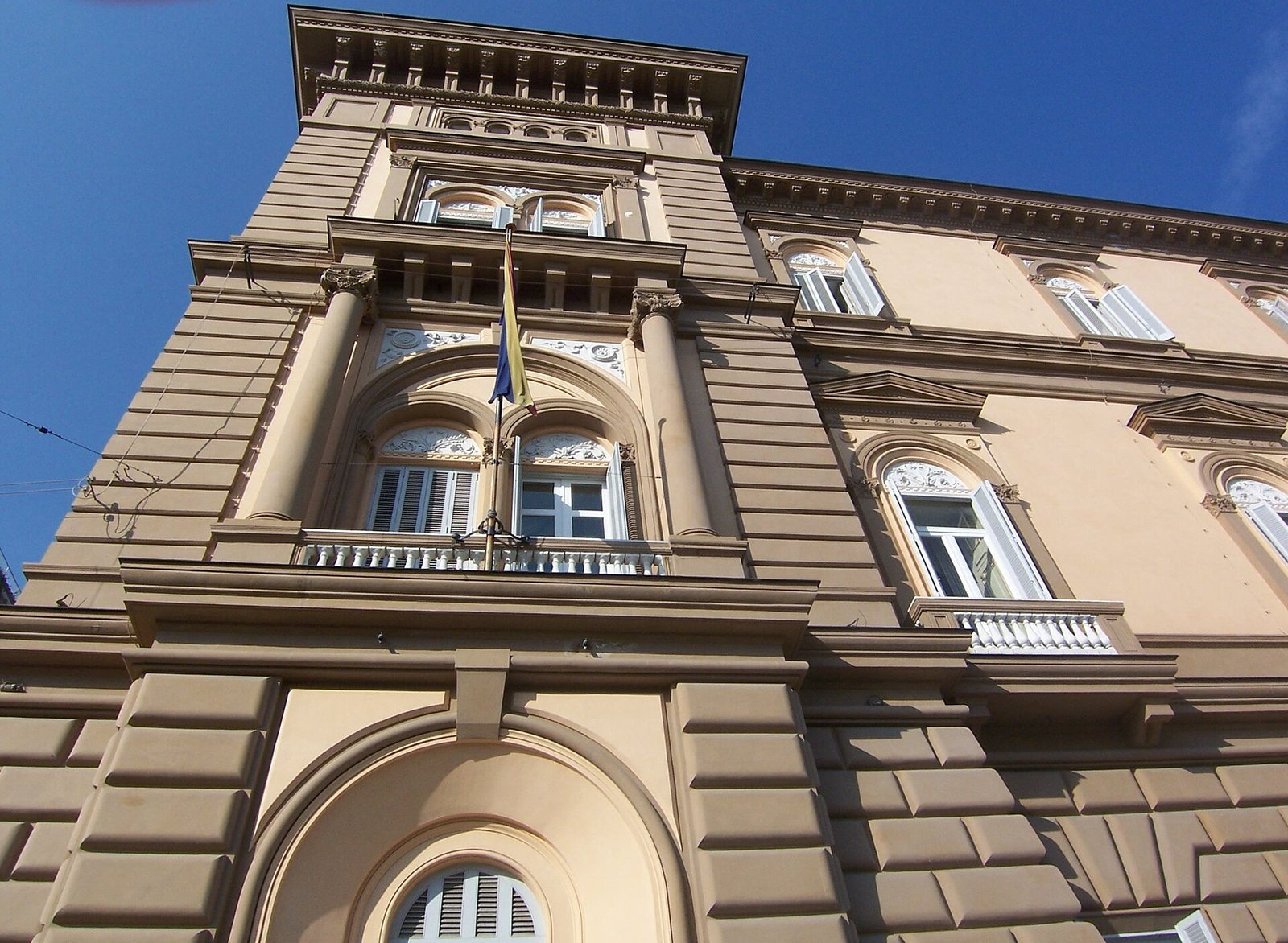
The palace’s layout includes lookout towers at its eastern corners, while the estate once extended across a park of about 14,000 square meters. Its interiors include a formal staircase and decorated rooms. The surviving physical details reflect the building’s successive phases of alteration and use.
Exterior and former grounds
Lookout towers
The oldest part of the palace is a lookout tower at the eastern corner, dating to its sixteenth-century phase. Remodeling under Giuseppe Caravita added a second tower, positioned symmetrically to the older one and distinguished by sloping sides.
Park and theater
The former estate included a park of about 14,000 square meters, within which stood a small theater. Plays and other performances took place there during Leopoldo’s use of the palace as a gathering place.
Interiors
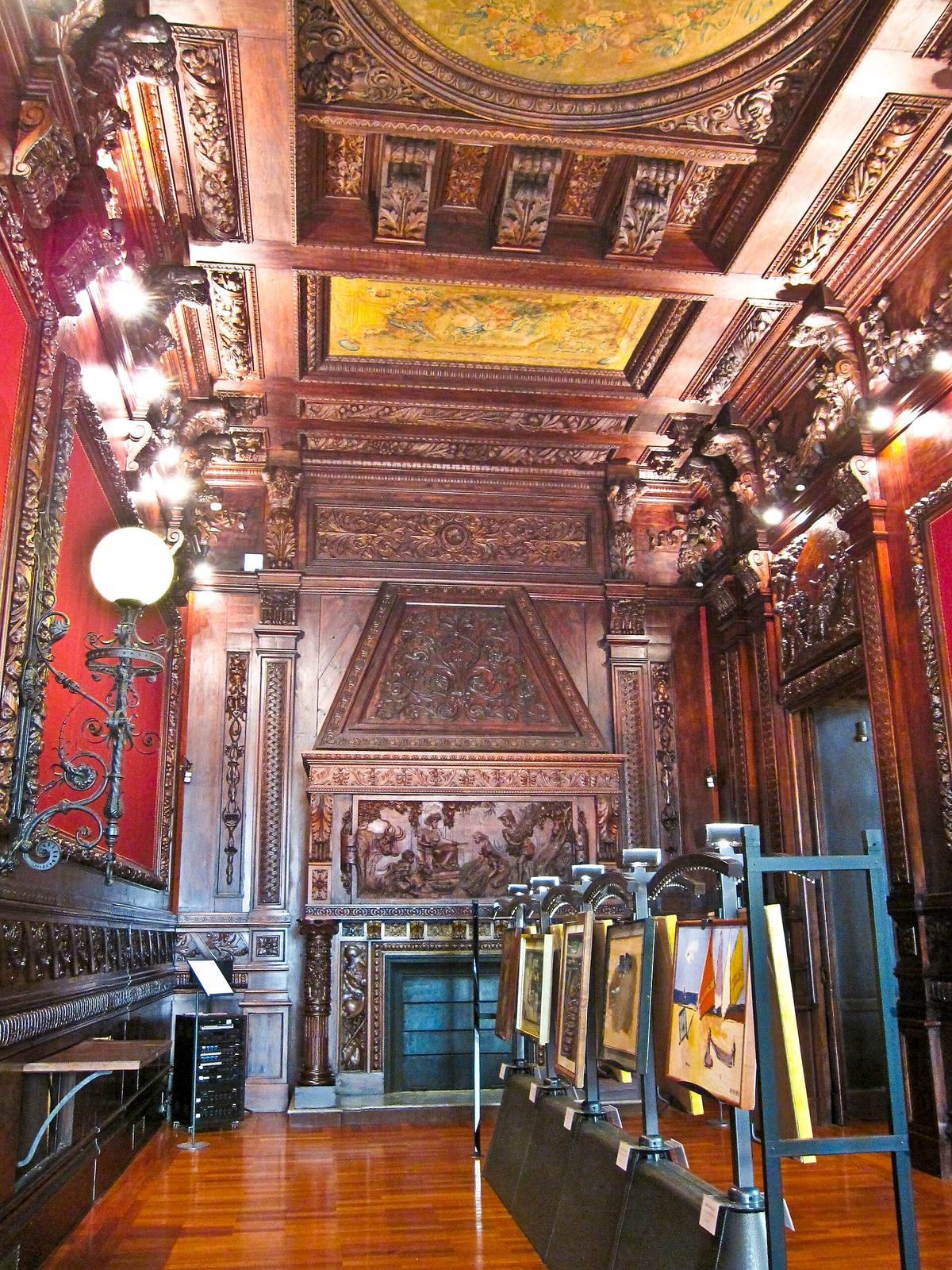
Artists of the period, including Ignazio Perricci and the brothers Francesco and Vincenzo Jerace, contributed to the palace’s interior decoration. A formal staircase and a decorated ceiling in one of the halls are among its noted interior features. Tapestries from the House of Doria, a prominent Genoese noble family, depicted the Four Seasons in Duke Nicola’s salons.