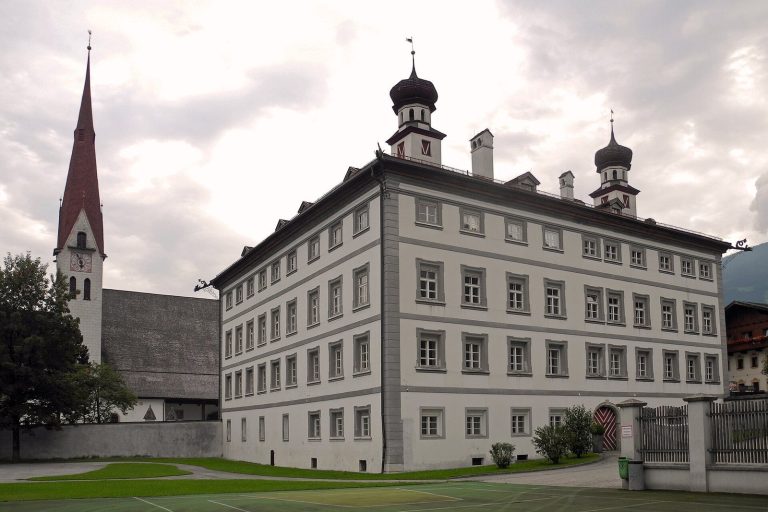
Schloss Neumatzen: A Historicist Residence in Tyrol
Site at a Glance
- Popularity
- Medium
- Country
- Austria
- Primary era
- Modern
- Eras represented
- Modern
- Civilizations
- Austria-Hungary, Habsburg
- Site type
- Domestic
- Remains
- Elite Residence
On this page5 sections
History
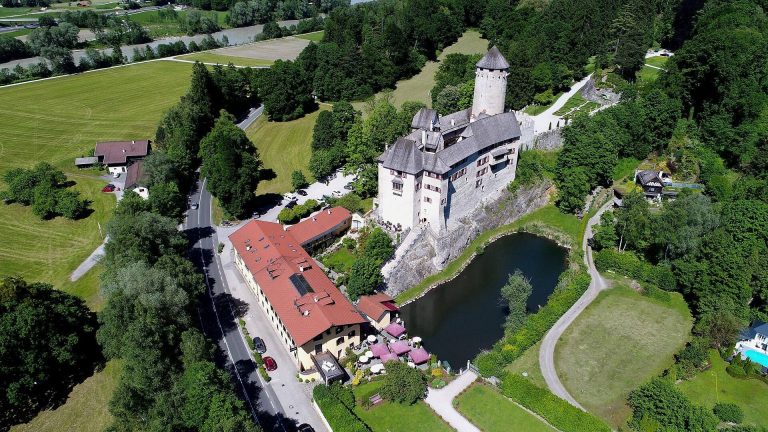
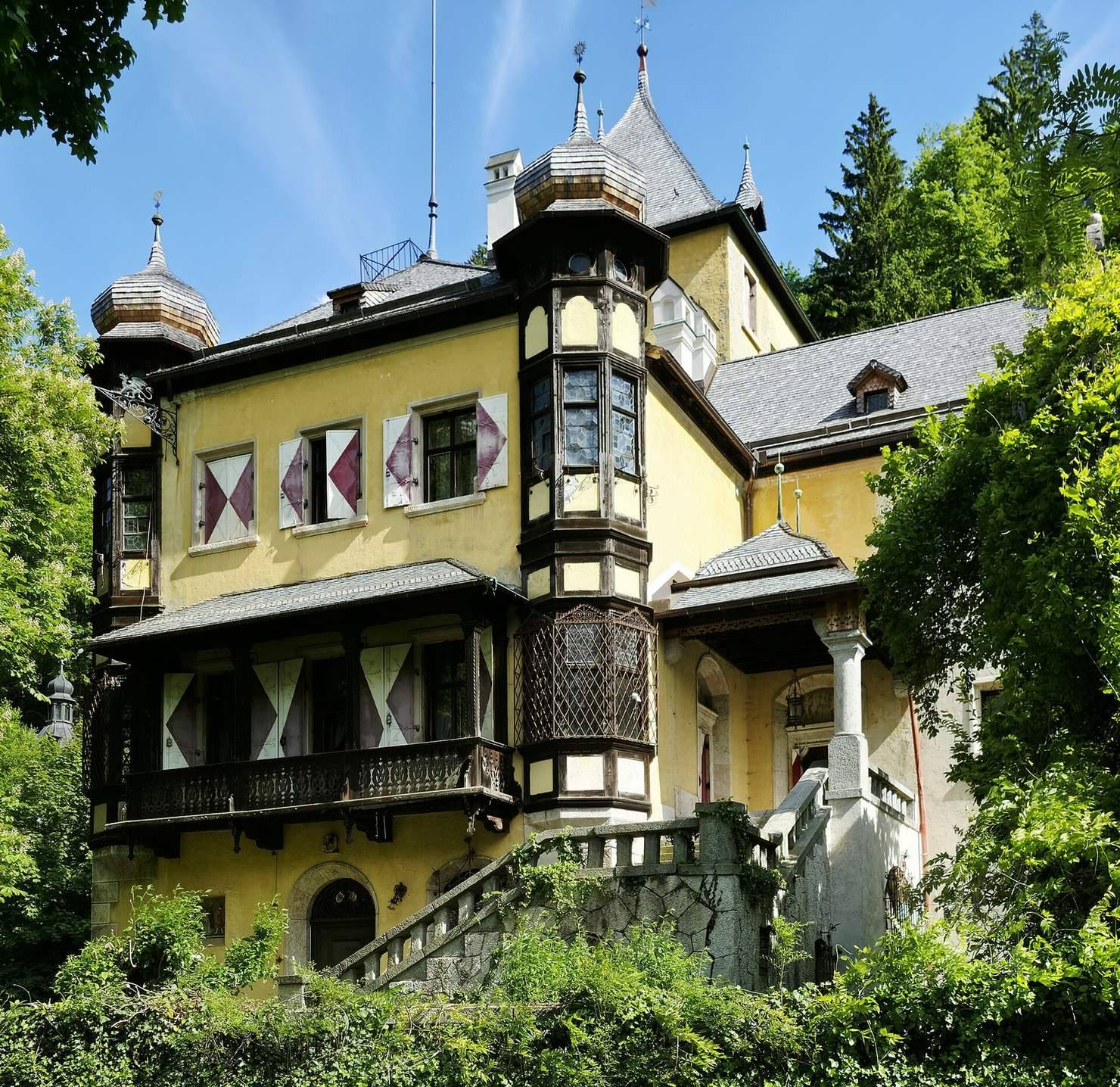
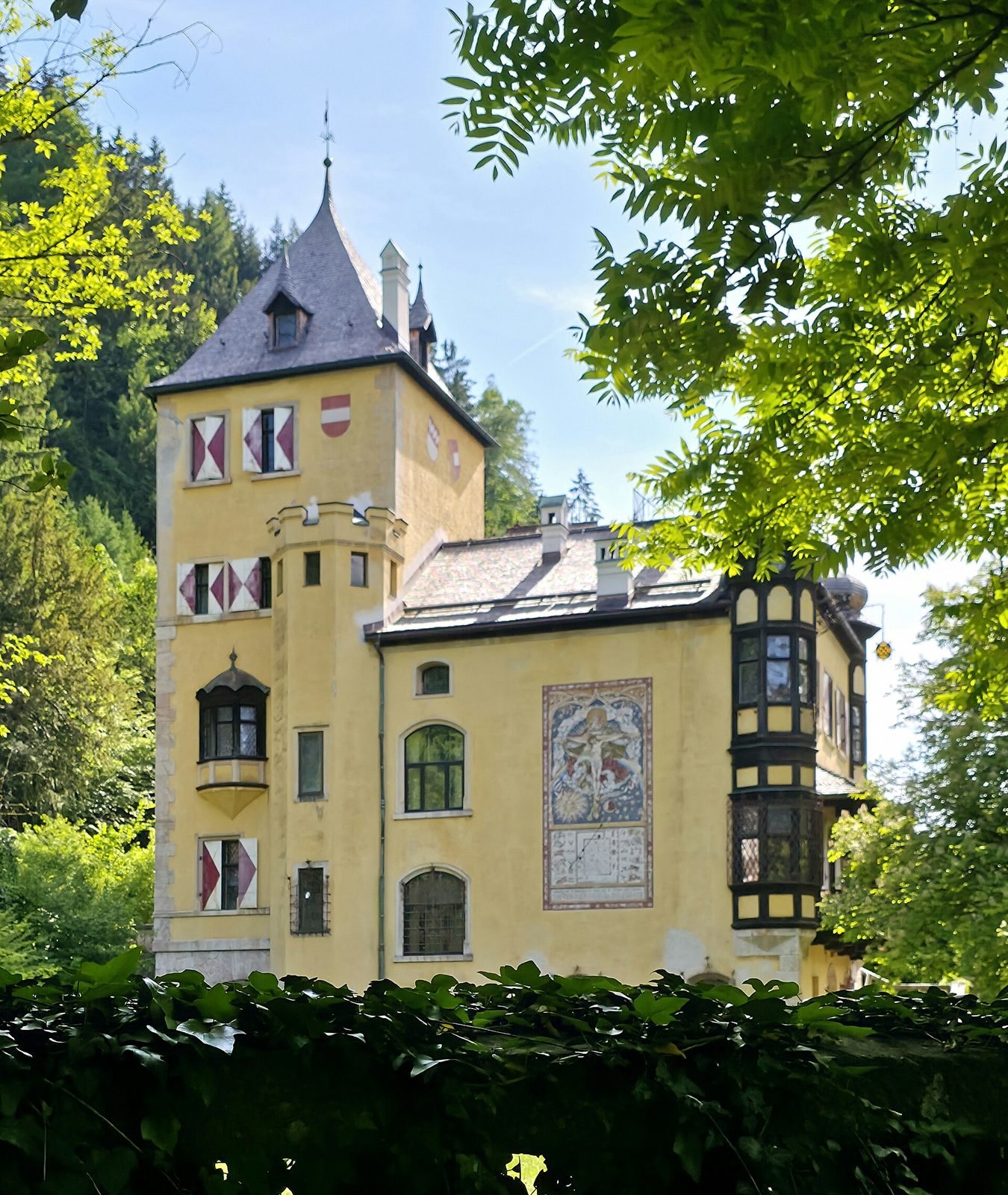
Schloss Neumatzen is a historicist residence in Münster, near Brixlegg in Tyrol, Austria, built around 1890 for German publisher Franz Lipperheide. After visiting Rome, Lipperheide sought to buy nearby Matzen Castle, but the negotiations failed. He acquired land close to it instead and expanded his estate through additional purchases.
Lipperheide commissioned Munich architect Georg von Hauberrisser to plan and build the house. An architectural perspective published apparently in 1891 and signed by Karlsruhe architect Eugen Bischoff closely resembles the building’s basic form. An artists’ lexicon also identifies Bischoff as its architect.
The house welcomed artists, writers, and scholars, among them painter Franz von Defregger, writers Gerhart Hauptmann and Peter Rosegger, art historian Julius Lessing, and writer Marie von Ebner-Eschenbach. Composer Hugo Wolf dedicated his “Elf Song,” from William Shakespeare’s A Midsummer Night’s Dream, to Frieda Lipperheide, Franz’s first wife. The building is protected as a historic monument.
Remains
The residence and grounds
The residence
The house is largely preserved in its original form and has 730 square metres of living space. It is also known as Schloss Lipperheide and Villa Lipperheide.
The landscape garden
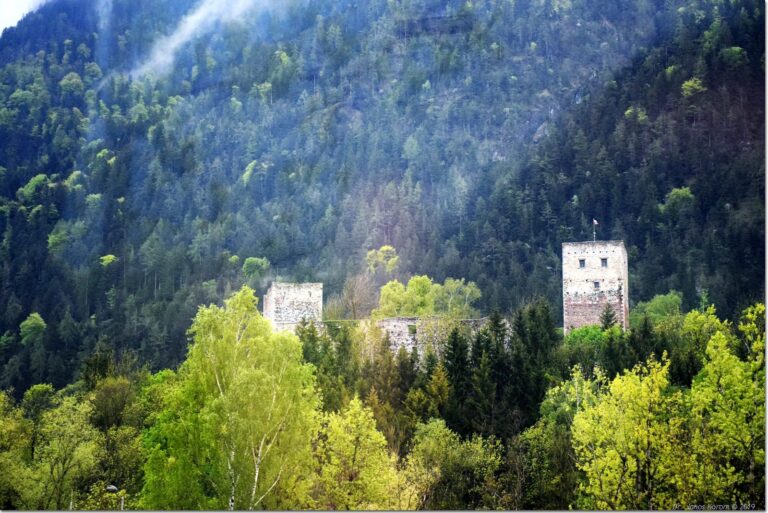
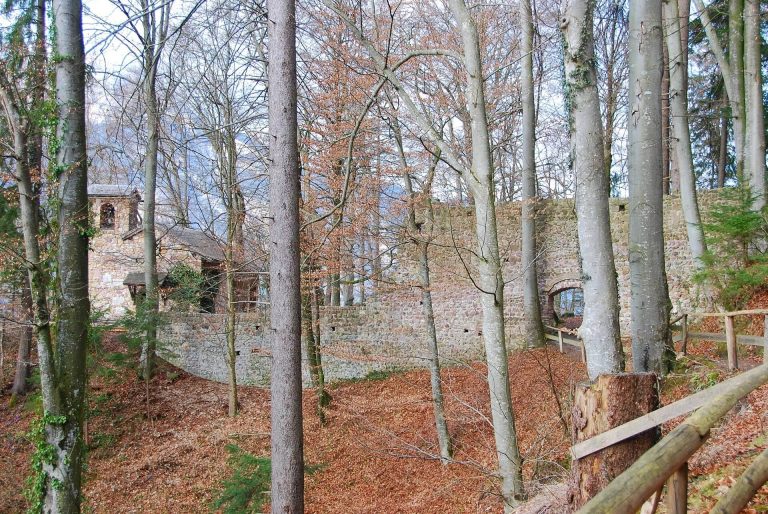
The surrounding grounds were arranged as an elaborate landscape garden with terraces, fountains, a grotto, and a pergola. The park belonging to Matzen Castle adjoins Schloss Neumatzen on the east. Lichtenwerth Castle, Kropfsberg Castle, and Matzen Castle are nearby.