Rein Abbey: A Medieval Religious House for Women in Norway
Site at a Glance
- Popularity
- Medium
- Country
- Norway
- Primary era
- Medieval
- Eras represented
- Medieval
- Civilizations
- Norwegian
- Site type
- Religious
- Remains
- Monastery
On this page8 sections
History
Foundation and medieval community
Rein Abbey was a Roman Catholic religious house for women at Rissa on Norway’s Fosen peninsula, northwest of Trondheim. Duke Skule Bårdsson founded it on his ancestral estate in or shortly after 1226, possibly fulfilling a vow made after recovering from illness. The property had earlier been granted by King Olav Kyrre to his adviser Skule Tostesson, son of Toste Godwinsson, and later passed through the family to Duke Skule. The abbey church was dedicated to Saint Andrew.
The community appears to have been a collegiate foundation, a religious community organized around a church, for noblewomen. Its members may have been secular canonesses, women following a shared church rule without necessarily belonging to a monastic order. The formal order is unknown, although the community may have followed the Rule of Saint Augustine, a set of religious guidelines associated with Augustine. Unmarried women and those seeking education could enter communities of this kind. In Scandinavia, convents were among the few institutions where women could study, and widows or other older women could pay to reside in them.
Sigrid Bårdsdatter, Duke Skule’s half-sister, became the first abbess. His daughter Queen Margret, wife of King Håkon Håkonsson, withdrew to the estate after her husband died in 1267 and remained there until her death in 1270. Other aristocratic women also joined the community. In 1317, lightning struck the abbey buildings and a fire destroyed them; repairs followed soon afterward.
Reformation and dissolution
During the Reformation, the sixteenth-century movement that reshaped church institutions and property ownership in Norway, Ingerd Ottesdatter Rømer was chosen to administer the abbey in 1531. Opposition from Archbishop Olav delayed her taking office until 1541. She protected the remaining community, managed the estate until her death in 1555, and acquired abbey lands. The estate included 202 large landholdings.
After Ingerd’s death, the abbey was dissolved and its estate became a fief, an estate held under a ruler’s authority. King Christian V later sold the property to Ebbe Carstensen, a commercial assessor, or official involved in commercial affairs. Through Carstensen’s marriage to Anna Hornemann, the estate passed into the Hornemann family. From 1704 it was associated with the family of Trondheim merchant Henrik Hornemann (1644-1716).
Investigations and later changes
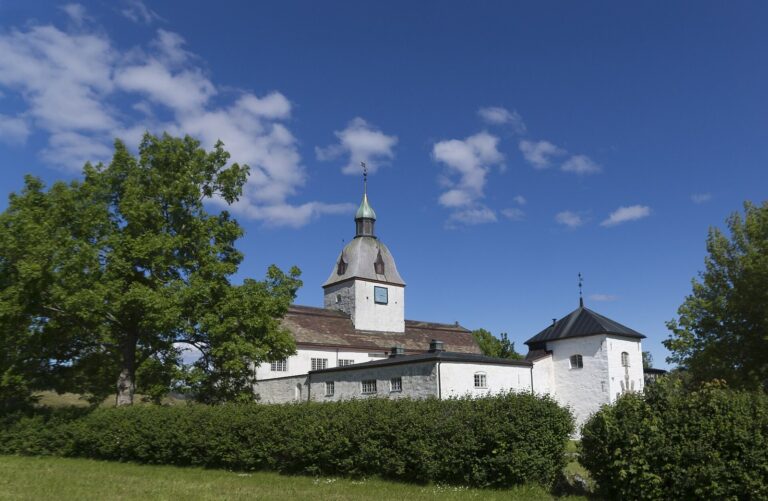
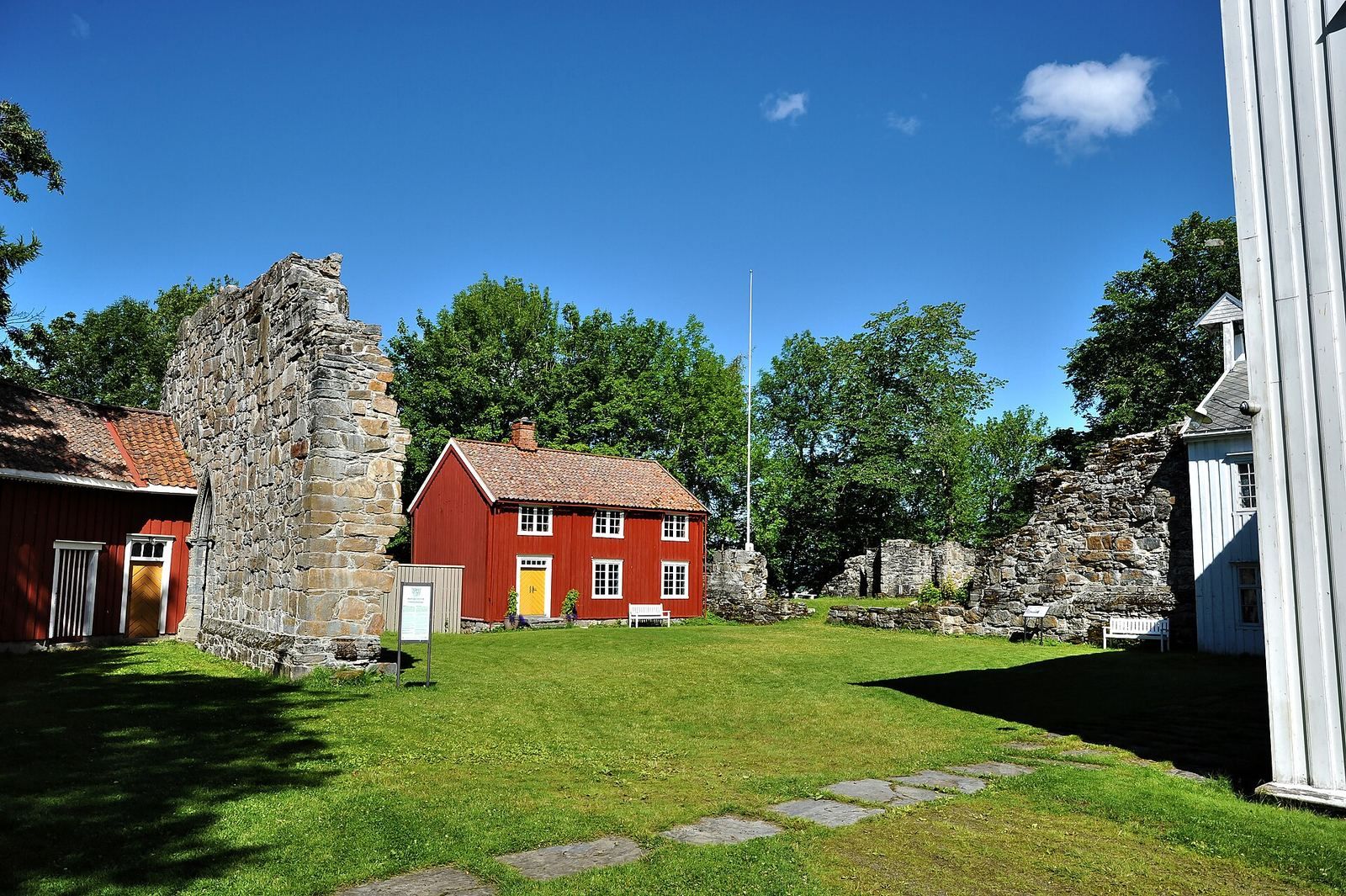
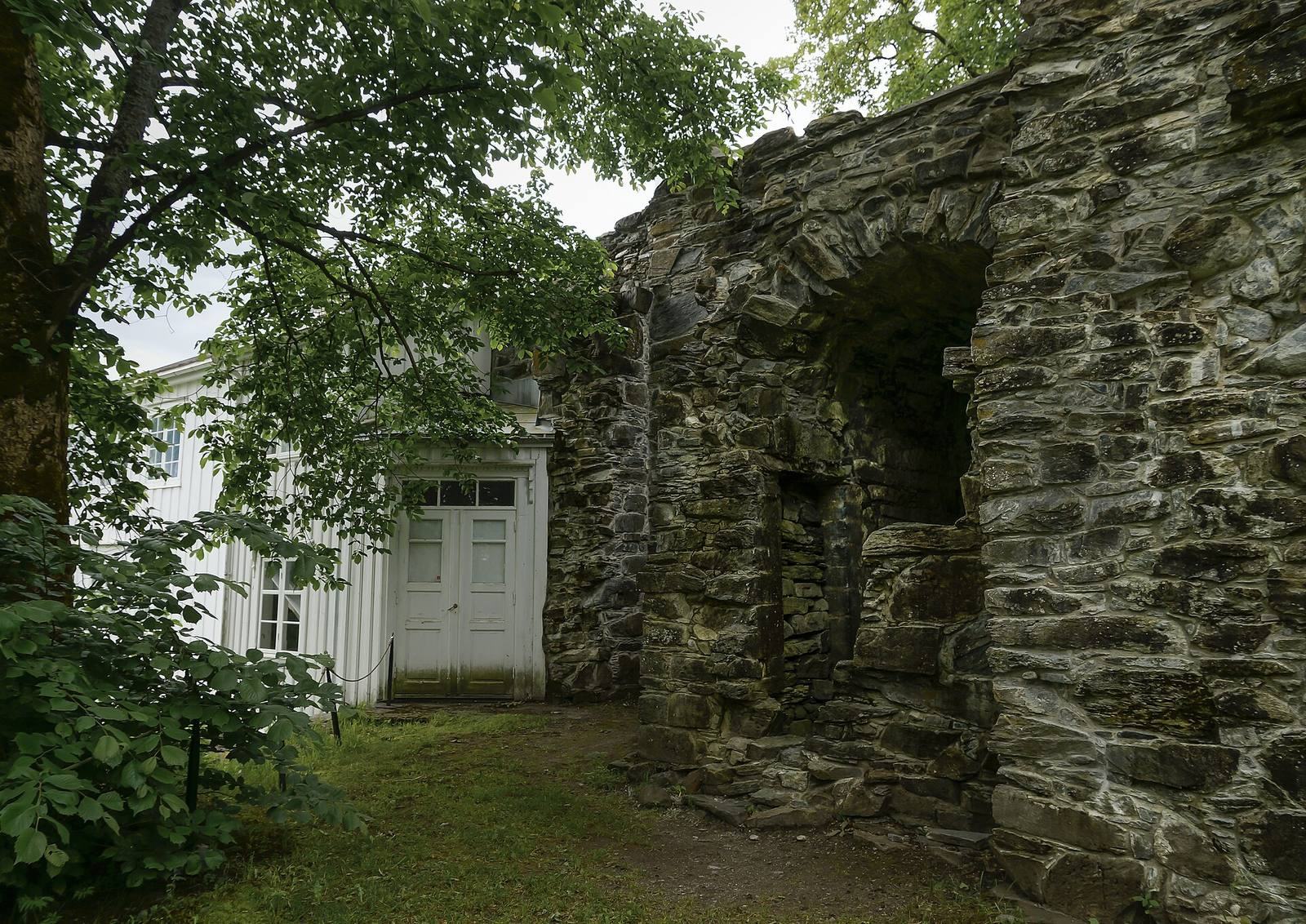
The abbey site was investigated archaeologically around 1860-61, and the farm’s main building was erected there in 1866. The garden and park were restored between 1992 and 1997. The abbey ruins are owned by the Society for the Preservation of Norwegian Ancient Monuments, and the former abbey is protected by the Norwegian Directorate for Cultural Heritage.
Remains
Church remains
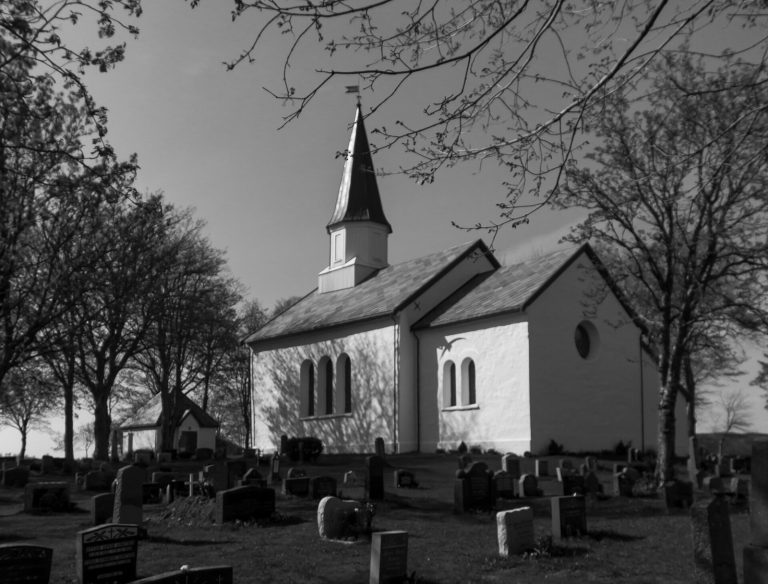
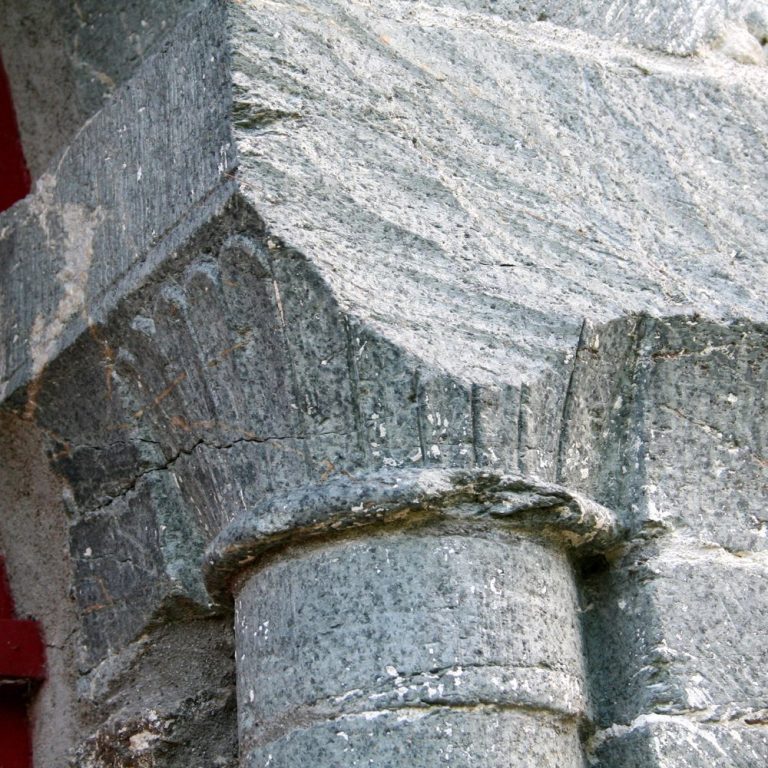
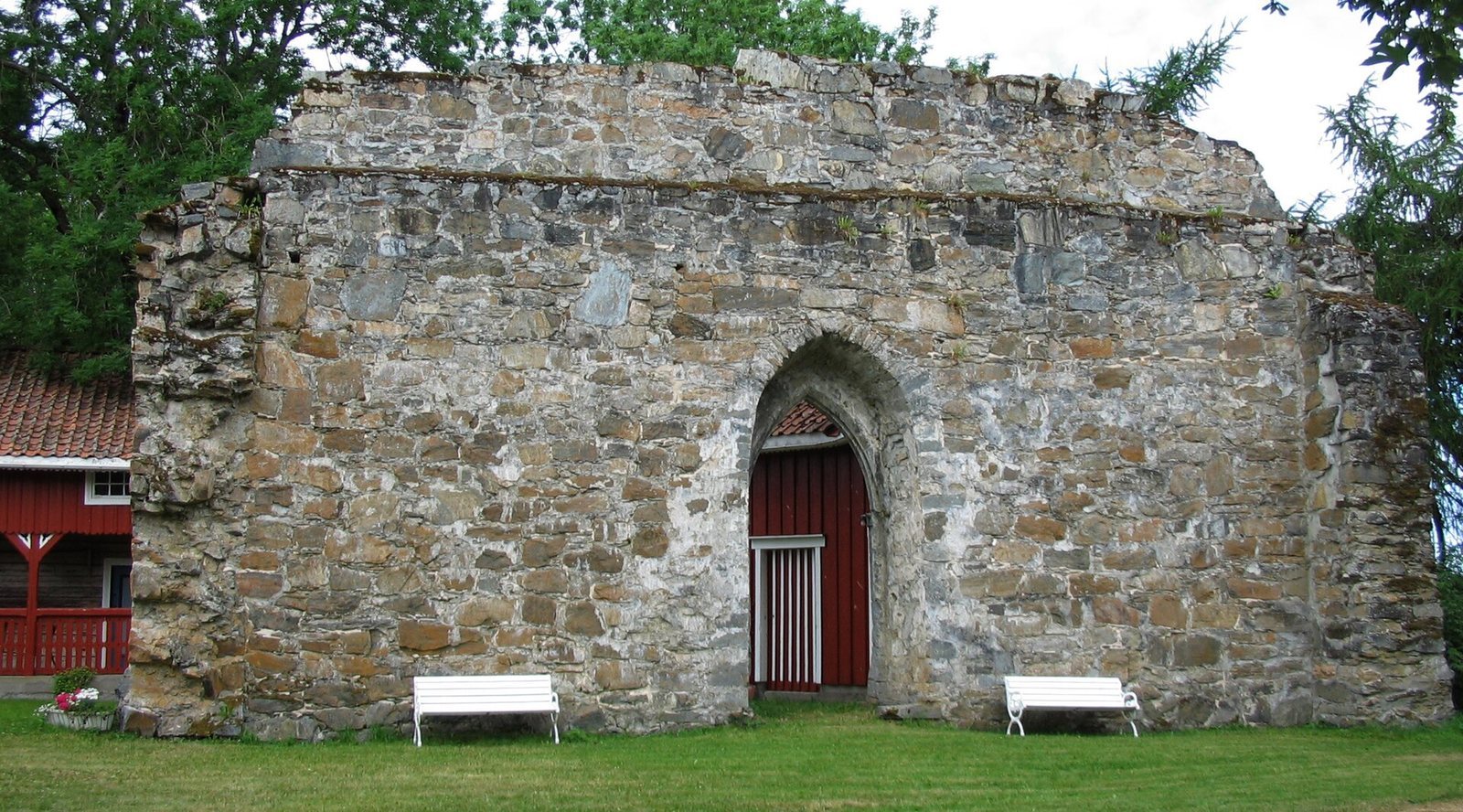
The abbey stood on a raised area in otherwise flat terrain. Its church was built in stages. The first church probably had a cross-shaped plan, with a transept, the crosswise arm, and a choir, the area used by clergy for worship, at the eastern end. A long nave, the main lengthwise space, was later added to the west, bringing the church to nearly 40 metres in total length. The front and the lower part of the western gable survive, along with other church remains among later buildings. Stonecutters’ marks and architectural details suggest a connection with building work at Nidaros Cathedral in Trondheim.
Monastery foundations and burials
The monastery foundations lie beneath the farm’s present main building. Excavations uncovered numerous skeletons beneath the monastery walls, including that of an unusually large man initially thought to be Duke Skule. His gravestone is at Nidaros Cathedral.
Garden and park
The grounds include a garden with ash trees dating from the late Middle Ages and a large park.