Tha Phra Palace: A Royal Residence in Bangkok
Site at a Glance
- Popularity
- Medium
- Country
- Thailand
- Primary era
- Early Modern
- Eras represented
- Early Modern, Modern
- Civilizations
- Unclassified
- Site type
- Domestic
- Remains
- Palace
On this page5 sections
History
Tha Phra Palace in Bangkok, Thailand, was planned as a residence for male members of the Thai royal family, with construction beginning in 1782 at the start of the Rattanakosin era, when Bangkok became Thailand’s royal capital. King Phra Phutthayotfa Chulalok (Rama I) planned the palace. Rama I through Rama V were successive kings of the Chakri dynasty.
Foundation and early occupants
Tha Phra, also called the Western Palace, was one of three royal residences planned between the Grand Palace’s northern wall and Wat Mahathat, a Buddhist temple. The other two were known as the Middle Palace and Eastern Palace. After Tha Phra was completed, it became the home of Prince Chaofah Men, whose title was Kromkhun Kasatranuchit. Kromkhun and Krommuen were ranks in the Thai royal hierarchy.
The palace’s name refers to Tha Phra, meaning “Buddha Pier,” now more commonly called Tha Chang, or “Elephant Pier.” In 1808, Rama I arranged for a large bronze Buddha image to be brought by raft from Wat Mahathat in Sukhothai to Bangkok for the principal image of the new Wat Suthat. A riverside city gate was dismantled to land and transport the statue. The image remains at the temple. The pier later became better known as Tha Chang because royal elephants were bathed daily in the Chao Phraya River there.
Royal occupants and construction work
King Phuttaloetla Naphalai (Rama II) transferred Tha Phra Palace to his son, Prince Krommuen Jesadabodin. While serving his father, the prince used the Thong Phra Rong building as an audience hall and conducted some government business there. When he became King Nang Klao (Rama III), he lived at the Grand Palace and gave Tha Phra to his son, Prince Lakkhananukhun. After Lakkhananukhun died, another of Rama III’s sons, Prince Jumsai, took over the palace.
During King Mongkut’s (Rama IV’s) reign, Jumsai became head of Krom Chang Sib Mu, the royal construction ministry, also known as the Ministry of the Ten Arts. Around 200 people lived on the palace grounds. Work for royal buildings included sculpture, woodcarving, and painting.
Prince Naris and the university
Under King Chulalongkorn (Rama V), the palace was occupied by Prince Krommuen Adulyalaksanasompati, a son of Rama III. After the prince’s death, Rama V transferred the palace in 1883 to Prince Naris, a son of Rama IV and a noted artist, designer, and architect. Naris was charged with renovating and restoring the palace buildings.
As Bangkok expanded, the palace grounds were reduced to make way for the widening of Na Phra Lan Road and the creation of Mahathat Road. Prince Naris died in 1964, after which Silpakorn University took over the grounds. The site is now used by the university.
Remains
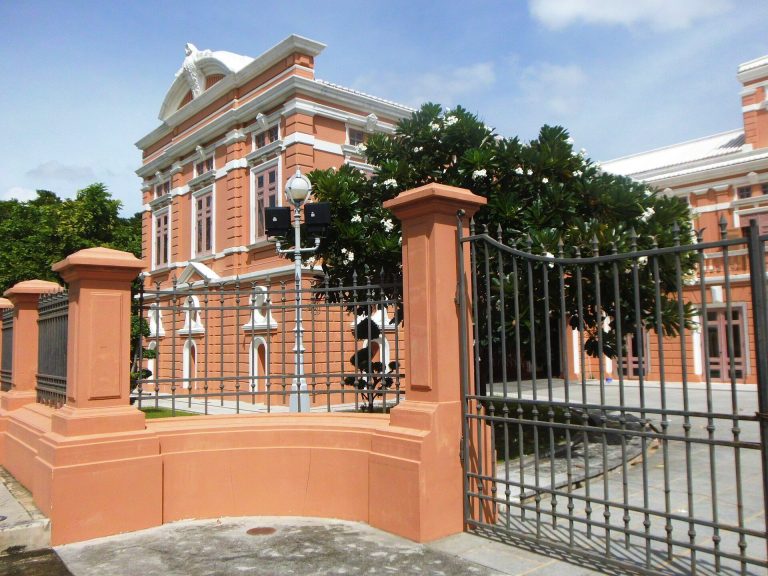
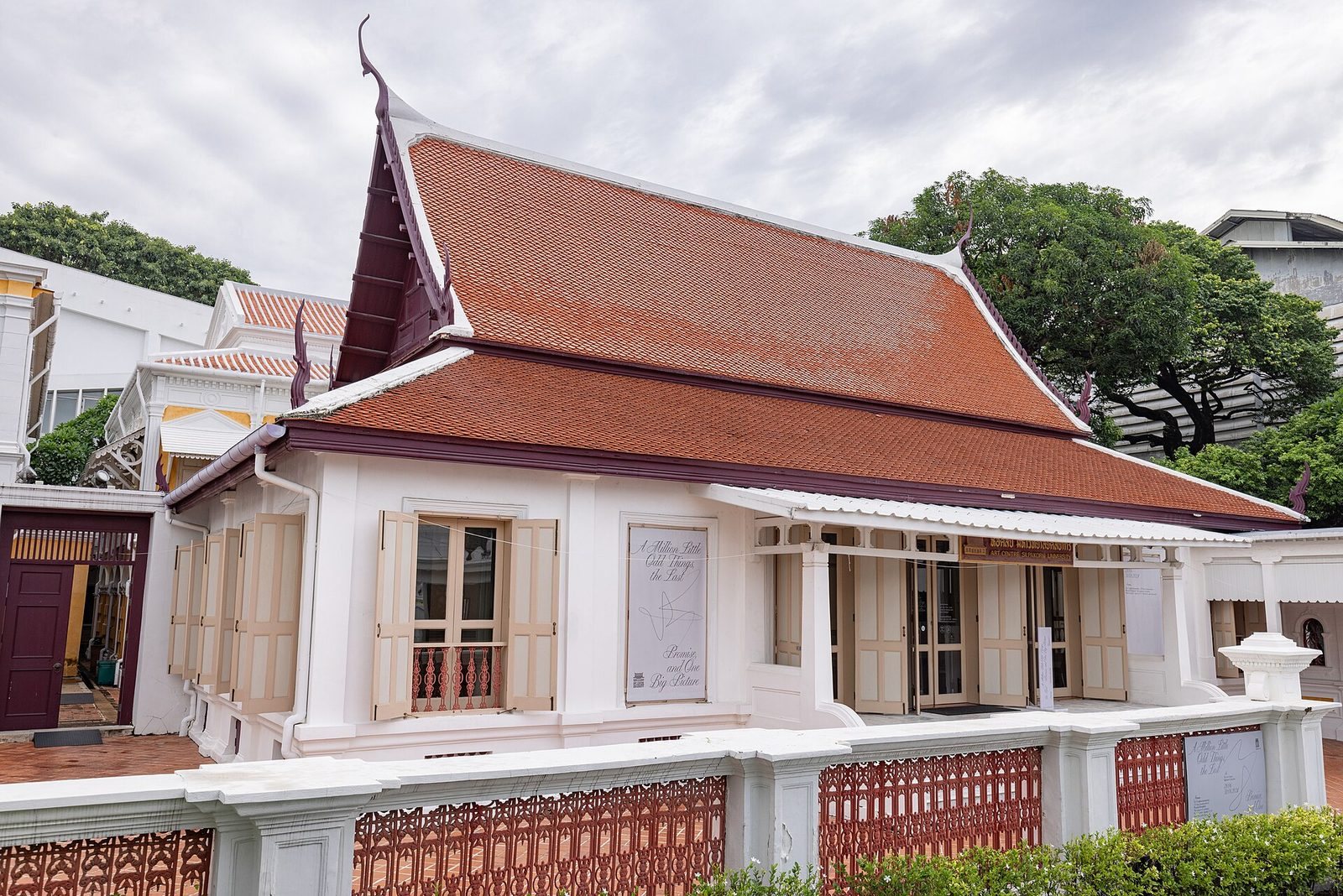
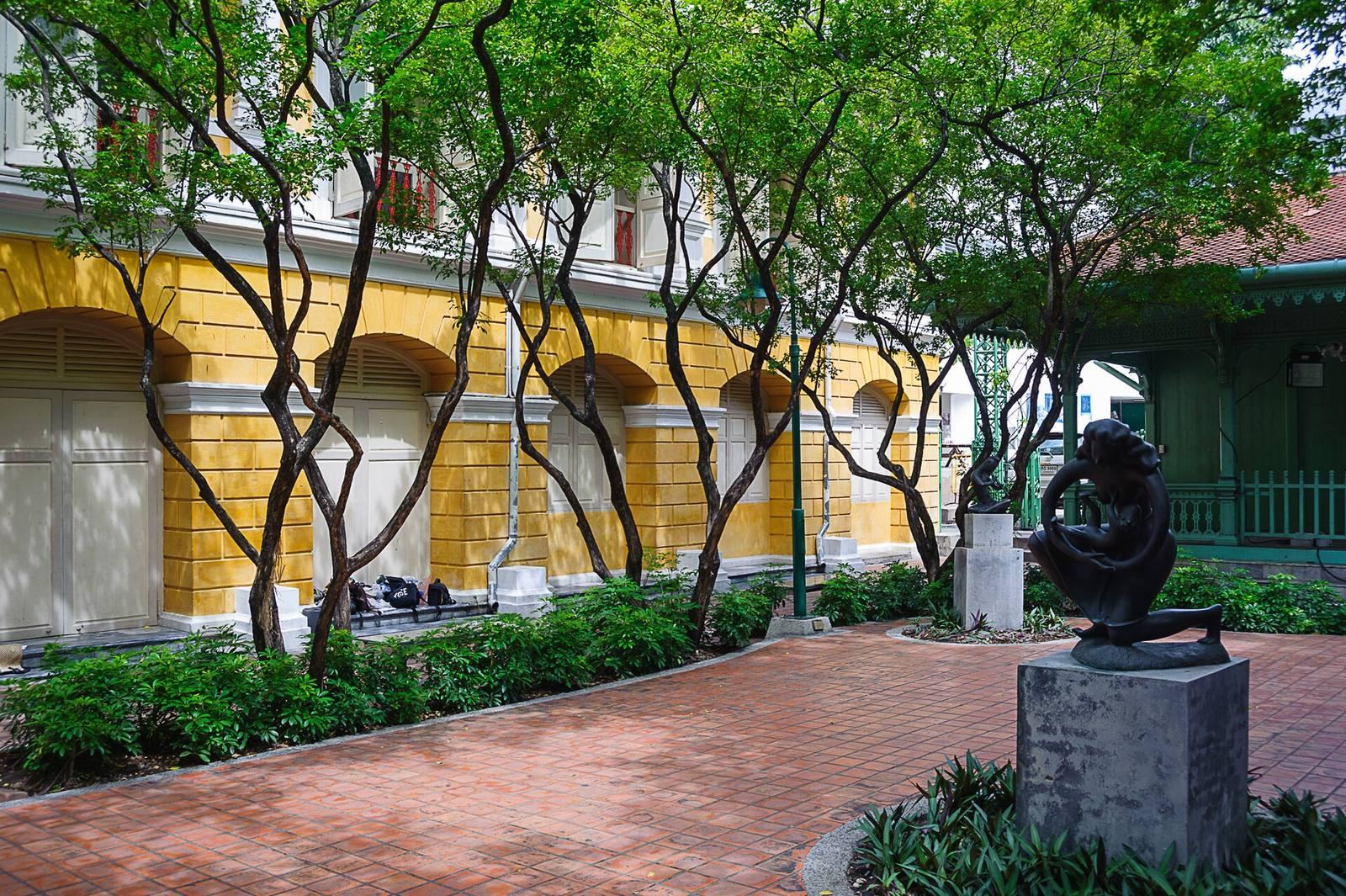
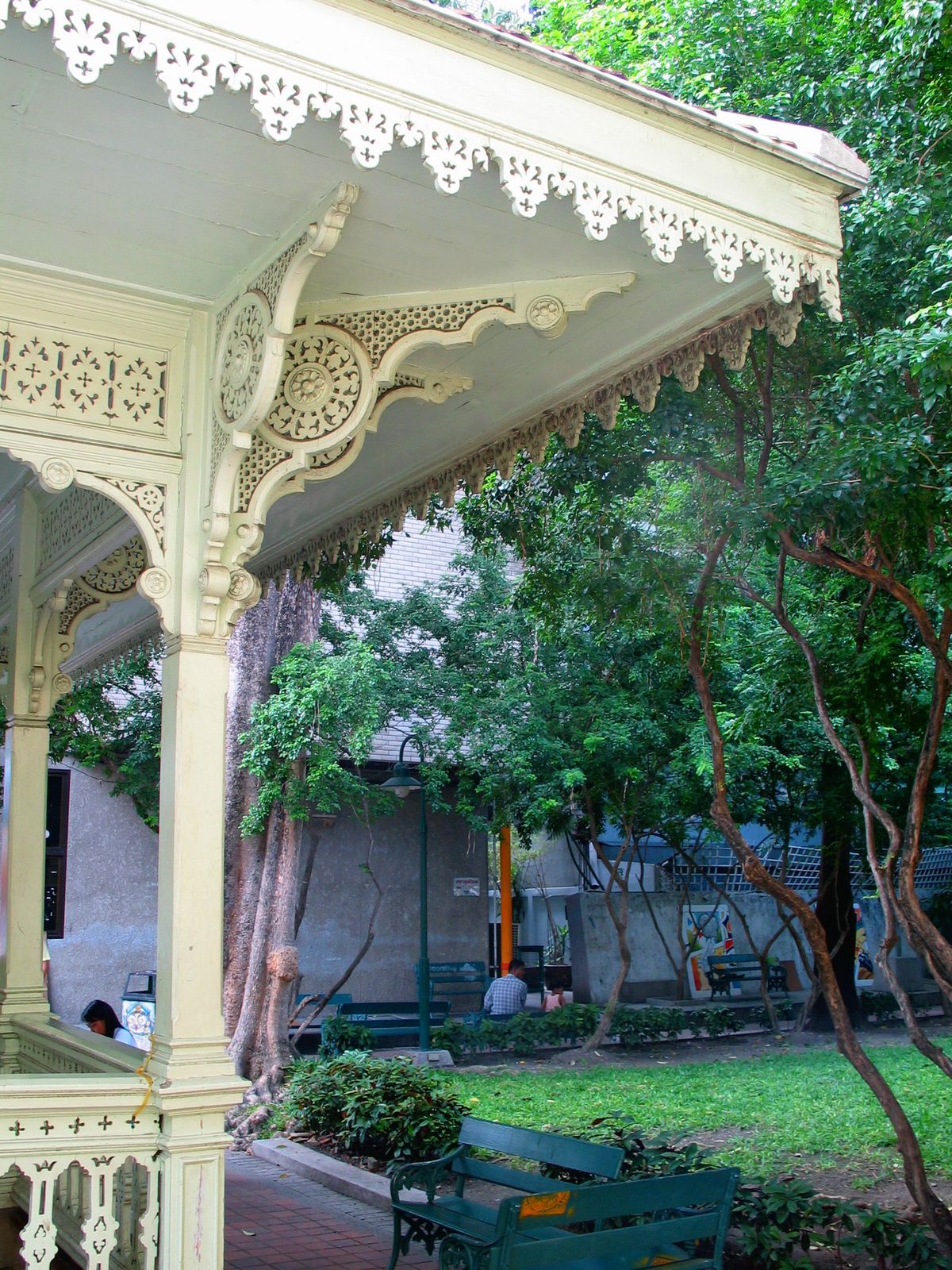
The former palace grounds are bounded by Na Phra Lan Road to the south, Mahathat Road to the west, the grounds of Wat Mahathat to the north, and Na Phra That Road to the east. The university’s plain main entrance stands opposite the Grand Palace’s northwestern entrance. Thong Phra Rong, once used by Prince Krommuen Jesadabodin as an audience hall, was retained during Prince Naris’s renovations and still stands at the entrance. Many traditional wooden houses were demolished and replaced by two European-style buildings; Thong Phra Rong was the only earlier building retained.