Phra Racha Wang Derm: The Former Royal Palace of Thonburi
Site at a Glance
- Rating
- 4.6
- Popularity
- Low
- Country
- Thailand
- Primary era
- Early Modern
- Eras represented
- Early Modern, Modern
- Civilizations
- Unclassified
- Site type
- Domestic
- Remains
- Palace
On this page10 sections
History
Phra Racha Wang Derm is a former royal palace in Bangkok, Thailand, built by King Taksin in 1768 in the late Ayutthaya style. It became the royal palace of Thonburi after Ayutthaya fell in 1767. Taksin chose Thonburi as his capital because of its strategic position near the sea, using it as a base to reunify the country after defeating the Burmese and recovering Thonburi and Ayutthaya. He was crowned there on 28 December 1768.
The Thonburi Kingdom
The palace was Taksin’s residence from 1768 to 1782 and was the only major building constructed during his short reign. During this period, it served as the seat of the king’s court and government in the new capital. Taksin’s reign ended in 1782 when a revolt overthrew him. His general, Chao Phraya Chakri, then became King Rama I, founded the Chakri dynasty, and moved the capital to Rattanakosin on the eastern bank of the Chao Phraya River. There he built the Grand Palace.
From Royal Residence to Naval Headquarters
After the capital moved, the former Thonburi palace was renamed Phra Racha Wang Derm, meaning “former royal palace.” Its grounds were reduced, and Wat Arun and Wat Molilokkayaram were excluded from the palace compound. Thonburi remained important for defending Rattanakosin against attacks from the west, so members of the royal family, chiefly sons or brothers of the monarch, continued to reside at the palace until 1900.
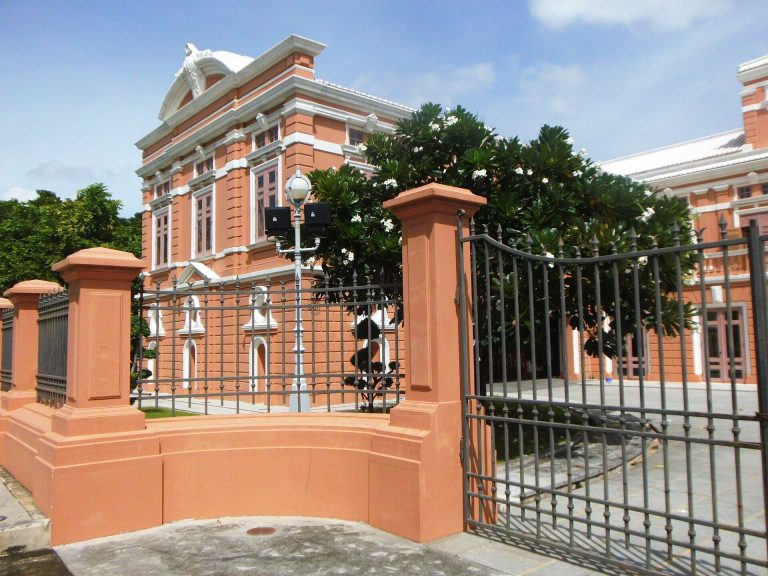
King Pinklao, the brother of King Rama IV, lived at Wang Derm and had a personal residence built there. Three members of the royal family born at the palace later became King Rama III, King Rama IV, and Pinklao. When Rama IV appointed Pinklao to the Front Palace, a senior royal office traditionally assigned to a designated heir or leading prince, he granted him equal royal dignity. Pinklao consequently became known as the second king.
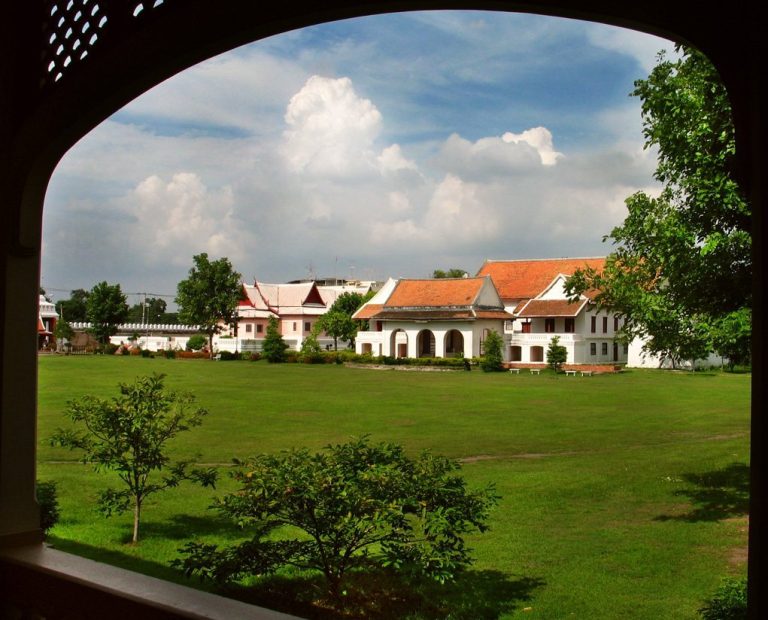
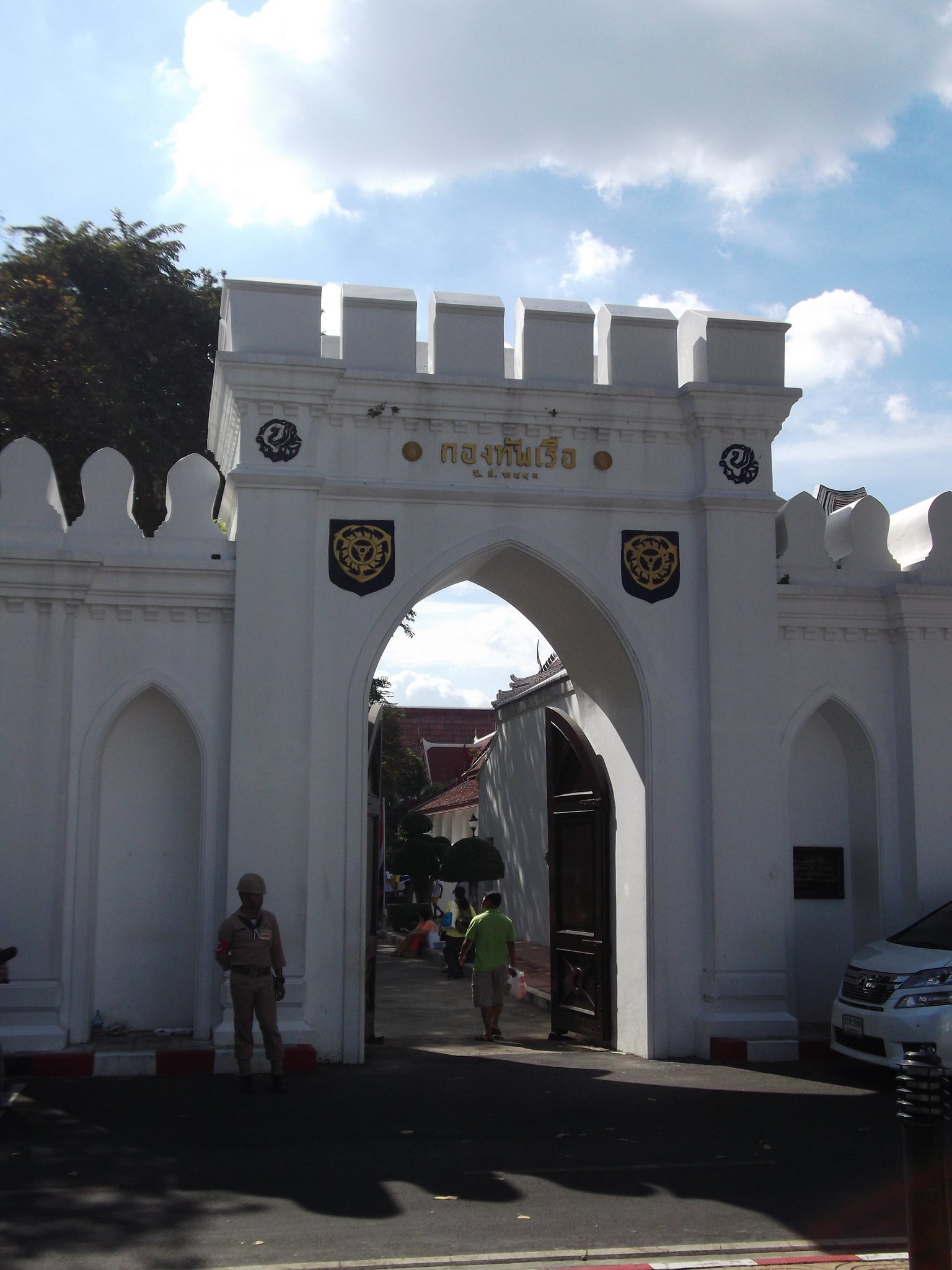
After Prince Chaturonrasmi died in 1900, King Chulalongkorn, also known as Rama V, transferred the palace to the Royal Thai Navy. The site became the Royal Thai Naval Academy, while the Throne Hall, Pinklao’s residence, and the shrine dedicated to Taksin were ordered to be preserved. The academy moved elsewhere in 1944, and the palace then became the headquarters of the Royal Thai Navy. It remains within the headquarters grounds and is jointly managed by the Phra Racha Wang Derm Restoration Foundation.
Remains
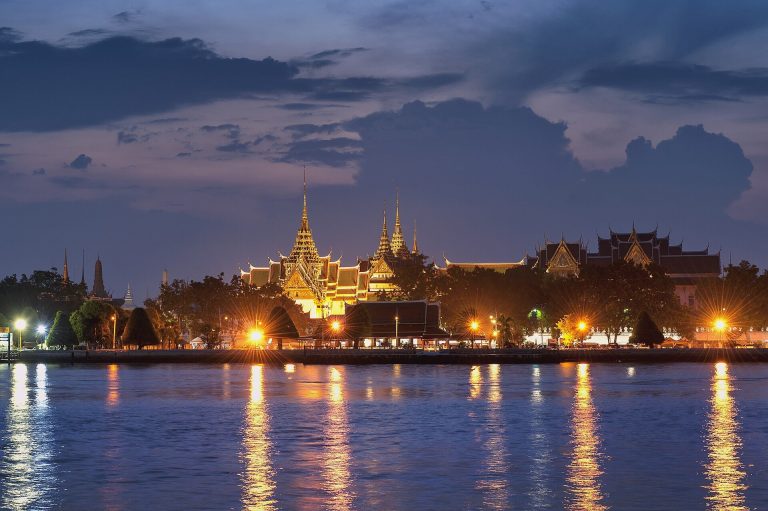
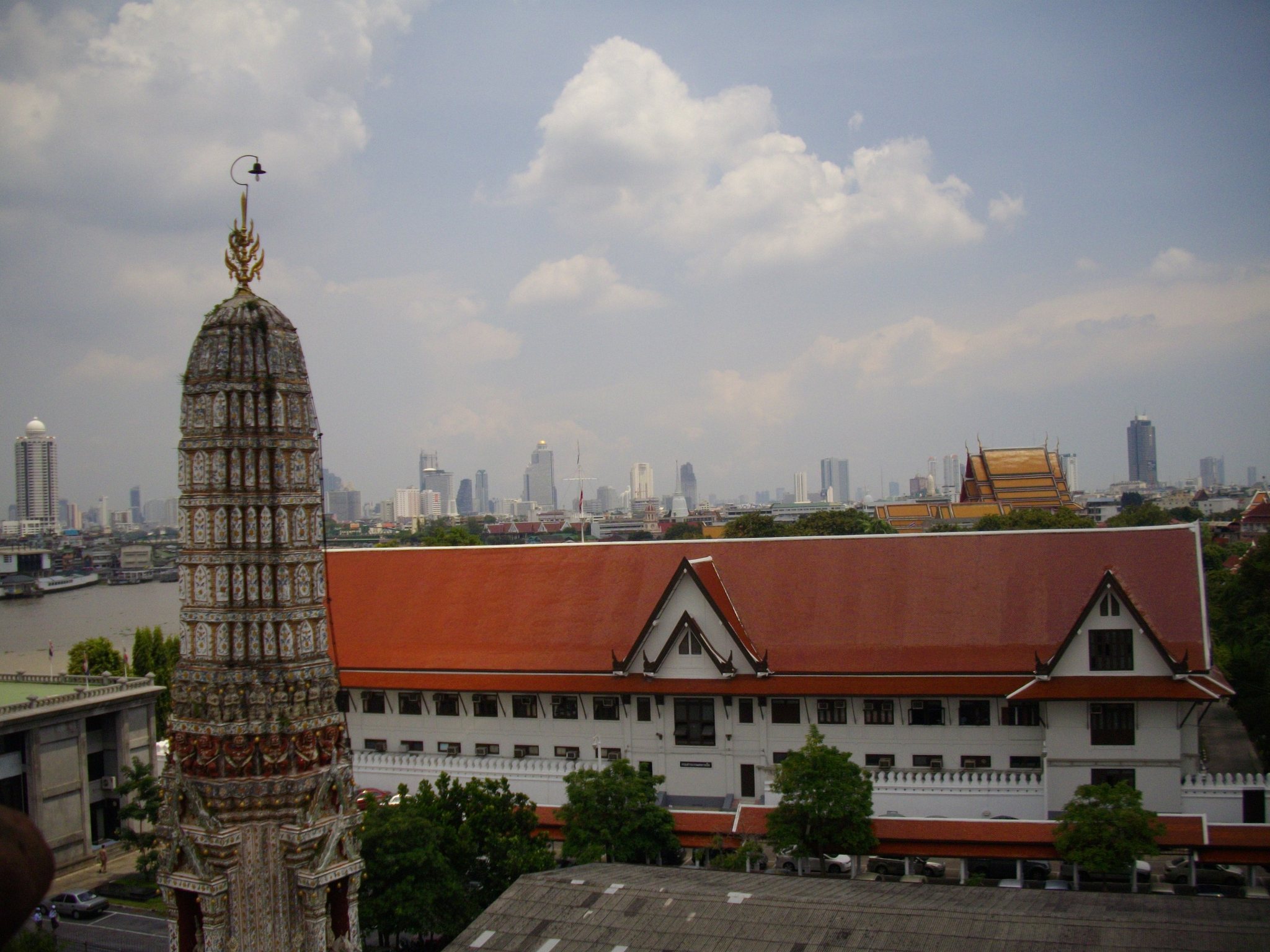
Phra Racha Wang Derm stands on the western bank of the Chao Phraya River within the old city walls of Thonburi. The palace was positioned near Wichayen Fort, later called Wichai Prasit, with Wat Arun to the north and Wat Molilokkayaram to the south. Both Buddhist temples were originally incorporated into the palace grounds. The surviving complex is relatively small and restrained compared with the more lavish royal residences associated with other periods.
Palace Buildings
Throne Hall
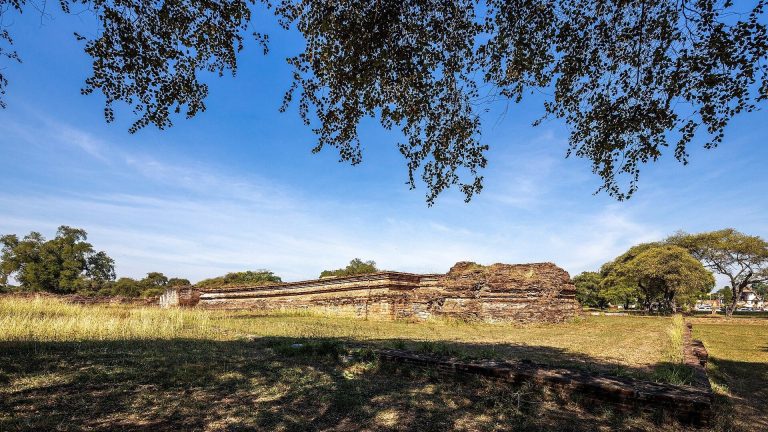
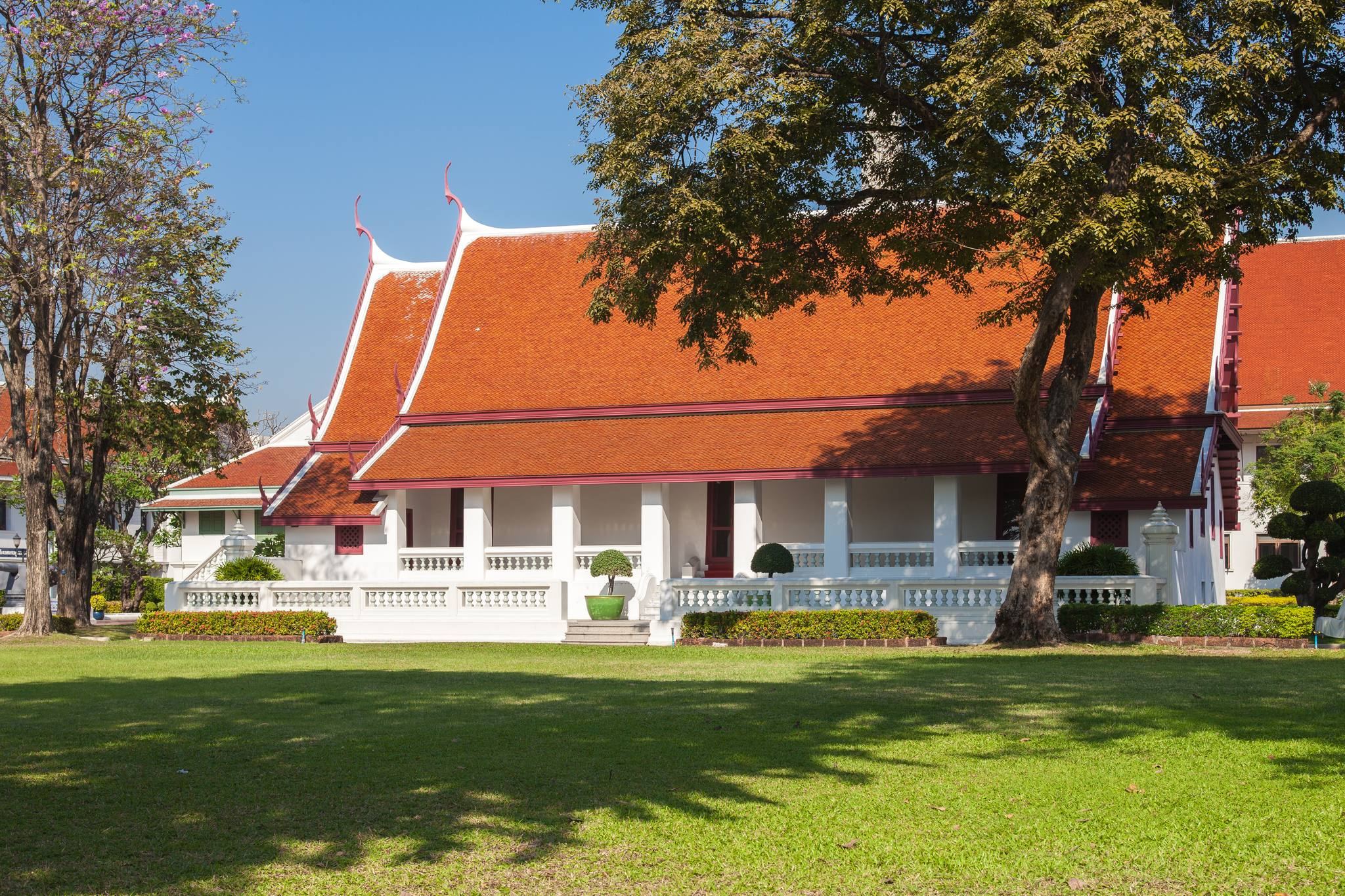
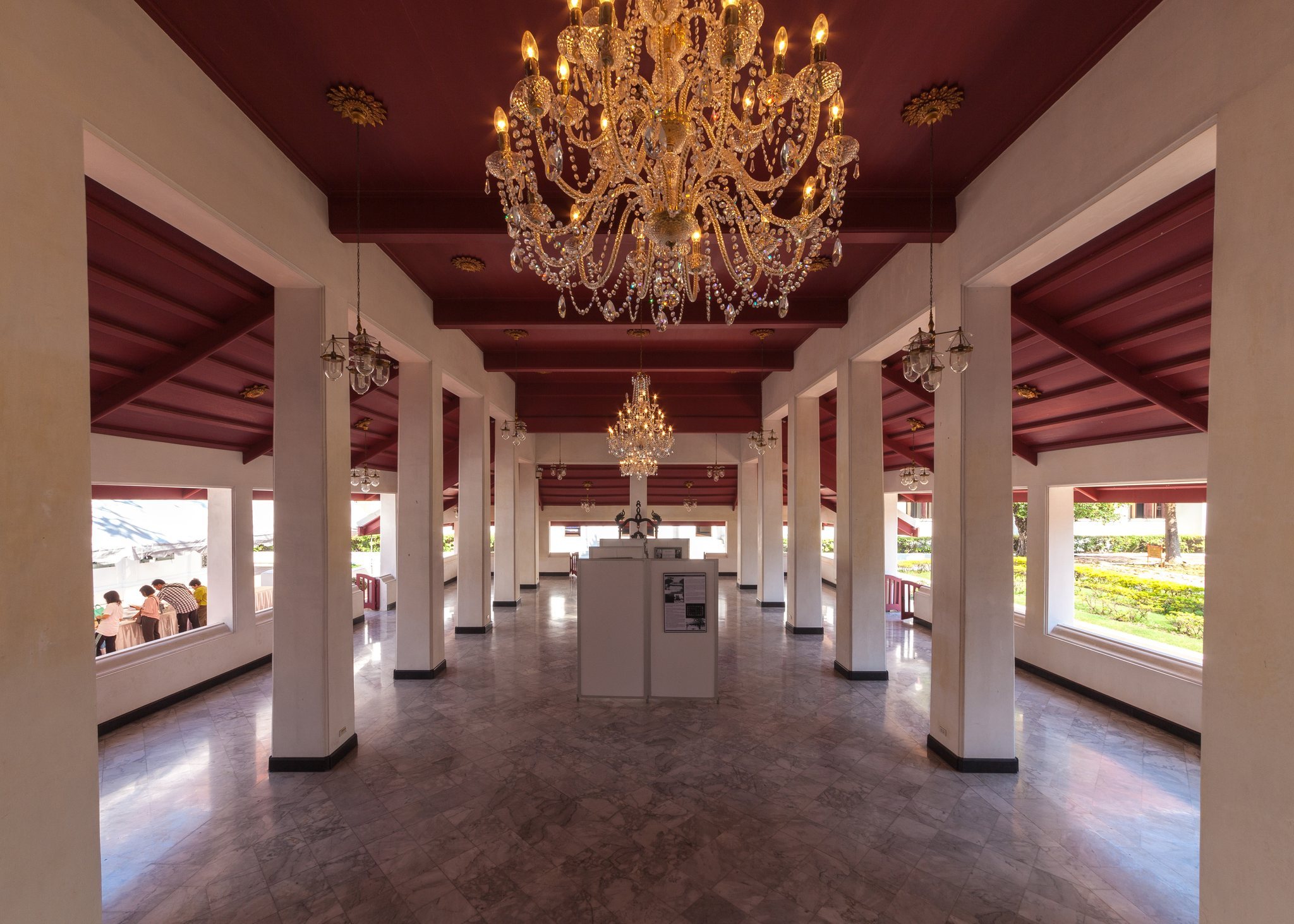
The principal palace buildings form a T-shaped arrangement. The northern wing is the Throne Hall, a ceremonial and governmental hall where the king’s court met. Built in the Thai architectural style, it consists of two segments forming the T-shaped plan. The Throne Hall is the only original Thonburi-period building at the palace apart from the older Wichai Prasit Fort.
Royal Residence
The southern wing served as the royal residence. Later buildings added to the compound include two Chinese-style residences and the personal residence of King Pinklao. Pinklao’s residence is described as the first Western-style building in Siam, giving the palace a surviving architectural element associated with the transition from earlier Thai forms to Western influence.
Shrines and Later Structures
King Taksin Shrine
A shrine dedicated to King Taksin forms part of the later palace complex. Its preservation was specifically ordered when the grounds were transferred to the Royal Thai Naval Academy in 1900, linking the surviving site with the memory of the monarch who established Thonburi as a capital.
Other Additions
Other later additions include the Whale Head Shrine and the Green House. Together with the Chinese-style residences and Pinklao’s residence, these structures reflect the palace’s development after its original Thonburi-period buildings had been established.