Wittorfer Burg: An Early Medieval Saxon Frontier Fortress
Site at a Glance
- Popularity
- Medium
- Country
- Germany
- Primary era
- Medieval
- Eras represented
- Medieval
- Civilizations
- Carolingian
- Site type
- Military
- Remains
- Fort
On this page5 sections
History
A Saxon Frontier Fortress
Wittorfer Burg was an early medieval Saxon ring-wall fortress near Neumünster, Germany, probably established in the ninth century. Pottery indicates that it remained in use until at least the second half of the eleventh century.
The fortress helped defend Saxon territory and its population against Wends, a historical term for Slavic peoples, to the east and Danes to the north. It formed part of the Limes Saxoniae, a frontier zone associated with the boundary between Saxon and Slavic territories. The site stood in Gau Faldera, a regional administrative district in early medieval German lands, and near important transport, military, and trade routes.
Wittorfer Burg was one of a group of regional defensive castles. Einfelder Burg, also called Margarethenschanze, and Bordorfer Burg at Borgdorf lay to its north. To the south were castles at Willenscharen, Hitzhusen, and Ulzburg. Ash layers indicate that warfare probably burned and destroyed the fortress twice.
Archaeology and Protection
Excavations in the surrounding area in 1949 uncovered remains of several Saxon settlements. Archaeologist Hans Hingst also investigated the fortress. Sections of its rampart were restored in 1984, and the City of Neumünster placed the site under landscape protection.
Remains
Fortification and Setting
The lowland fortification occupied a sand island nearly 500 metres long at the confluence of the Schwale and Stör rivers. The Stör lay to the southwest, the Schwale to the north, and marshy lowland to the east. The site’s ring-wall plan and its natural surroundings formed the defensive layout.
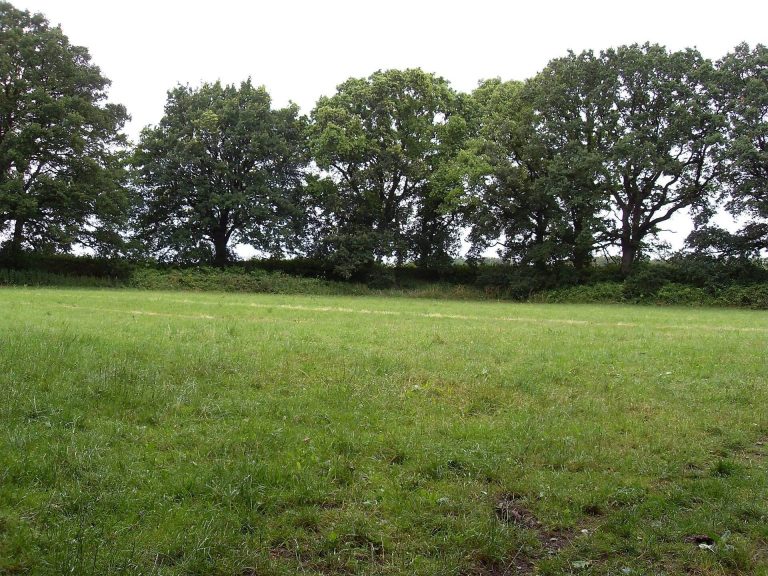
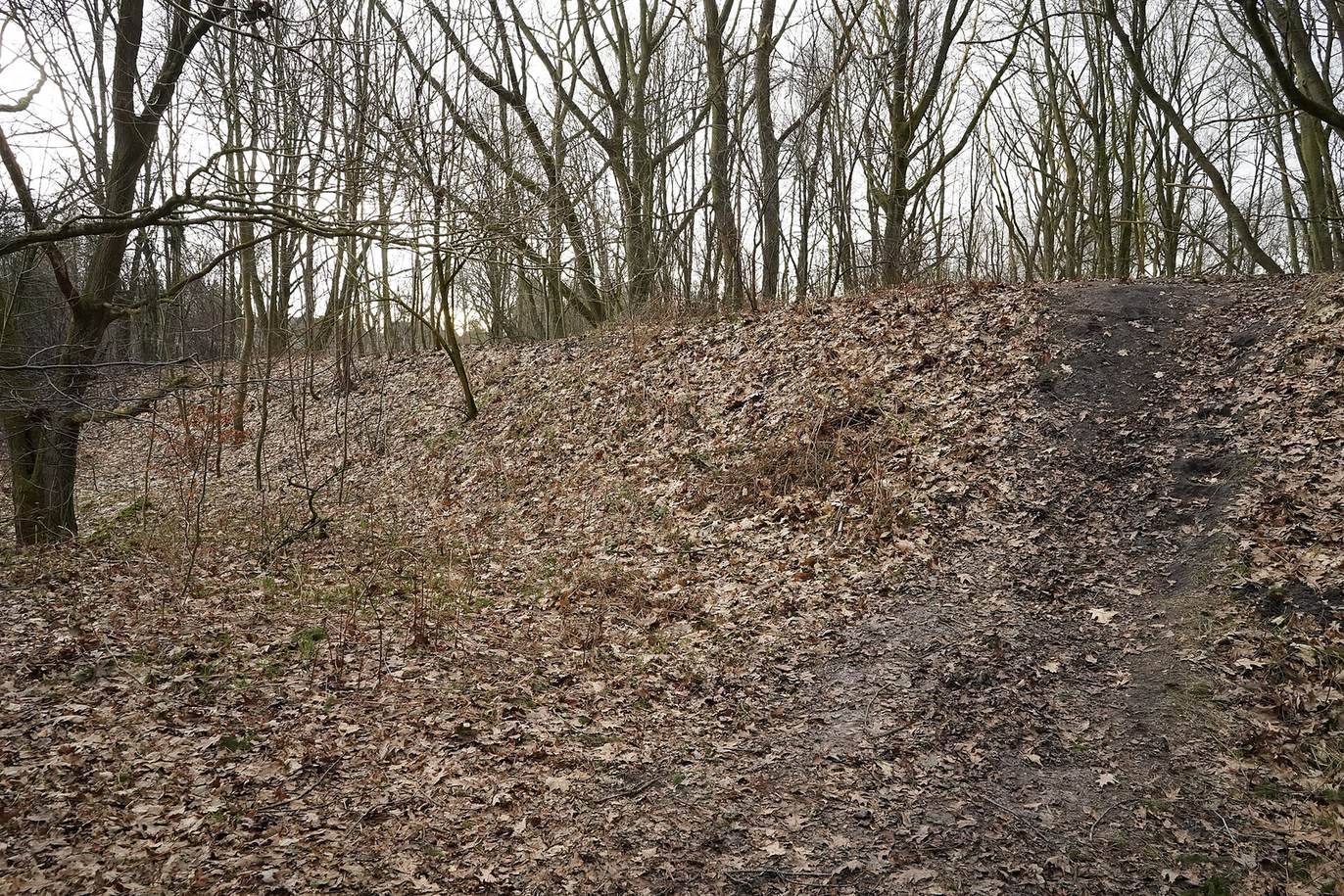
The rampart was built from earthworks reinforced with timber and secured by palisade walls. Remains of the rampart reach up to four metres high, with traces of ditches also surviving. The ramparts’ size and arrangement distinguish the fortress from contemporary fortifications in Schleswig-Holstein. Dense, partly overgrown vegetation makes the ramparts and ditches difficult to discern and obscures the site’s overall layout.