Martinuzzi Castle: An Italian Renaissance Fortress in Transylvania
Site at a Glance
- Popularity
- Medium
- Country
- Romania
- Primary era
- Early Modern
- Eras represented
- Early Modern
- Civilizations
- Ottoman
- Site type
- Military
- Remains
- Castle
On this page5 sections
History
Foundation and Martinuzzi’s death
Martinuzzi Castle is a sixteenth-century castle in Vințu de Jos, Romania, built for the Diocese of Transylvania, an ecclesiastical district administered by a bishop. Also known as Alvinc Castle, it was among the earliest and most influential Italian Renaissance works in Transylvania. This architectural movement revived classical forms and emphasized balanced design.
In 1546, Archbishop George Martinuzzi received land at Alvinc where a fourteenth-century monastery of the Dominican Order, a Catholic religious order, stood. He had the monastery demolished and ordered a castle built for the diocese. The castle was restored in 1551.
On the night of 16–17 December 1551, Italian commander Giovanni Battista Castaldo, serving the Habsburgs, assassinated Martinuzzi inside the castle. Local tradition linked the killing to ancient coins that Martinuzzi was said to have acquired from a fisherman and hidden there. According to this story, Castaldo sought to recover the coins.
Imprisonments and military attacks
On 9 May 1595, Aaron the Tyrant, prince of Moldavia, was imprisoned at the castle and later poisoned there. In 1601, the Italian architects Simone and Fulvio Genga were killed in its dungeons by Giorgio Basta, a Habsburg commander. They had been accused of political intrigue.
Ottoman and Tatar attacks damaged the fortress between 1658 and 1661. In 1680, Michael I Apafi, prince of Transylvania, imprisoned Sava Brancović, a senior Orthodox church leader, in the castle’s dungeons.
Church residence and decline
In 1715, the castle became the property of the Roman Catholic Church in Transylvania and served as an episcopal summer residence. A fire broke out in 1792 while Bishop Ignác Batthyány occupied it, and the property was later repaired.
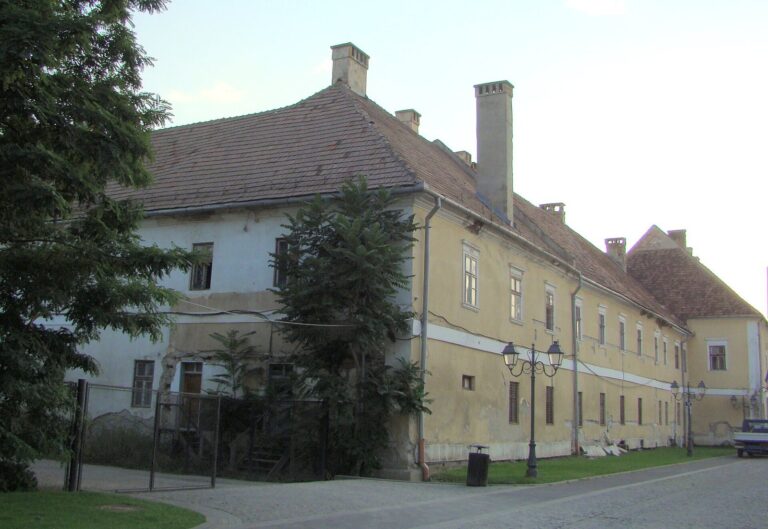
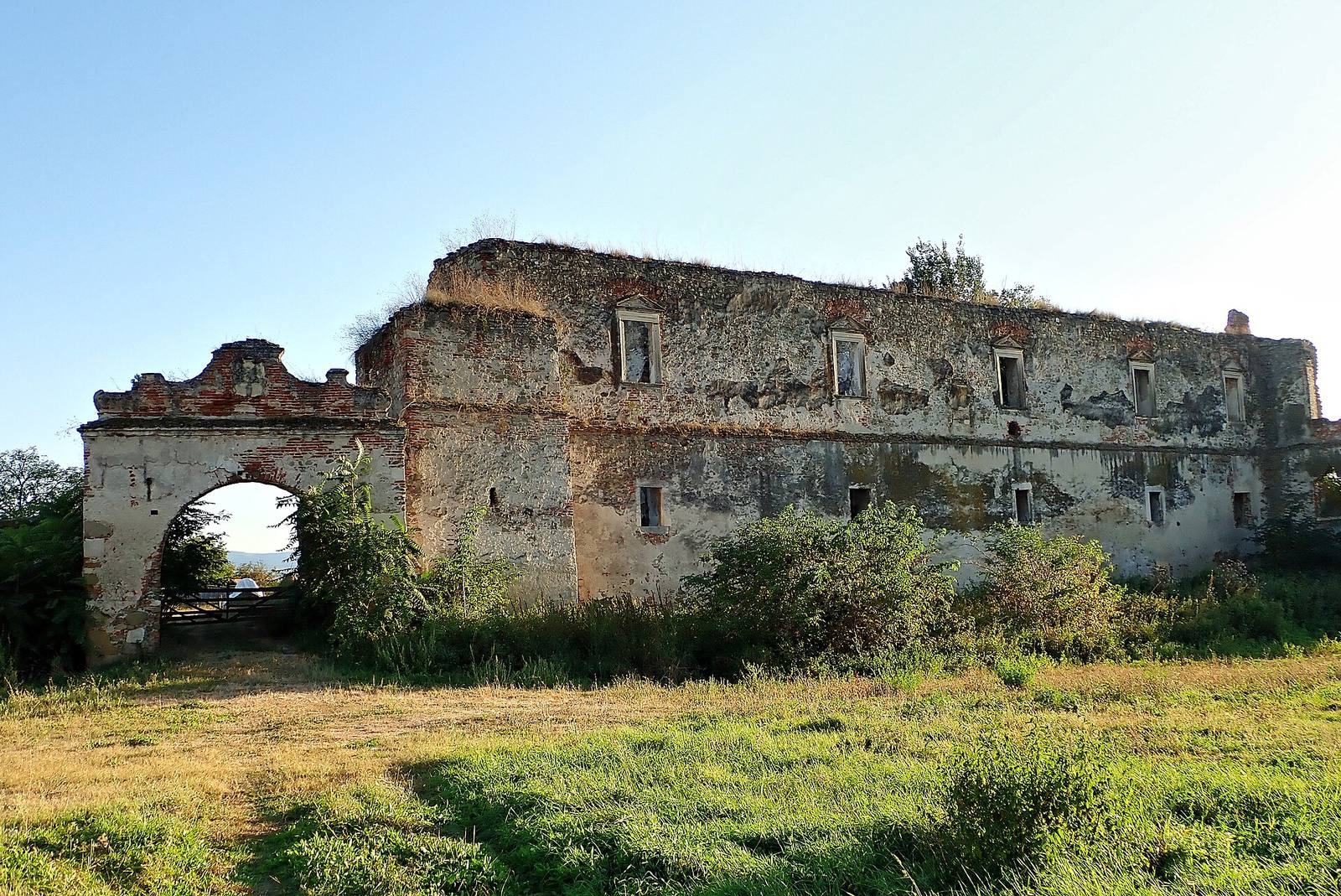
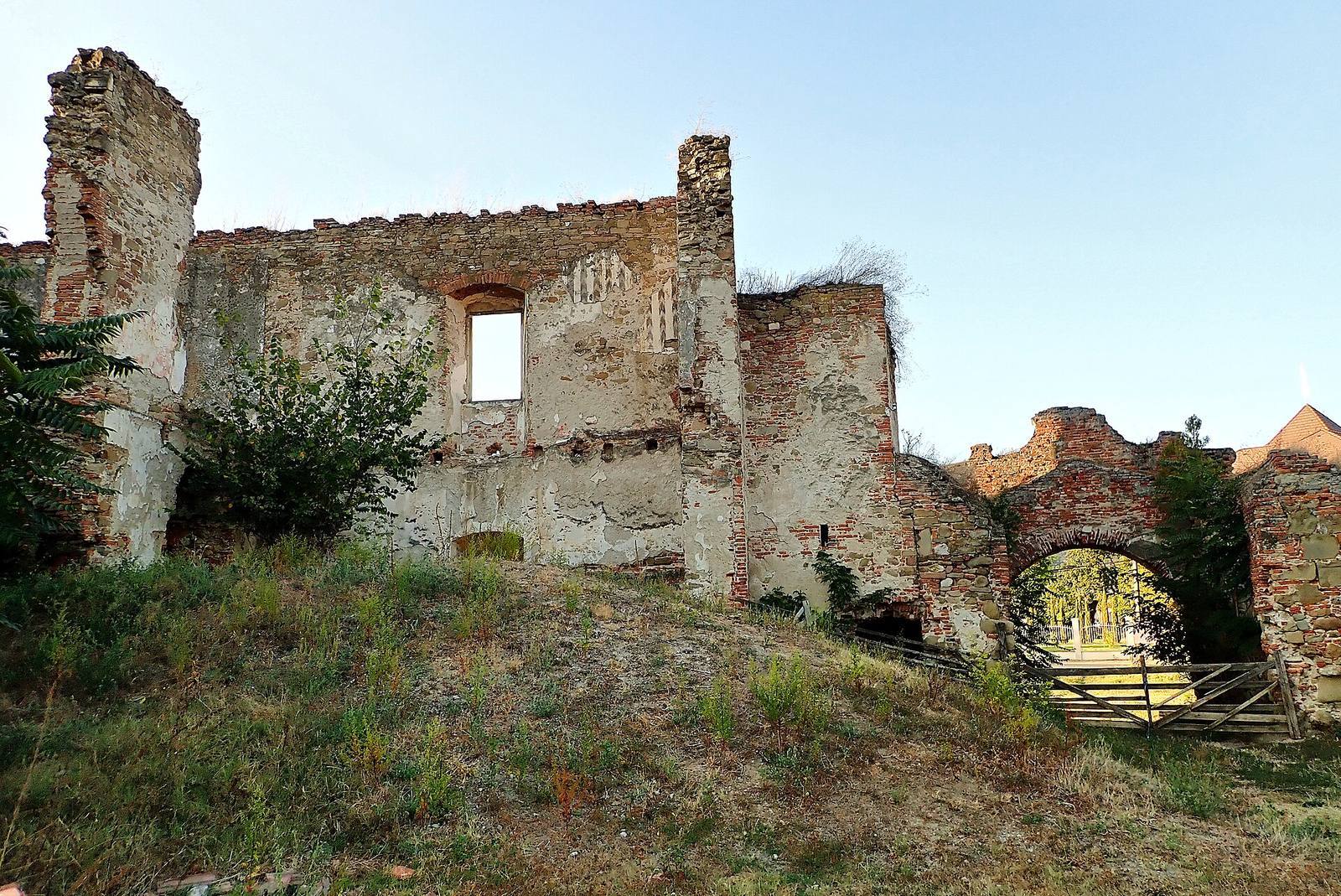
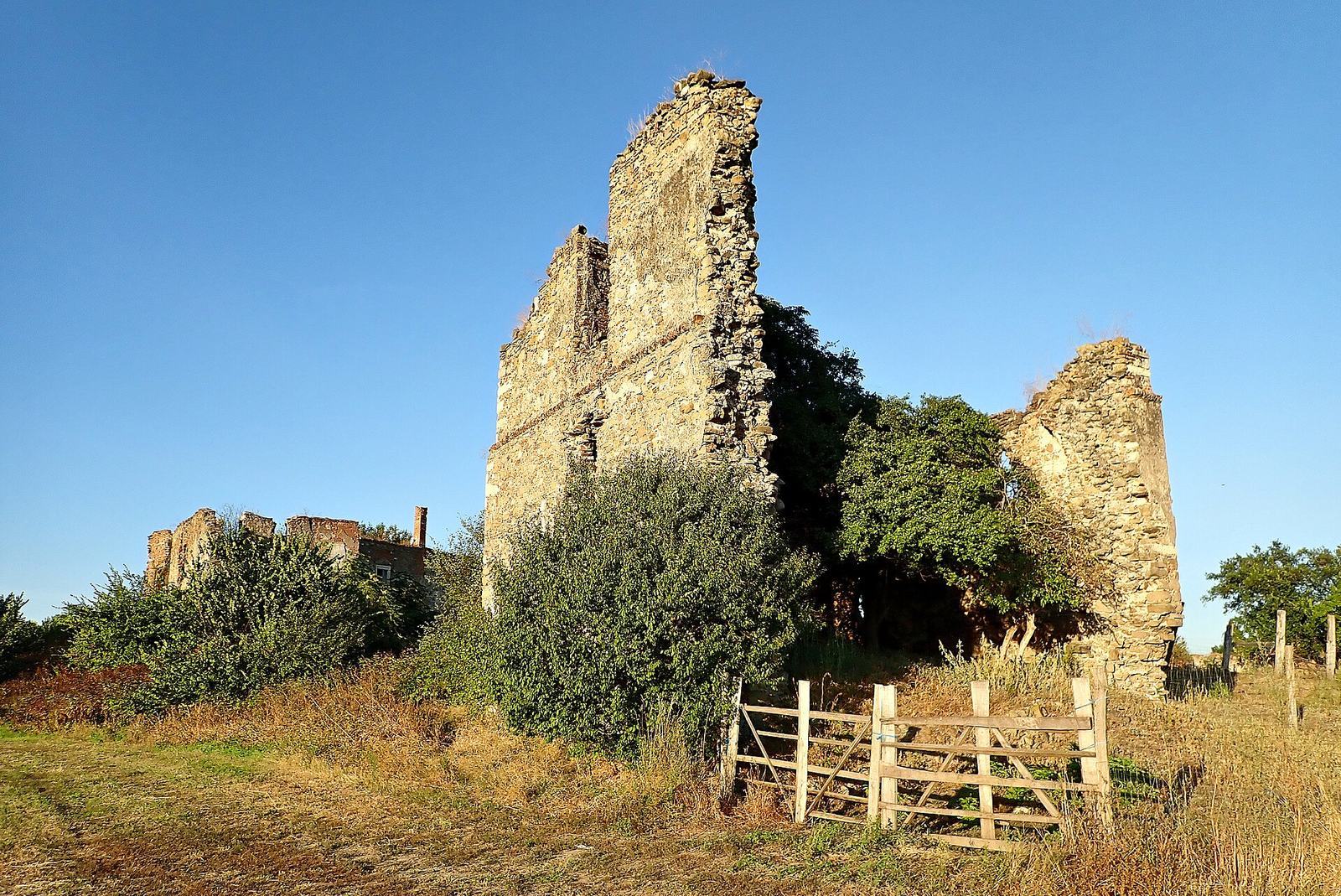
During Romania’s communist rule, the castle deteriorated while being used for industrial storage, as a granary and as a meat-processing plant. Its northern parts collapsed in 1981. After the 1989 Romanian Revolution, which ended communist rule, the castle was abandoned and its ruins faced the threat of further collapse. The ruins are designated a national historic monument in Romania.
Remains
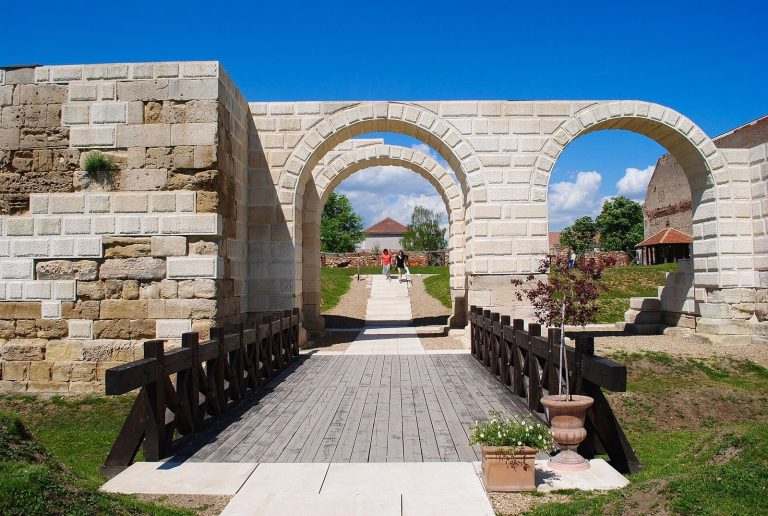
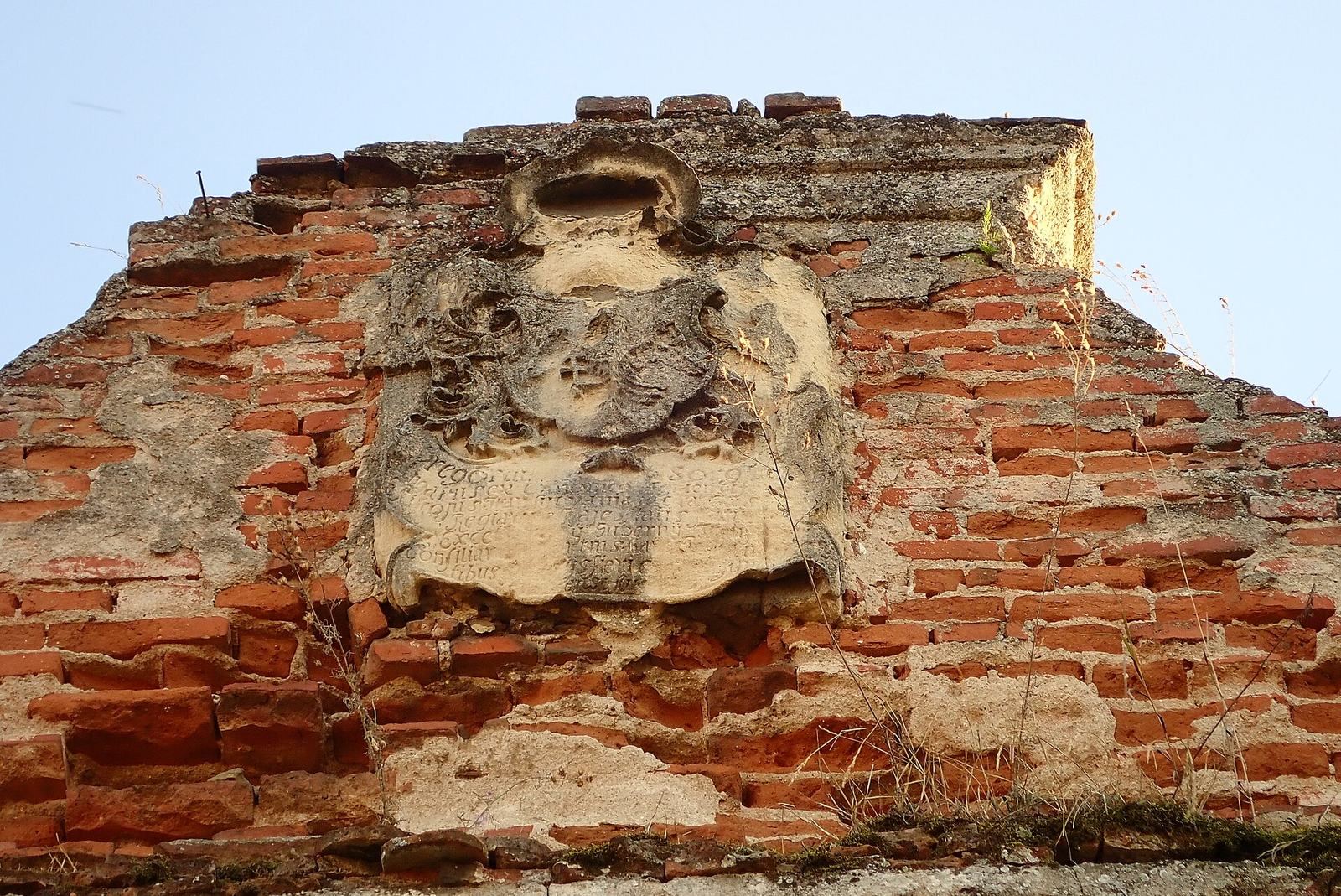
The castle survives as ruins, with its dungeons identified as parts of the fortress.