Pałac pod Karczochem: A Neo-Gothic and Eclectic Palace in Warsaw
Site at a Glance
- Popularity
- Medium
- Country
- Poland
- Primary era
- Modern
- Eras represented
- Modern
- Civilizations
- Russian
- Site type
- Domestic
- Remains
- Elite Residence
On this page6 sections
History
Before and after construction
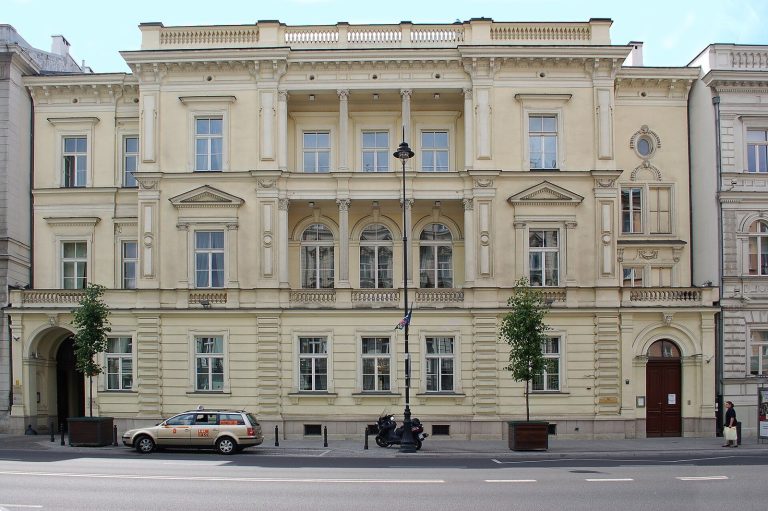
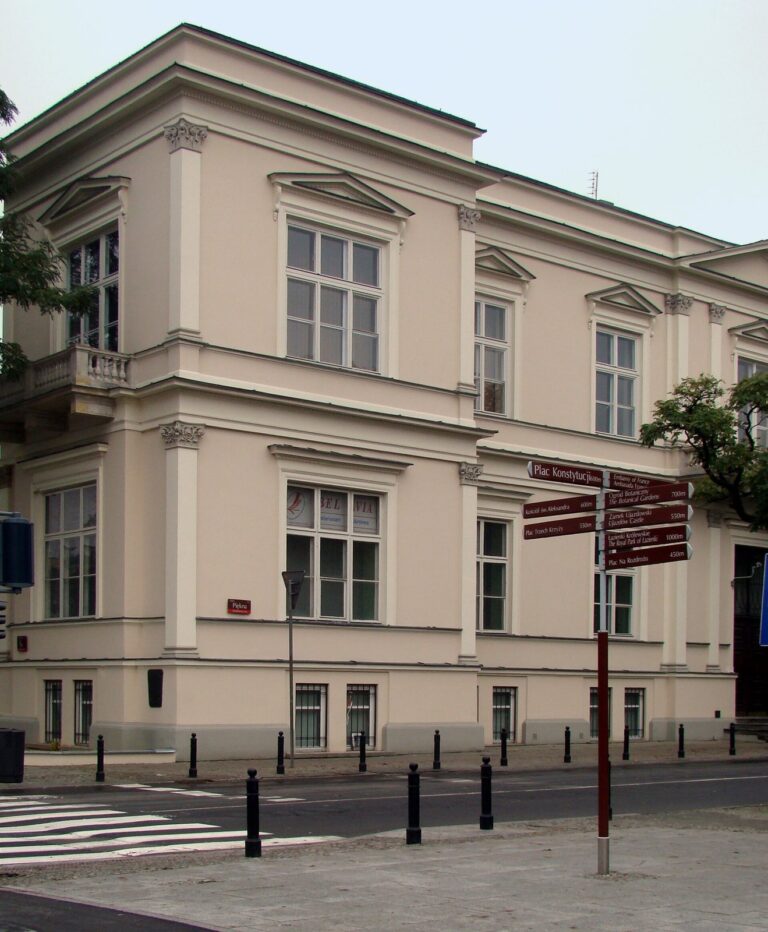
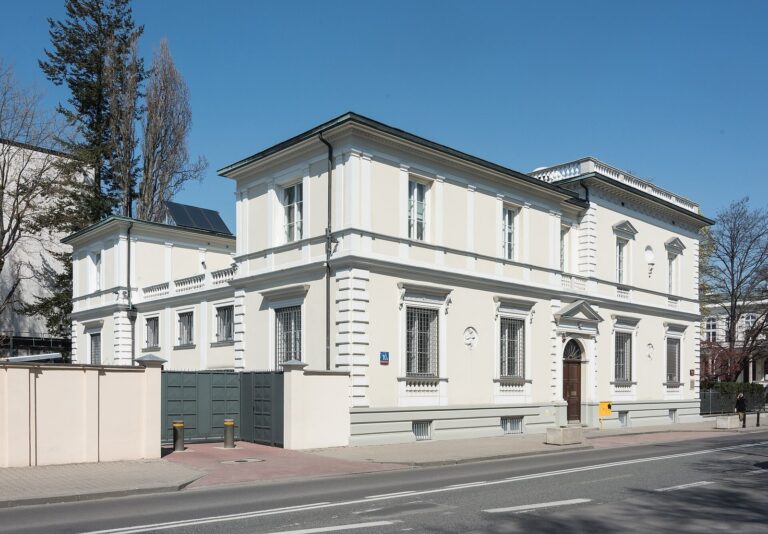
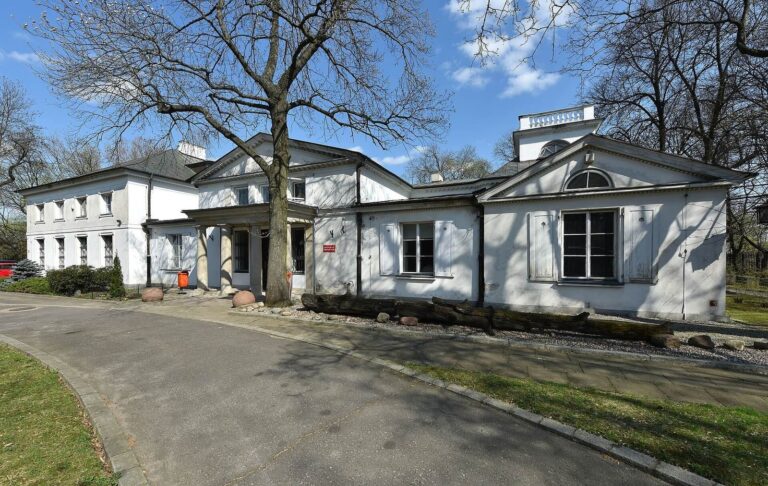
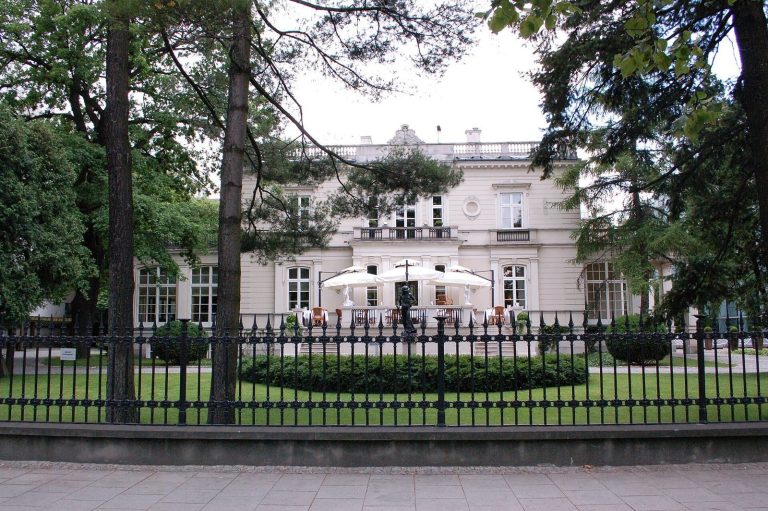
Pałac pod Karczochem, also known as the Marconi Palace, is a two-storey palace on Warsaw’s historic Royal Route in Poland, a route connecting important parts of the city. Built in 1845–1846 to a Neo-Gothic design, it revives forms associated with medieval Gothic architecture. The architect was Antonio Corazzi, an Italian designer who worked in Poland. Before the palace, the site held a garden pavilion owned and designed by Szymon Bogumił Zug, an eighteenth-century architect active in Warsaw. Jan Kanty Sokołowski, an official from Kraków, owned the property by 1844 and became the palace’s first owner.
Nineteenth-century owners and changes
After Sokołowski died in 1855, his daughter inherited the property and sold it. M. Pawluć is listed as an owner from that year. Tekla Zbijewska owned the palace by 1863, followed by Jan Bagniewski from 1879 and Ludwik Jaroszyński from 1882. Zbijewska rented it to physicians Ropowicz and Bernard, who established a well-regarded women’s clinic there. Jaroszyński later commissioned modernization supervised by Bronisław Brodzic-Żochowski.
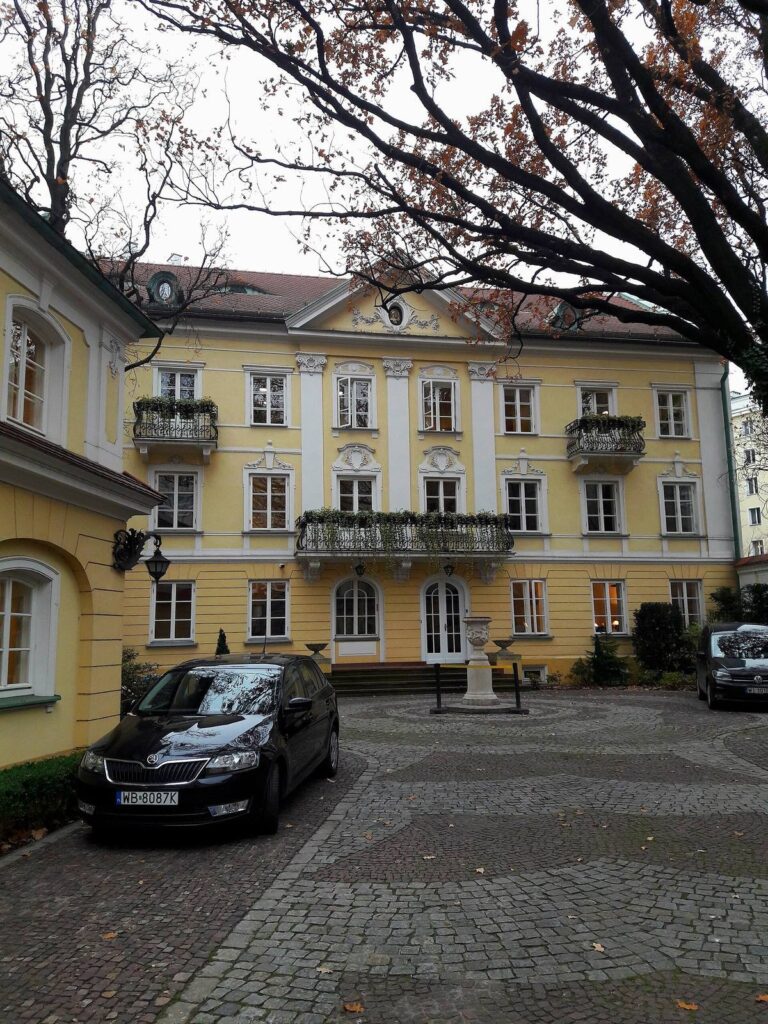
In 1884, Warsaw entrepreneur Henryk Marconi bought the property at auction. From 1884 to 1886, his brother Leandro expanded and remodeled the palace in an eclectic style, combining elements from different architectural traditions.
Wartime and postwar uses
During the German occupation of Warsaw, an office of the Nazi Party used the palace from 1941 to 1945. The building suffered only minor damage in the Second World War and was repaired afterward. The Polish Workers’ Party occupied it in 1945–1946, followed by the Polish-Soviet Friendship Society in 1946–1947. The North Korean embassy was based there from 1947 to 1984. The palace also served as an embassy for the Mongolian People’s Republic, the official name of Mongolia under its socialist government from 1924 to 1992.
Later institutional and diplomatic use
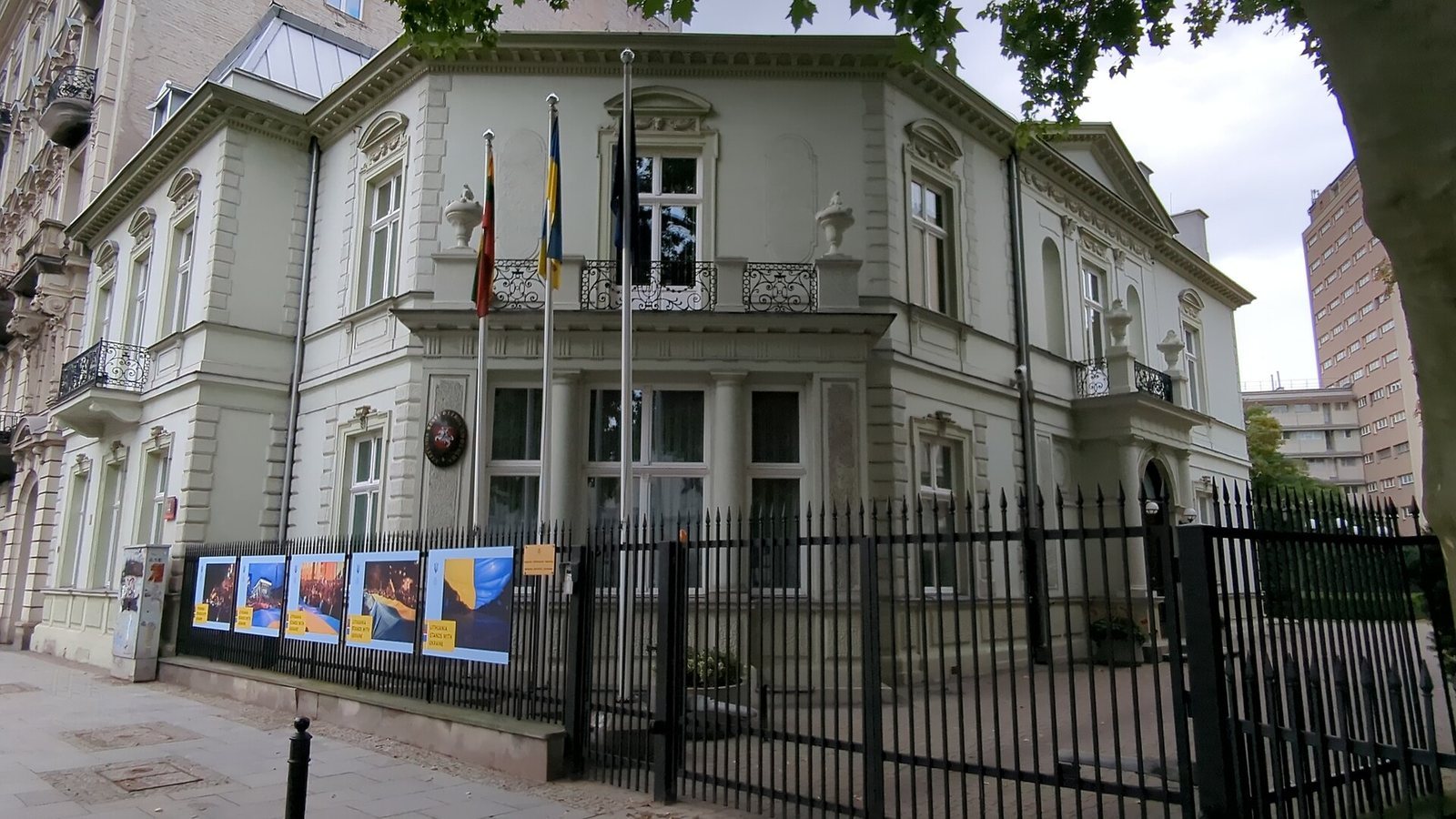
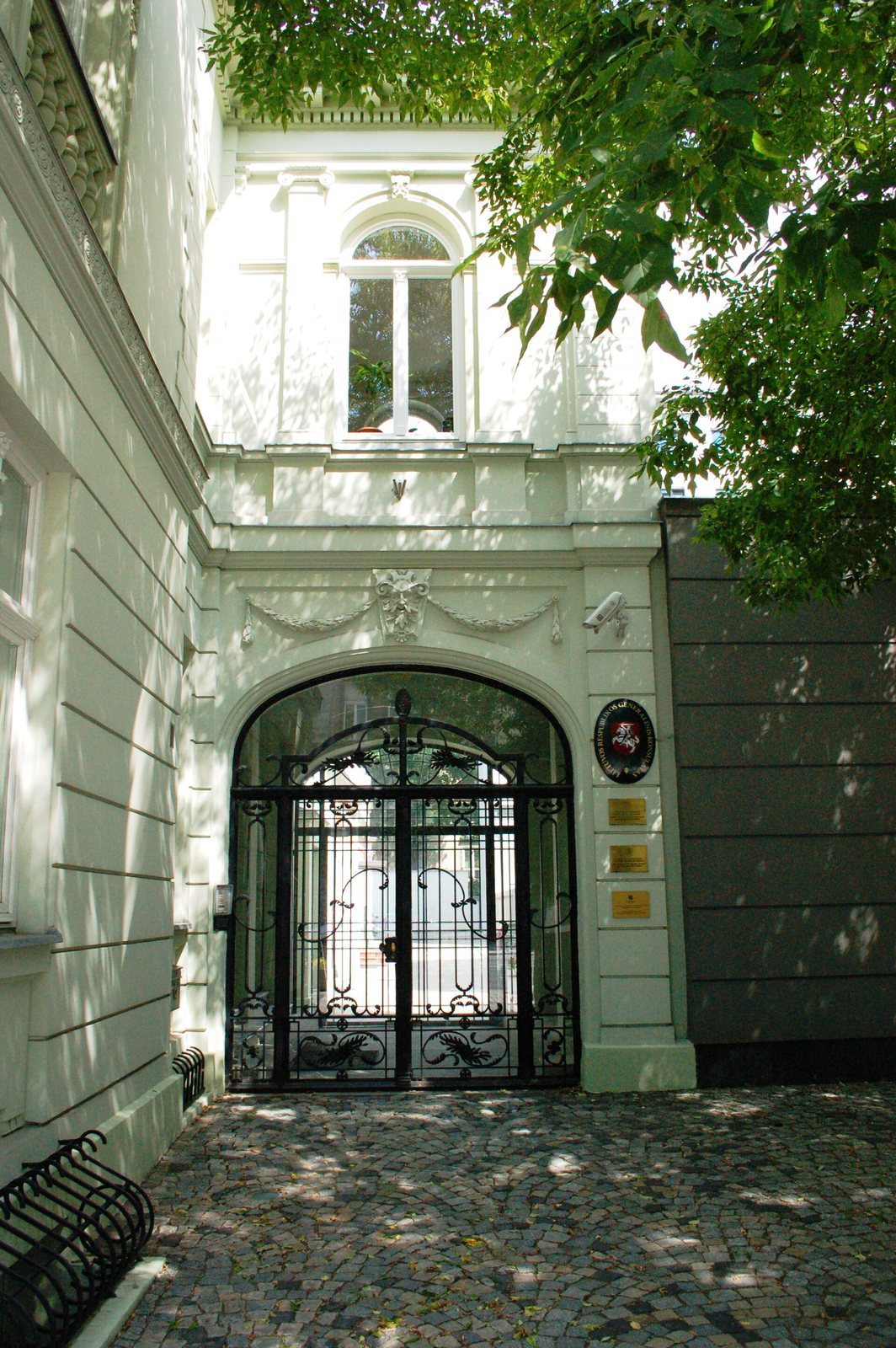
The European Union’s representative office occupied the palace from 1992 to 2002. The Lithuanian embassy has been based there since 2006. The property belongs to the family of Stanisław Jerzy Komorowski, who died in an accident in 2010.
Remains
The two-storey palace combines Neo-Gothic features with later eclectic alterations. Some of its original Neo-Gothic elements remain. The earlier garden pavilion stood in a small park and had a dome topped by an artichoke-shaped ornament, which gave the palace its name, meaning “Palace under the Artichoke.” Some remains of the pavilion were incorporated into Corazzi’s building.