Chokier Castle: From Medieval Fortress to Pleasure Residence
Site at a Glance
- Popularity
- Medium
- Country
- Belgium
- Primary era
- Early Modern
- Eras represented
- Medieval, Early Modern
- Civilizations
- Holy Roman Empire, Prince-Bishopric of Liège
- Site type
- Domestic
- Remains
- Castle
On this page10 sections
History
Medieval fortress
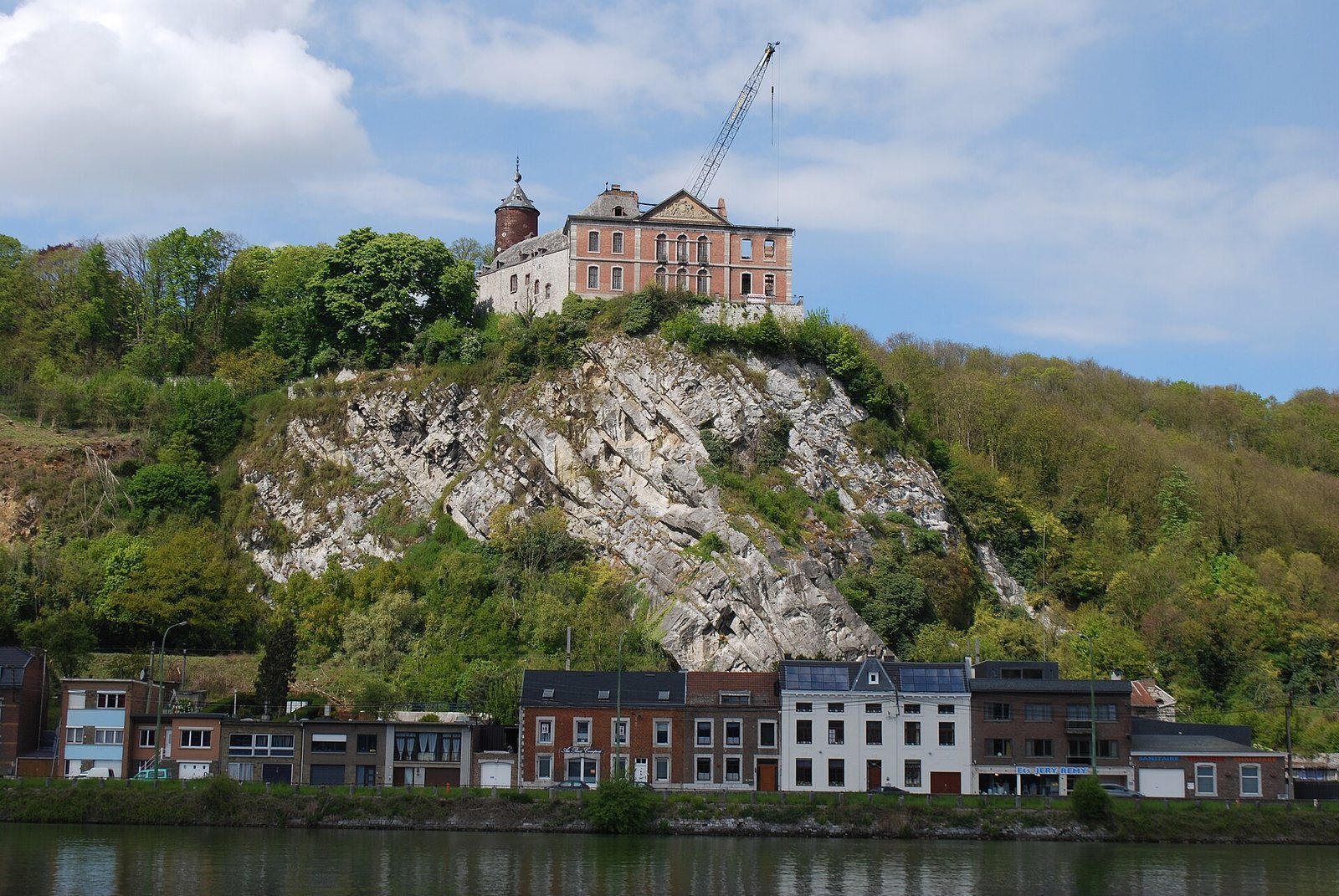
Chokier Castle stands on the steep limestone outcrop of Mont Iohy above the Meuse valley’s left bank in Belgium. Its origins date to the 13th century, when it was associated with the Rulant de Fontaine family, former counts of Hozémont. The fortified site controlled access to Liège. Before the castle’s beginnings, the estate belonged to the Benedictine Abbey of Saint-Jacques in Liège until the 12th century.
Late in the 13th century, during the Awans-Waroux War, a conflict among local noble families, William of Hozémont challenged Hugh III of Chalon, the prince-bishop of Liège. A prince-bishop held both religious authority as a bishop and temporal rule over a territory. The castle was razed, and William later sold it to his cousin Otton de Fontaine. The fortress was rebuilt, but in the 14th century a coalition from Liège, Huy, and Dinant burned it during an attack. Around this period, Jean Surlet became lord of Chokier, and the Surlet family held the castle for about two centuries.
Inheritance and dispute
Marie de Senzeille inherited the castle in 1564. After two childless marriages and the deaths of both husbands, she married Jean-Jacques Barbiano de Belgioso in 1596. He had her imprisoned and isolated in Diest. As she neared death, Marie wrote a testament in blood in her prayer book, leaving the castle to her nephew Paul de Berlo. Barbiano nevertheless kept the property. After Barbiano’s death, Paul pursued his claim, which was upheld following a lengthy legal case in Rome.
Residence and changing ownership
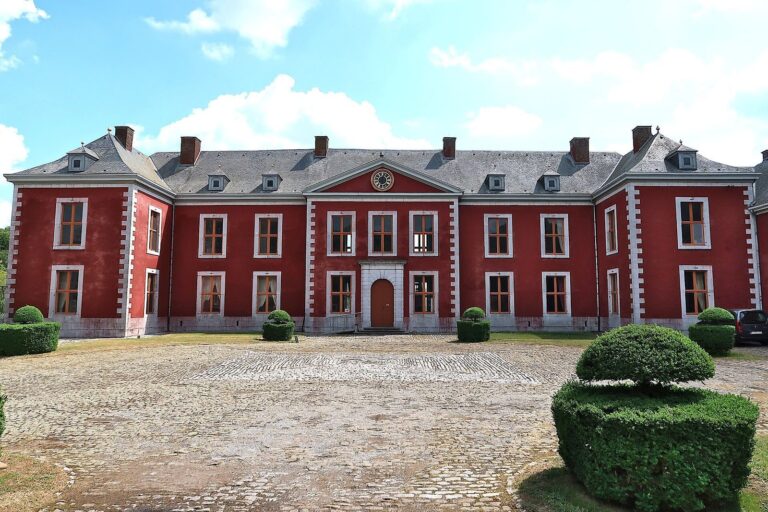
By the 18th century, the castle’s military importance had declined. A major fire occurred around 1700. Decades later, Jean-Amour de Berlo restored the property and transformed it into a residence designed for comfort rather than defence. His descendants, burdened by debt, relinquished the estate to Antoine Defays in 1812. Defays sold it to Louis-Henri de Loison in 1813, and it was Loison’s property by 1815.
Loison, a French general who served Napoleon, hosted Napoleon Bonaparte at the castle during a visit to Liège. Loison died in 1816 and was buried in a mausoleum in the park. The castle passed to the Clercx de Waroux family in 1852. At a sale in 1867, Loison’s tomb and remains were transferred to Père-Lachaise Cemetery in Paris.
Damage and recent ownership
On 1 December 1946, a collapse of the cliff below the castle sent rock onto the railway beside the Meuse, blocking the Namur–Liège line. The fall involved about 3,000 cubic metres of material, weighing roughly 8,500 tonnes. Clearing the line took six weeks, after which rail service resumed.
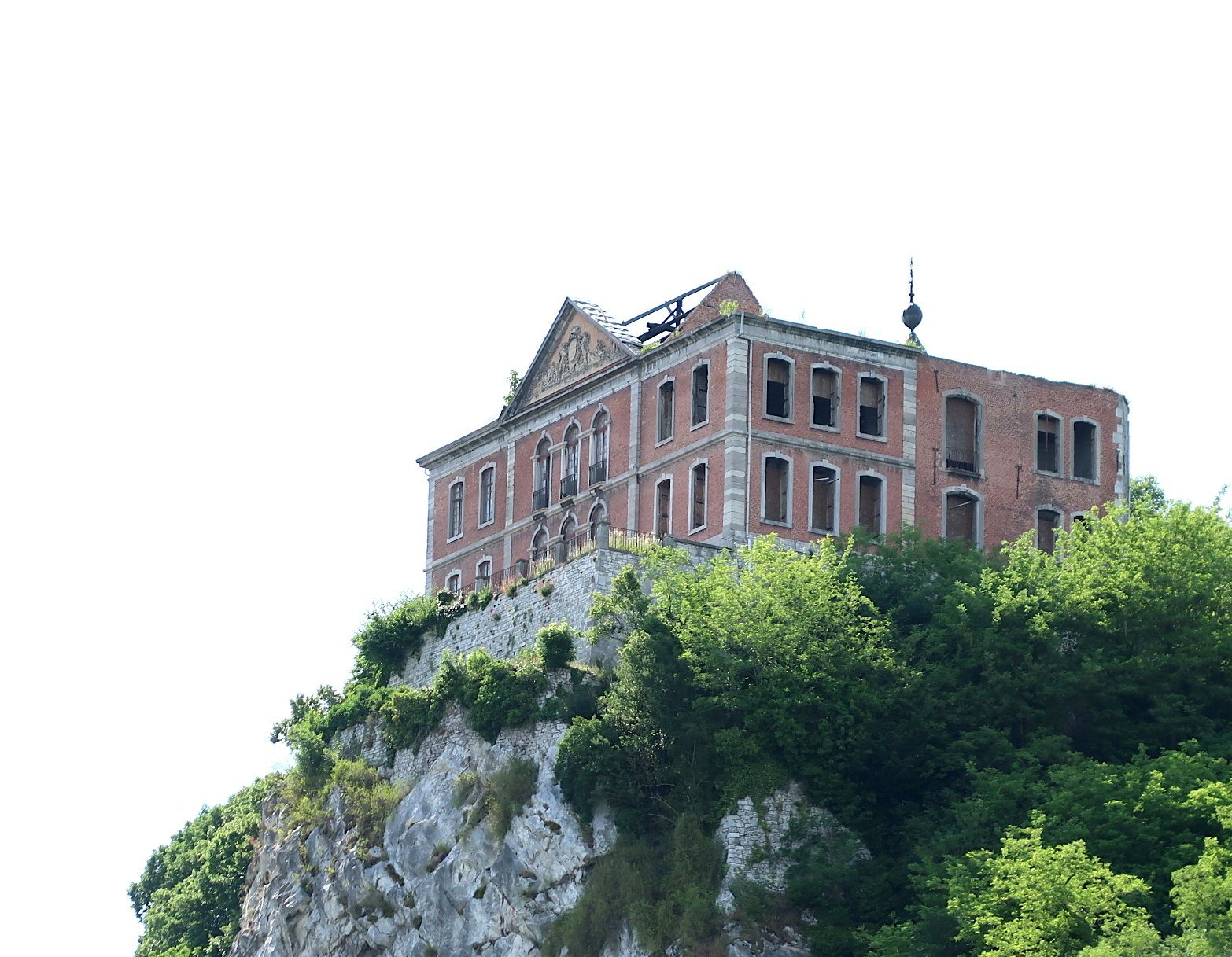
The Florani family acquired the castle in the early 2000s. An accidental fire on 27 March 2017 severely damaged the building. A malfunctioning electric blanket was considered a possible cause.
Remains
Fortifications and rocky setting
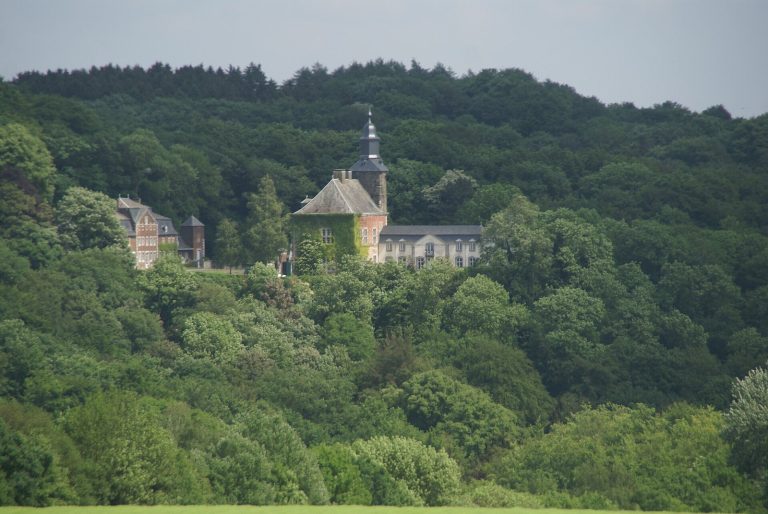
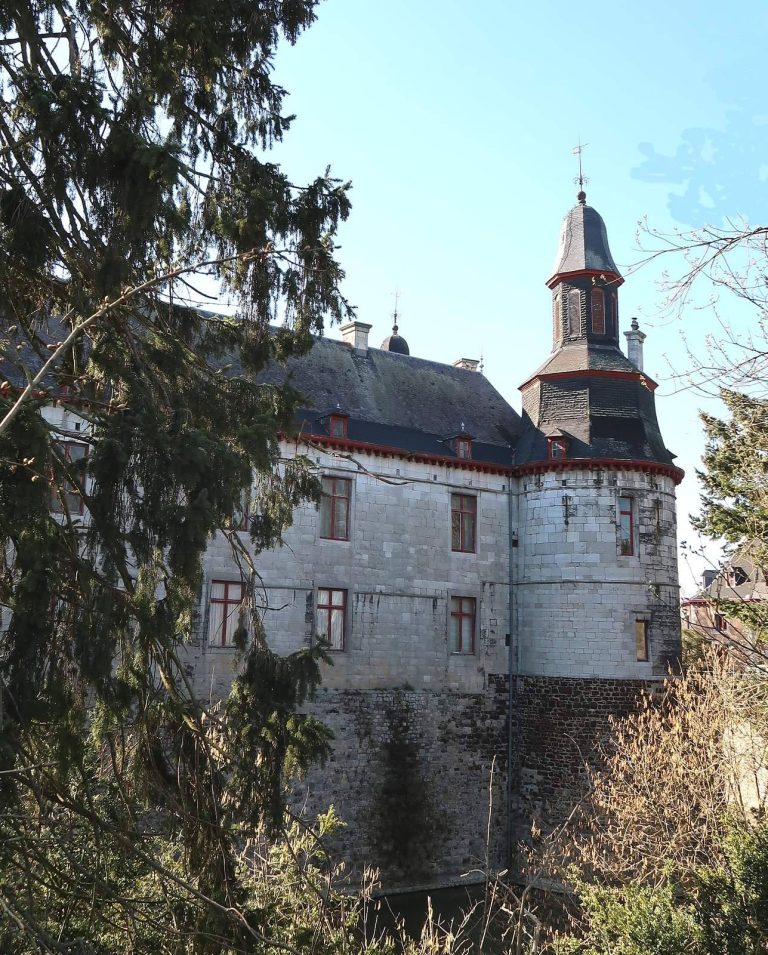
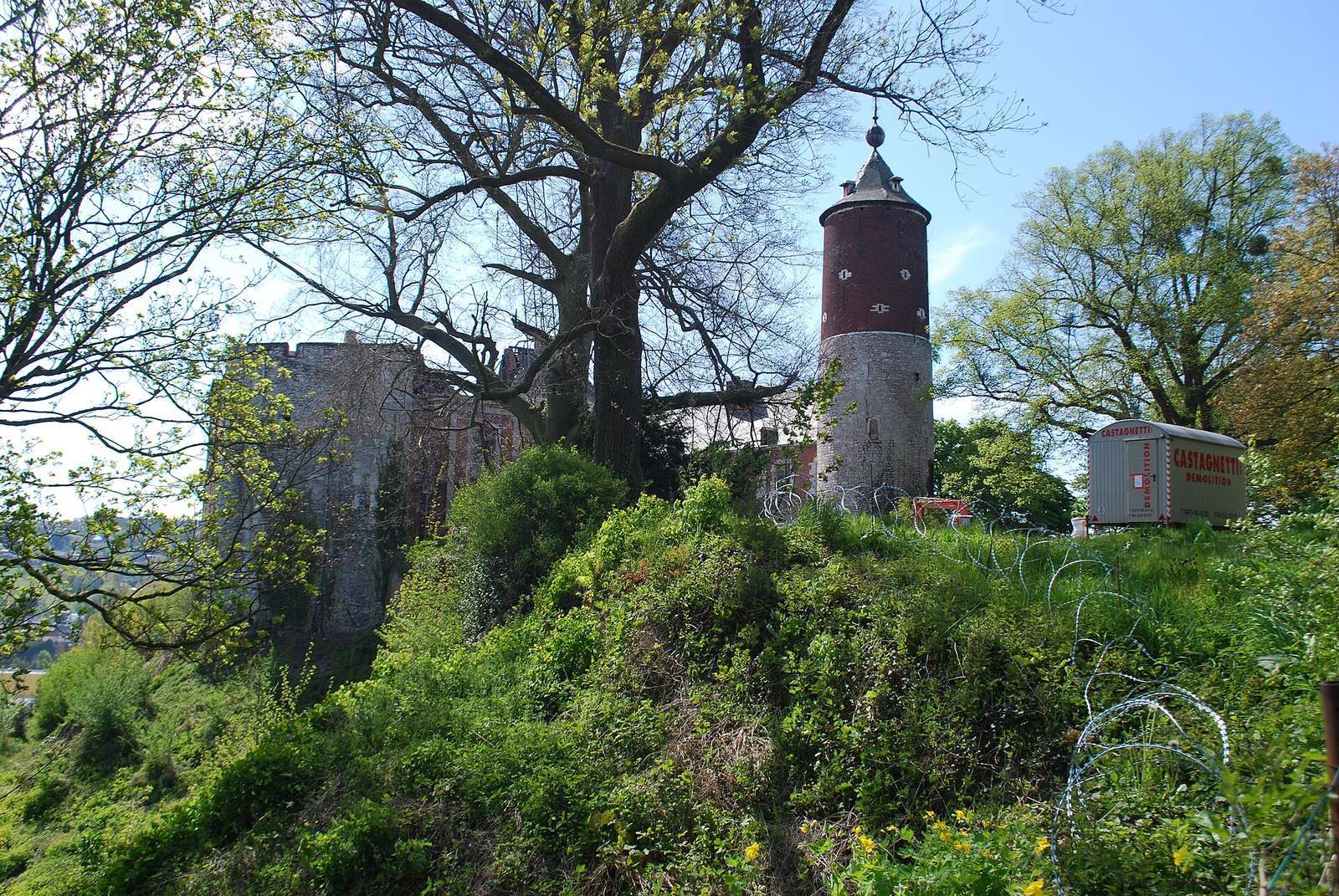
The castle occupies a steep limestone outcrop on Mont Iohy, with its fortified position built into the rock above the Meuse valley. The base of the northwest tower is the oldest surviving part. The defences were enlarged over time with an encircling wall and nine bastions, which are projecting defensive works built into a fortification.
Residential buildings
The two wings date to the 16th century. The central building, whose Classical-style façade can be seen from the Meuse valley, dates to the 18th century. When the fortress was converted into a residence, little of the earlier castle was retained apart from a round tower. The 1946 cliff collapse carried away part of the castle terrace, and the 2017 fire destroyed the left wing.
Mining and the surrounding ground
Lime was quarried near the castle and burned in kilns to produce mortar; alum was also mined in the area. Waste from the mining accumulated at the foot of the rock and gradually formed ground on which Chokier village developed. As that land built up, the rock was no longer surrounded by water.
Images and the park mausoleum
Chokier Castle appears in a 1562 work by Pieter Bruegel the Elder, a 1564 miniature illumination, or small decorated image, in Robert Quercentius’s Gospel book, and an oil painting by Lucas van Valckenborch dated 1580. Later images include prints by Mathieu Xhrouet from 1725 and 1738, a 1738 print by Remacle Leloup, and a 1791 aquatint, a form of printmaking, by John Gardnor. A more tentative interpretation identifies the castle in Jan van Eyck’s Madonna of Chancellor Rolin.
A mausoleum by the French sculptor Jean-Jacques Flatters stood in the park as Loison’s tomb before its transfer to Père-Lachaise Cemetery.