Feartagar Castle: A Tower House in Ireland
Site at a Glance
- Popularity
- Medium
- Country
- Ireland
- Primary era
- Medieval
- Eras represented
- Medieval, Early Modern, Modern
- Civilizations
- British, Norman
- Site type
- Military
- Remains
- Castle
On this page8 sections
History
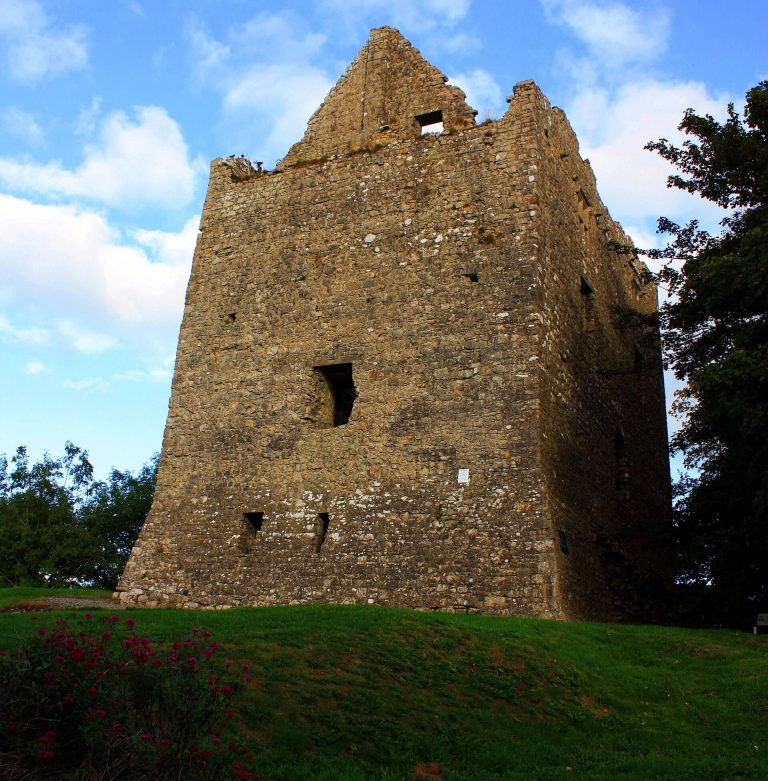
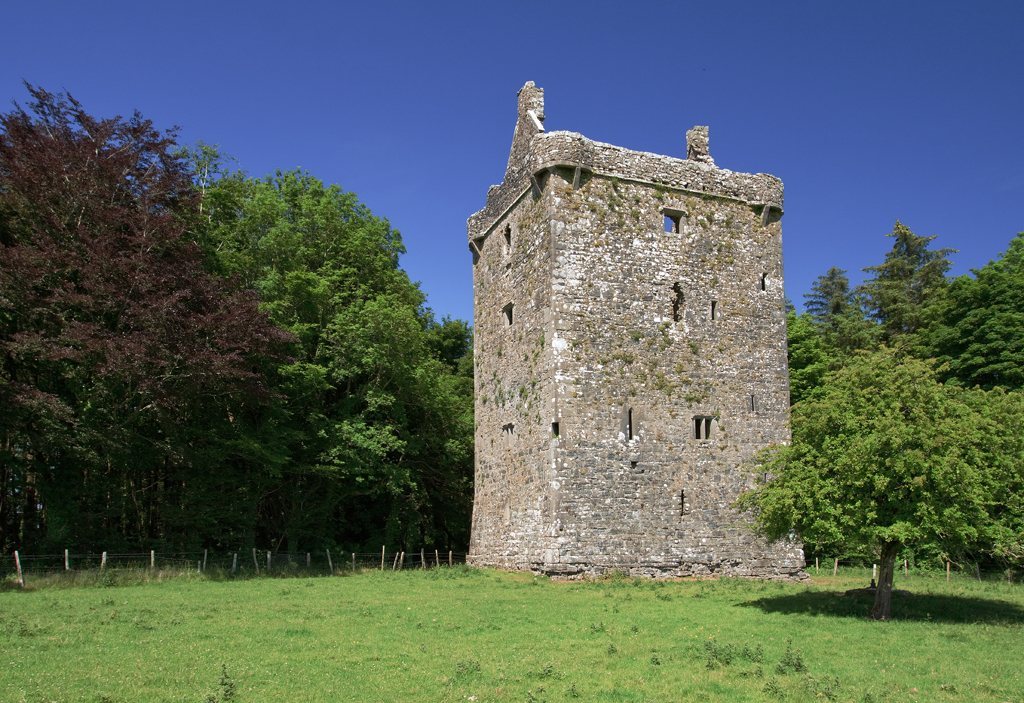
Feartagar Castle is a tower house, a fortified residence built around a tall tower, in Castlegrove East, Ireland. It was built for the de Burgh family between the 15th and 17th centuries.
The de Burgh family
The family descended from William de Burgh, an Anglo-Norman knight. Anglo-Normans were people of Norman and other French origins who established power in Ireland after the Norman invasion. William was a close associate of King John, who ruled England from 1199 to 1216. The de Burghs held power in Connacht for centuries, and Burke earls periodically lived at the castle.
Dispossession and change of ownership
In 1651, during the Cromwellian conquest of Ireland, the parliamentary campaign led by English military and political leader Oliver Cromwell, the family was dispossessed. The castle was granted to Cromwell’s supporters and later passed through several owners, including the Blakes of Tuam and, subsequently, the Jennings family.
Edward Blake and later history
Edward Blake, a 19th-century Irish landowner, said that the Blakes had defended the land and castle for a long time. He died in 1886, after which the estate and castle were sold to John Cannon. This branch of the Blake family later emigrated to Canada. Feartagar Castle is a National Monument of Ireland and is listed as state-owned.
Remains
The castle stands on a hill near the River Nanny, about 2.3 km east of Kilconly and 8.4 km northwest of Tuam. Its principal structure is a well-preserved tower built of roughly laid stone. The Blake landowners also had a separate house in woodland beside Claureen Lake.
Buildings
Tower house
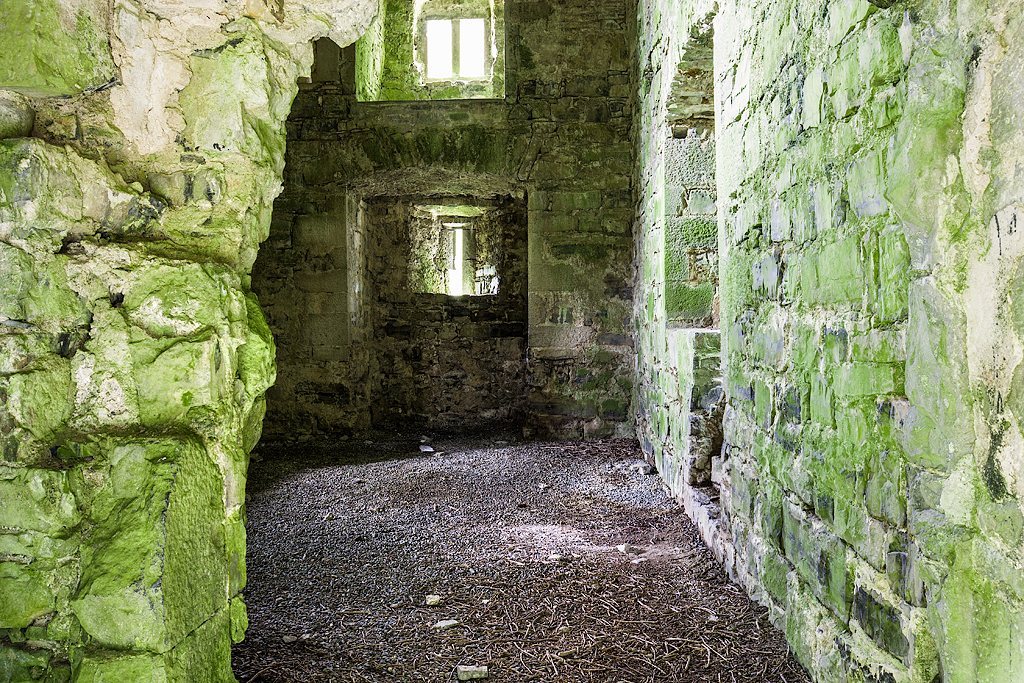
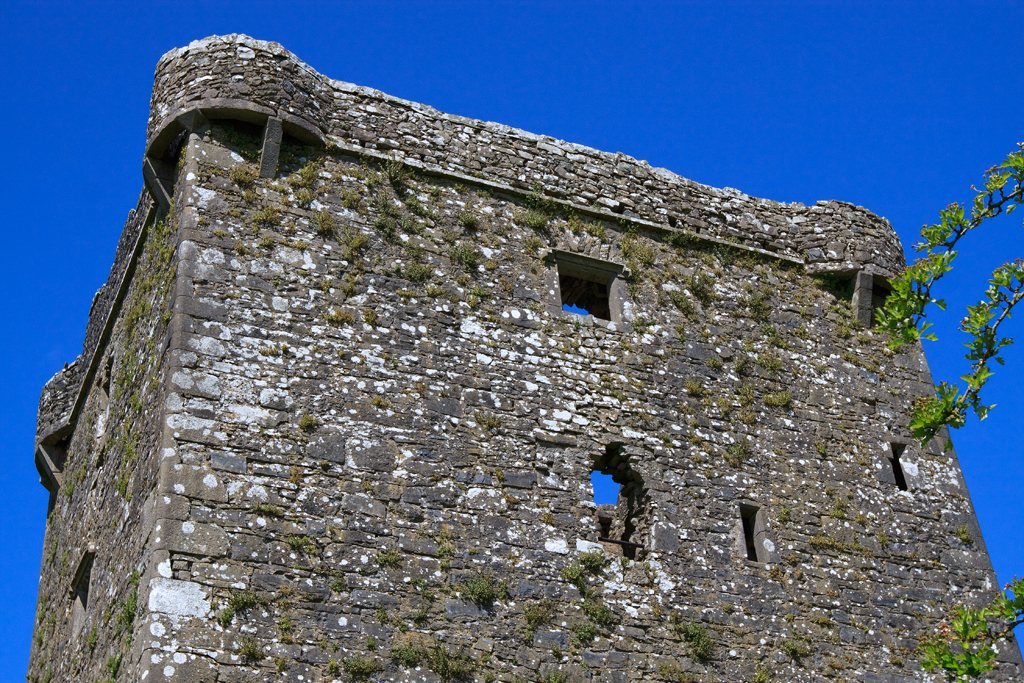
The five-storey tower has a base measuring 12 by 10 metres. It contains two stone staircases, and an upper floor has a vaulted ceiling. Rounded turrets project from each corner. Above the entrance, a defensive feature allowed defenders to attack people below, and a chute carried waste from a latrine. Edward Blake commissioned iron doors and a memorial plaque for the castle.
House beside Claureen Lake
The separate house in the woodland had three storeys and a basement. It was regarded at the time as one of the finest houses in County Galway.