Cellier de Clairvaux: A Cistercian Storehouse in Dijon
Site at a Glance
- Popularity
- Medium
- Country
- France
- Primary era
- Medieval
- Eras represented
- Medieval
- Civilizations
- Duchy of Burgundy, French
- Site type
- Economic
- Remains
- Warehouse
On this page5 sections
History
A medieval commercial annex
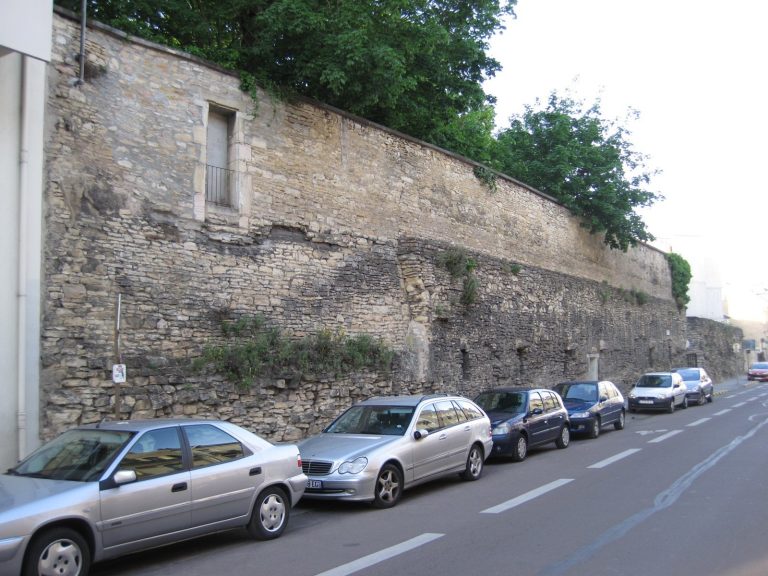
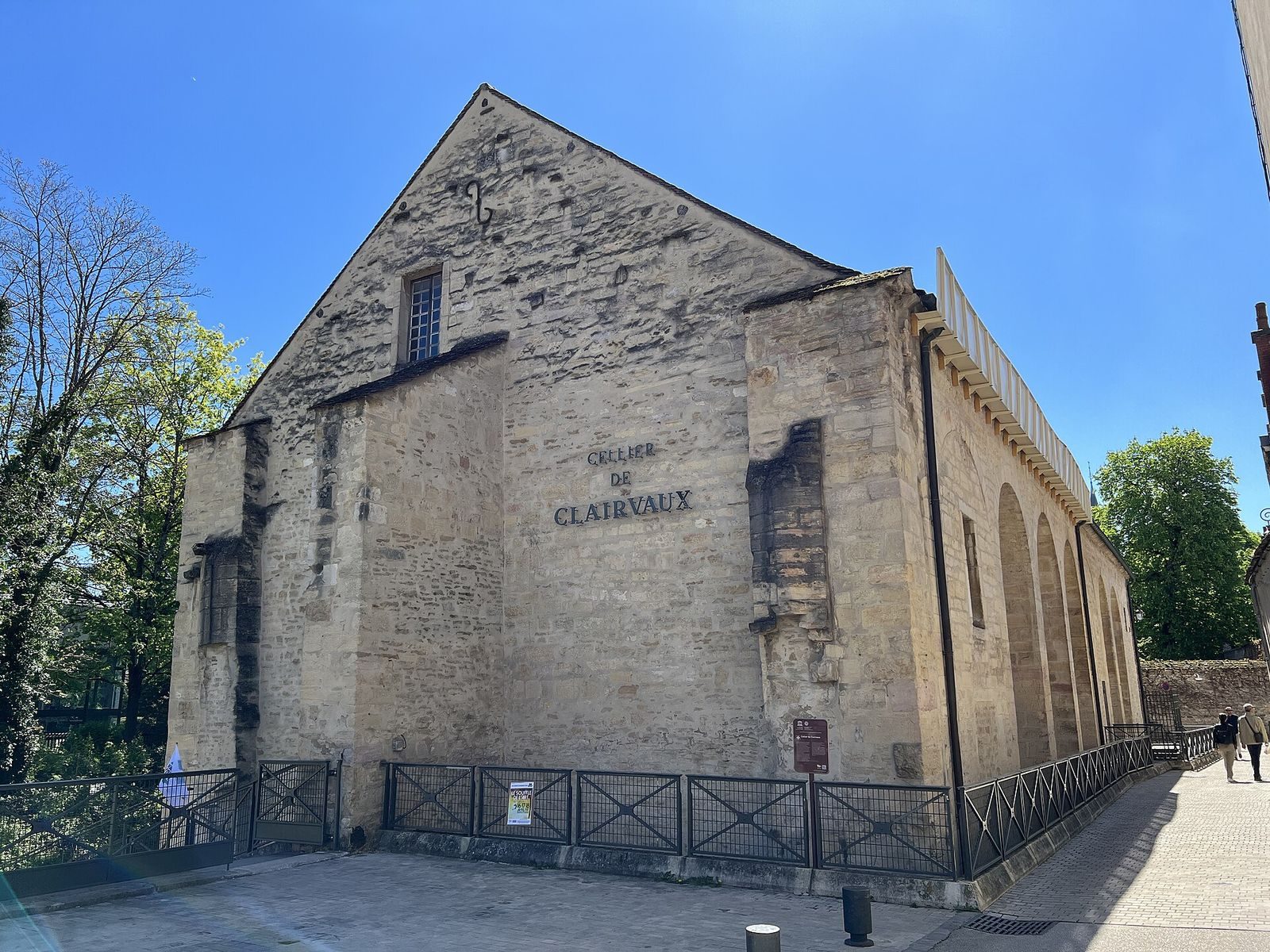
The Cellier de Clairvaux is a thirteenth-century Cistercian storehouse in Dijon, France, built in the early Cistercian Gothic style. It was established by Clairvaux Abbey, a Cistercian monastery in Champagne. The Cistercians were a Catholic monastic order that developed from Cîteaux Abbey, of which Clairvaux was a daughter house.
Serving as a commercial annex for Clairvaux, the Cellier stored and sold goods from the abbey’s local estates, including cereals, hay, and Burgundy wine.
After the French Revolution
After the French Revolution, the property was acquired by the Côte-d’Or departmental council. The surviving portion is now used as a municipal hall. The site received French historic-monument protection through classifications in 1915, 1917, and 1921.
Remains
The storehouse and monastic rooms
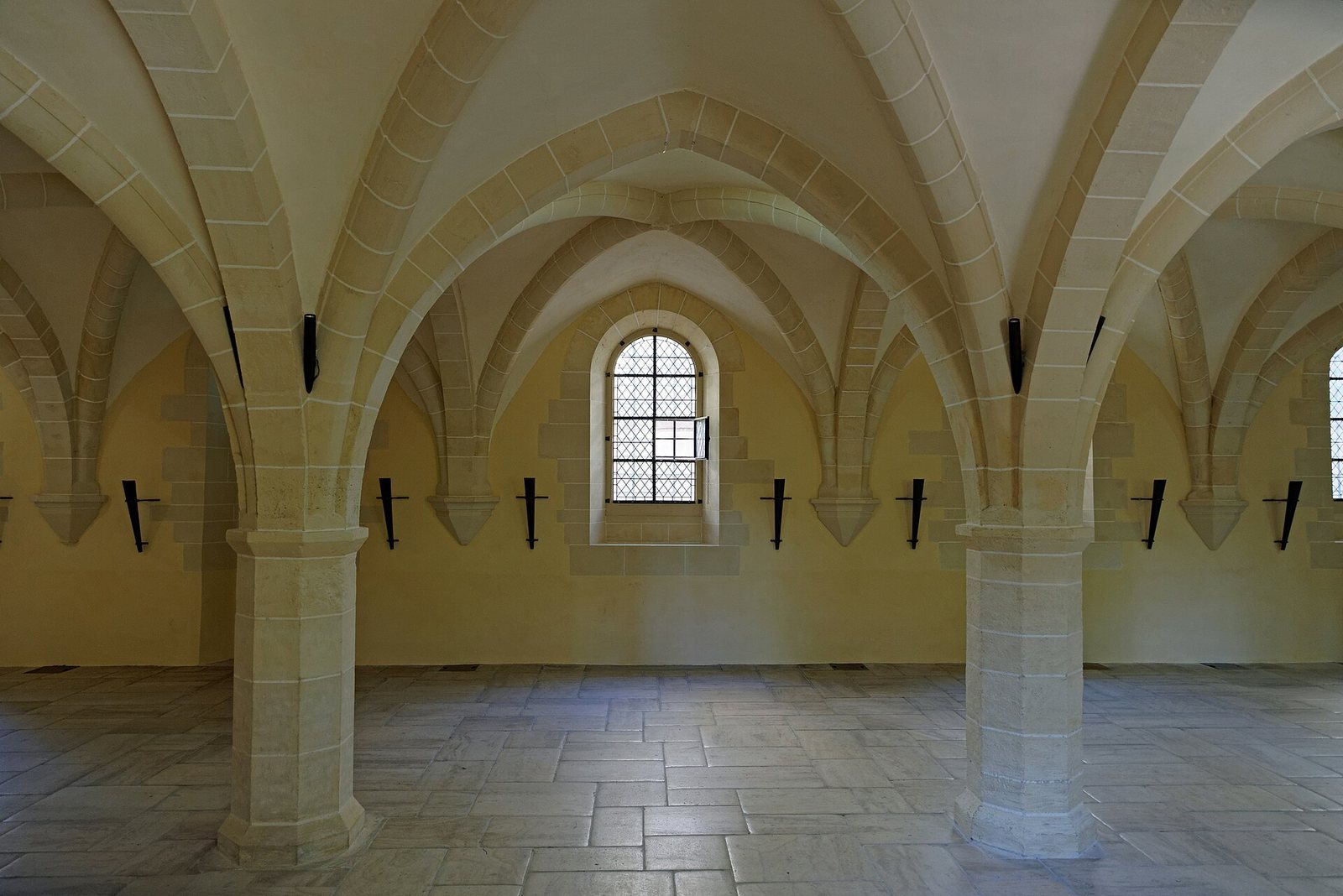
The surviving portion is built in the early Cistercian Gothic style and contains two vaulted rooms, associated with an area of 300 square metres. The complex served as a storehouse, monastic barn, and granary. Its upper floor contained a refectory and a dormitory for monks.