Markgrafenschloss Günzburg: A Habsburg Palace in Germany
Site at a Glance
- Popularity
- Medium
- Country
- Germany
- Primary era
- Early Modern
- Eras represented
- Medieval, Early Modern, Modern
- Civilizations
- Habsburg, Habsburg Austria, Holy Roman Empire
- Site type
- Civic
- Remains
- Palace
On this page6 sections
History
Habsburg town and early palace
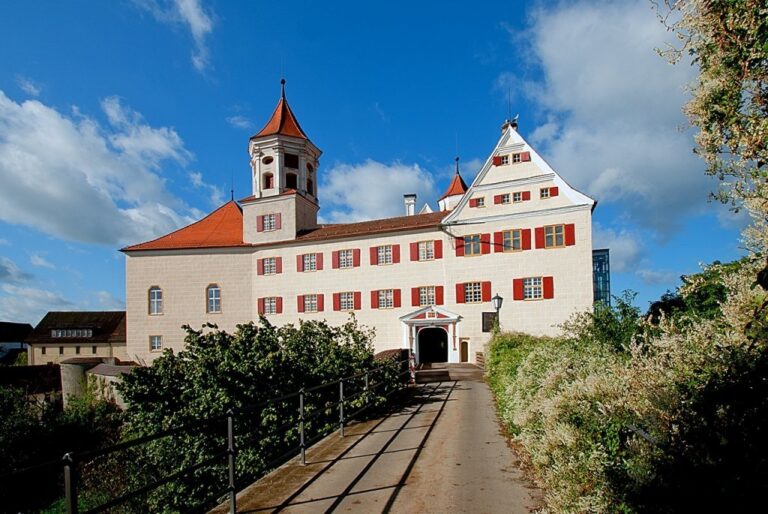
Markgrafenschloss Günzburg is a palace in Germany, built for Archduke Ferdinand II of Tyrol between about 1577 and 1586. The town passed to the House of Austria, the Habsburg dynasty, in 1301 as a vacant fief held from the emperor. The Counts of Berg, who had held the rank of margrave, a territorial ruler, since around 1215, had died out. Under Habsburg rule, Günzburg became the principal town of the Margraviate of Burgau, the territory governed by a margrave.
Soon after the transfer, a planned upper town developed on a ridge spur above the Roman-era lower town, which lay in the valley where the Günz meets the Danube. The market moved uphill, and the upper town quickly overtook the older settlement. Günzburg received high justice in 1418, giving it authority to try serious crimes, including cases carrying severe penalties. A predecessor to the palace was built in 1452.
Residence of the Margraves of Burgau
Alberto Lucchese, an Italian master builder, designed the new palace for Ferdinand II. Its construction required the purchase of several citizens’ houses. The project cost 132,000 gulden, a currency then in use. The Innsbruck court chamber also asked neighboring lordships to provide building materials without charge in honor of the archduke. Invoices for the craftsmen’s work survive.
From 1609 to 1618, Günzburg was the residence of Margrave Karl of Burgau, Ferdinand’s son, who was also governor of Upper Austria. Karl was a strict Catholic, and he and his wife Sybille had no children. After their residence ended, Günzburg returned to the main Habsburg line. Both were buried at the Capuchin monastery Karl founded in 1616. Capuchins are a branch of the Franciscan order.
Fire, rebuilding, and government
A fire badly damaged the palace in 1703. Master builder Valerian Brenner led its rebuilding in the Baroque style, a European artistic and architectural movement prominent in the seventeenth and eighteenth centuries. Joseph Dossenberger the Younger renewed the palace in 1769 and 1770.
On 18 May 1803, Günzburg became the capital of Further Austria, the Habsburg possessions outside the Austrian hereditary lands. The 1803 Final Recess of the Imperial Deputation reorganized territories within the Holy Roman Empire, bringing extensive areas of the former Duchy of Swabia into Further Austria. After the 1805 Peace of Pressburg, a treaty between France and Austria, Günzburg became Bavarian in 1806 and lost its Austrian capital status.
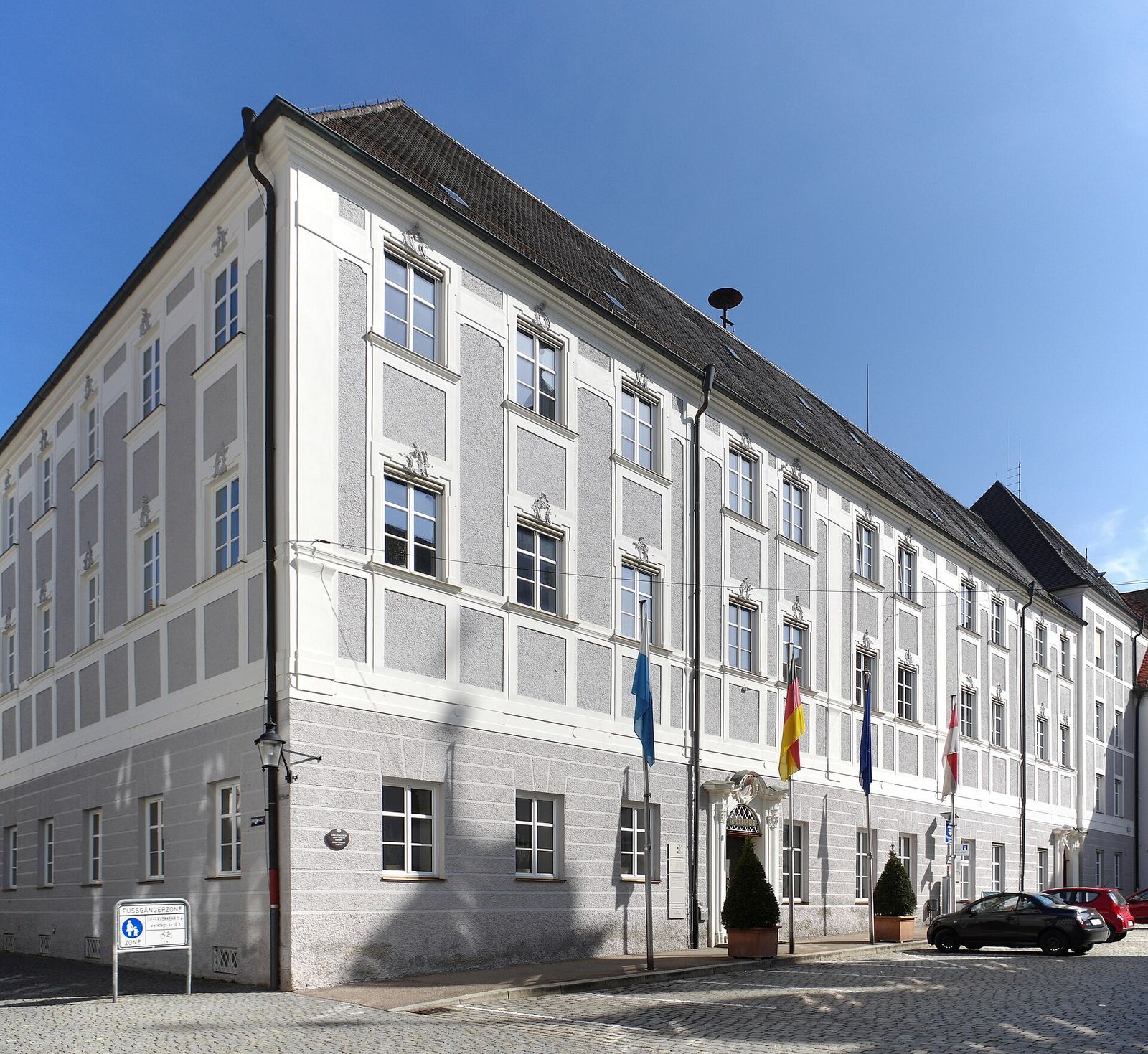
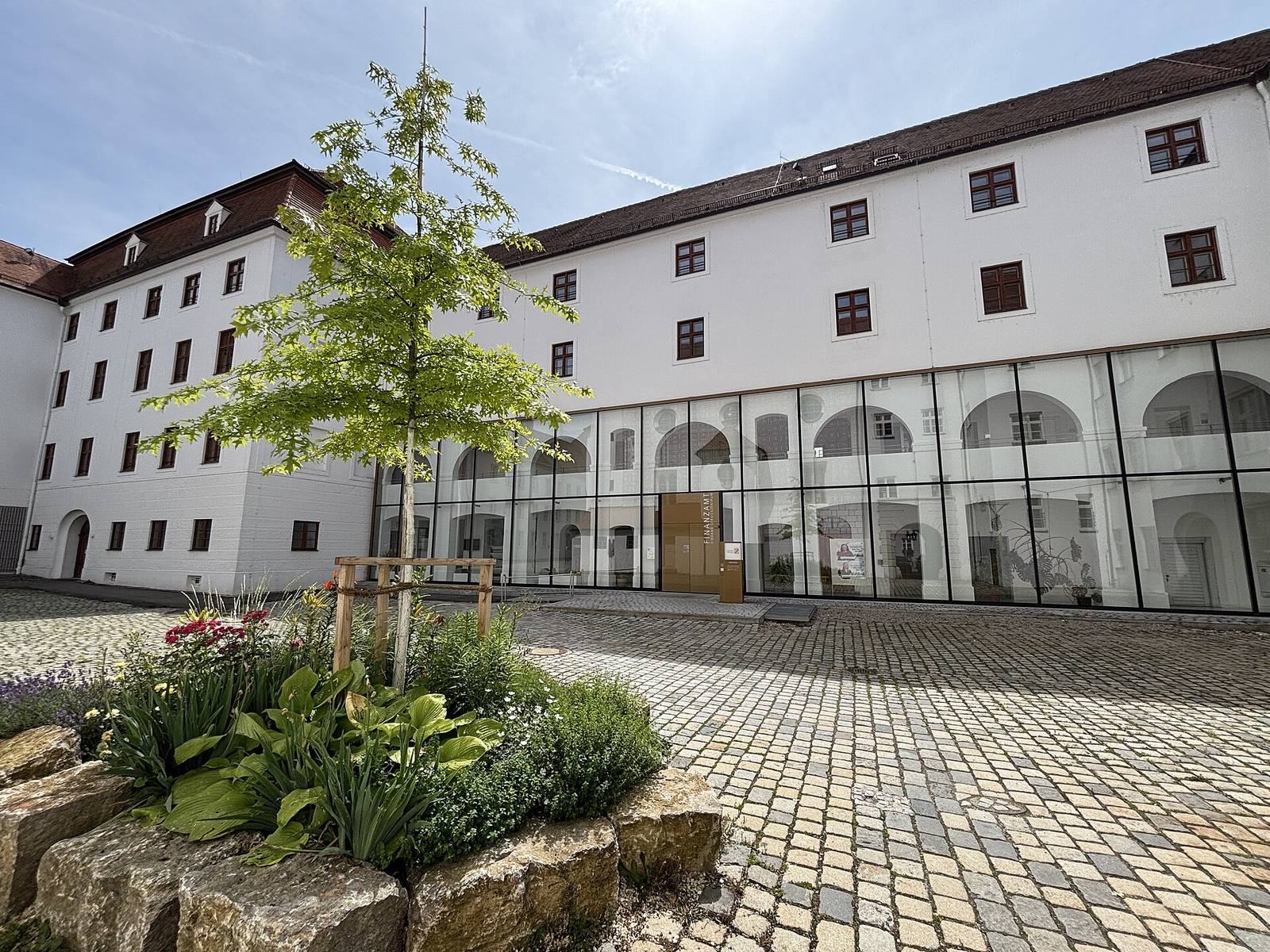
The palace’s representative role gave way to administrative use. It housed a forestry office, a district court under the older judicial system, and a revenue office, now the tax office. Nineteenth-century alterations adapted the building for these functions. It remains the only Habsburg residence in Germany, and large parts of it are used as a tax office.
War damage and modern renewal
A museum run by the Günzburg Historical Association opened in the palace’s south wing in 1937. It is now housed in a former Piarist building, associated with a Catholic order particularly known for education. On 9 April 1945, an air raid during the Second World War destroyed the palace’s north and south wings. After the war, the complex was rebuilt in a simplified form that gave little regard to its historical character. Comprehensive renovation began in 2016, and work on the south wing was completed in 2022.
Remains
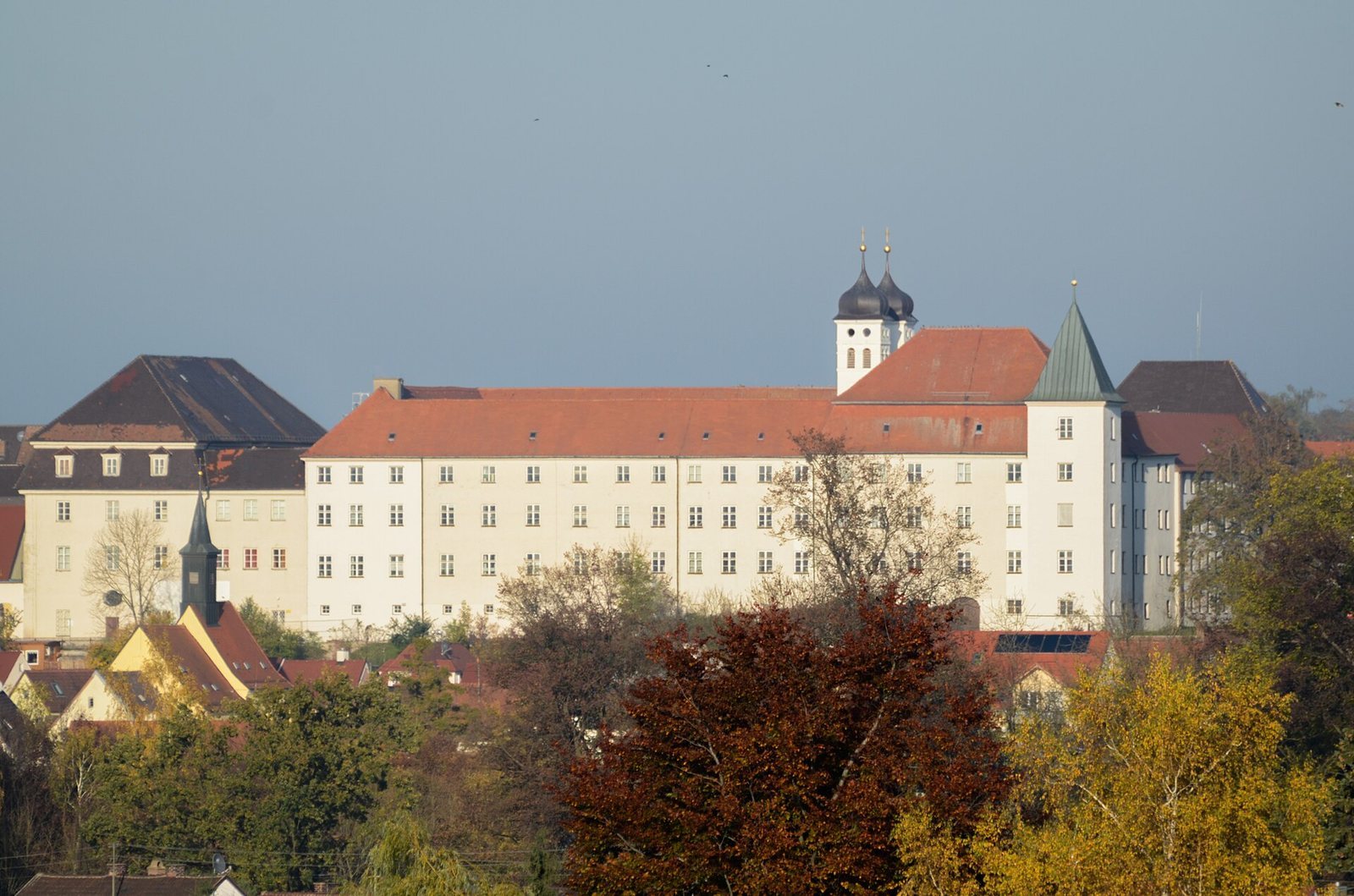
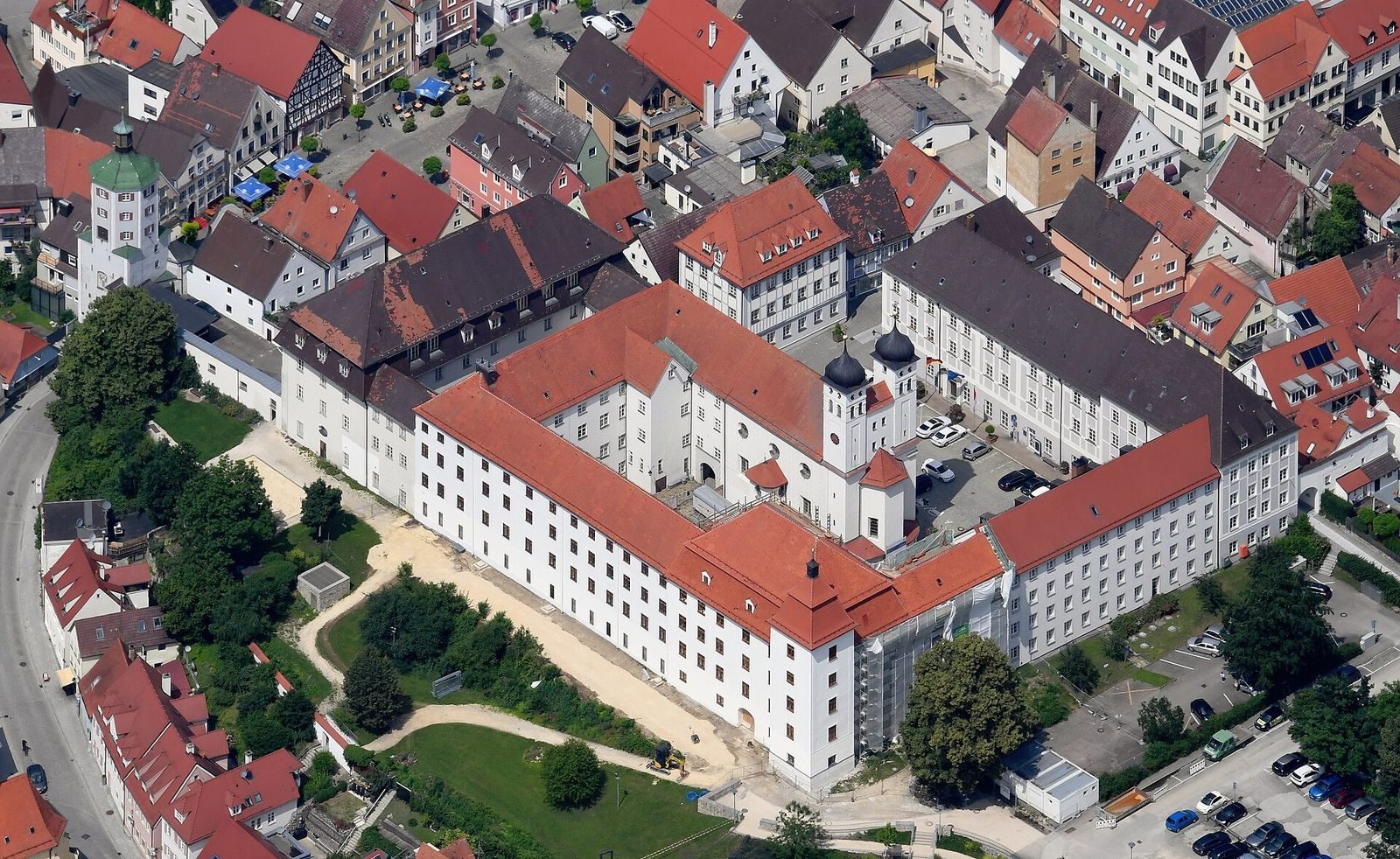
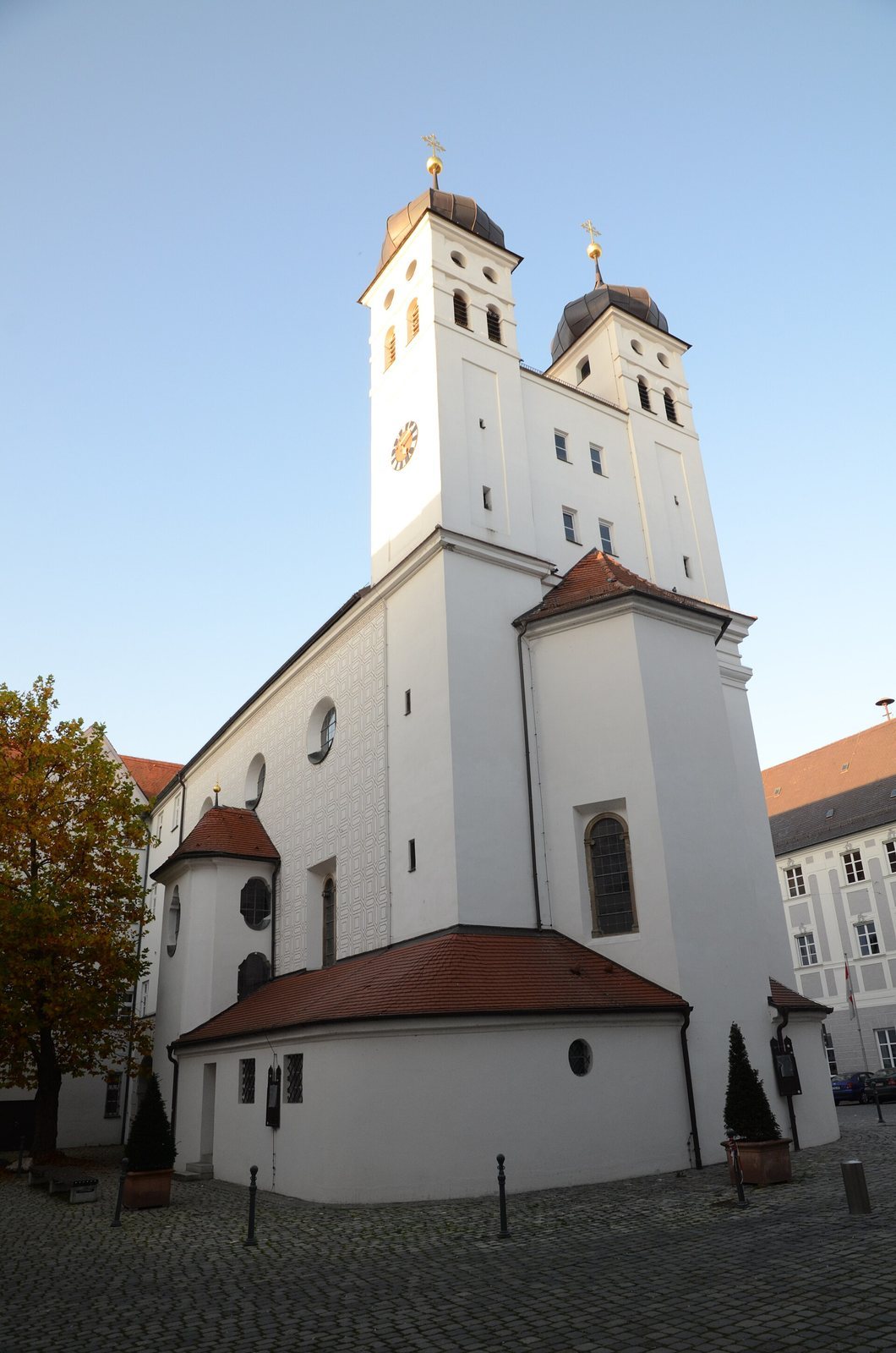
The palace stands in the city’s southwest corner and is arranged in north and south wings. Together with the former Court Church of the Holy Trinity and the present town hall, it forms a major urban grouping. In the northwest, a former Franciscan convent and its church provide another prominent feature of the cityscape. Renovation work has refurbished the palace façades and restored some elements of their earlier design.