Huis de Torentjes: A Late-Gothic Manor House in Maastricht
Site at a Glance
- Popularity
- High
- Country
- Netherlands
- Primary era
- Early Modern
- Eras represented
- Medieval, Early Modern, Modern
- Civilizations
- Dutch, Holy Roman Empire, Prince-Bishopric of Liège
- Site type
- Domestic
- Remains
- Castle
On this page8 sections
History
Huis de Torentjes is a manor house in Sint Pieter, now part of Maastricht in the Netherlands; its castle-like, partly late-Gothic complex includes sixteenth-century fabric.
Medieval origins
The house stands on the site of a medieval residence dating to 1294. Known as Bevors or Beaufort after its occupants, the earlier building was destroyed in the early fifteenth century and later rebuilt.
Beyssel and the Spreeuwart family
In 1525, owner Arnold Creusen put the property up for sale, and it passed to Nicolaes Beyssel, a canon, or cleric attached to a church chapter, associated with Maastricht’s Basilica of Saint Servatius. Beyssel remodelled the house in the early Renaissance style in 1526 and used it as a country residence, where he welcomed friends and artists. He owned the property until 1541. It continued to be called the Beyssel or Biselstoren into the eighteenth century.
Beyssel’s heirs sold the property in 1543 to Reijnart Spreeuwart, who was married to Maria Van Buel. The Spreeuwart family retained it until 1684, when it passed to Antoon Vaes, husband of Anna Maria Spreuwart. Until then, it was known as Spreeuwarts Thoorenthien. Later inheritance brought it to the Vaes and Van der Vekene families, followed by De Mée in 1750 and Klaessens in 1795.
Siege-era meetings and later residents
The house suffered heavy damage during the 1794 siege of Maastricht. After the Belgian uprising, Maastricht remained under a state of siege from 1830 to 1838, while Lieutenant General Dibbets, a senior military officer, commanded the fortress. Residents sympathetic to Belgium often held secret meetings in the house; many spoke French and German better than Dutch. In 1842, the property passed by inheritance to Nicolaas Rooijmans, an innkeeper and mayor of Sint Pieter, who was married to Maria Ida Claessens.
Twentieth-century residents included state archivist Gerard Panhuysen, who lived there with his family, and violinist and orchestra leader André Rieu, who also owned the house. Huis de Torentjes is a protected national heritage monument in the Netherlands and remains a residence.
Remains
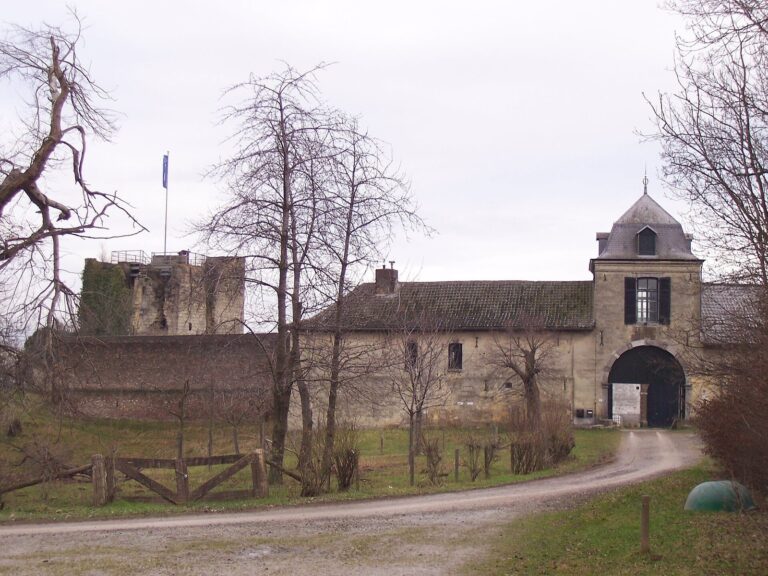
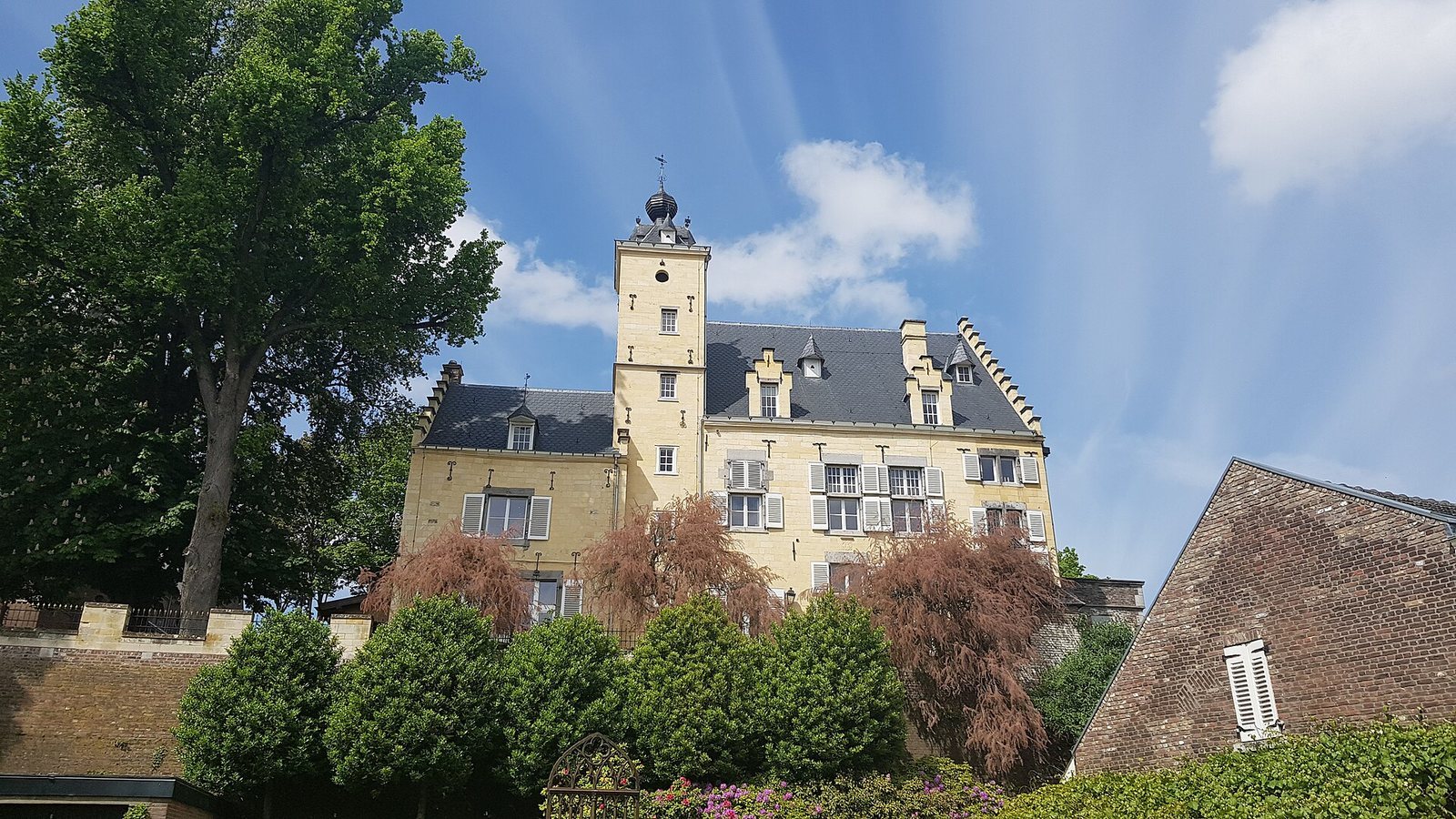
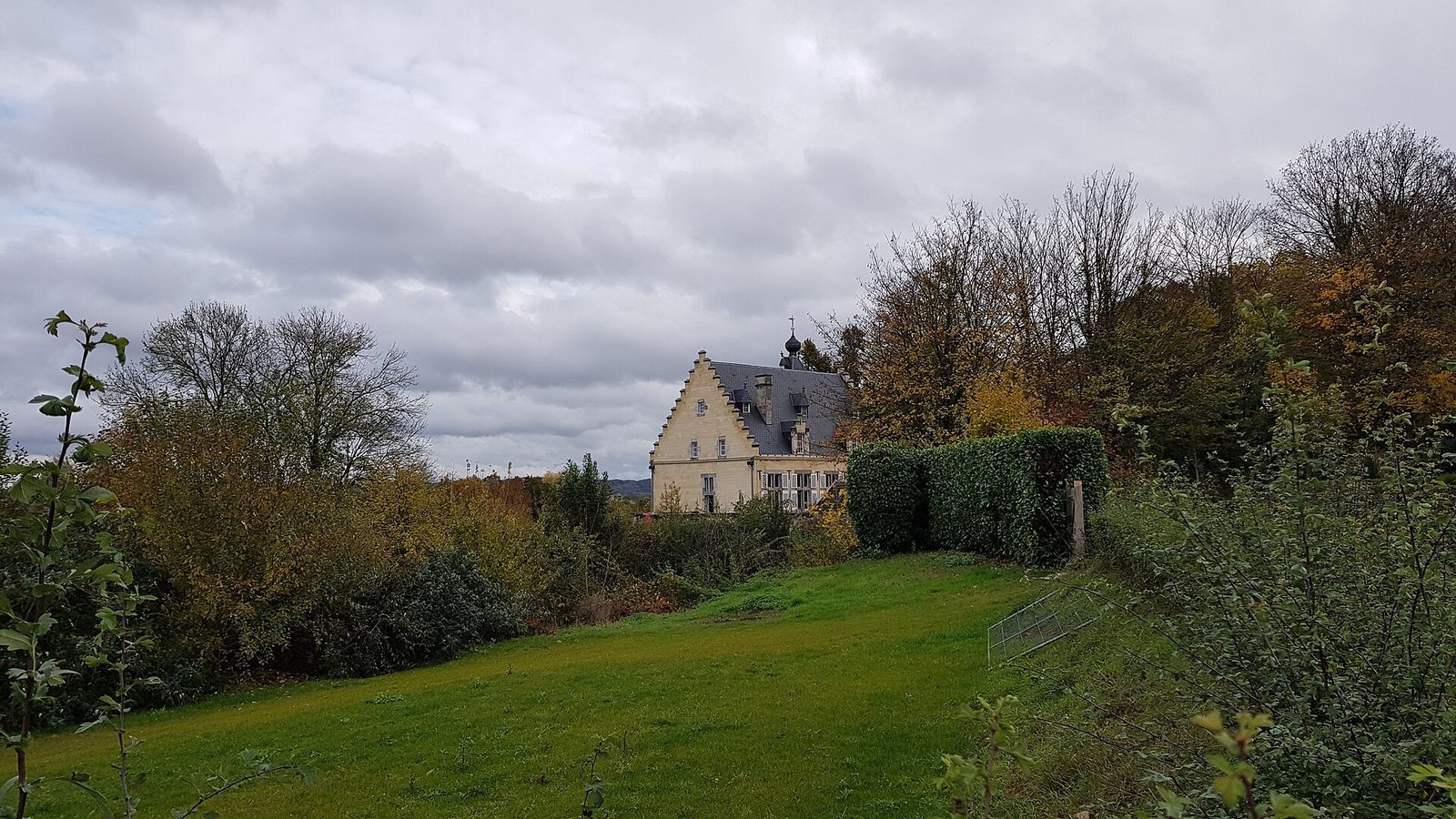
The complex occupies a river terrace beside the Maas, along the Lage Kanaaldijk, on the eastern slope of Sint-Pietersberg. A brick retaining wall bounds the terrace, while the manor’s rectangular plan and combination of Limburg marl and brick define its overall form.
Main house and gate
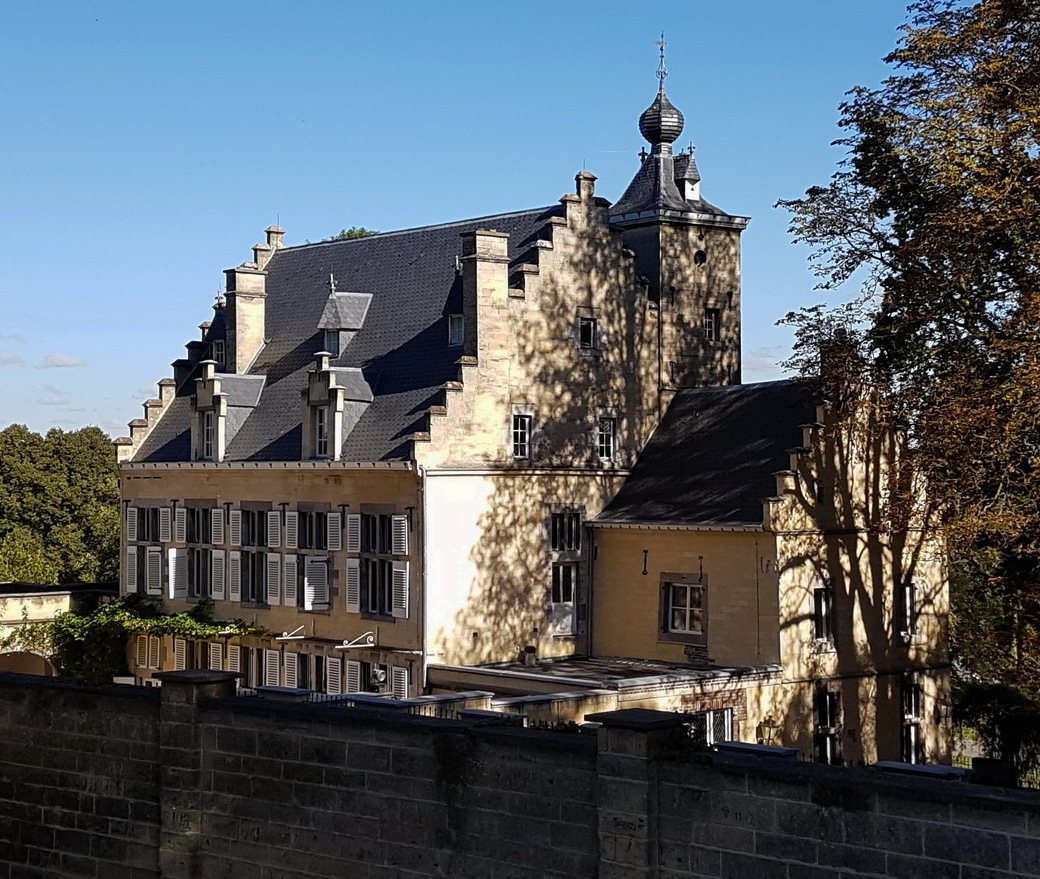
The main building has a roof between stepped gables at its short ends. A square stair tower projects from the rectangular plan and carries a helmet-shaped roof topped by an onion-shaped spire. Only the south façade of the sixteenth-century building survives. An inscription on a small gate describes Nicolaes Beyssel as devoted to the arts associated with Apollo and says that he placed the gate for his friends in 1526.
Early twentieth-century additions
The complex was extended with a north wing in the early twentieth century, and the stair tower was raised. A porter’s house was added at the rear on Ursulinenweg; it has stepped gables.
Interior elements
Some interior elements were brought from other buildings in Maastricht, including the Basilica of Our Lady and the former States House.