Dunkerron Castle: A Norman Stronghold and O’Sullivan Mór Family Seat
Site at a Glance
- Popularity
- Medium
- Country
- Ireland
- Primary era
- Medieval
- Eras represented
- Medieval, Early Modern
- Civilizations
- English, Norman
- Site type
- Military
- Remains
- Castle
On this page10 sections
History
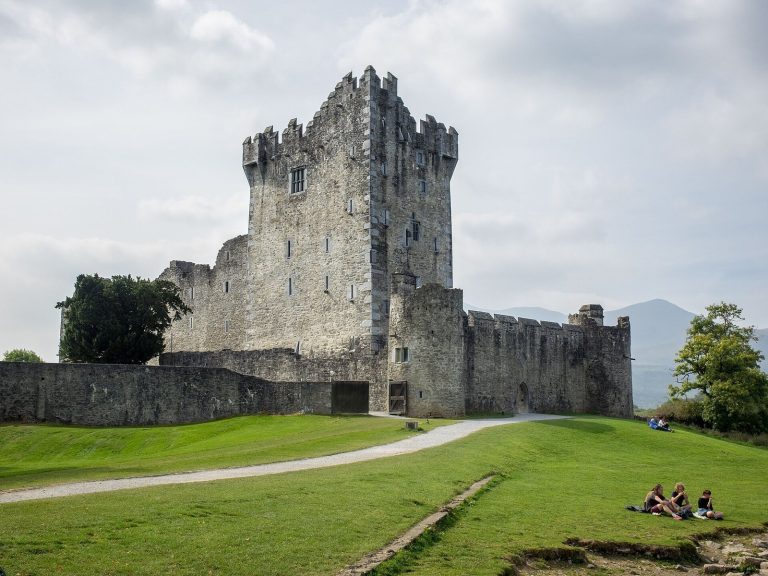
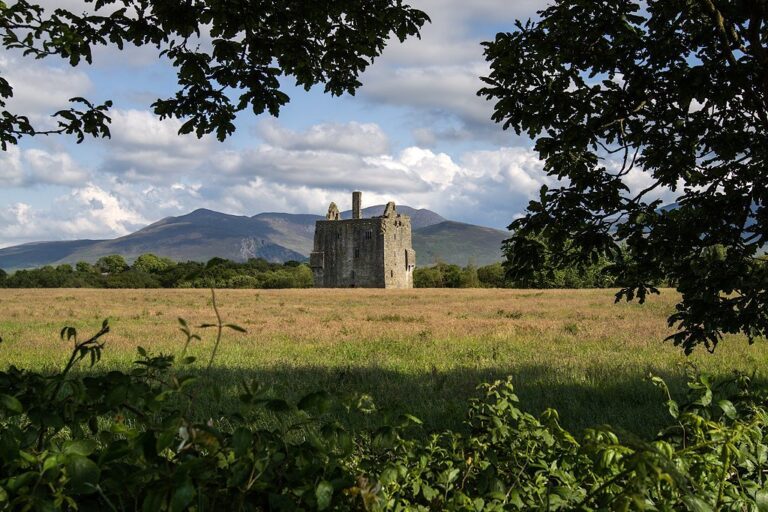
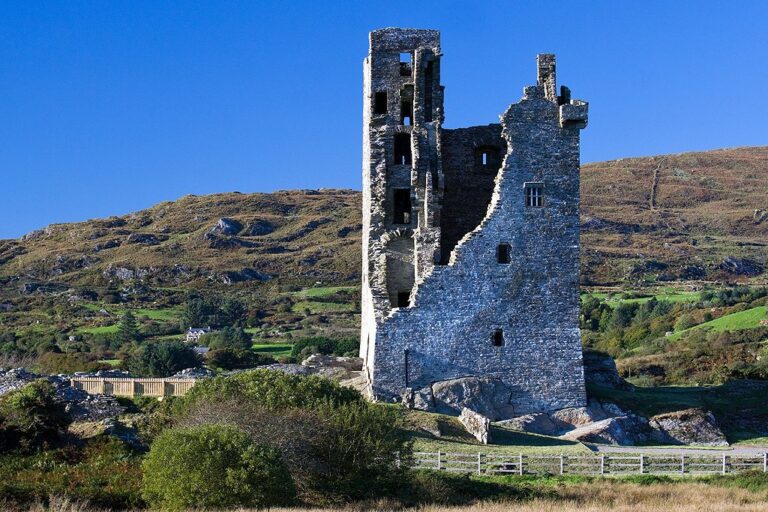
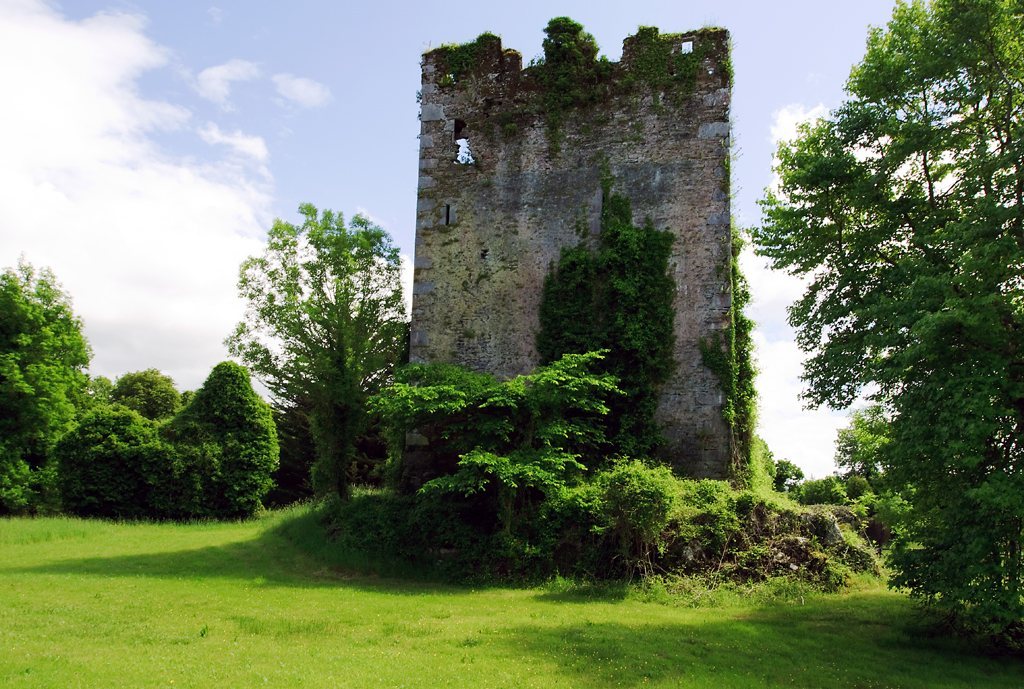
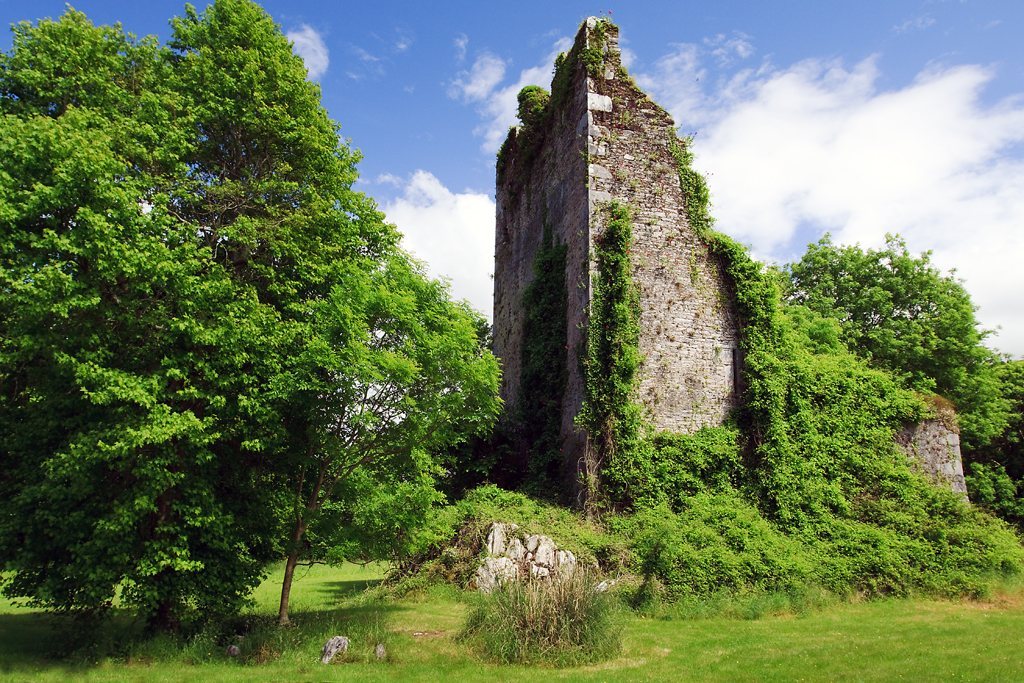
Dunkerron Castle is a ruined tower house in Ireland, built in the thirteenth century by the Norman Carew family as a stronghold. A tower house is a compact, multi-storey fortified residence.
Carew stronghold and O’Sullivan seat
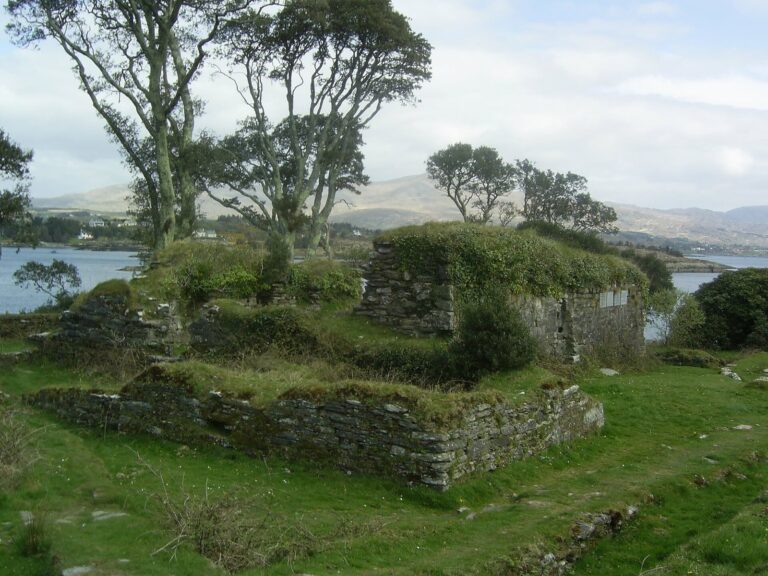
In the late sixteenth century, Owen O’Sullivan became “Chief of the Name,” the recognized leader of his clan, and adopted the title O’Sullivan Mór. Additional buildings, including an enclosed court, were added to the castle, which served for a time as the family seat.
Conquest and confiscation
During the seventeenth century, the family’s principal seat moved to nearby Cappanacush Castle. Tradition holds that O’Sullivan Mór owners defended both castles during the Cromwellian conquest, the mid-seventeenth-century campaign to bring Ireland under English parliamentary control.
After the conflict, the 1652 Act for the Settlement of Ireland provided for the redistribution of land. The O’Sullivan lands and castles at Dunkerron and Cappanacush were confiscated and assigned to William Petty, an English supporter of Cromwell. Later O’Sullivan attempts to recover the properties failed.
Titles and later history
Dunkerron gave its name to a territorial barony, a historical land division later split into Dunkerron South, covering the southern Iveragh Peninsula, and Dunkerron North, around MacGillycuddy’s Reeks. Donal O’Sullivan, among the last members of one O’Sullivan branch, died without heirs on 16 April 1754. The native Irish title “Prince of Dunkerron” ended with him. The British Crown separately granted John Petty, a descendant of William Petty and Sheriff of Kerry from 1732, the peerage title Baron Dunkeron. A peerage was a formally granted hereditary rank, distinct from the territorial barony and from Donal O’Sullivan’s Irish title.
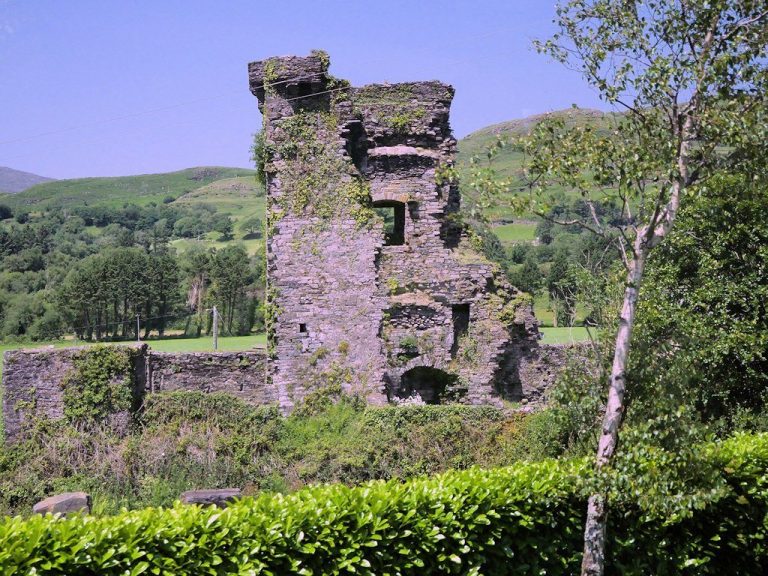
By the nineteenth century, maps showed Dunkerron Castle and its court as ruins.
Remains
Castle fabric and estate buildings
The lowland remains occupy a limestone outcrop and include a rubble-stone castle ruin and an enclosed court. Dunkerron House, a Victorian manor house, was also built on the estate.
Tower house
The ruined tower house has four storeys and forms the main surviving castle structure.
Enclosed court
The enclosed court survives as one of the castle’s later components.
Inscribed plaque
A stone plaque dated 1596 bears an inscription linking Dunkerron Castle with the O’Sullivan Mór and McCarthy Reagh families. Its position is uncertain; it may have been placed above a fireplace or above a well on the estate.
Dunkerron House
The Victorian manor house is a separate building associated with the castle estate.