La Voulte Castle: A Medieval and Classical Residence in France
Site at a Glance
- Popularity
- Medium
- Country
- France
- Primary era
- Medieval
- Eras represented
- Medieval, Early Modern, Modern
- Civilizations
- French
- Site type
- Domestic
- Remains
- Castle
On this page14 sections
History
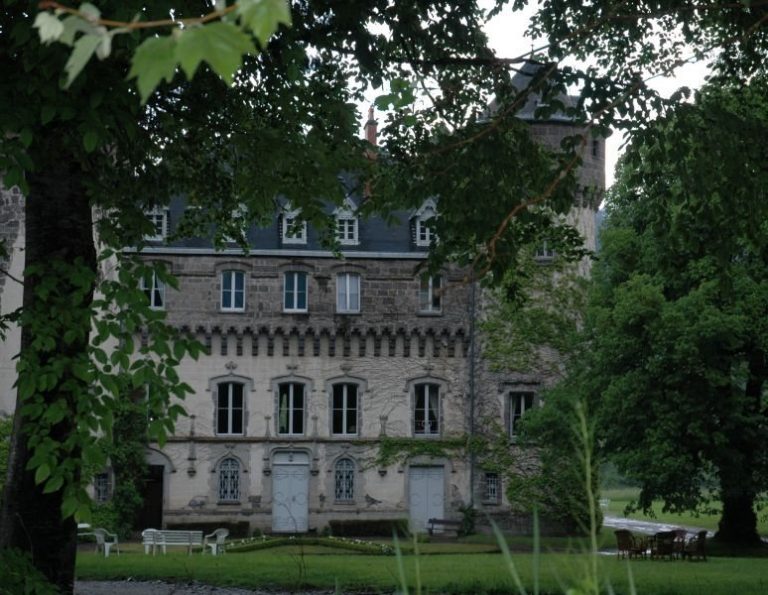
La Voulte Castle stands on the left bank of the Authre River in France. Nicolas de Beauclair rebuilt it on the site of an earlier castle, completing the work in 1471. Its architecture combines medieval and classical styles with features of regional fifteenth-century design. The estate later held land, revenues, and judicial authority in the surrounding area.
Early castle and Beauclair expansion
Local tradition places an earlier feudal castle on the site and links it to a family that took the name La Voulte, but that family later disappears from local records. A junior branch of the Beauclair family held La Voulte before 1240. Pierre de Sédaiges became guardian to La Voulte’s orphans before 1285, an early example of the close, sometimes competitive relationship between the two houses.
Between 1460 and 1474, Guy de Beauclair strengthened the family’s position by acquiring land and seigneurial rights, meaning powers held by a lord over a territory and its inhabitants. Nicolas de Beauclair rebuilt the castle, completing the work in 1471, and continued to enlarge the estate by acquiring most of the holdings of the La Roque de Roquenatou family. In 1501, Pierre II of Bourbon, Duke of Bourbon, stayed at La Voulte, where local lords came to pay him homage.
Lordship and family succession
The Beauclairs retained La Voulte through inheritance and marriage. François de Beauclair carried out extensive restoration from 1574 to 1576. The family also held shared lordship at Marmanhac with the lords of Sédaiges. Until 1789, the two houses exercised high, middle, and low justice over the parish, meaning different levels of judicial authority. They also held policing powers, alternated each year in regulating bread and wine prices, and had judges who issued rulings. Their income included land revenues and tithes, levies traditionally taken from agricultural produce or income.
Relations with Sédaiges involved both mutual assistance and rivalry. In 1546, Louis de Beauclair married Jeanne de Caissac of Sédaiges. La Voulte passed into the Buisson de Bournazel family in 1623, when Jeanne de Beauclair married Jean de Buisson. That family retained the estate until 1819.
Revolution and refuge
During the French Revolution, the political upheaval that began in 1789, the Count of Bournazel remained at the Assembly in Versailles until late 1791, leaving two servants to guard the castle. On 24 March 1792, a crowd broke into the wine cellar and looted it. Some called for the castle to be demolished, but National Agent Guillaume Delsol, a local official of the revolutionary government, opposed the proposal. Instead, the crowd removed the weather vanes, which represented the authority of the lords. The count later asked for prosecutions to end and the participants to be pardoned.
On 28 July 1794, two nuns from the Sainte-Claire convent in Aurillac, Marie-Françoise de Cornaro de Curton and Marguerite Dejou, were arrested after hiding in a small room in a castle tower. They had refused the constitutional oath, a loyalty pledge required of clergy under revolutionary reforms, and Marie-Françoise’s brother denounced them. After her release, Marie-Françoise returned to La Voulte for refuge and remained there until her death in 1805.
Inheritance, restoration, and later ownership
Jean de Buisson, Count of Bournazel, died at La Voulte in 1808 without children and left his property to his wife. After her death in 1819, her nephew, Marie-Joseph de Fumel, inherited the castle and estate. Georges de Fumel married Anne Mathilde Béral de Sédaiges in 1862, and the couple settled at Sédaiges. Georges died without an heir and left his property to his wife, who retained both castles. In 1925, her cousin, the Countess of Riverieux de Varax, inherited the estate. La Voulte was then sold for the first time after centuries of transfer through inheritance or marriage.
Frédéric François-Marsal bought the castle in 1925 and undertook major modernization and restoration before selling it in 1936. The Francès family owned it from 1936 through 2024, and the property is privately owned. La Voulte has been registered as a protected site since 1944. In 1993, the entire castle received France’s Historic Monument designation, a formal heritage-protection status.
Remains
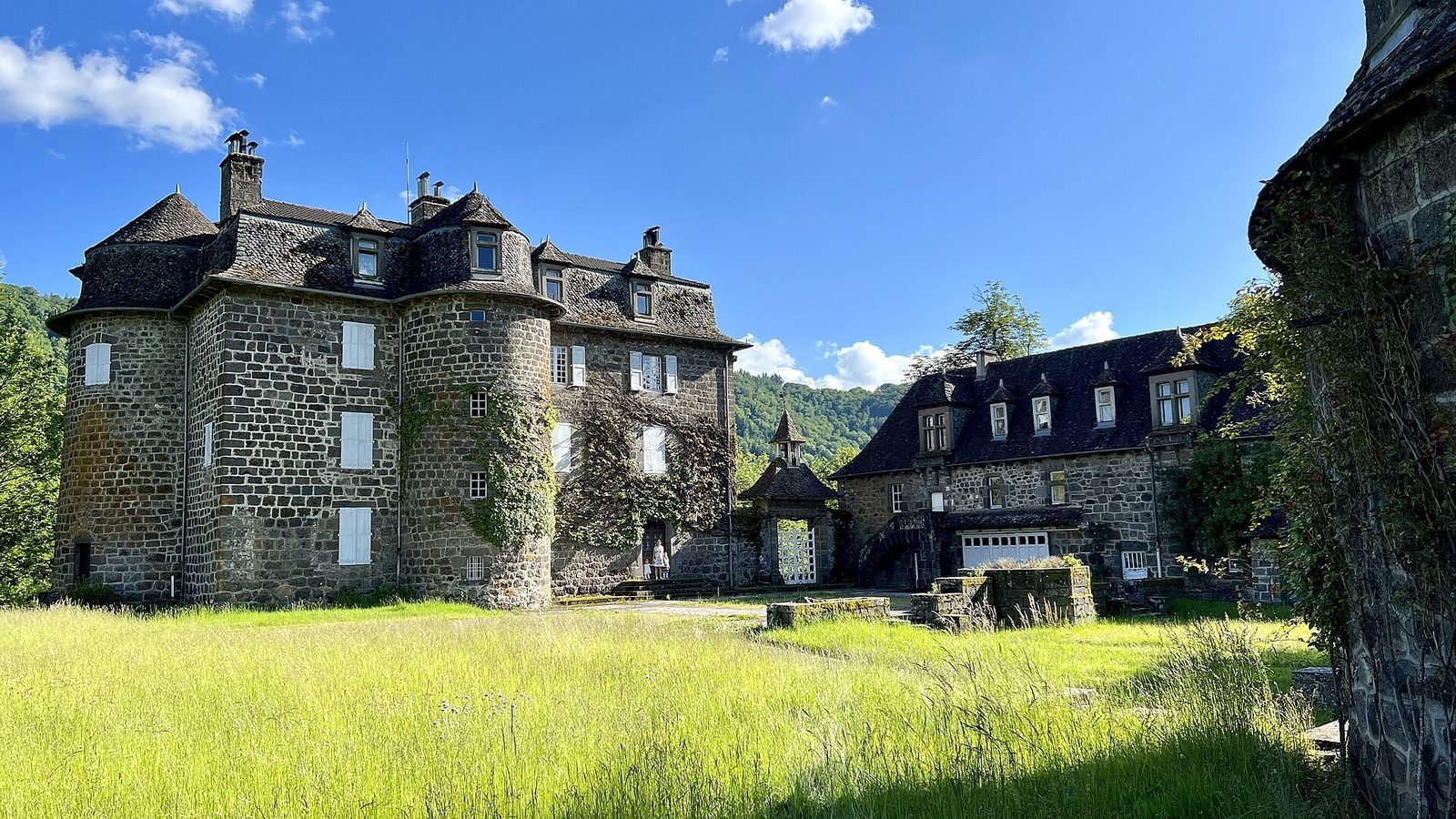
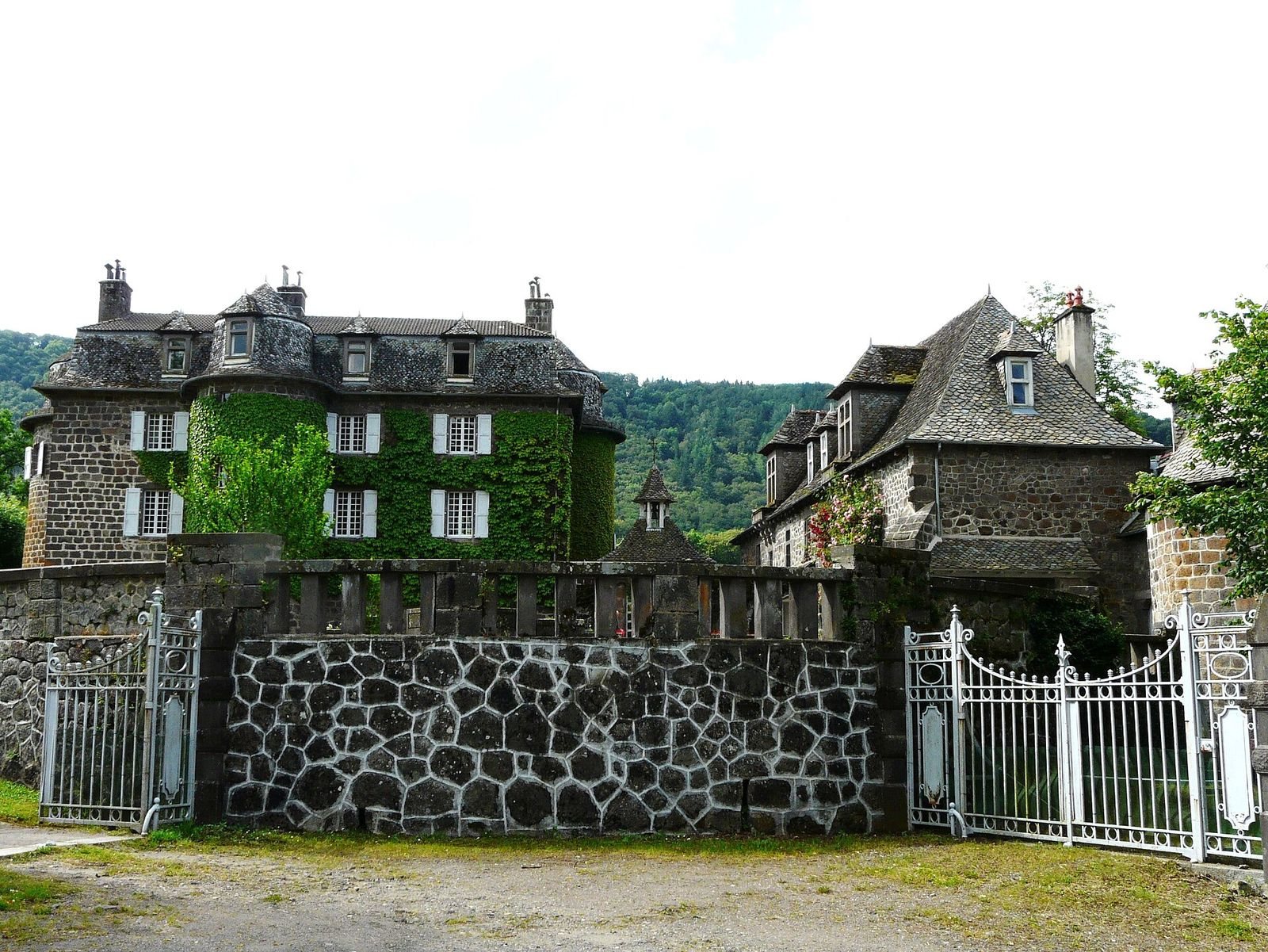
The complex includes a rectangular main residence, service buildings, entrance defenses, a small watchtower, and a chapel. It is built of volcanic tuff, a rock formed from consolidated volcanic ash and other volcanic material.
Main buildings and access
Residence and towers
The main residence has an internal cross-wall and three circular towers. Two stand at its southern corners; the third rises on the front façade and contains the staircase. Two additional defensive towers flank the entrance, while a small watchtower forms another part of the complex.
Entrances and service buildings
The historic entrance door remains, with a lintel and a panel set within a pointed arch. A second doorway, reached by steps, opens onto the main courtyard. The entrance porch once stood between the two defensive towers; it was relocated and now connects the residence with the service buildings. A small bell tower rises above the porch.
Alterations and other features
Roof and interior
The roof is covered with schist slabs and has dormer windows. Its mansard form, with a steep lower slope and a shallower upper slope on each side, was probably created when the roof was renewed in 1645. The design made the attic usable as bedrooms for staff. Since the late-fifteenth-century rebuilding, changes have been limited, mainly affecting the upper part of the castle. Later work altered the ground floor, including the dining room, where a fountain of amber-coloured marble was installed.
Chapel and former mill
A former mill known as Del Laurent had separate millstones for wheat and rye before being converted into a chapel. The chapel was consecrated on 23 August 1928 by Alexis Lemaitre, Archbishop of Carthage and Primate of Africa. An archbishop is a senior bishop, while a primate holds an honorific position of precedence within a church hierarchy.
Underground passage
A subterranean passage runs from the right-hand tower beneath the river toward the castles of Sédaiges and Marmanhac. It was intended to support mutual aid, resupply, or escape during war or invasion.
Park and gardens
The park and gardens were extensively redesigned, with water features and fountains added, along with a tennis court.