Château Lafaurie-Peyraguey: A Sauternes Wine Estate in Bommes
Site at a Glance
- Popularity
- Medium
- Country
- France
- Primary era
- Modern
- Eras represented
- Medieval, Modern
- Civilizations
- Duchy of Aquitaine, English, French
- Site type
- Economic
- Remains
- Production Complex
On this page8 sections
History
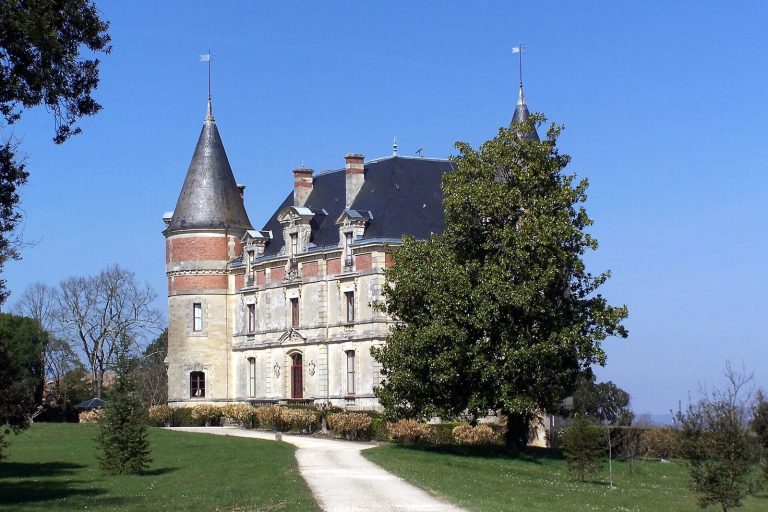
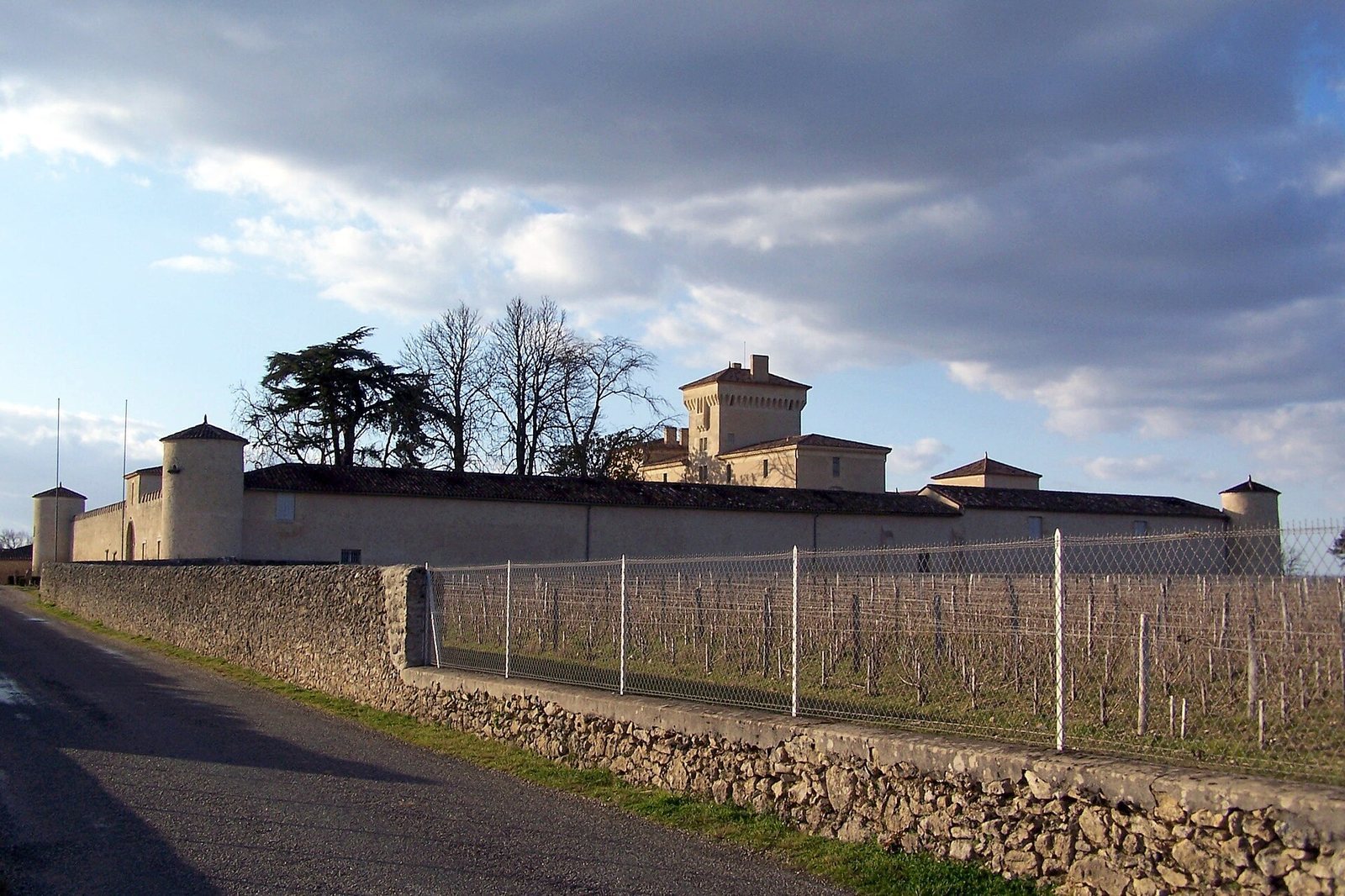
Château Lafaurie-Peyraguey is a wine estate in Bommes, in France’s Gironde department. Its origins may date to the thirteenth century, when the property was a fortified keep and military post known as Château Pichard; the château’s buildings later took on a Hispano-Byzantine style. The estate became known for sweet wines, and its Peyraguey wine received Premier Cru (First Growth) rank in the 1855 Bordeaux classification.
Origins and early winegrowing
Raymond Peyraguey, the first known owner, settled in Bommes in 1618 and developed the vineyard. Its simple sweet wines found appreciation during the seventeenth century.
Baron Pierre de Pichard acquired the estate in 1742, enlarged its vineyard to 30 hectares, and advanced its wine production. His son Nicolas-Pierre was executed in 1794, during the French Revolution, and the estate was seized by the state. A local winegrower, Vignon, leased it for nearly two years.
Lafaurie ownership and the nineteenth-century wine trade
In 1796, Pierre Lafaurie and his father-in-law, Mauros, bought the estate and its lands for about 79,500 francs. Lafaurie soon purchased Mauros’s share, and the property became known as Pichard-Lafaurie. He built the wine’s reputation, and after his death in 1836 his son Pierre took over its management.
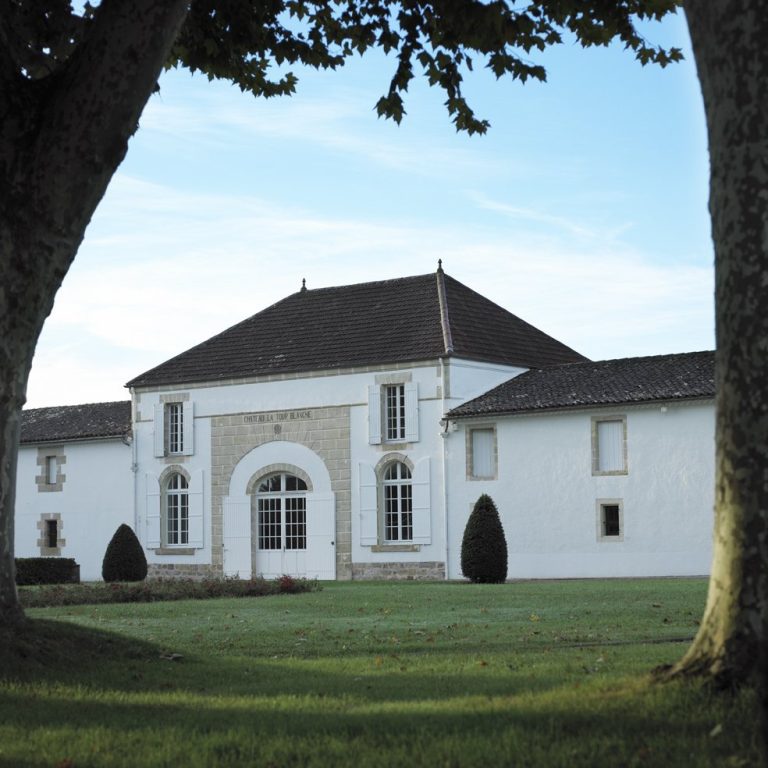
In the 1855 Bordeaux classification, the wine was listed as Peyraguey, belonging to Lafaurie Aîné, and ranked Premier Cru, or First Growth. In the Sauternes and Barsac list it appeared third, after Château d’Yquem and La Tour Blanche. In 1864, King Alphonse XII of Spain bought a barrel of the 1858 vintage, sold as Pichard-Lafaurie, for 6,000 gold francs. Lafaurie’s widow married journalist and writer Jean Saint-Rieul-Dupouy in 1860; he helped introduce the wine at the Spanish court.
In 1865, Lafaurie’s widow sold the 27-hectare estate to Charles-Marie Tanneguy, Count Duchâtel, who modernized its operation. After his death, his widow, Églé Rosalie Paulée, managed the property until 1878. Duchâtel’s heir, Marguerite Tanneguy Duchâtel, then decided to sell. The property was divided into Château Lafaurie-Peyraguey, Clos Haut-Peyraguey, and Château Barrail-Peyraguey. Bordeaux merchants Farinel and Grédy bought Lafaurie-Peyraguey at auction on 26 June 1879.
Division and twentieth-century ownership
The estate faced phylloxera from 1880, a vine pest that devastated vineyards, and mildew, a grapevine disease, in 1882. In 1913, Frédéric Grédy acquired Château Barrail-Peyraguey. Four years later, during the First World War, he sold Lafaurie-Peyraguey to the Lorraine-born wine merchant Désiré Cordier. Bottling began at the château under Cordier, who also operated neighboring La Tour Blanche and became one of Bordeaux’s largest wine merchants.
The Cordier family’s ownership ended in 1984. Suez subsidiary La Hénin had acquired a majority stake in Cordier in 1983, and in 1987 nearly all Cordier estates were transferred to it, with Château Talbot as the exception. During the Cordier period, 4.5 hectares from Château d’Arche’s holdings were added to Lafaurie-Peyraguey.
Recent ownership and wine production
Swiss entrepreneur Silvio Denz acquired the estate from GDF-Suez in 2014. In November 2023, Lalique Group acquired a 75 percent stake and took control of the wine business. Professor Denis Dubourdieu served as a partner and winemaking specialist.
The estate belongs to the Sauternes appellation, a French controlled-origin designation that defines a wine-producing area and its rules. Grapes affected by noble rot, a beneficial fungal effect that concentrates their sugars, are picked by hand in four to seven passes. Fermentation in wooden barrels produces wine with 13 to 14 percent alcohol. It is then moved to stainless-steel tanks, chilled for several days at 7°C, and stabilized. After sulfur treatment, it matures for 18 to 20 months in small oak barrels, 30 percent of which are renewed each year.
The estate produces its Grand Vin, or principal wine, and the second wine La Chapelle de Lafaurie-Peyraguey. Dry white wine production resumed with the 2014 vintage, with Château Lafaurie-Peyraguey Grand Vin blanc Sec and Le Lys de Lafaurie-Peyraguey produced at about 10,000 bottles each. Peyraguey wine also appears in Evelyn Waugh’s novel Brideshead Revisited, where Charles and Sebastian drink it with strawberries; Waugh himself enjoyed the wine.
Remains
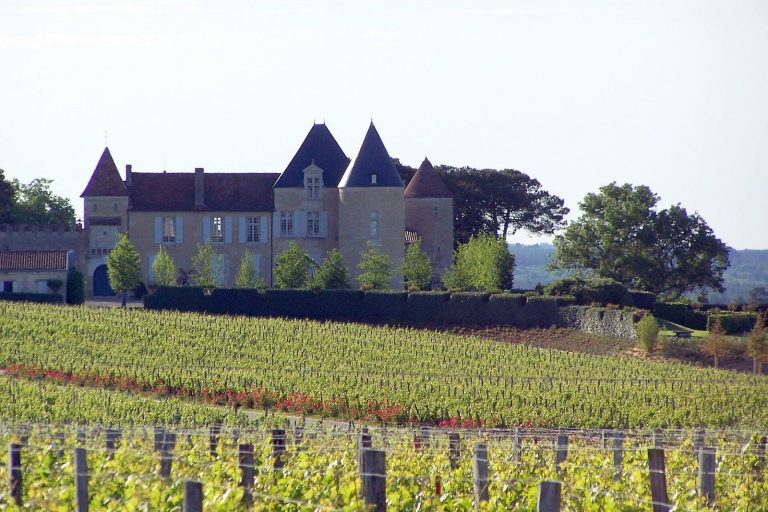
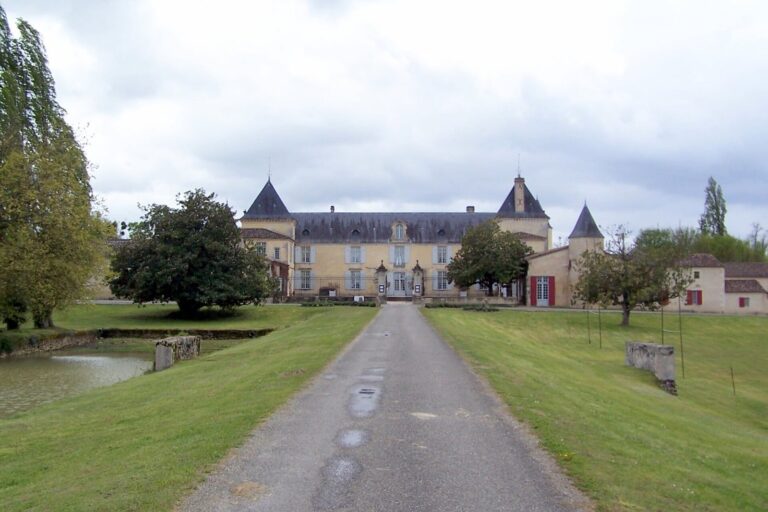
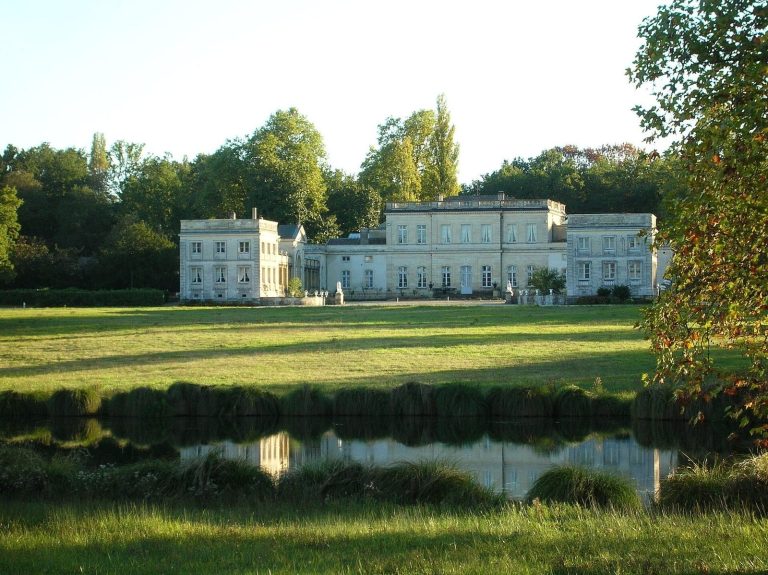
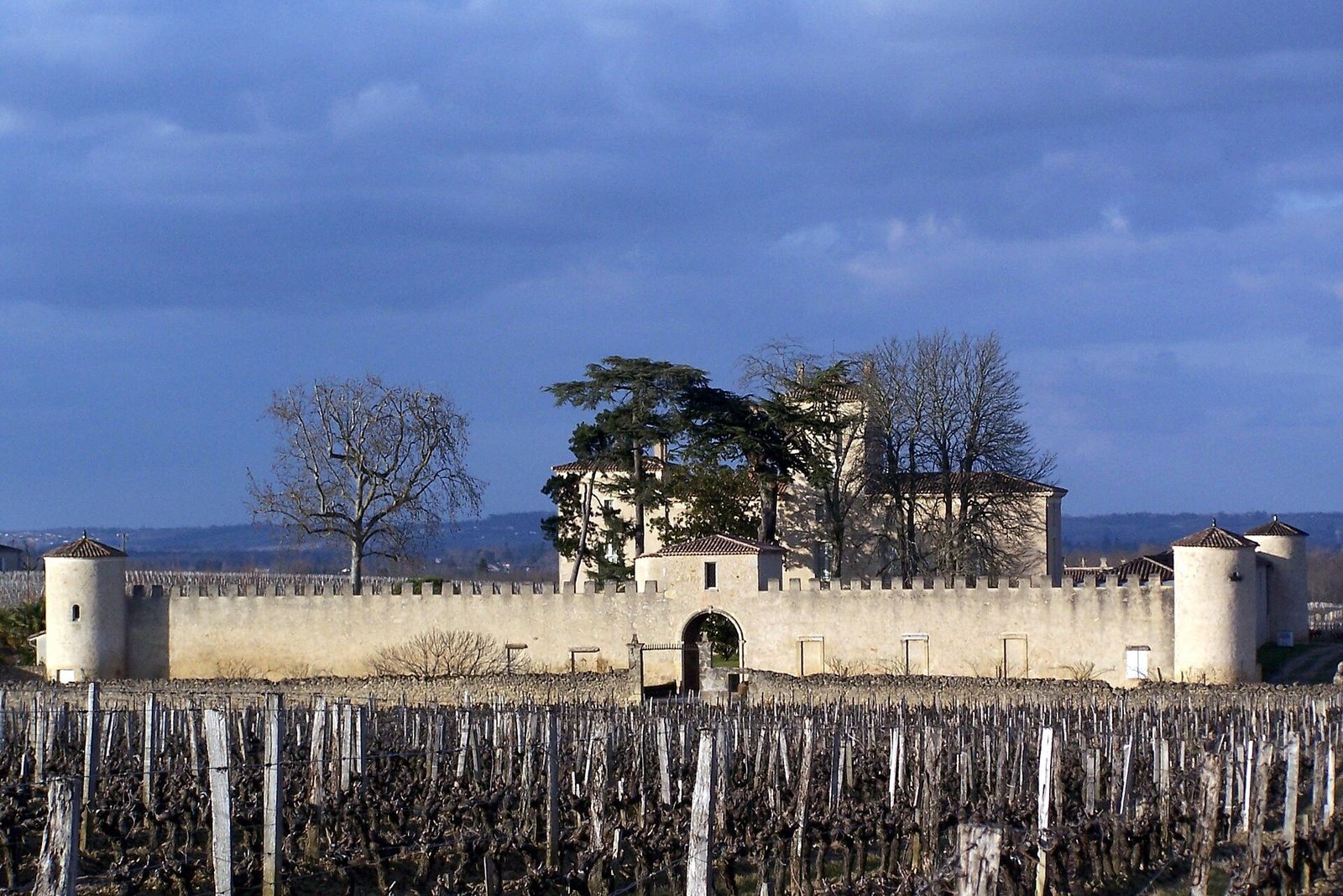
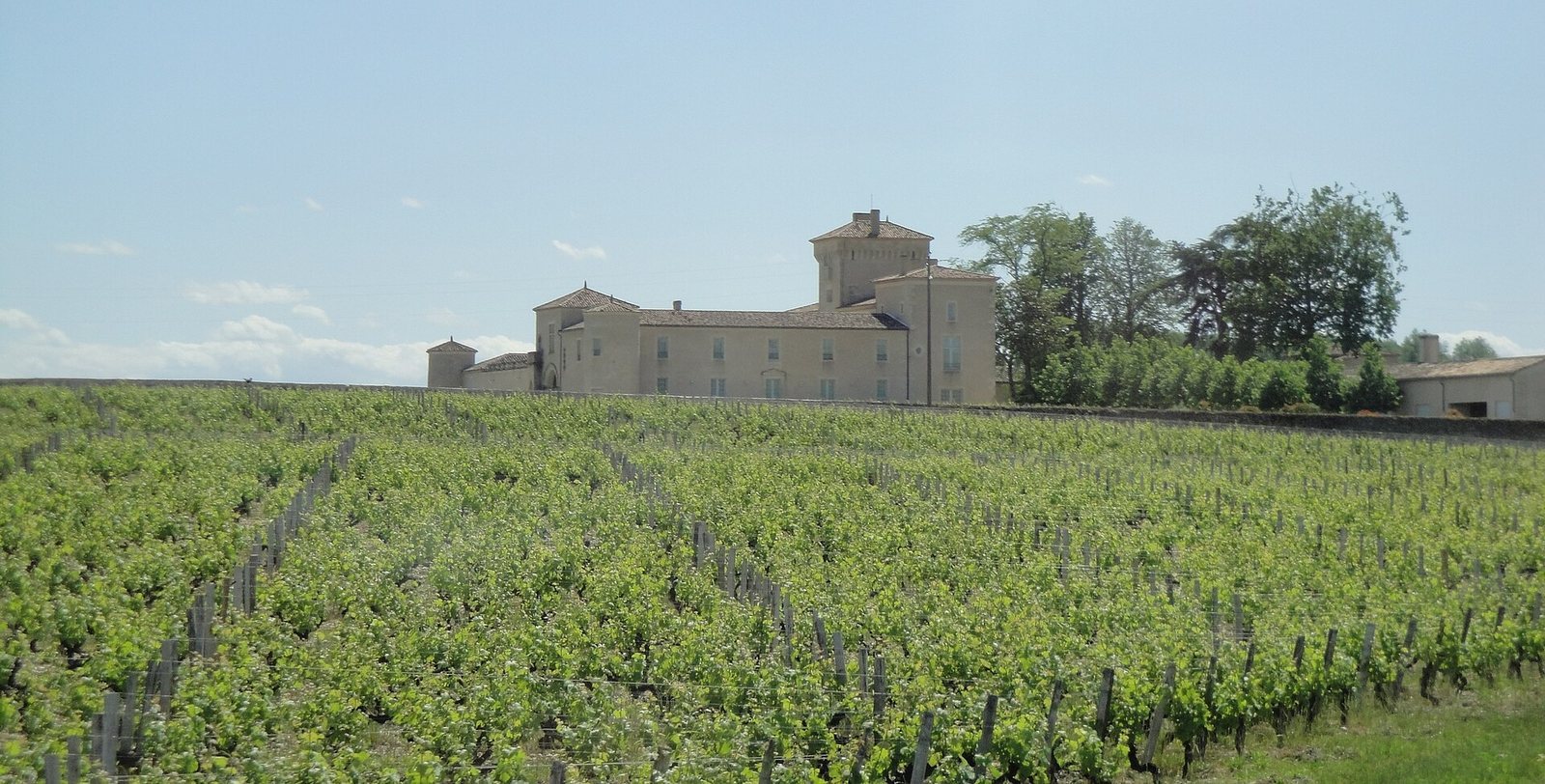
The estate covers 37 hectares, of which 18 hectares are in production. Its château stands on a hill near Bommes’s highest point, facing and immediately adjacent to Château d’Yquem. The grounds include the château, vineyard, and a winery formed through later rebuilding.
Château and winery
Count Duchâtel restored the château buildings, and much of their present appearance reflects his investment. The restoration gave the buildings their Hispano-Byzantine style. The estate was later rebuilt to form a modern winery.
Vineyard
The vineyard grows on siliceous and clay-rich gravel soils. Its plantings are 93 percent Sémillon, 6 percent Sauvignon, and 1 percent Muscadelle, and the vines average 40 years of age.