Château de Cœuvres: A Sixteenth-Century Estate in France
Site at a Glance
- Popularity
- Medium
- Country
- France
- Primary era
- Early Modern
- Eras represented
- Early Modern
- Civilizations
- French
- Site type
- Domestic
- Remains
- Castle
On this page7 sections
History
Château de Cœuvres is a sixteenth-century estate in Cœuvres-et-Valsery, France. Its history is closely linked to the families who held the viscounty of Cœuvres, a territorial lordship associated with a viscount’s authority.
The Estrées family
Marguerite de Soissons, lady of Cœuvres, d’Arcy, and Montigny, was married to Jean de Villers, lord of Dommiers. She sold the viscounty, which had formed part of her dowry, to Jean d’Estrées, lord of Valieu. Antoine d’Estrées (c. 1530–1609) later inherited it. He was the father of Gabrielle d’Estrées, a French noblewoman and royal mistress of Henry IV, king of France.
François-Annibal, Duke of Estrées (1573–1670), Gabrielle’s brother, took over the château. He managed the Cœuvres estate and surrounding lands, signing leases for properties that included a farm at Pouy, a house at Cutry, and a paper mill at Pont-Archer.
Succession to the Le Tellier family
François-Annibal passed the estate to his son Jean, Count of Estrées (1624–1707). Jean left it to his daughter Marie d’Estrées (1663–1741), who married Michel François Le Tellier, Marquis of Louvois (1663–1721). Their son, Louis Charles César Le Tellier (1695–1771), later took charge of the property.
Revolution and nineteenth-century owners
Without a direct heir, Louis Charles César Le Tellier bequeathed the estate in 1771 to his niece’s husband, Louis Alexandre Céleste d’Aumont, Duke of Villequier. His niece, Félicité Louise Le Tellier, had died in 1768. As First Gentleman of the Chamber, a senior office in the French royal household, the duke organized the royal family’s attempted escape during the flight to Varennes. After the attempt failed, he fled to Brussels. Revolutionary authorities seized the château and estate as national property and divided them into four lots.
In 1823, Charles-Raymond Degranges, also known as Edmond Degranges fils, bought all four lots. A royal ordinance in 1826 permitted him to add “Rancy” to his name, after which he used the name Charles Raymond de Grange de Rancy. The property later passed to his daughter Claire (1830–1902). She married Count Alexis-Bénigne-Louis de Bertier de Sauvigny (1814–1883) in 1857. After her father died at the château, their son Albert de Bertier de Sauvigny took possession.
The First World War
Albert de Bertier de Sauvigny owned the château and served as village mayor during the First World War. On 21 September 1914, the French Sixth Army established its headquarters there, and General Maunoury used the ground-floor salon. Over the following four years, regiments, medical units, and nursing sections occupied the château, where surgical services also operated. Albert later recounted these years in Pages d’Histoire Locales, published by the Soissonnais 14-18 Association.
Intense fighting reached Cœuvres in late June and July 1918 during the Second Battle of the Marne, a major battle of the First World War. The château’s service outbuildings were listed as Historic Monuments on 28 June 1927, a French legal heritage-protection designation.
Remains
Château and service outbuildings
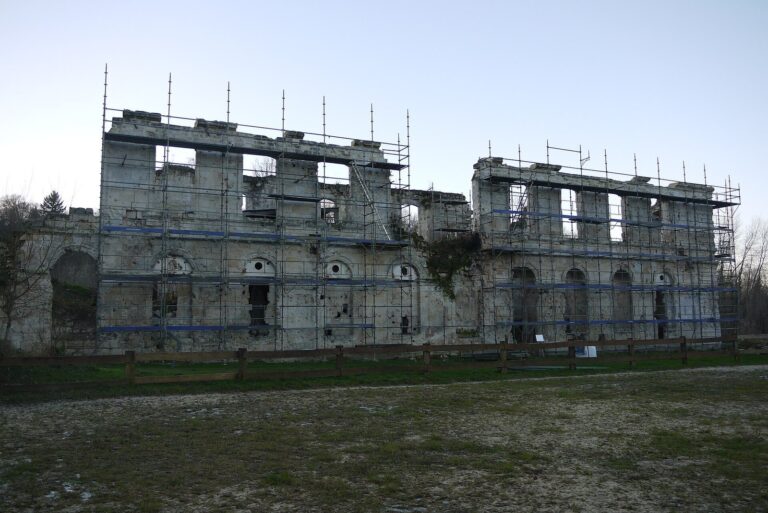
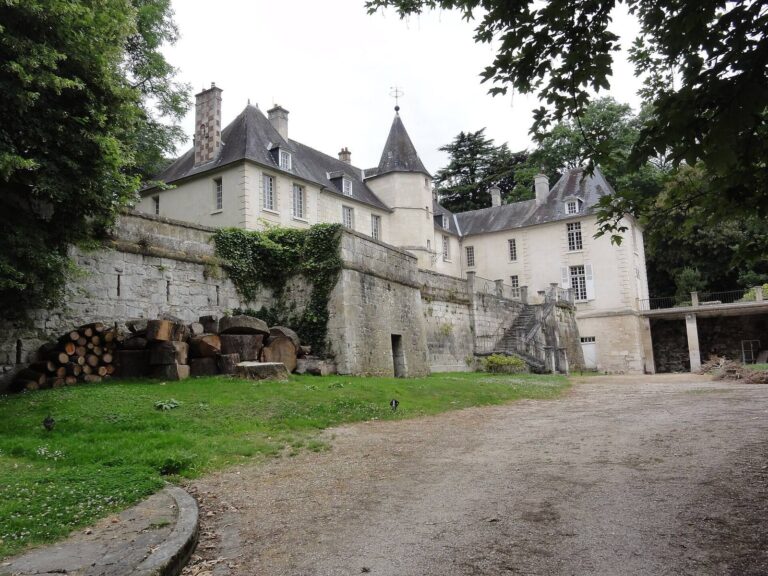
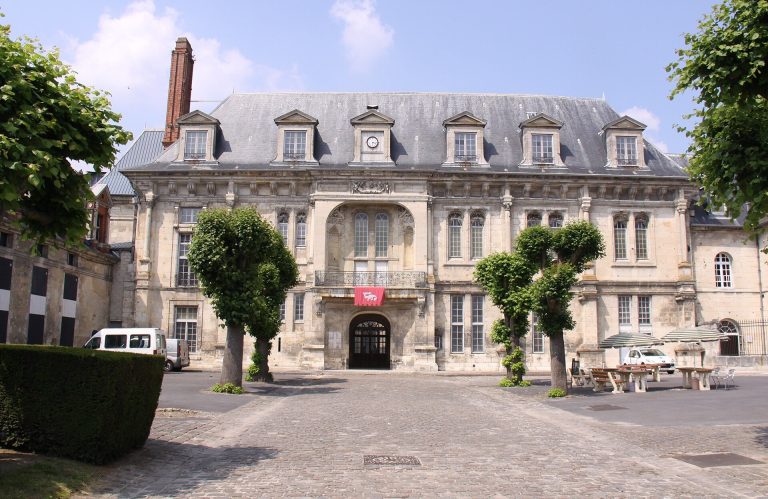
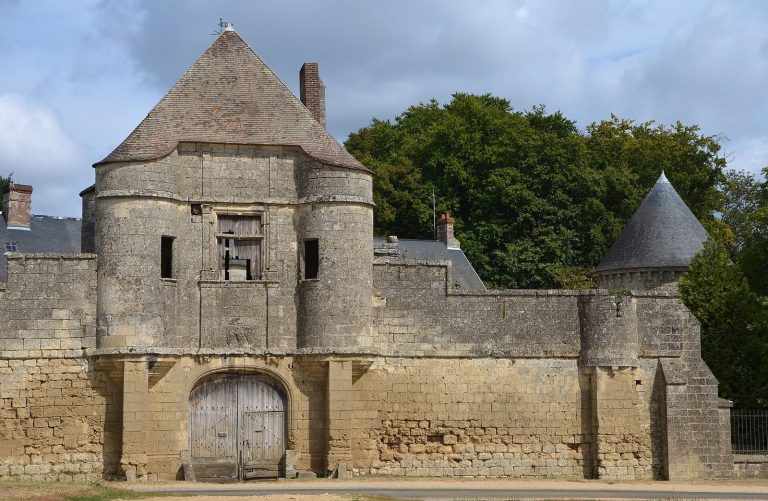
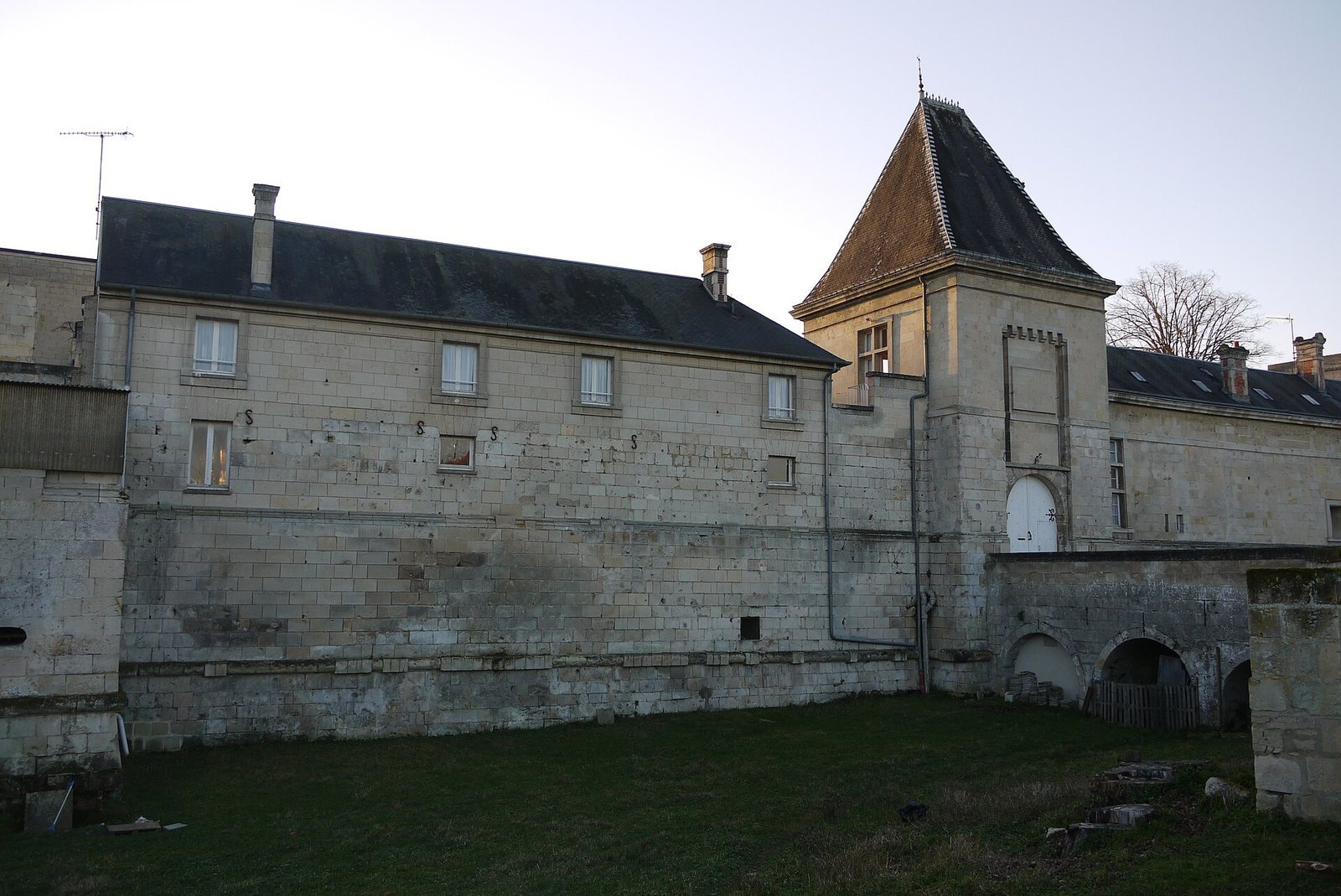
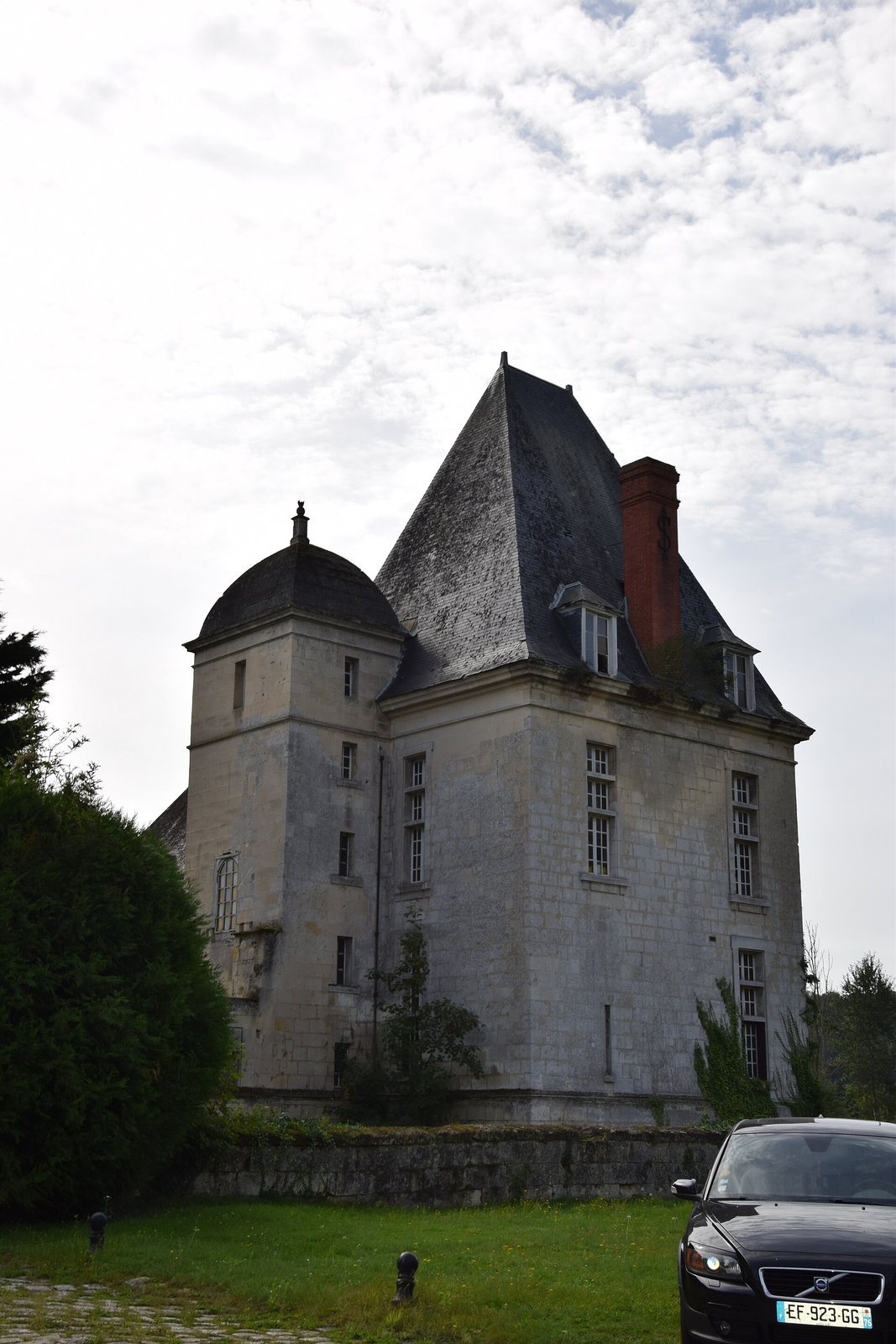
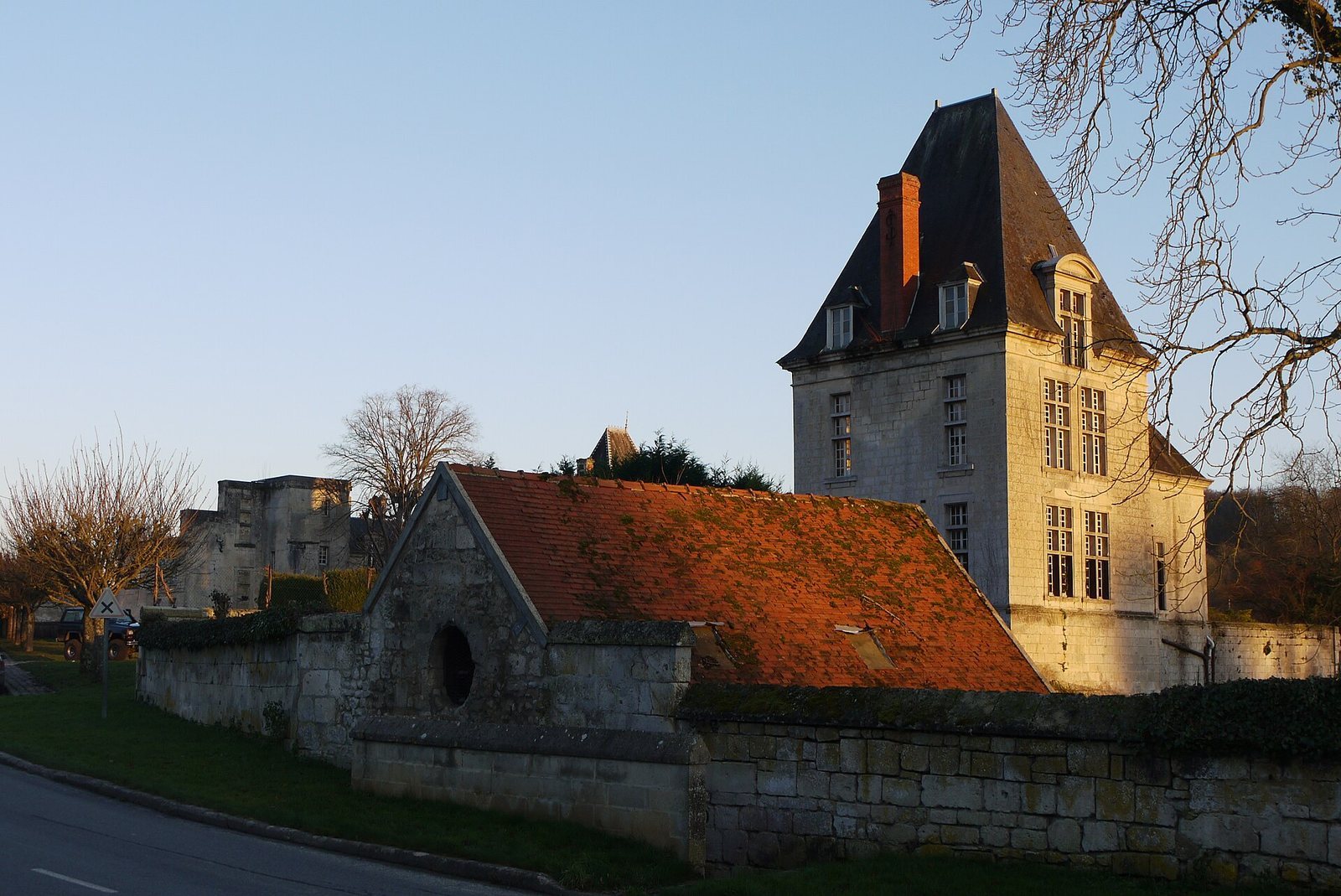
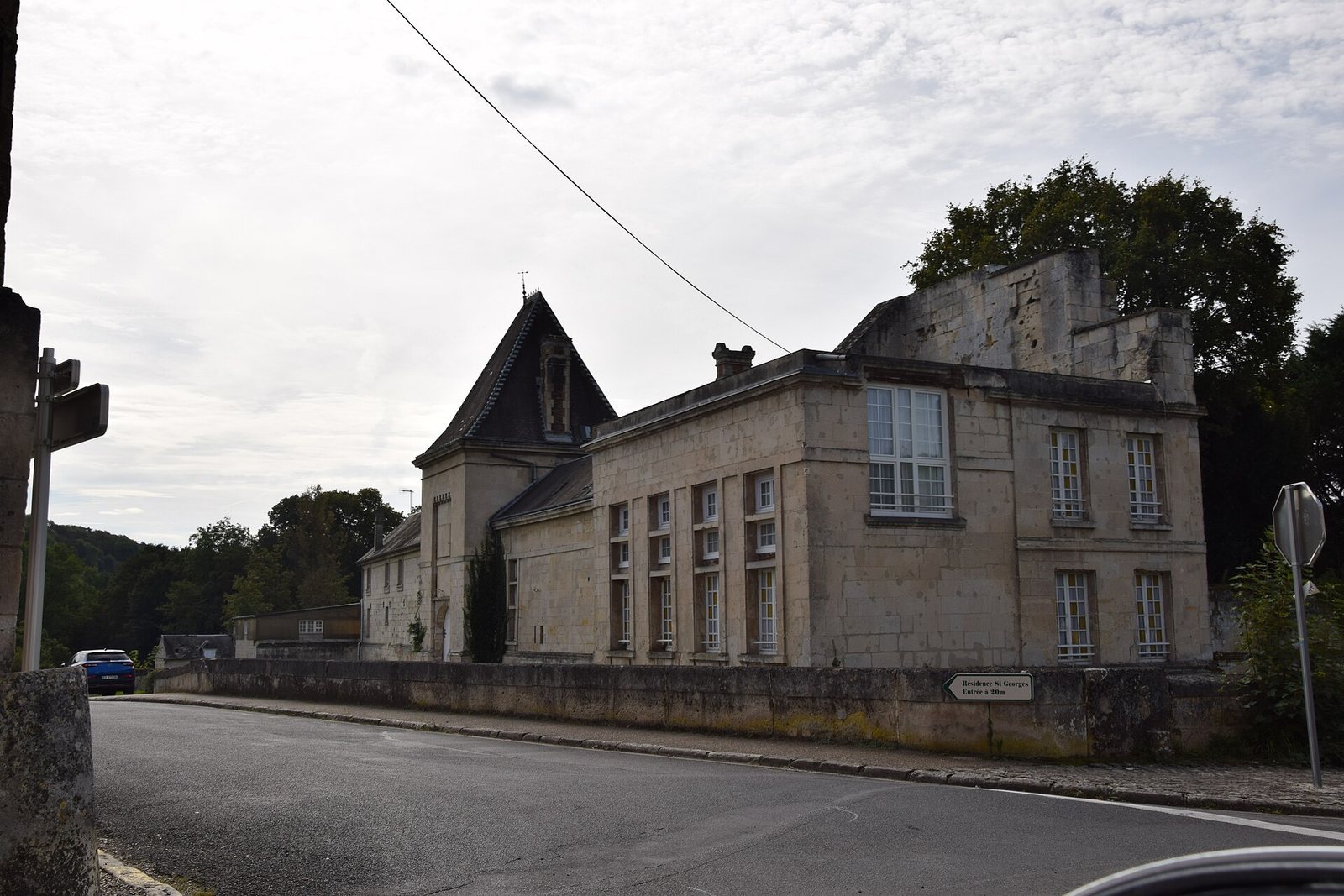
The château stands beside Rue du Château, with associated service outbuildings. Interior work commissioned in 1608 included ceiling paintings, panelling, and panels entrusted to the painter Thomas Blondeau. The château was in ruins after the Revolution. Heavy artillery fire and tank combat during the 1918 fighting left both the château and the village in ruins.