Church of Santo Domingo de Guzmán: A Dominican Parish in La Laguna
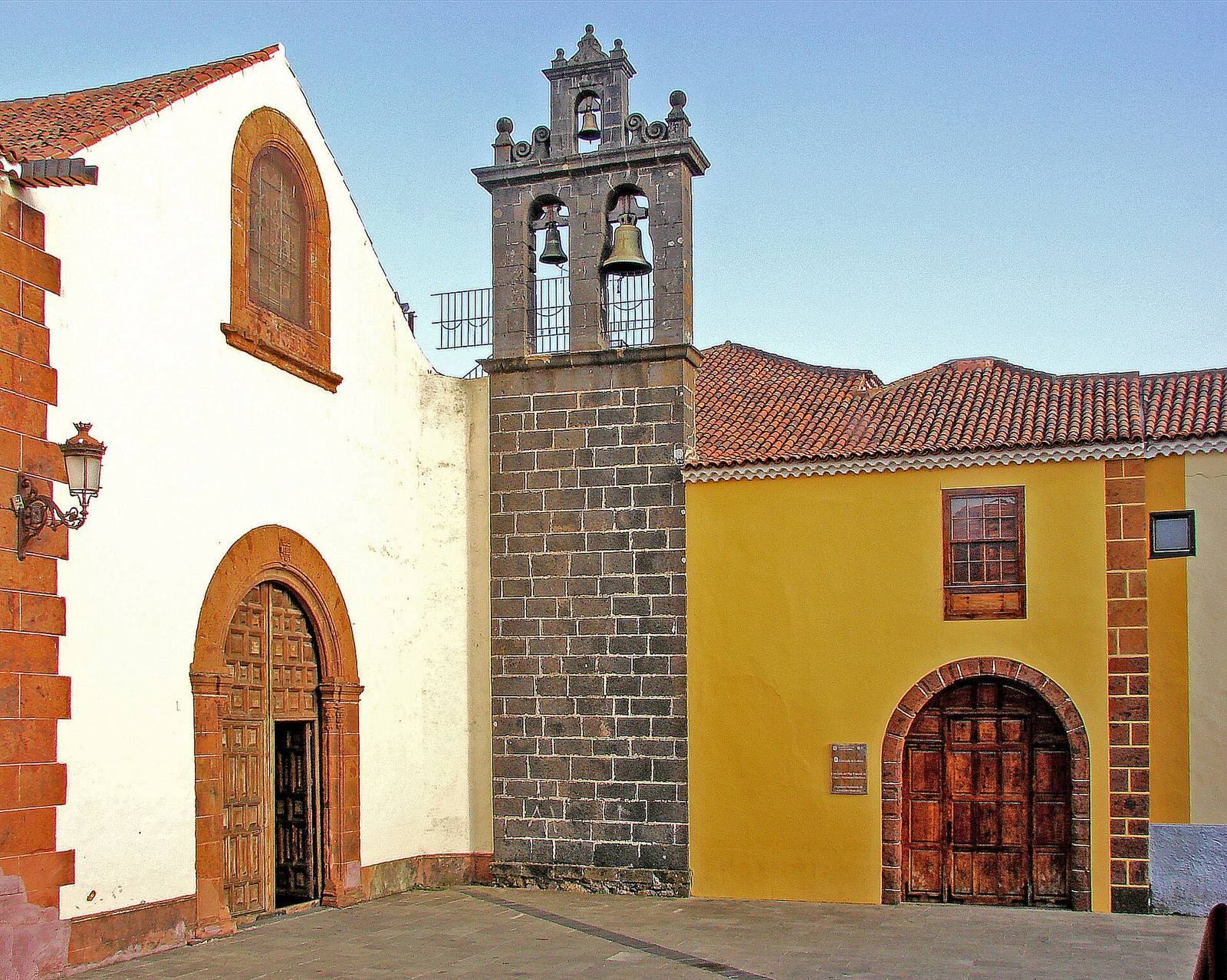
Site at a Glance
- Popularity
- Medium
- Country
- Spain
- Primary era
- Early Modern
- Eras represented
- Early Modern, Modern
- Civilizations
- Crown of Castile, Spanish
- Site type
- Religious
- Remains
- Church
On this page10 sections
History
Foundation and parish
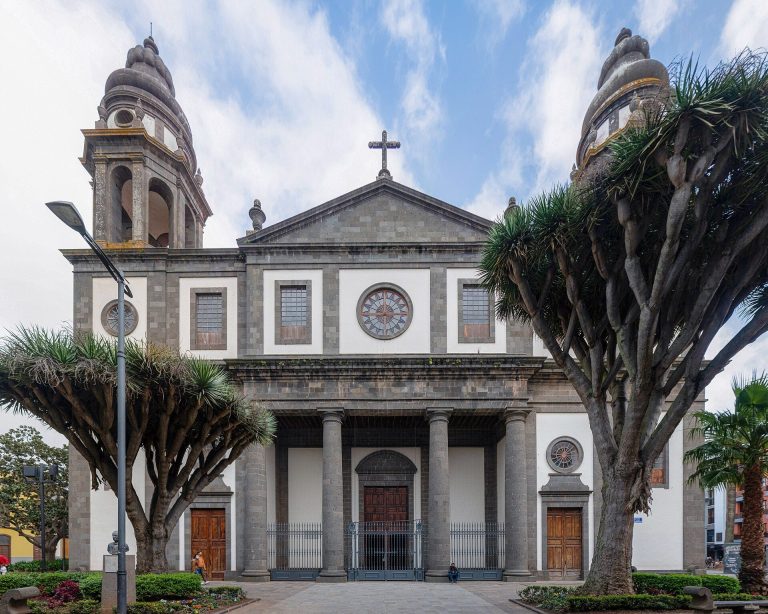
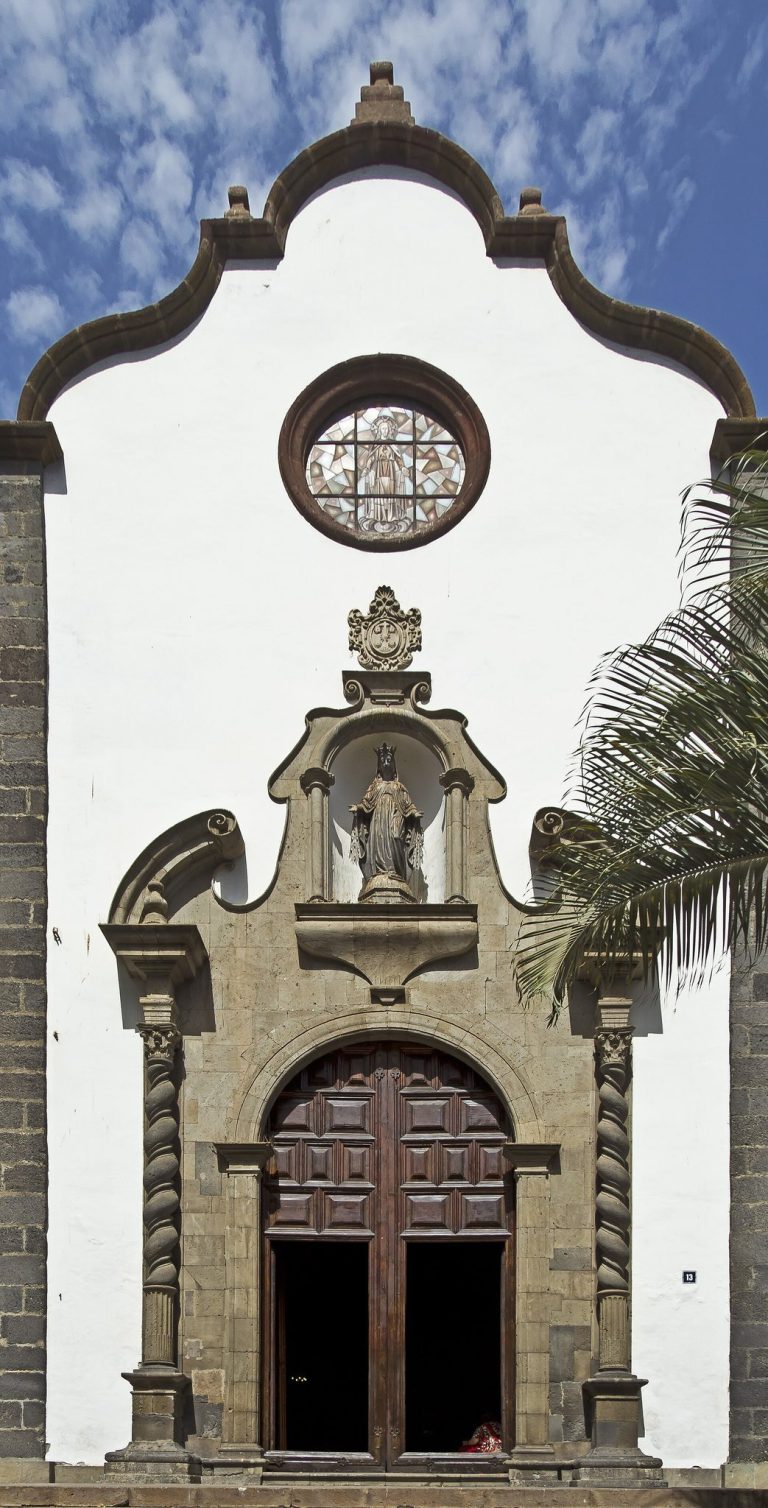
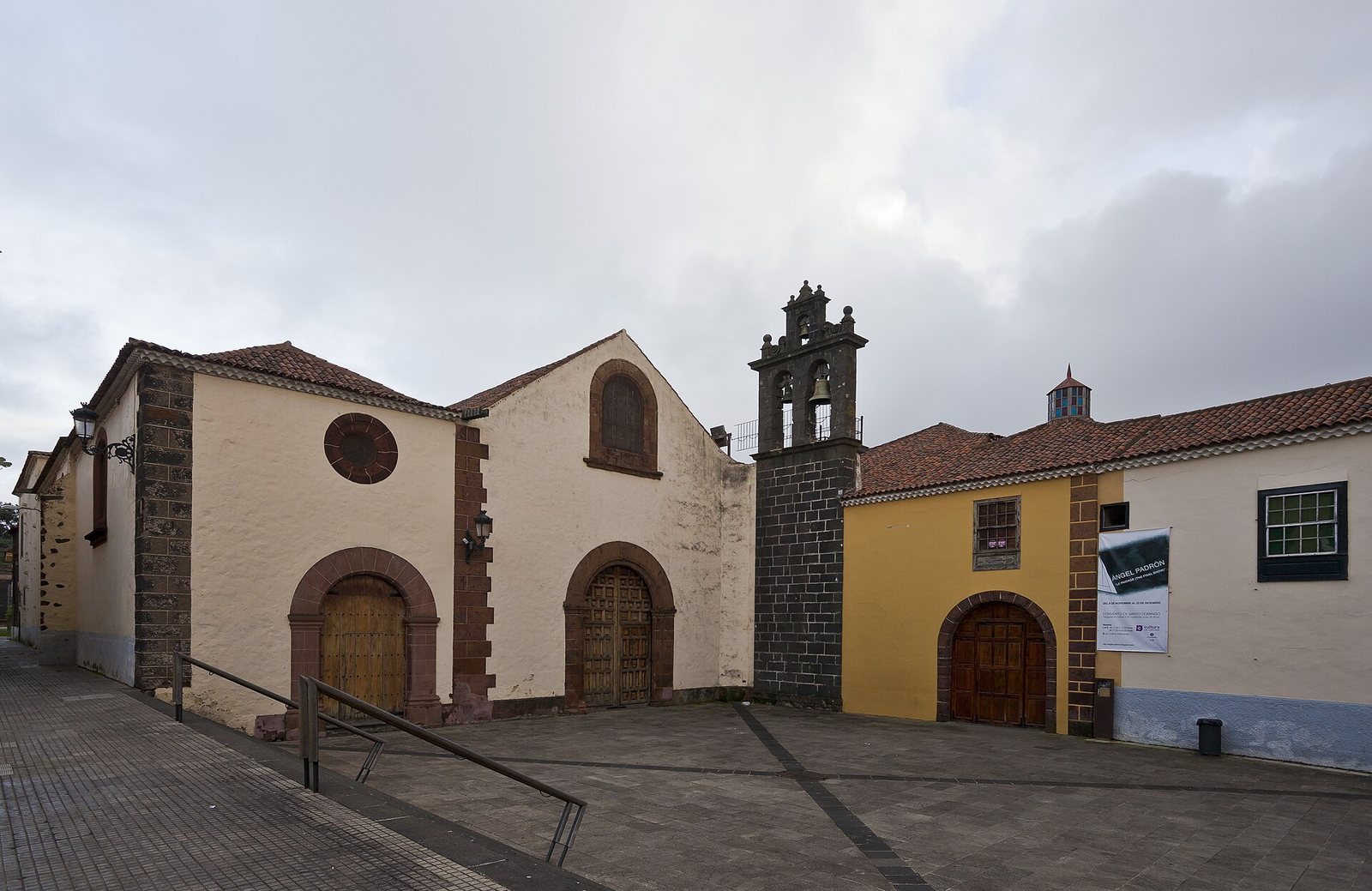
The Church of Santo Domingo de Guzmán is a Catholic parish in La Laguna, on Tenerife, Spain. Dominican friars established a convent on the site in 1522 and built the church in 1527. The friars belonged to the Dominican Order, also called the Order of Preachers, founded by the medieval Castilian priest Saint Dominic of Guzmán. A hermitage dedicated to the Immaculate Conception had stood there before the convent was established.
The parish is in the Diocese of San Cristóbal de La Laguna, a church jurisdiction overseen by a bishop, and is served by secular clergy, meaning priests who are not members of religious orders. Its patrons are Saint Dominic and Our Lady of the Rosary, a title for Mary associated with the Catholic practice of praying the rosary. After the diocese was established, the church served for a time as the parish associated with the Cathedral of Our Lady of Remedies.
The convent’s regional and academic role
On 30 January 1555, the convent sheltered the image of the Virgin of Candelaria during its first transfer from Candelaria inland. This Marian devotion is regarded as the patronage of the Canary Islands. The transfer followed earlier attacks on the coast and fears of French raids.
A chair of theology, a formal post for teaching the subject, was established at the convent in 1612. The convent also maintained a public library, and the teaching post contributed to its growth and importance.
Patronage and heritage
Amaro Rodríguez Felipe, known as Amaro Pargo, was a Spanish privateer, a privately operated vessel owner authorized for wartime attacks, and a merchant. He was buried in the church in 1747, supported it as a patron, and donated several artworks, including a silver throne for the image of the Dead Christ.
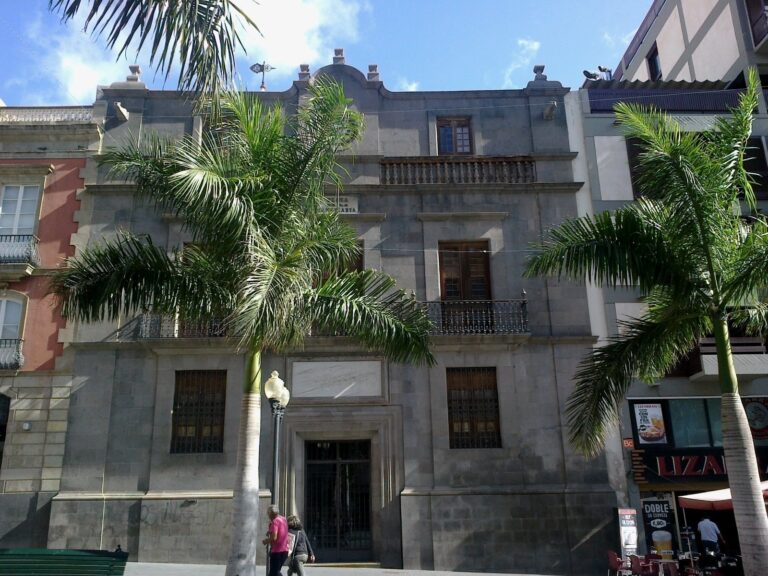
The church and former convent have held the Canary Islands’ monument-category Asset of Cultural Interest designation since 1986. The church is one of La Laguna’s most important temples, and the image of Our Lady of the Rosary is among the city’s most venerated and remains a focus of devotion.
Remains
Church interior
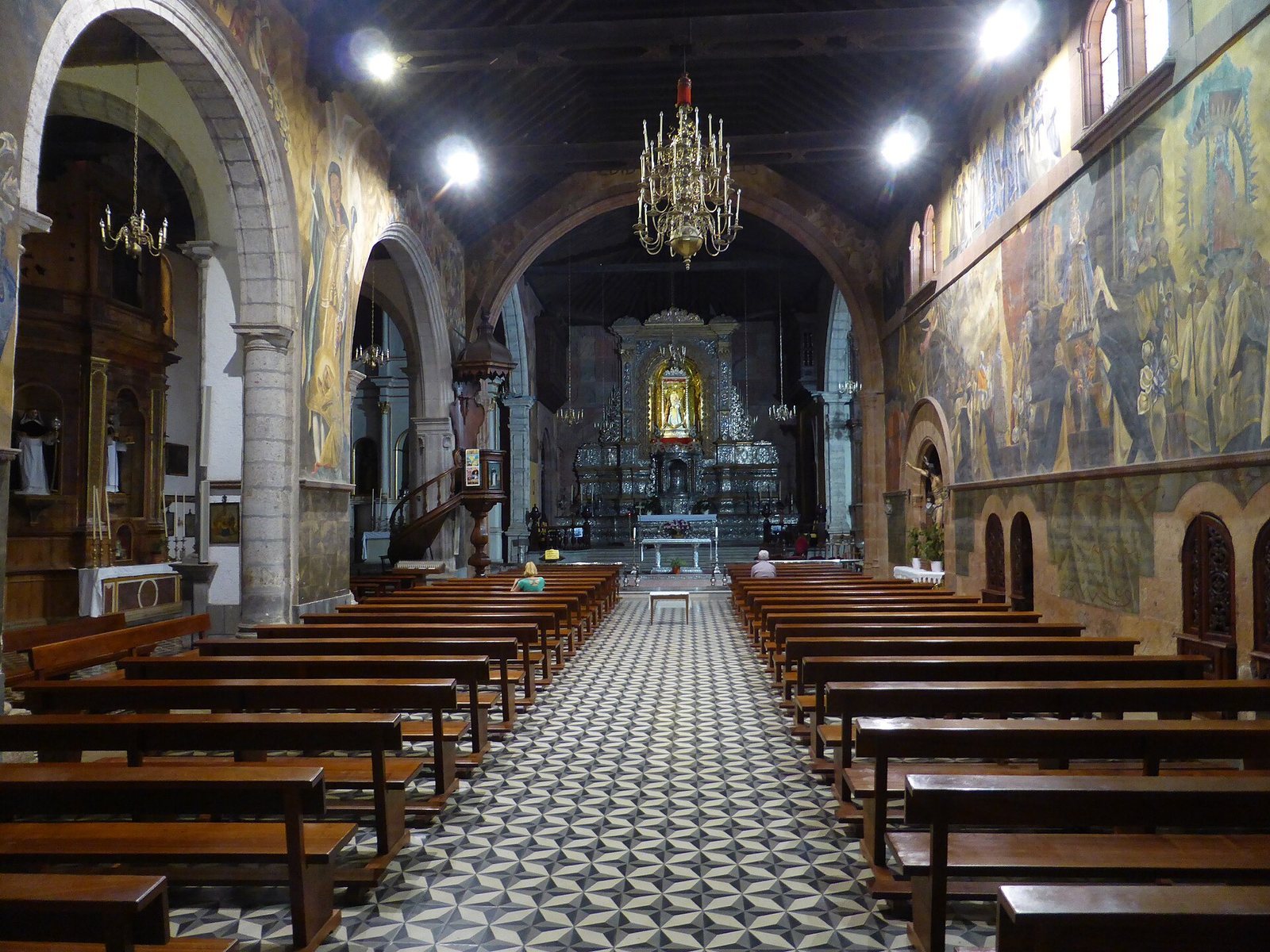
The interior includes a devotional chamber at the main altar, a tomb slab at the entrance, a baptismal font, and wall paintings.
Main altar and image
The chamber at the main altar houses the image of Our Lady of the Rosary. It rests on an eighteenth-century silver throne beneath a canopy. The image may have been brought to Tenerife by the Dominican friar Pedro de Santa María de Ulloa, though it may already have been on the island by 1558.
Entrance tomb
A marble slab at the entrance marks Amaro Pargo’s tomb. It bears his family crest and a skull-and-crossbones emblem associated with piracy.
Baptismal font
The baptismal font is identified as the one used for the baptism of Saint José de Anchieta. His baptism is also associated with the parish church of Our Lady of Remedies, now the diocesan cathedral.
Wall paintings
Paintings by Mariano de Cossío cover the church walls. They depict religious subjects and the triumph at the Battle of Lepanto, a 1571 naval battle in which the Holy League defeated the Ottoman fleet.