Carta Palace: A Baroque Residence and Civic Building in Santa Cruz de Tenerife
Site at a Glance
- Popularity
- Medium
- Country
- Spain
- Primary era
- Early Modern
- Eras represented
- Early Modern
- Civilizations
- Spanish
- Site type
- Domestic
- Remains
- Elite Residence
On this page5 sections
History
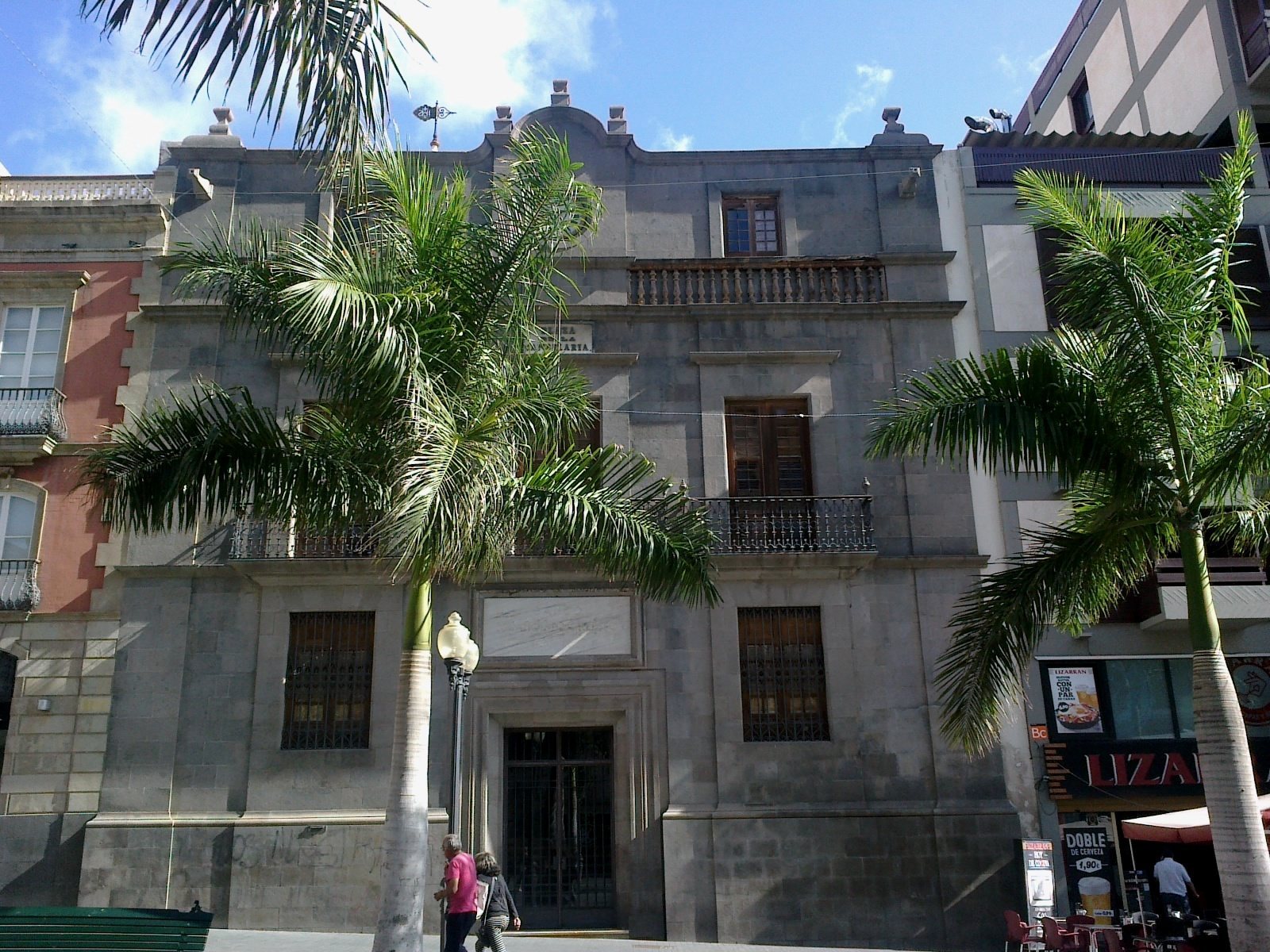
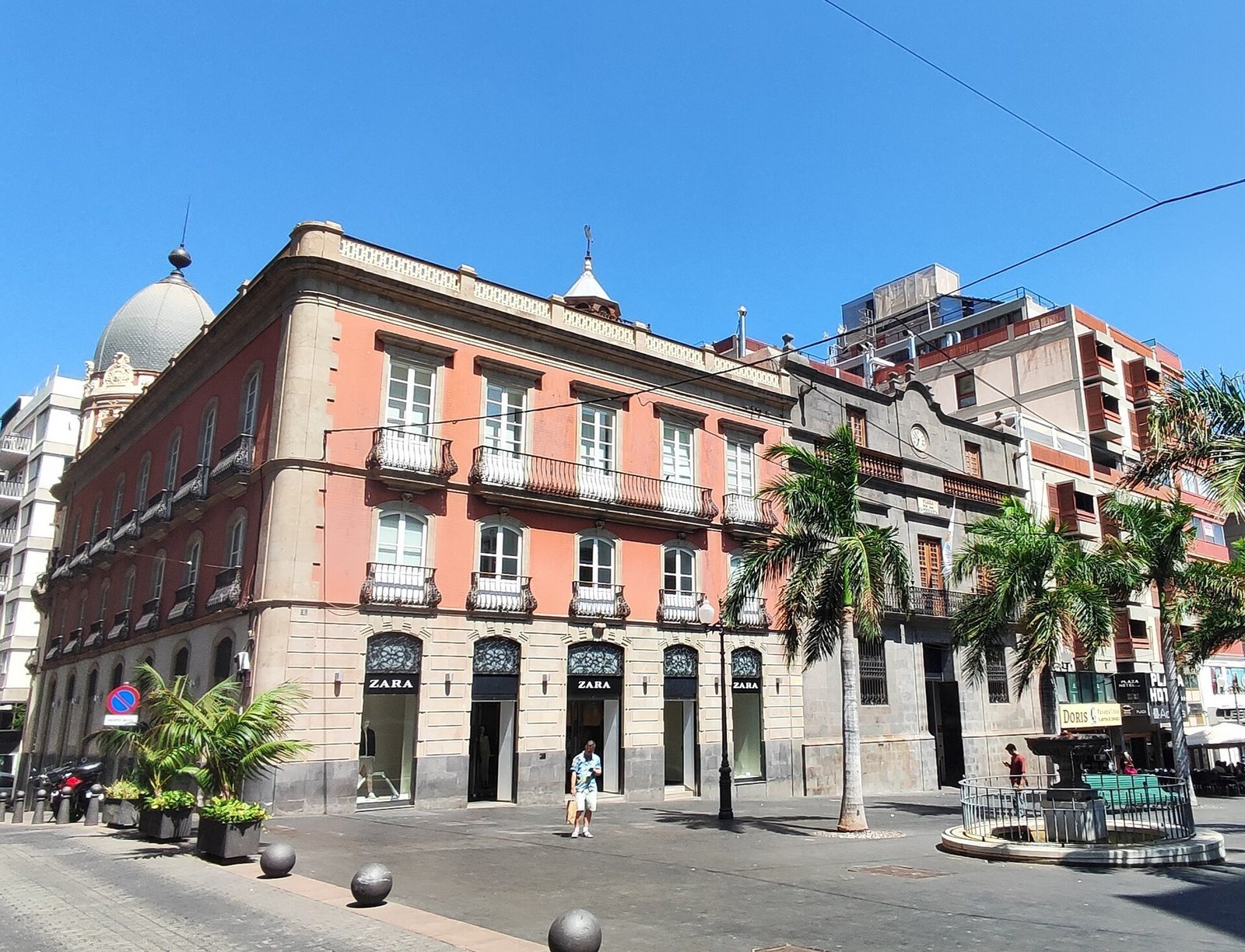
Carta Palace is an eighteenth-century residence in Plaza de la Candelaria in central Santa Cruz de Tenerife, Spain. Matías Rodríguez Carta commissioned it in 1721 as a family home, and construction was completed in 1752. It is among the most notable civil buildings of Canarian Baroque architecture, the Baroque tradition of the Canary Islands, with Neoclassical elements drawing on Greek and Roman forms. The palace was reputed to be the city’s best-known place during the eighteenth century.
Government and banking use
After its residential period, the palace housed the Captaincy General of the Canary Islands, a regional military command that could also exercise governmental responsibilities, and the Civil Government. During the 1950s, it served as the headquarters of the Spanish Credit Bank, Banco Español de Crédito.
The seizure of 1936
On 18 July 1936, coup forces seized the palace early in the morning while it housed the Civil Government. They abducted the civil governor, Manuel Vázquez Moro, who also lived there. In October, after a sham trial in which he was accused of treason, he was executed. Police loyal to the Republic tried to retake the building. A gunfight in Plaza de la Candelaria left a police officer and a Falangist, a supporter of the Spanish fascist Falange Española, dead.
Heritage protection and later use
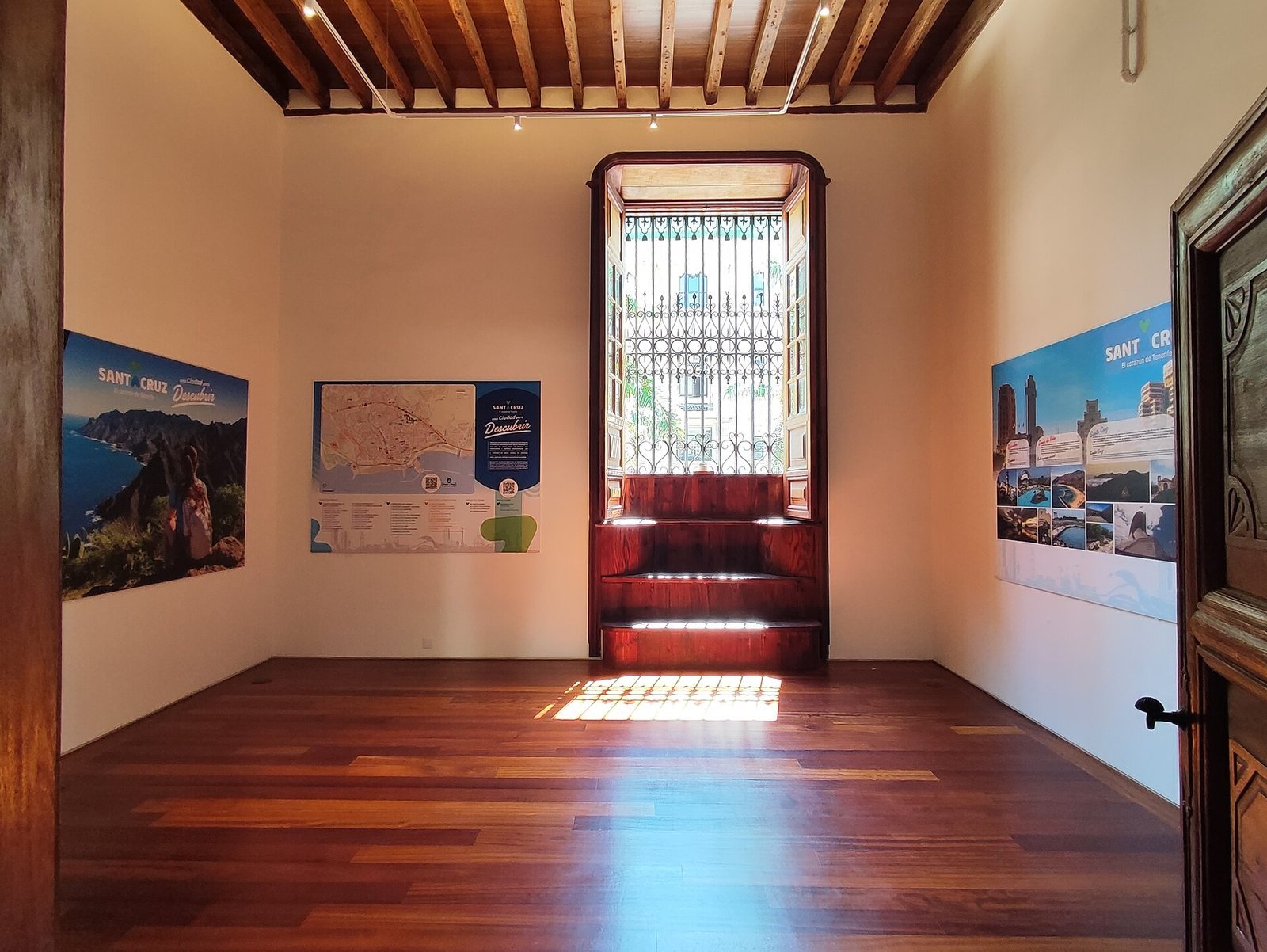
The palace received heritage protection in 1947, becoming the first protected building in Santa Cruz de Tenerife and one of the earliest in the Canary Islands. Its Cultural Interest Property status, a Spanish legal heritage designation, has a declaration date of 22 July 2004. The Government of the Canary Islands owns the building and has ceded its use and management to the municipality of Santa Cruz de Tenerife. After rehabilitation, it became a cultural venue.
Remains
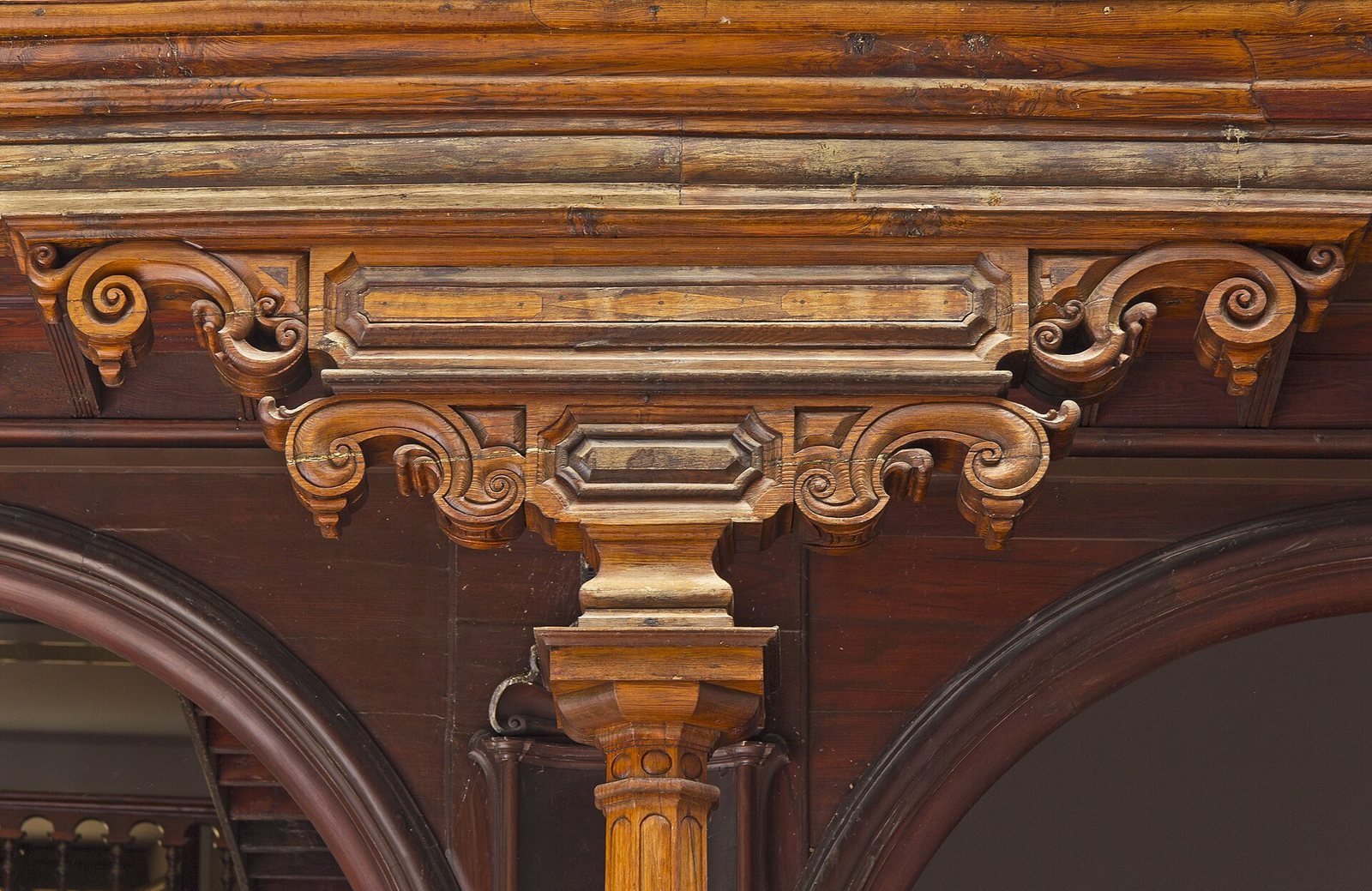
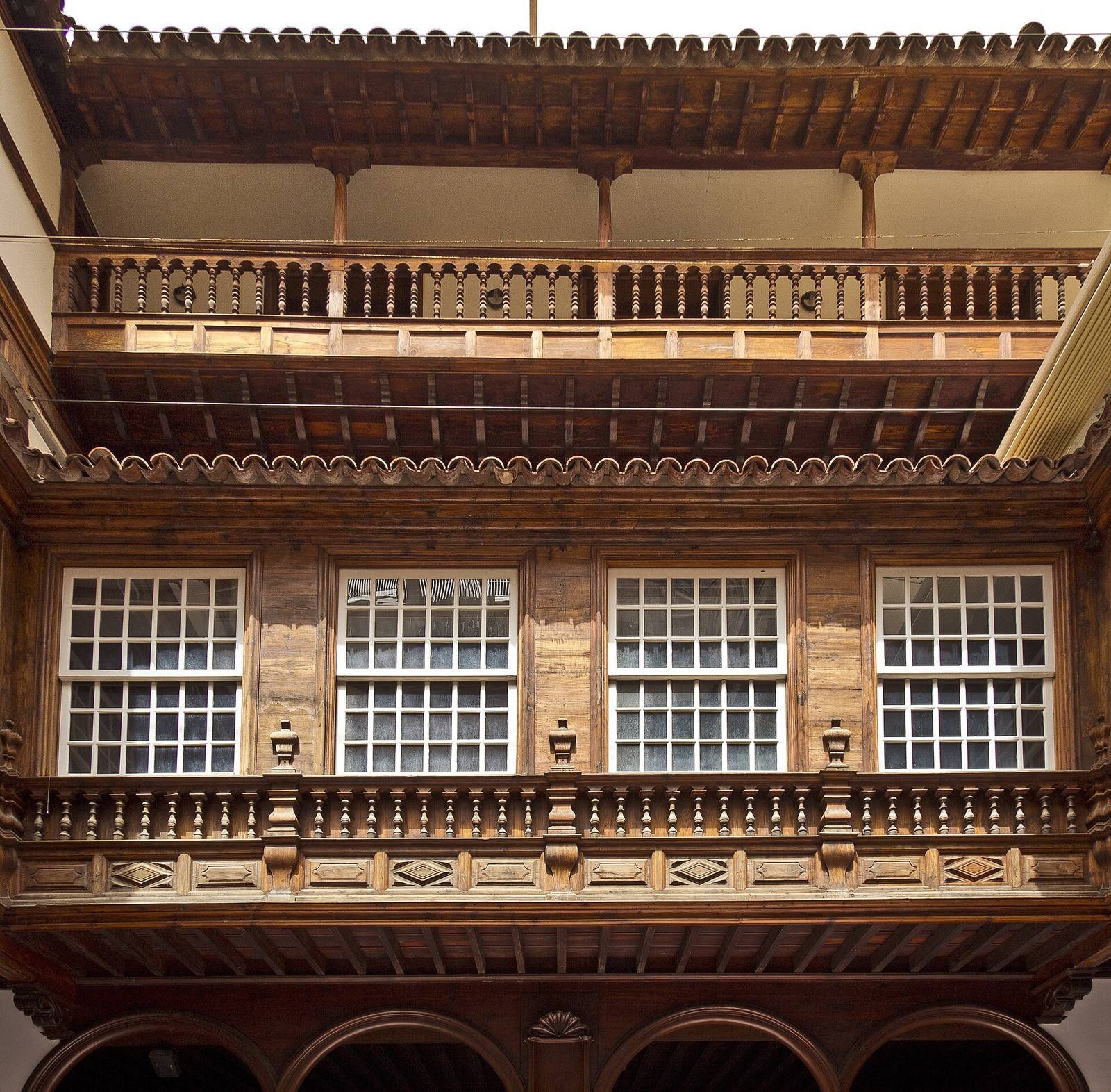
The palace’s ashlar-masonry façade is made of carefully cut stone blocks and combines Canarian Baroque forms with Neoclassical details. Inside, two courtyards follow the traditional Canarian style. In Plaza de la Candelaria, the building stands opposite the Chamber of Commerce and the monument to the Triumph of Candelaria.