Gaigaliai Hillfort, Kupiškis: An Ancient Fortified Site
Site at a Glance
- Rating
- 5
- Popularity
- Very Low
- Country
- Lithuania
- Primary era
- Classical
- External website
- Open
- Eras represented
- Iron Age, Classical, Medieval
- Civilizations
- Unclassified
- Site type
- Military
- Remains
- Fort
On this page4 sections
History
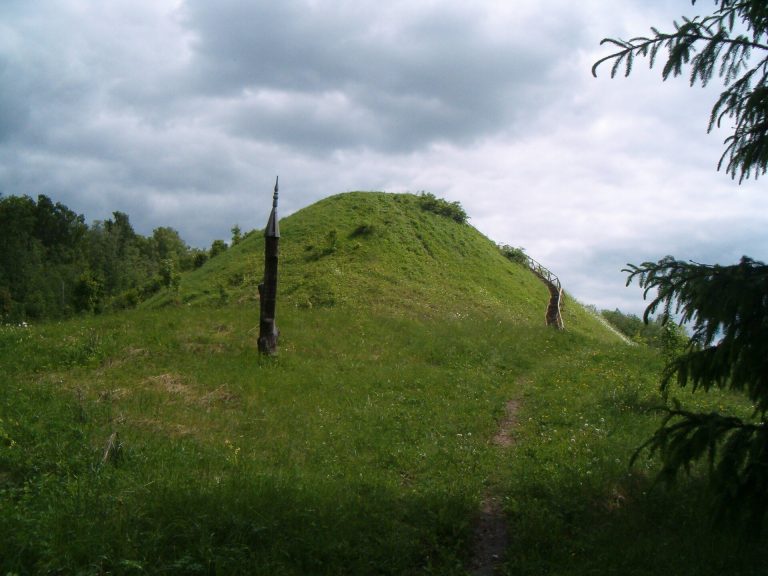
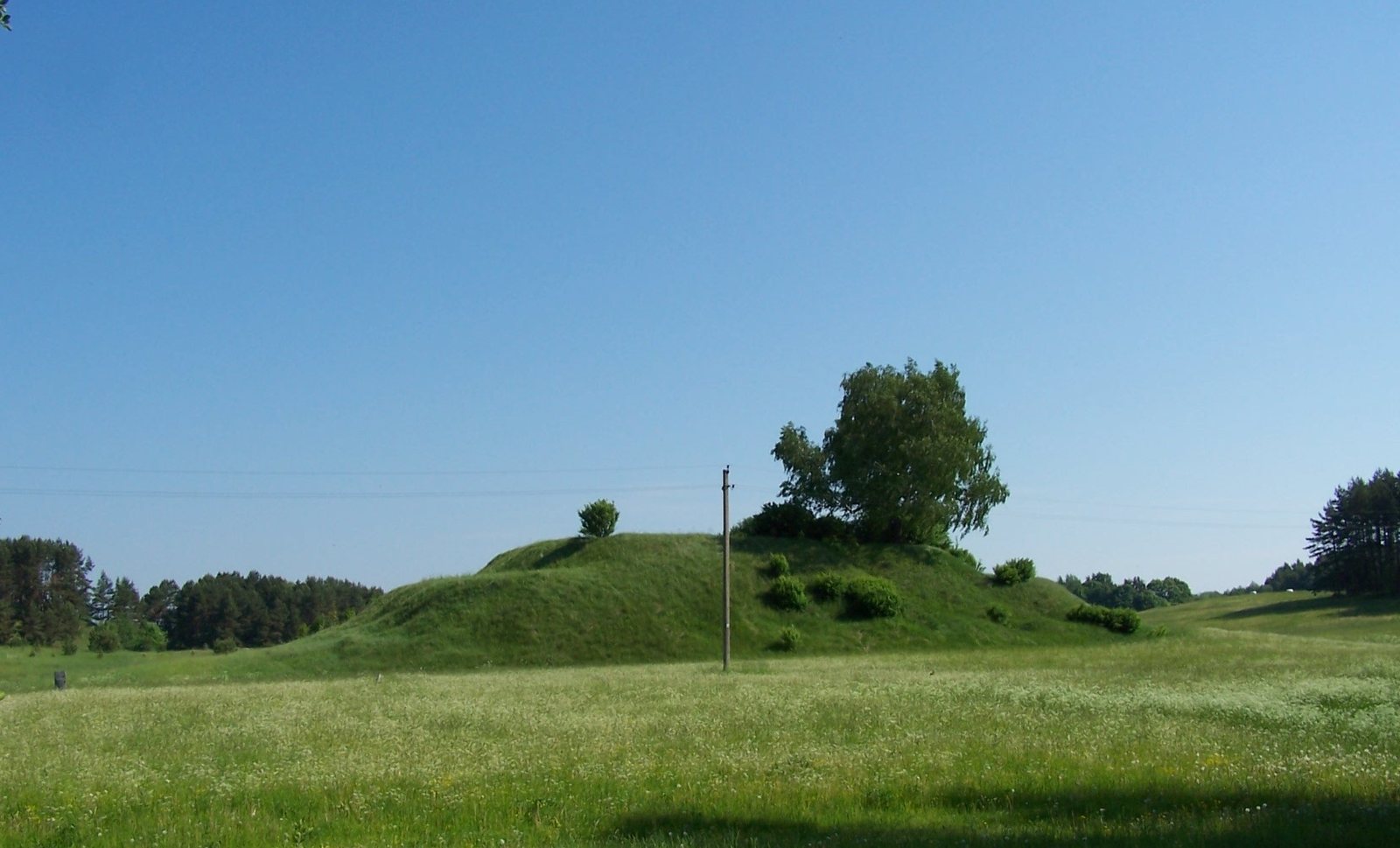
Gaigaliai Hillfort is a fortified site on elevated terrain northeast of Gaigaliai village in Kupiškis district municipality, Lithuania. It is dated from the late first millennium BCE to the first millennium CE.
Konstantinas Gukovskis, Fiodor Pokrovskis, and Liudvikas Kšivickis described the hillfort in the late nineteenth and early twentieth centuries. Petras Tarasenka wrote about it in 1943. The Lithuanian Institute of History conducted exploratory investigations in 1969, followed by work from archaeologists of the Scientific-Methodological Council for the Protection of Cultural Monuments in 1971 and 1980.
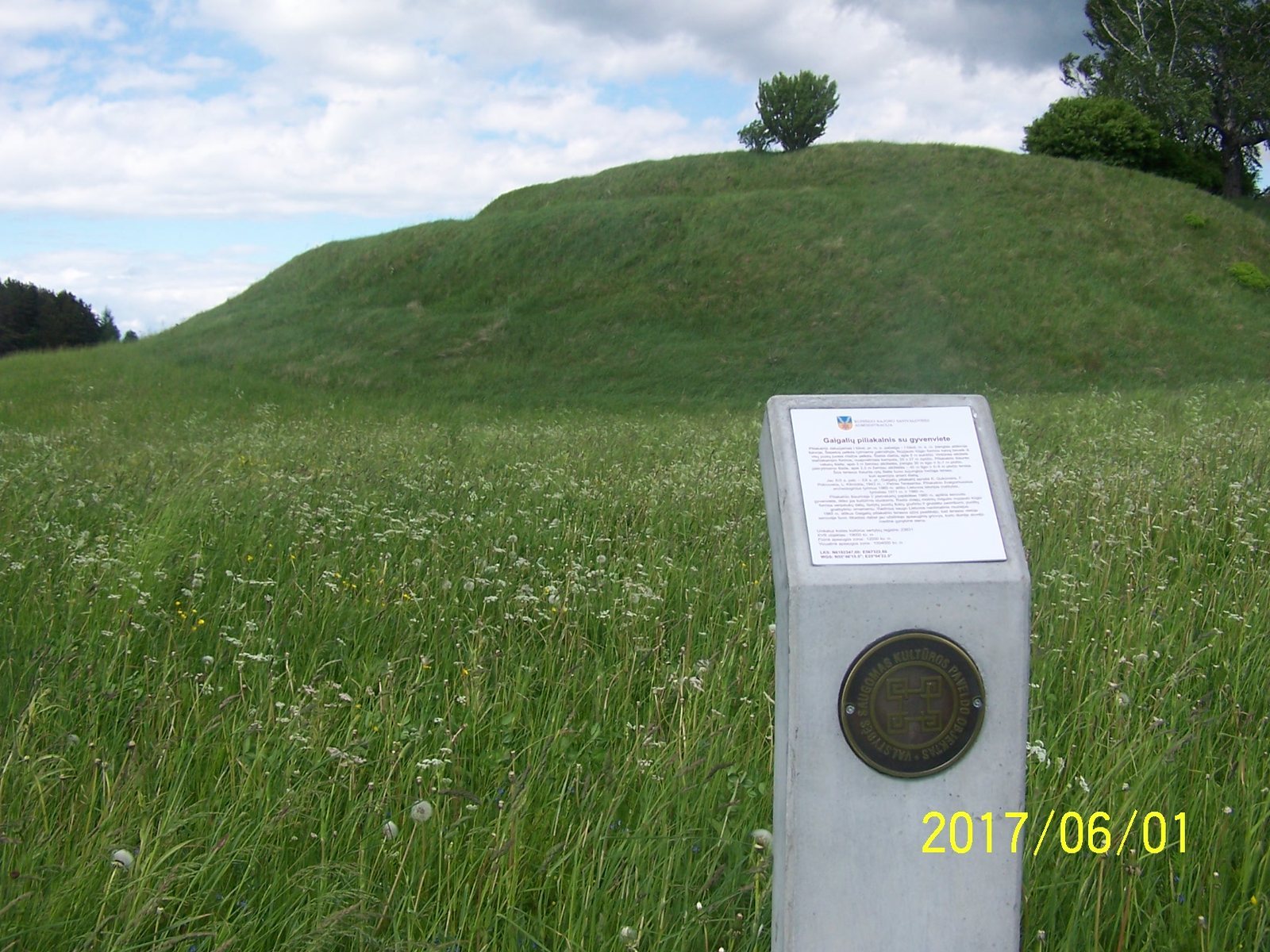
The site entered the Cultural Values Register in 1997, was declared a cultural monument in 1998, and received state protection in 2005. In 2024 it was added to the list of immovable cultural heritage sites of exceptional cultural value. Sites on this list carry the Blue Shield emblem, which identifies cultural property protected under the UNESCO Convention for the Protection of Cultural Property in the Event of Armed Conflict, an international agreement for safeguarding heritage during war.
Remains
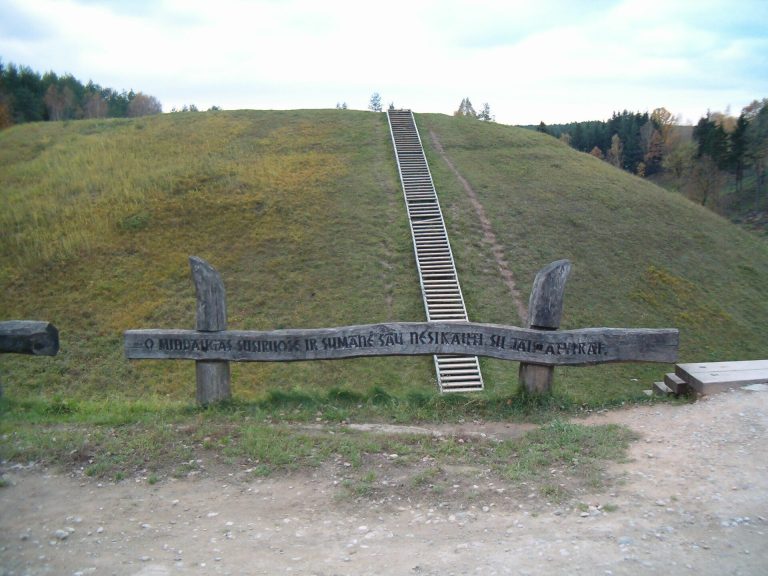
The hillfort occupies an isolated, truncated-cone-shaped hill on the eastern edge of Šepeta bog, with small bogs surrounding it on almost every side. Its steep slopes are about 9 m high. The summit platform is rectangular with rounded corners and measures 29 by 27 m. A terrace on the northwestern slope lies about 3 m below the platform and measures 30 m long by 5–7 m wide. Another, on the southeastern slope, lies about 2.5 m below the summit and measures 40 m long by 5–6 m wide. A third terrace connected these on the northeastern slope and has been disturbed by plowing.
Defensive works
A terrace section cut in 1989 revealed an earlier defensive arrangement. An ancient ditch was dug in the area of a terrace and later silted up; a wooden defensive wall stood outside it.
Settlement and finds
An ancient settlement occupied the northern and southwestern foot of the hillfort. Its surviving cultural layer, an archaeological deposit preserving traces of human activity, contains fragments of two clay spindle whorls, weighted tools used for spinning thread and shaped as double truncated cones. Handmade pottery sherds have smoothed or rough surfaces, with some pieces bearing pinched decoration. The Lithuanian National Museum holds the finds.