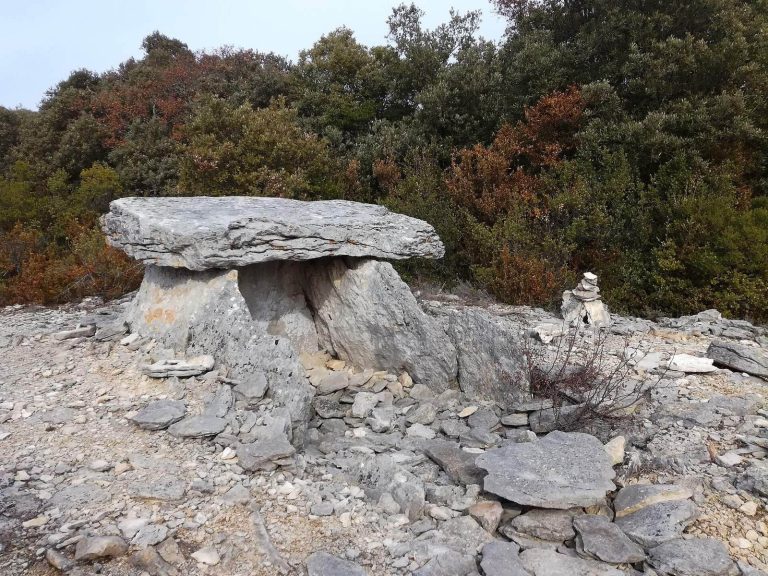
Cave of Two Openings: An Upper Paleolithic Decorated Cave in France
Site at a Glance
- Popularity
- Low
- Country
- France
- Primary era
- Stone Age
- Eras represented
- Stone Age
- Civilizations
- Unclassified
- Site type
- Civic
- Remains
- Rock Art
On this page5 sections
History
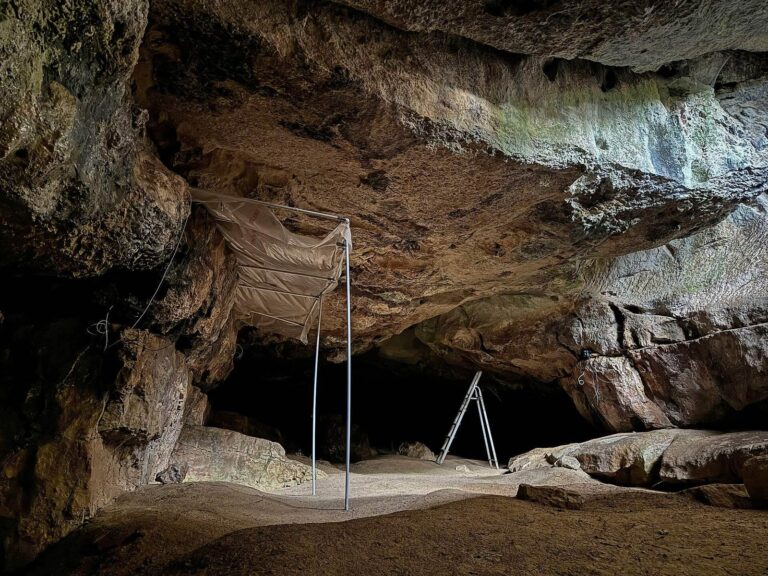
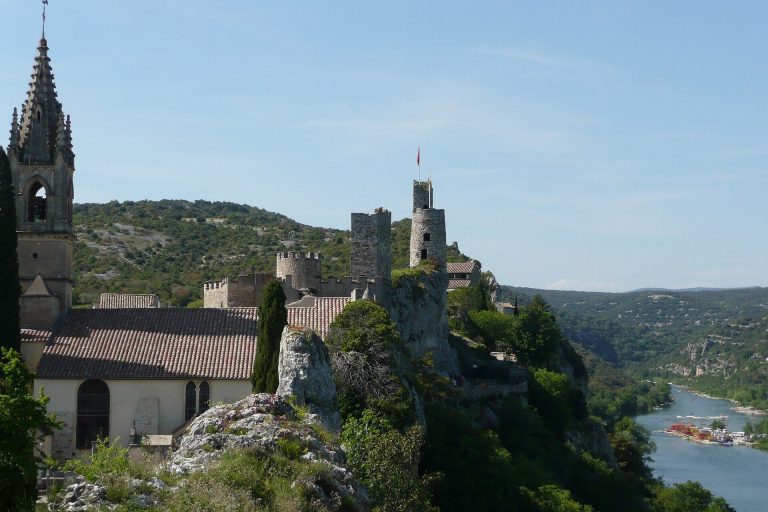
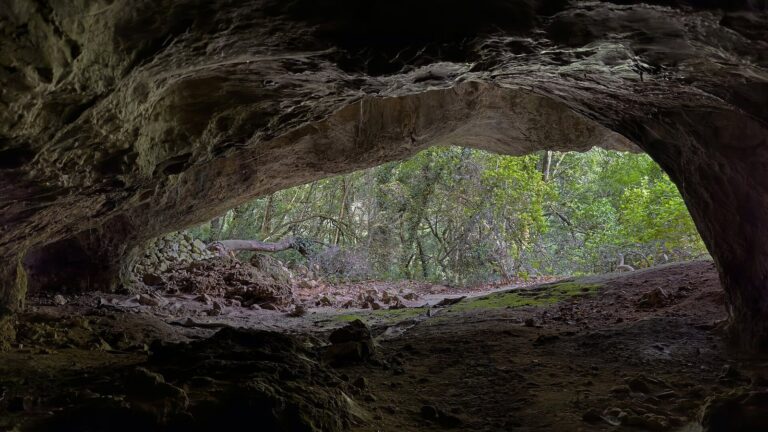
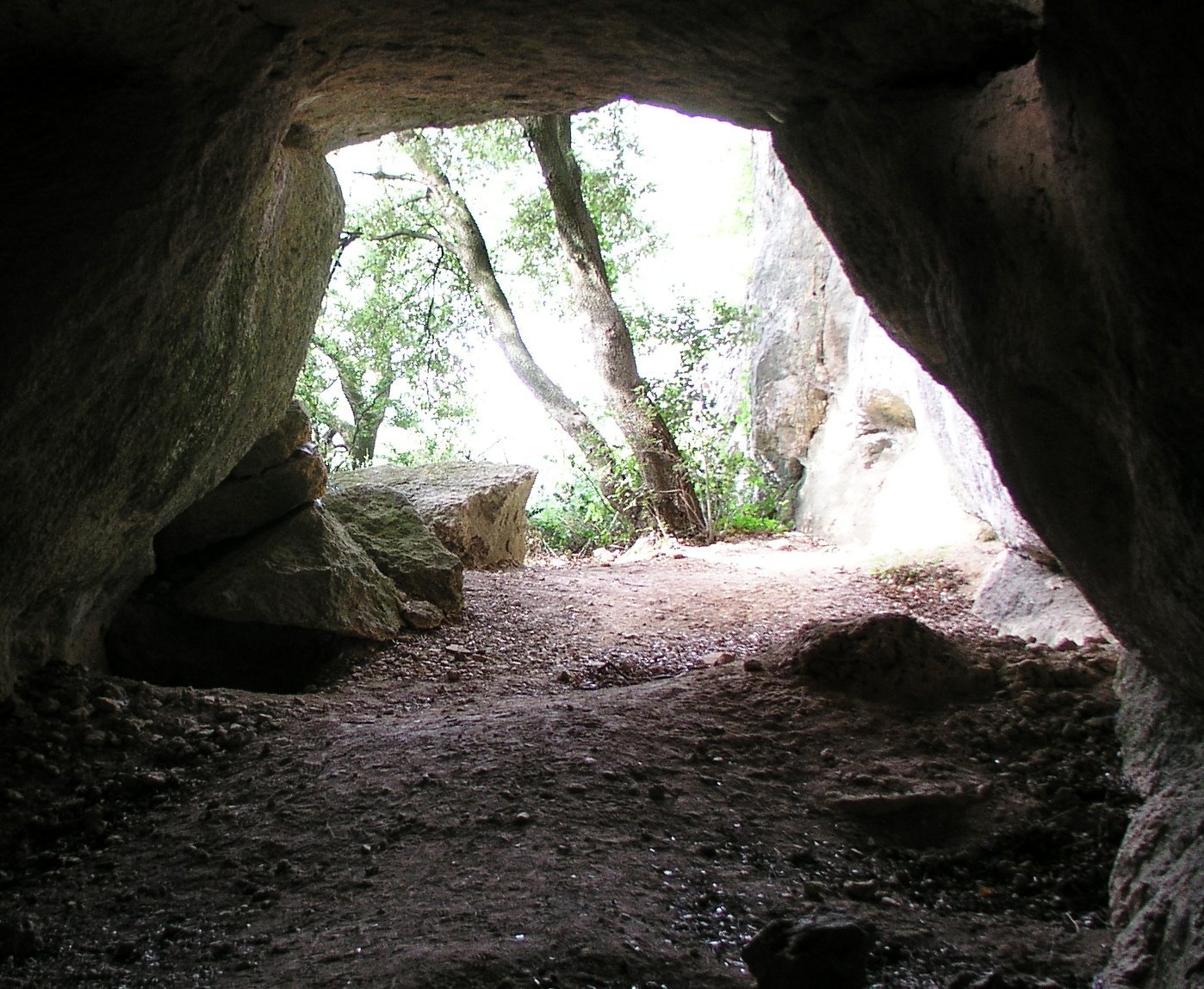
The Cave of Two Openings is a decorated cave in Saint-Martin-d’Ardèche, France, at the outlet of the Ardèche Gorges. It belongs to a group of six caves associated with the Upper Paleolithic, the later phase of the Paleolithic or Old Stone Age. The other caves in the group are Sombre, Chabot, Figuier, Huchard, and Tête-du-Lion. Human presence at the cave reaches back 34,000 years and continues into the modern period. Cave bears frequented it before its Upper Paleolithic decoration.
Discovery and archaeological study
The cave’s first section had been known for a long time and was noted in the late nineteenth century. On 23 December 1985, members of GRESS discovered the deeper sector and its wall art after almost a year of clearing an obstruction.
J.-L. Porte and B. Gély led the first excavation and recording campaign in 1987. G. Onoratini carried out test excavations beneath the porch in 1990, and research resumed in 2007 with M. Philippe’s studies of fossils and animal remains. From 2008, a multidisciplinary project led by Julien Monney examined the cave alongside the Grotte aux points d’Aiguèze, the Grotte de la Tête du Lion, and the Grotte Huchard. Its work included engraving surveys, archaeological test excavations, three-dimensional recording, and studies of animal remains, geological processes, and traces left by organisms. The project was still underway in 2020.
The cave received French historic-monument protection, a form of national heritage protection, on 10 August 1990. A classification order dated 20 May 2025 replaced the earlier order.
Remains
Geology and layout
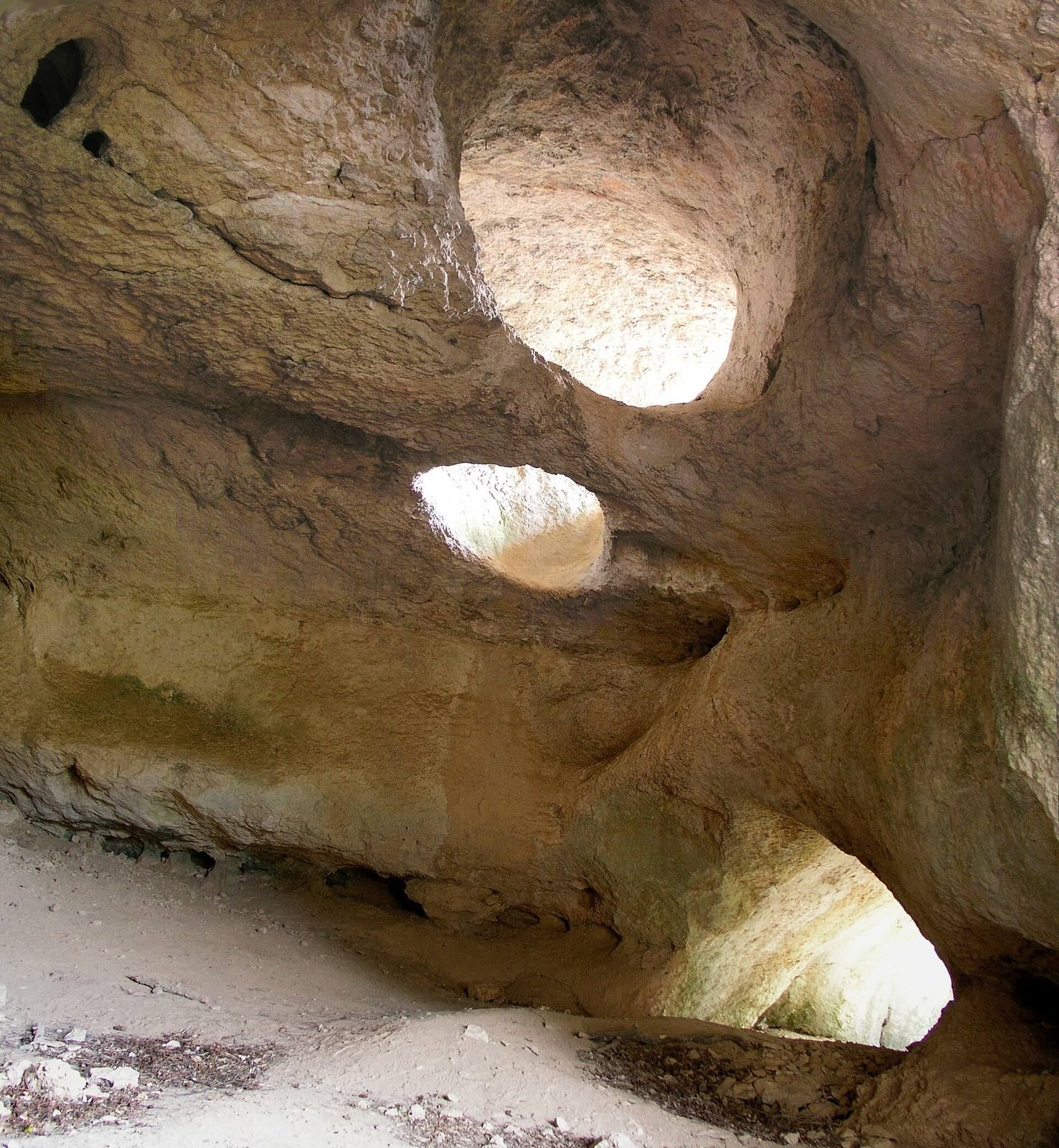
The cave formed in limestone during the Lower Cretaceous, an early division of the Cretaceous geological period. Its known length is 100 m, and its entrance is at an altitude of 75 m. The interior includes a first section and a deeper sector, while a porch has also been the focus of archaeological testing.
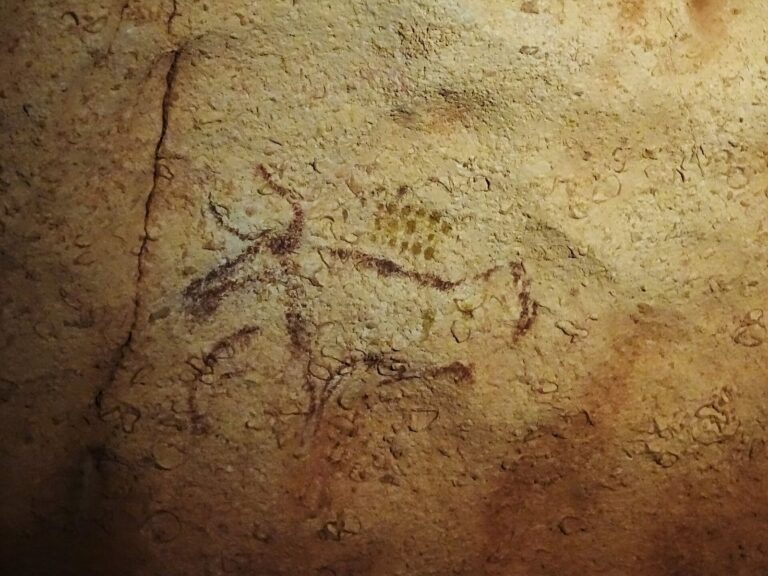
Upper Paleolithic traces
Engravings in the deeper sector are attributed to the Upper Paleolithic. Other traces assigned to this period include a few red and black marks and human remains.