Yumuktepe: An Archaeological Settlement Mound in Mersin
Site at a Glance
- Popularity
- Medium
- Country
- Turkey
- Primary era
- Stone Age
- Eras represented
- Stone Age
- Civilizations
- Unclassified
- Site type
- City
On this page11 sections
History
Neolithic settlement
Yumuktepe is an archaeological settlement mound in Mersin, Turkey, occupied from the seventh millennium BCE through the Middle Ages. Its earliest habitation layer is dated to about 6300 BCE, and excavations have identified 23 successive occupation levels. The settlement’s long history began in the Neolithic, or New Stone Age, when farming and settled communities became established.
Evidence from around 7000 BCE points to trade connections and advances in manufacturing. Residents cultivated crops and kept sheep, goats, pigs, and cattle. Plant remains indicate that olives and figs were grown in the region before grapevines arrived.
Kizzuwatna and the Late Bronze Age
Yumuktepe later belonged to Kizzuwatna, an ancient Anatolian kingdom that became subject to the Hittite Empire, a major power in the ancient Near East. A treaty dated to 1440 BCE, before Kizzuwatna came under Hittite control, names a place called Pitura. Some proposals identify Pitura with Yumuktepe, while another places it in the Middle Euphrates valley. Other suggestions connect the mound with the uncertain port of Ura or propose Elipru as its original name.
After about 3200 BCE, evidence for occupation becomes sparse, and the settlement may have been temporarily abandoned. Around 1200 BCE, the Hittite Empire collapsed amid migrations from the west by groups known in Egyptian records as the Sea Peoples. Yumuktepe appears to have suffered serious damage during these migrations and later attacks by Assyria, an ancient Mesopotamian power. A major fire destroyed the settlement around 1200 BCE.
Roman period and later occupation
In the early Roman period, the port city of Zephyrium lay south of Yumuktepe. Emperor Hadrian later renamed it Hadrianapolis. As nearby Solipolis, about 10 km to the southwest, took over maritime trade, Yumuktepe lost its importance as a port. Its stronghold remained in use into the Middle Ages, after which the settlement was abandoned.
Excavations and urban growth
British archaeologist John Garstang excavated at Yumuktepe from 1936 to 1938. The Second World War interrupted the work, and bombing in Liverpool destroyed some excavation records held by the university. Garstang returned to the site in 1946–47, but Turkish authorities then halted the excavations. New investigations began in 1993 under archaeologists Veli Sevin and Isabella Caneva.
When Garstang began work, the mound stood on the outskirts of Mersin. Subsequent urban growth brought it within the city’s Toroslar district.
Remains
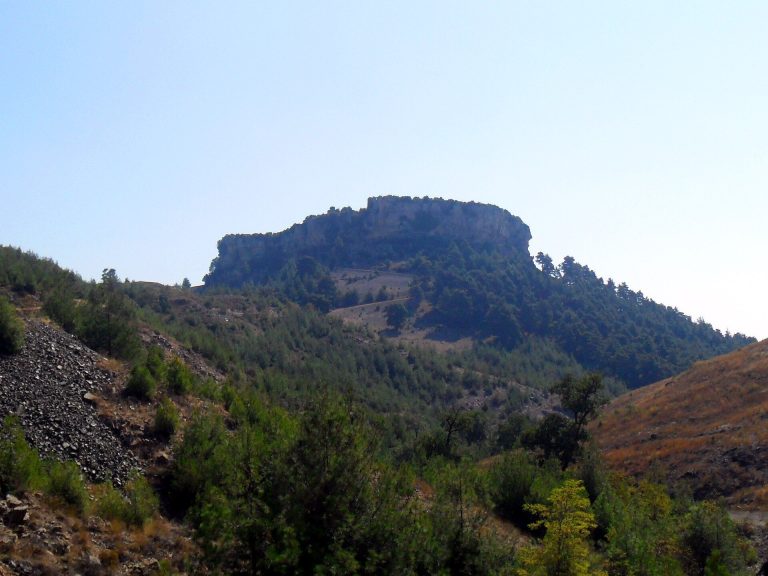
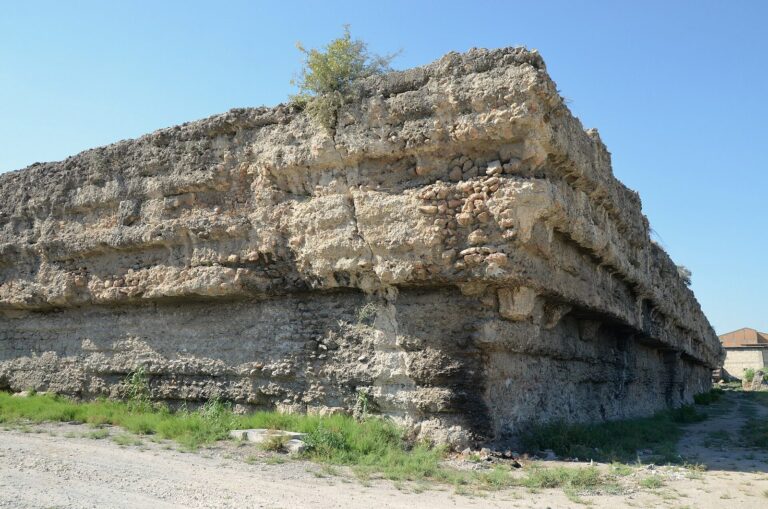
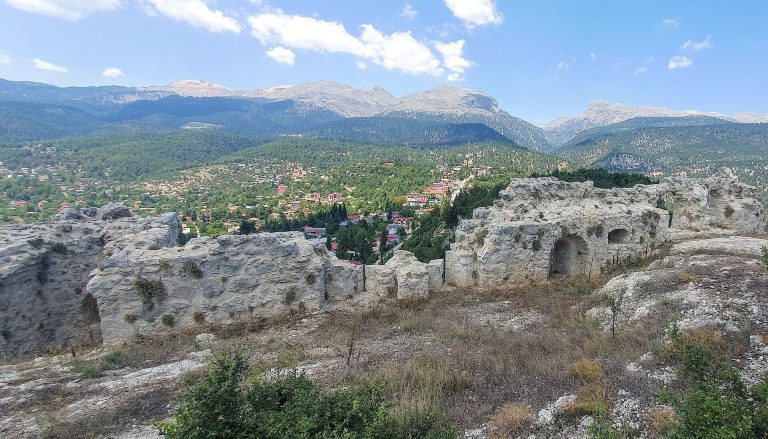
Yumuktepe is a settlement mound within the modern city, about 2.5 km from the Mediterranean coast. Its summit and slopes preserve a clear arrangement of a fortified upper area and housing terraces. Deposits carried by the Efrenk, also called the Müftü, stream are thought to have shifted the coastline southward. The mound may once have stood near the sea, but this remains uncertain.
Citadel and terraces
A fortified citadel occupied the summit from around 5000 BCE, while houses stood on terraces along the mound’s slopes. A fortification in a layer dated to about 4500 BCE has been regarded as one of the oldest known worldwide and as an early structure resembling a castle.
Condition and flood damage
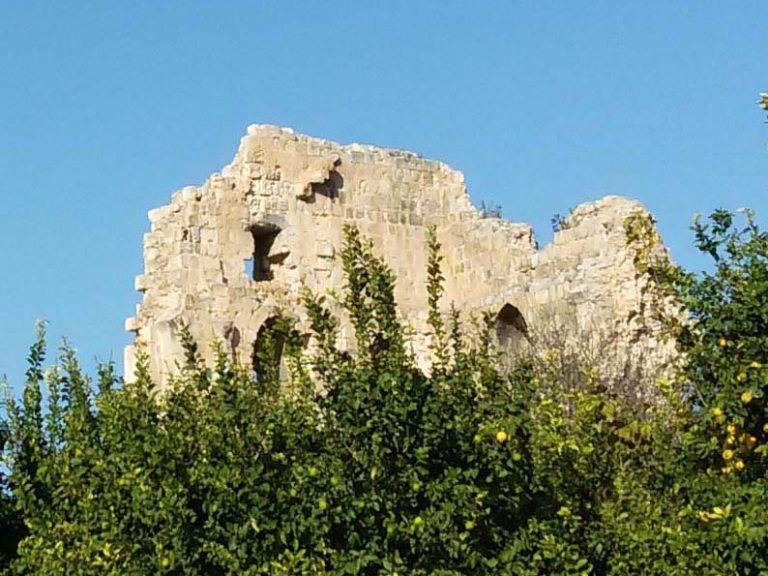
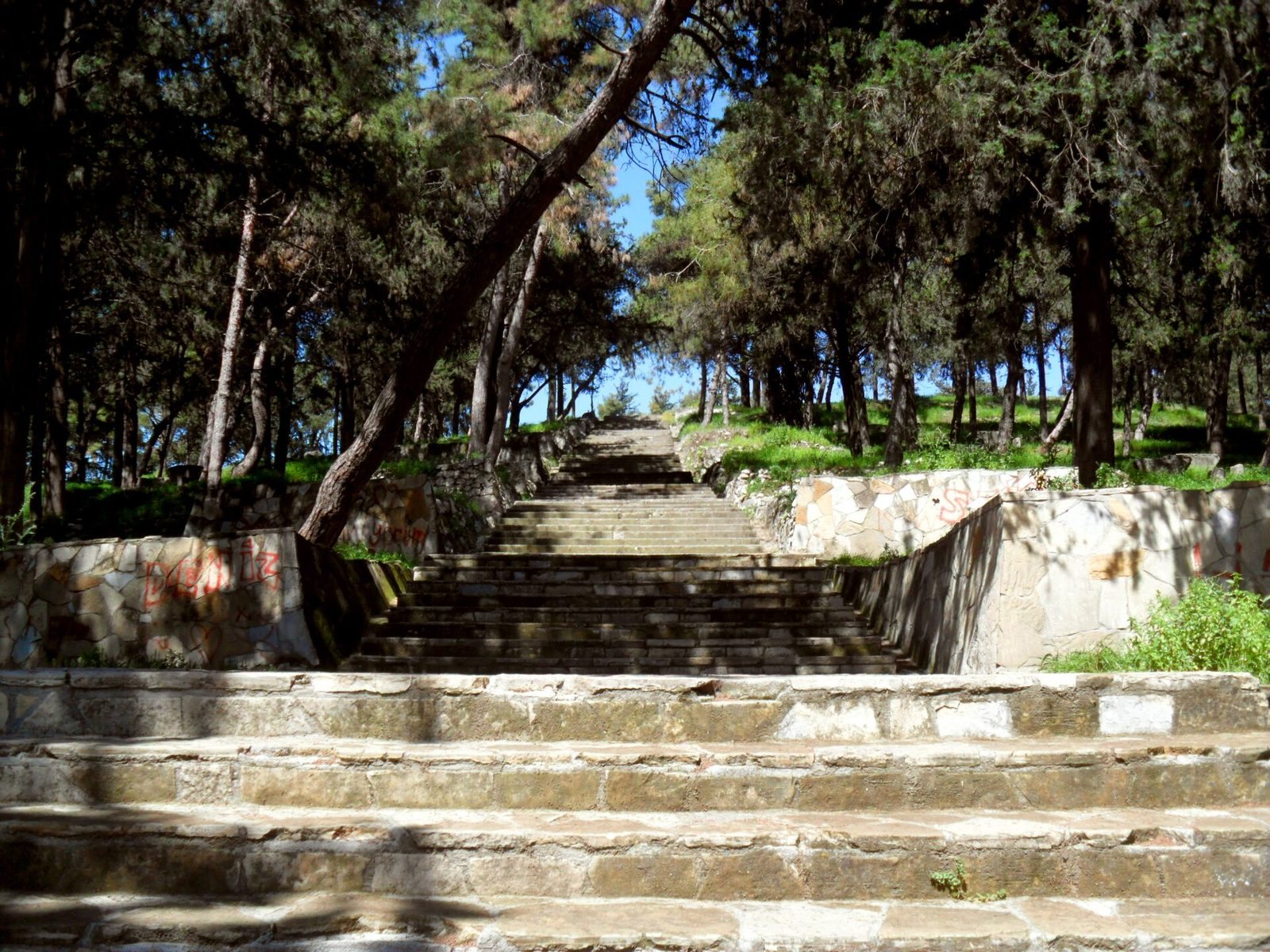
The summit is now wooded, and building remains are exposed there. A 1968 flood caused by a nearby stream damaged the western part of the archaeological site.
Tools and metalworking
Tools and ornaments
Excavations recovered early tools made from stone and ceramic for household tasks and production. Jewelry and tools made from obsidian, a natural volcanic glass, were also found at the site; these objects are now held in museums.
Copper smelting
During the Chalcolithic, or Copper Age, Isabella Caneva identified the use of a simple furnace for smelting copper at Yumuktepe. The suggestion that the settlement had some of the world’s earliest copper-smelting installations remains an interpretation.