Church of St Andrew, Divina: A Late Baroque Parish Church in Slovakia
Site at a Glance
- Popularity
- Very Low
- Country
- Slovakia
- Primary era
- Early Modern
- Eras represented
- Early Modern, Modern
- Civilizations
- Austria-Hungary, Habsburg, Hungarian
- Site type
- Religious
- Remains
- Church
On this page6 sections
History
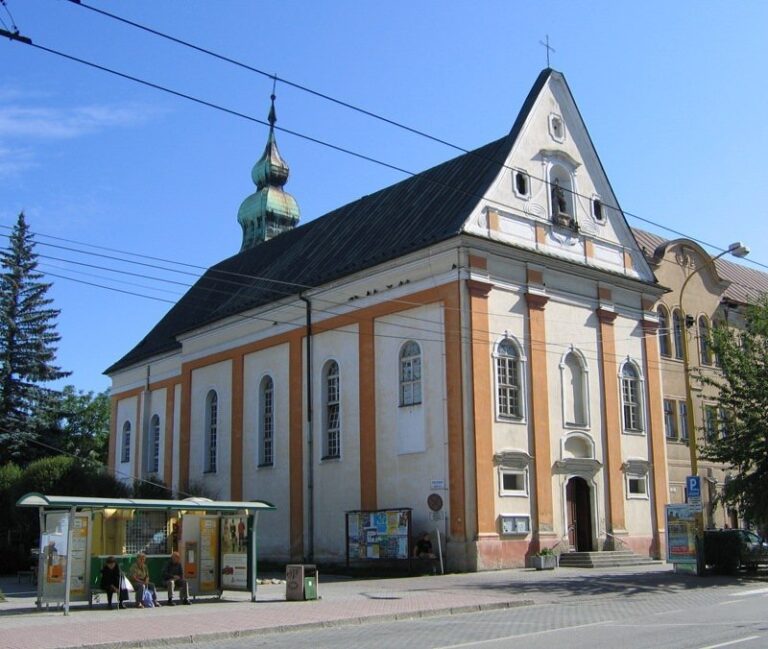
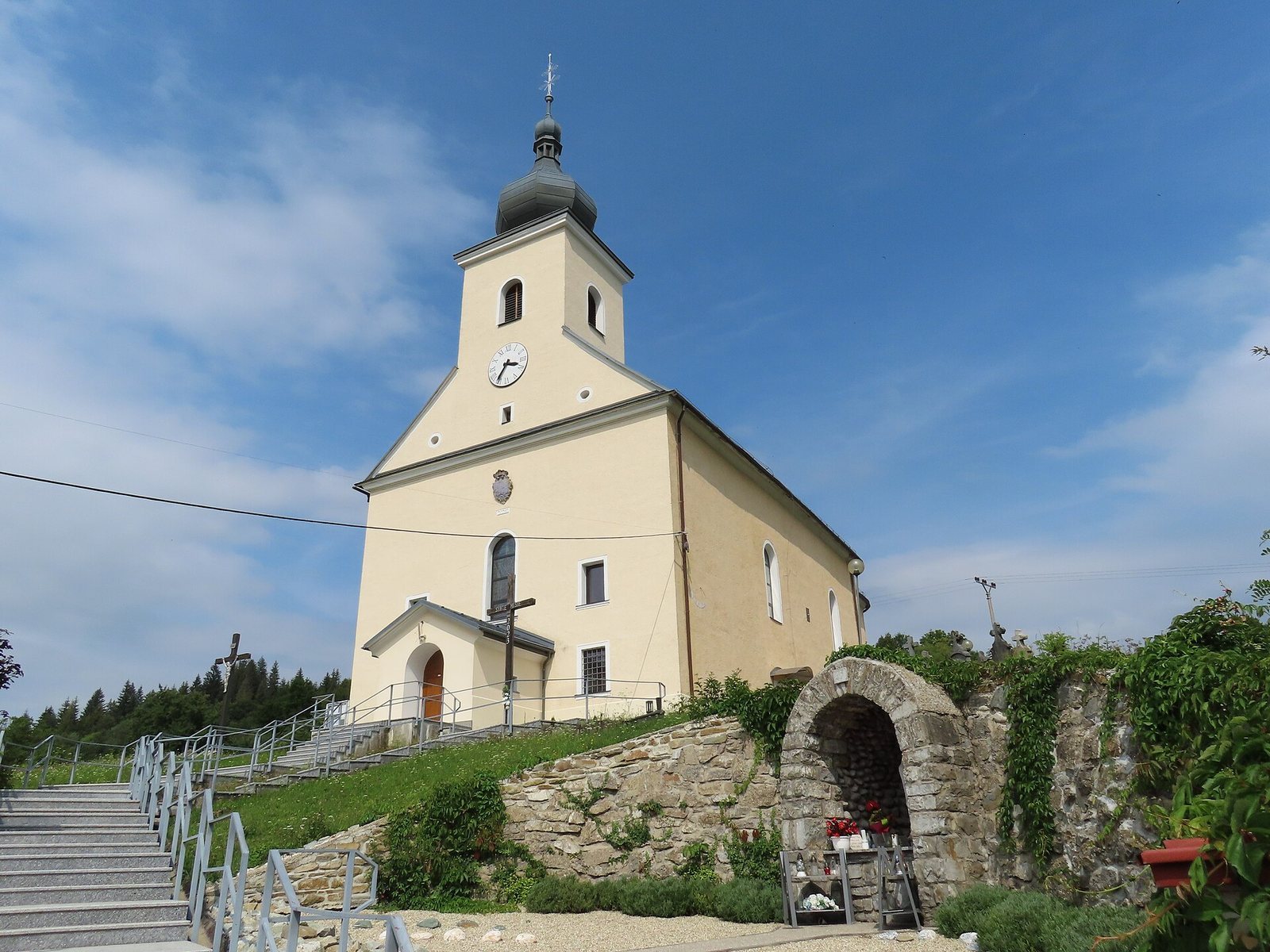
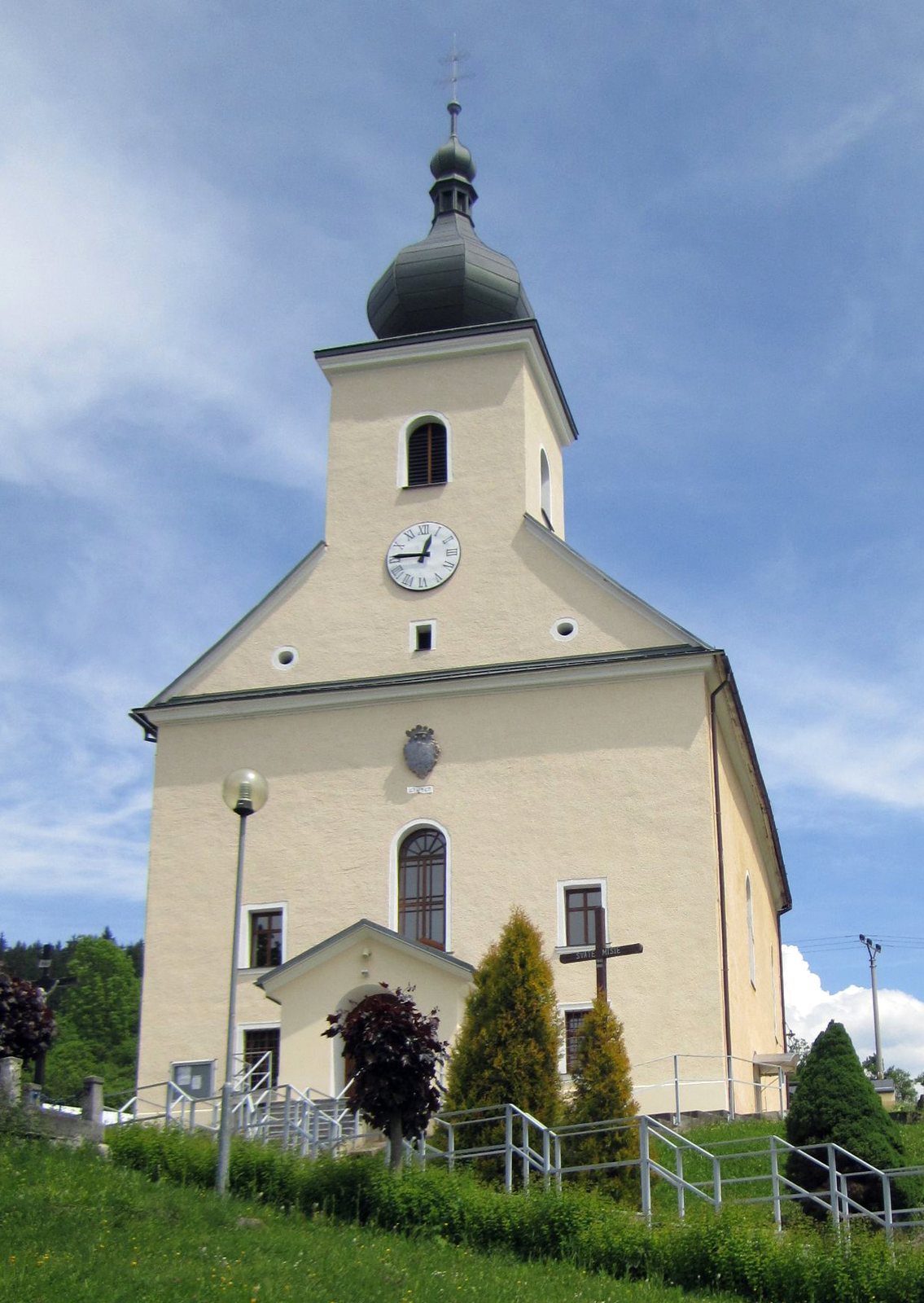
The Church of St Andrew is a Roman Catholic parish church in Divina, Slovakia, built from 1773 to 1779 in the late Baroque style. Baroque was a European artistic and architectural style that flourished from the 17th into the 18th century. Master masons from Žilina constructed the church for Count Ján Nepomuk, of the Silesian branch of the Suňog family, and his second wife, Countess Žofia Esterházyová.
After construction, Michal Rudnay, parish priest in Kysucké Nové Mesto, blessed the church. Imrich Bende, bishop of Nitra, consecrated it on 30 June 1900. It serves as the Roman Catholic parish church of Divina, within the Varín Deanery, a grouping of parishes, and the Diocese of Žilina, a bishop’s territorial jurisdiction, in the Western Province. The church was designated a Slovak National Cultural Monument on 25 May 1967.
Remains
The church is built of stone. Its surviving features include the entrance and south facade, furnishings, a crypt beneath the building, and a tower with four bells.
Building and contents
Exterior and plan
An alliance coat of arms of the Suňog and Esterházy families is placed above the entrance, while a sundial is set into the south facade. An original architectural plan survives at the parish rectory, including a floor plan and a cross-section. A crypt lies beneath the church.
Interior furnishings
The church contains two rare Baroque statues dating to the mid-18th century. One depicts Saint Florian, traditionally associated with protection from fire; the other represents Saint Anthony of Padua, a 13th-century Franciscan friar and preacher. The main altar dates from the early 20th century. Gebrüder Rieger of Krnov made the organ in 1907.
Tower and bells
Four bells hang in the tower. The oldest, dated 1774, bears the Latin inscription “F. UDIT MEIOANERNEST CHRISTELLIPOSO NIIANNO 1774”; the other three were cast in 1924. A wooden ratchet, a hand-operated noise-making device, is used in the tower during the Easter period.