Church of St. Barbara in Žilina: A Franciscan Baroque Church
Site at a Glance
- Popularity
- Low
- Country
- Slovakia
- Primary era
- Early Modern
- Eras represented
- Early Modern, Modern
- Civilizations
- Austria-Hungary, Habsburg, Hungarian
- Site type
- Religious
- Remains
- Church
On this page7 sections
History
Foundation and construction
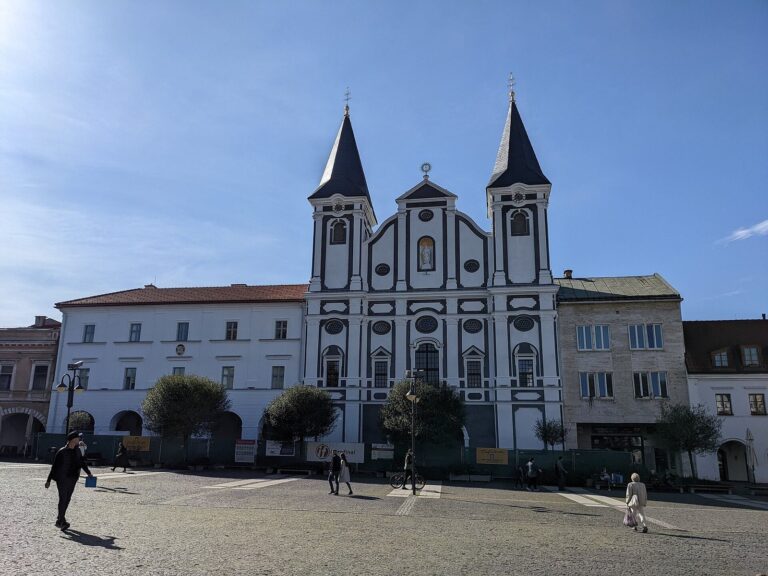
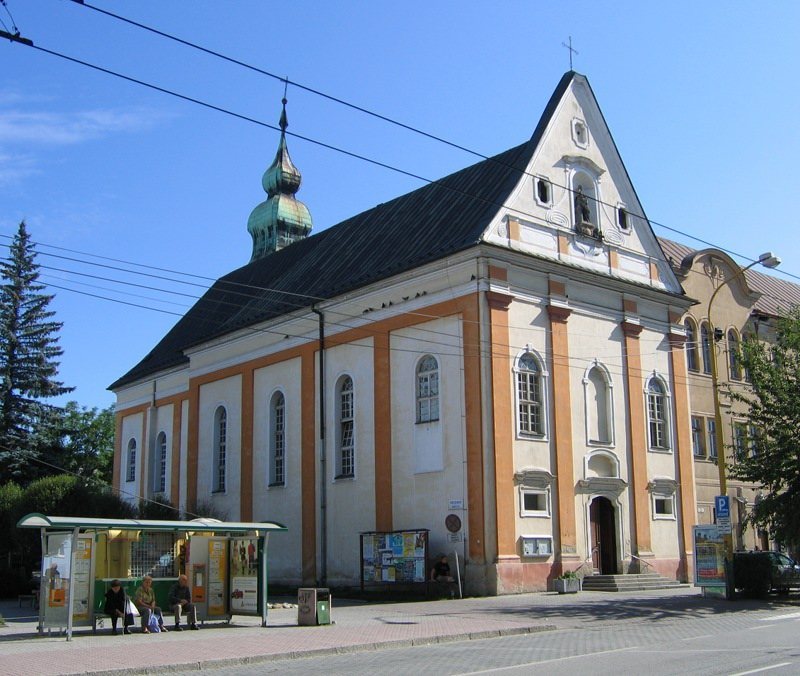
The Church of St. Barbara, also called the Franciscan Church, is a Roman Catholic church in Žilina, Slovakia, dedicated to Saint Barbara, revered as an early Christian martyr. Franciscan friars of the Order of Friars Minor built it between 1704 and 1730 in the Baroque style, a European architectural tradition that flourished in the seventeenth and eighteenth centuries.
Palatine Pavol Esterházy, a senior royal officeholder in the Kingdom of Hungary, brought the Franciscan order to Žilina in 1703. The friars placed their church in a poor district at the town’s then outskirts, reflecting their intention to remain close to ordinary people.
Consecration and later recognition
Bishop Jozef Vurum of the Diocese of Nitra consecrated the church on 27 July 1834, more than a century after its construction. He placed relics of Saints Clement, Jukunda, and Innocent in the main altar. The church and convent were entered in Slovakia’s central register of monuments as a National Cultural Monument on 5 November 1963.
Remains
Church, tower, and crypts
The surviving building is a stone Baroque church, with its main altar positioned beneath the tower, which was built around 1728. Crypts behind the altar and below the tower serve as burial places for members of the religious order. A separate crypt beneath the Loreto chapel contains lay burials.
Organs and devotional spaces
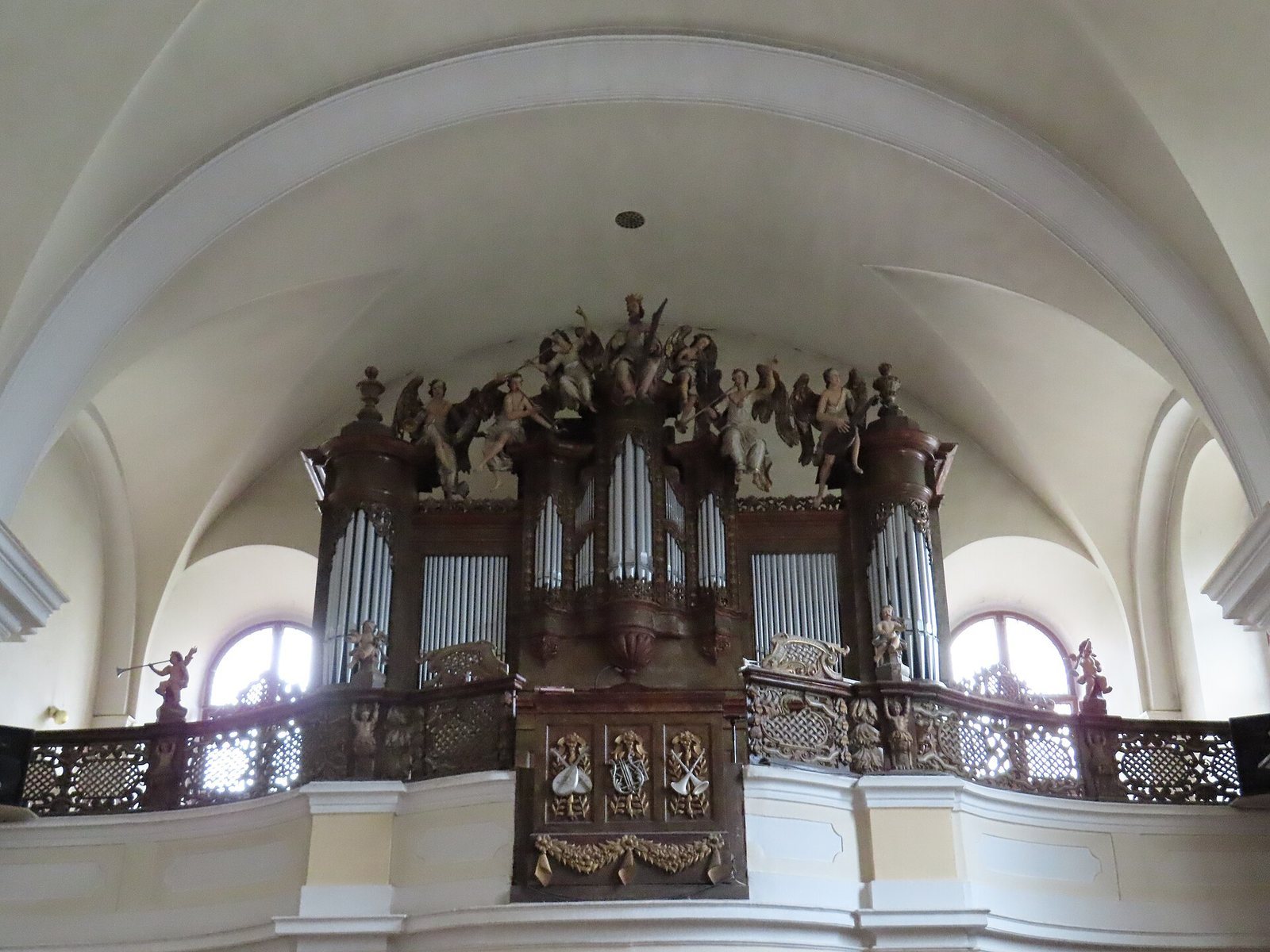
The church has two organs made in the first half of the eighteenth century by Slovak builder Brother Peregrin Werner. The large organ stands on the main choir loft; its Baroque case survives. The smaller organ is arranged in two sections on either side of the main altar and retains its case and most of its components. Monks used this instrument, the oratory, and the space behind the altar for private prayer.
Loreto chapel and altar paintings
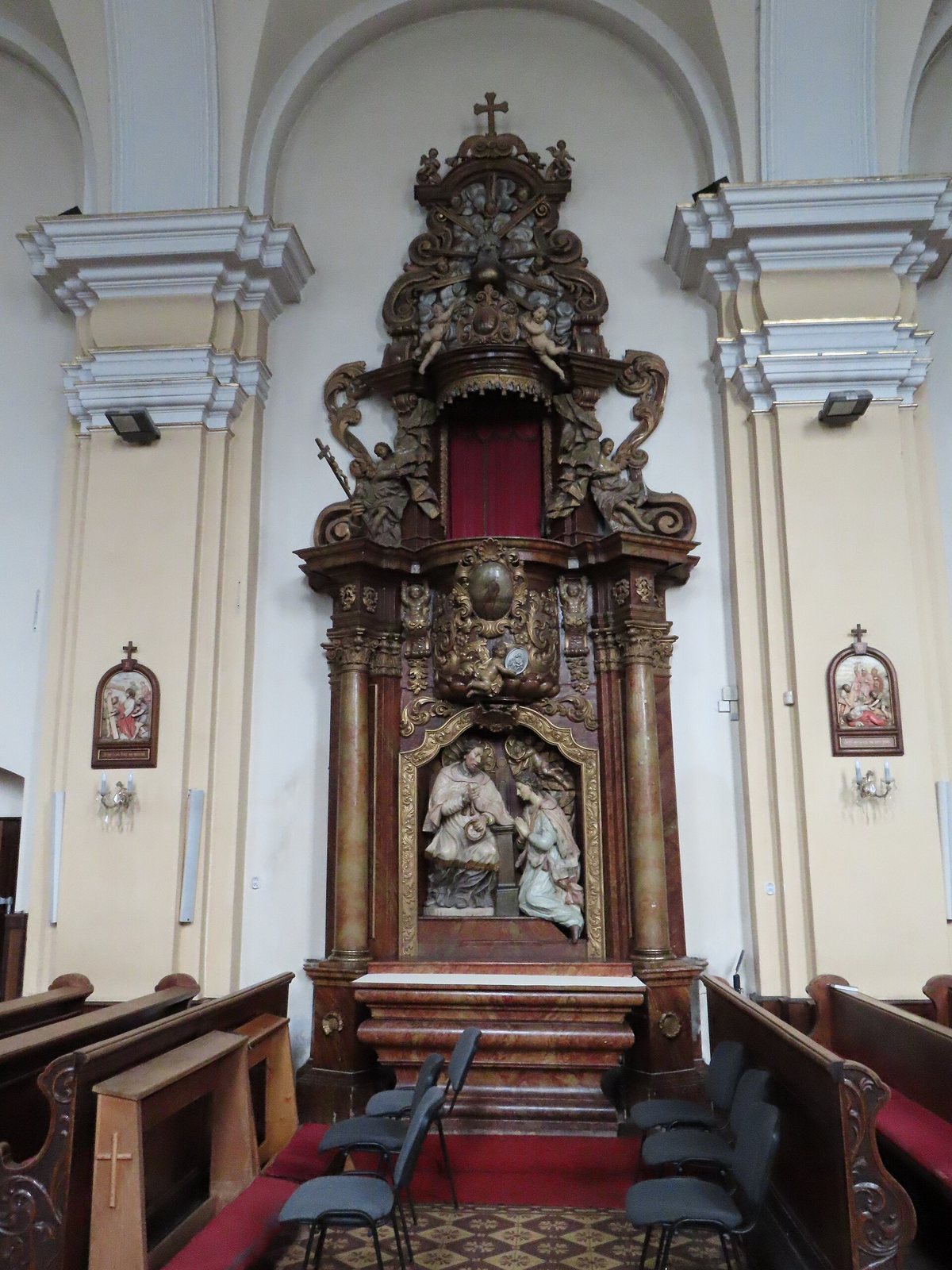
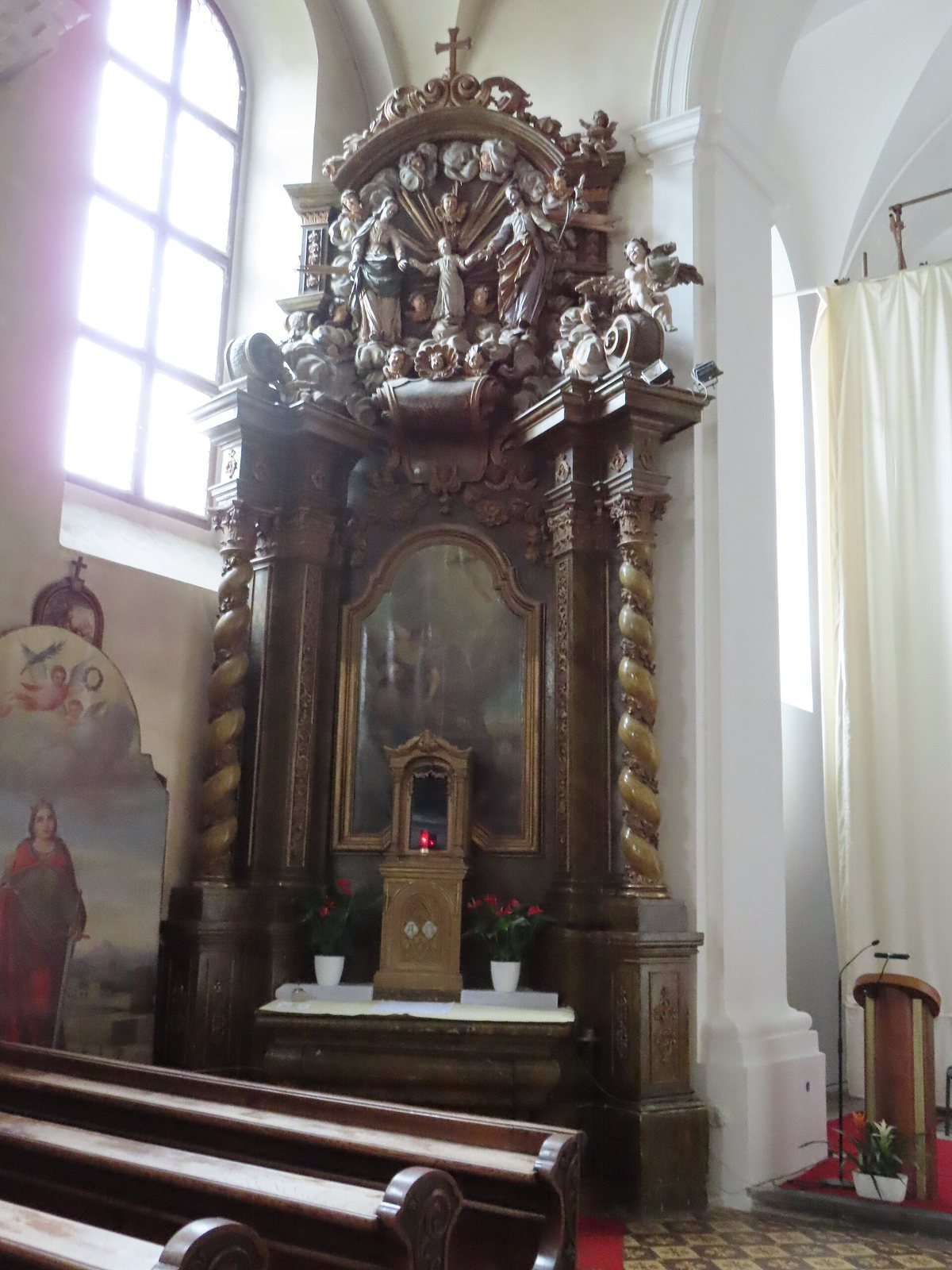
The interior includes a Loreto chapel, modeled on the Catholic shrine traditionally associated with Mary’s house. Its Baroque furnishings include altars, statues, a pulpit, smooth and twisted side columns, and altar paintings. P. Konrád Švestka painted the main altar pictures in 1891. The principal image shows Saint Barbara with Budatín Castle in the background, as the castle appeared at the time without a roof; a smaller picture above depicts her beheading.