Dolmen du Conguel: A Neolithic Burial Structure in France
Site at a Glance
- Popularity
- Very Low
- Country
- France
- Primary era
- Stone Age
- Eras represented
- Stone Age
- Civilizations
- Unclassified
- Site type
- Burial
- Remains
- Tomb
On this page7 sections
History
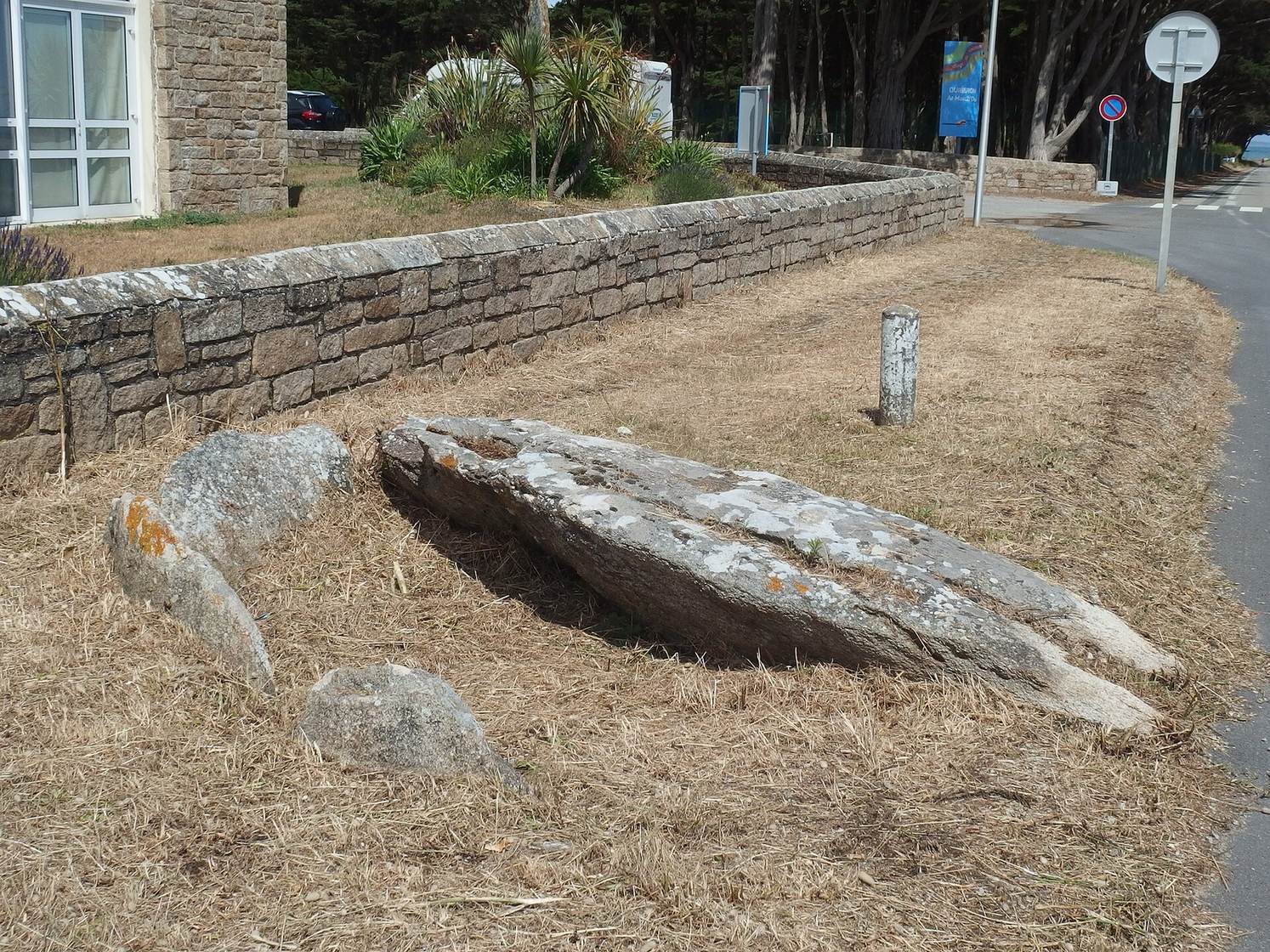
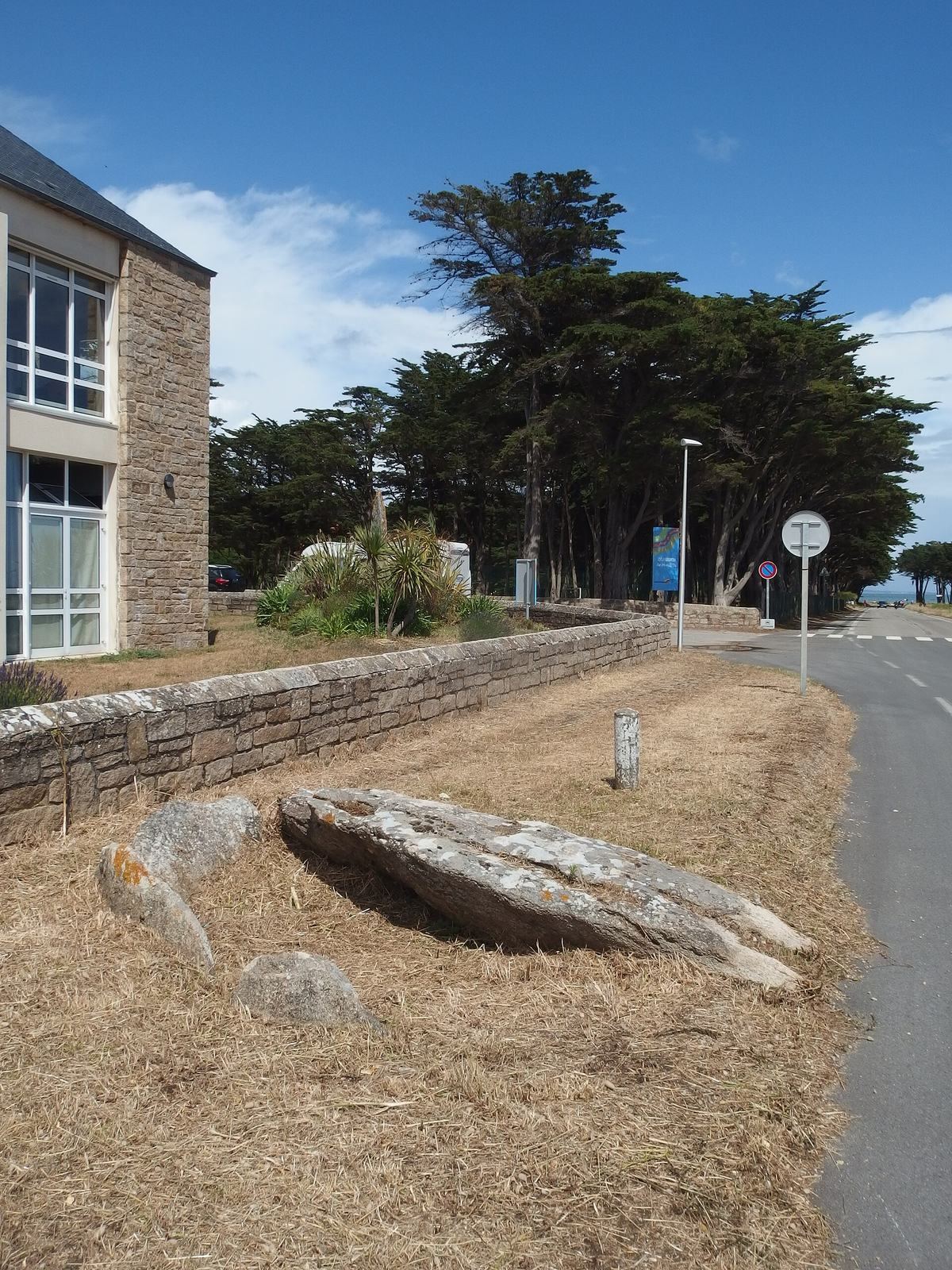
The Dolmen du Conguel is a Neolithic dolmen, a megalithic burial structure from the later Stone Age, in Quiberon, France.
Discovery and excavation
Félix Gaillard discovered the tomb in 1891 while investigating the Conguel menhir, then 160 metres to the north. He believed that isolated standing stones marked graves, and a probe into a rocky outcrop revealed the burial structure. Ch. de La Grange excavated the dolmen, and Gaillard presented an account of the work to the Anthropological Society of Paris, a learned society devoted to anthropology.
The excavated deposits showed two phases of burial. Pottery from the tomb helped define the Conguel pottery type, an archaeological style named after the site.
Protection and restoration
An order dated 30 July 1920 classified the dolmen as a historic monument, a French legal heritage-protection status. In 1926, the municipality sold land adjoining the site to the north to the Paris–Orléans Railway Company, which planned a holiday camp. Workers damaged the tomb while putting up a fence, and Z. Le Rouzic restored it at the company’s expense. Relocation was later considered during construction of Conguel Boulevard, but the proposal was not carried out.
Remains
The tomb is a short-passage dolmen, with a compact chamber approached by a brief entrance passage. A cairn, or mound of stones, covered it.
Chamber and entrance
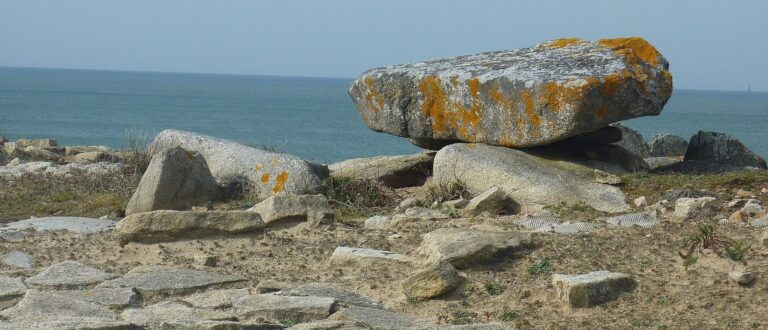
The dolmen measures about 5 by 2 metres overall. Its roughly rectangular chamber is 4 metres long, 1.70 metres wide, and averages 1.50 metres in height. A natural granite outcrop forms the eastern wall and projects overhead. The entrance faces northeast. A passage in front of it measured 1.20 metres long by 0.60 metres wide, but has since disappeared.
Burial deposits
Under a layer of sand, excavators found two deposits, each about 0.40 metres thick and divided by a pavement of flat stones. The lower deposit held remains of at least five people: at least two in the passage and three in the chamber. The upper deposit contained two individuals whose bodies had been folded across the width of the tomb.
Pottery and other finds
The lower deposit contained round- and flat-bottomed vessels decorated with alternating vertical and horizontal cuts made in raw clay, as well as zigzags and concentric semicircles. The upper deposit included biconical vessels, shaped from two cone-like halves, with regular cuts and zigzag patterns in the Bell Beaker tradition, named for vessels shaped like an inverted bell.
Excavation yielded eleven vessels, two polished axes, ten beads, two scrapers, a flint blade, and pottery fragments. The ceramic material is held at the National Archaeology Museum in the P. du Châtellier collection.