Croft Ambrey: An Iron Age Hillfort near Leominster
Site at a Glance
- Popularity
- Medium
- Country
- United Kingdom
- Primary era
- Iron Age
- Eras represented
- Iron Age, Classical, Medieval
- Civilizations
- English
- Site type
- Military
- Remains
- Fortified Town
On this page8 sections
History
Iron Age occupation
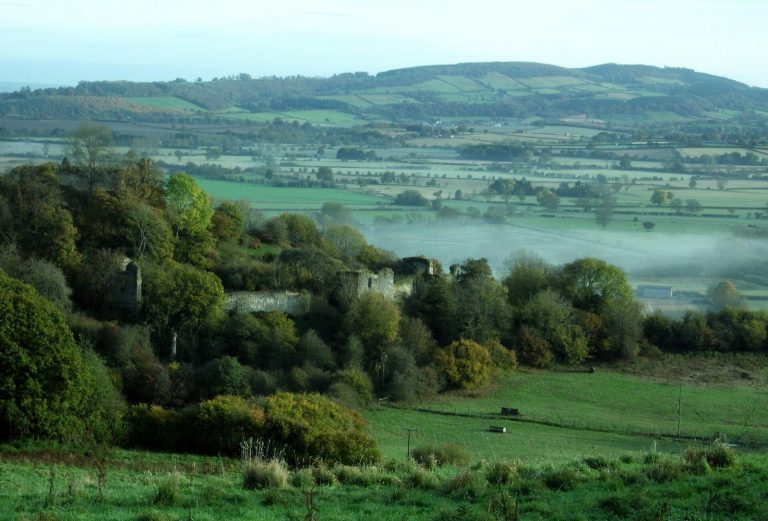
Croft Ambrey is an Iron Age hillfort, a fortified enclosure on elevated ground, on Yatton Hill near Leominster in the United Kingdom. It was occupied from the sixth century BC until AD 48.
Excavations between 1960 and 1966 revealed closely spaced rectangular buildings that were rebuilt as many as six times. The settlement’s population has been estimated at 500 to 900 people.
Medieval use
The hillfort was later used as a rabbit warren. Wapley Hill, another hillfort, also had a medieval rabbit warren.
Remains
Setting and enclosure
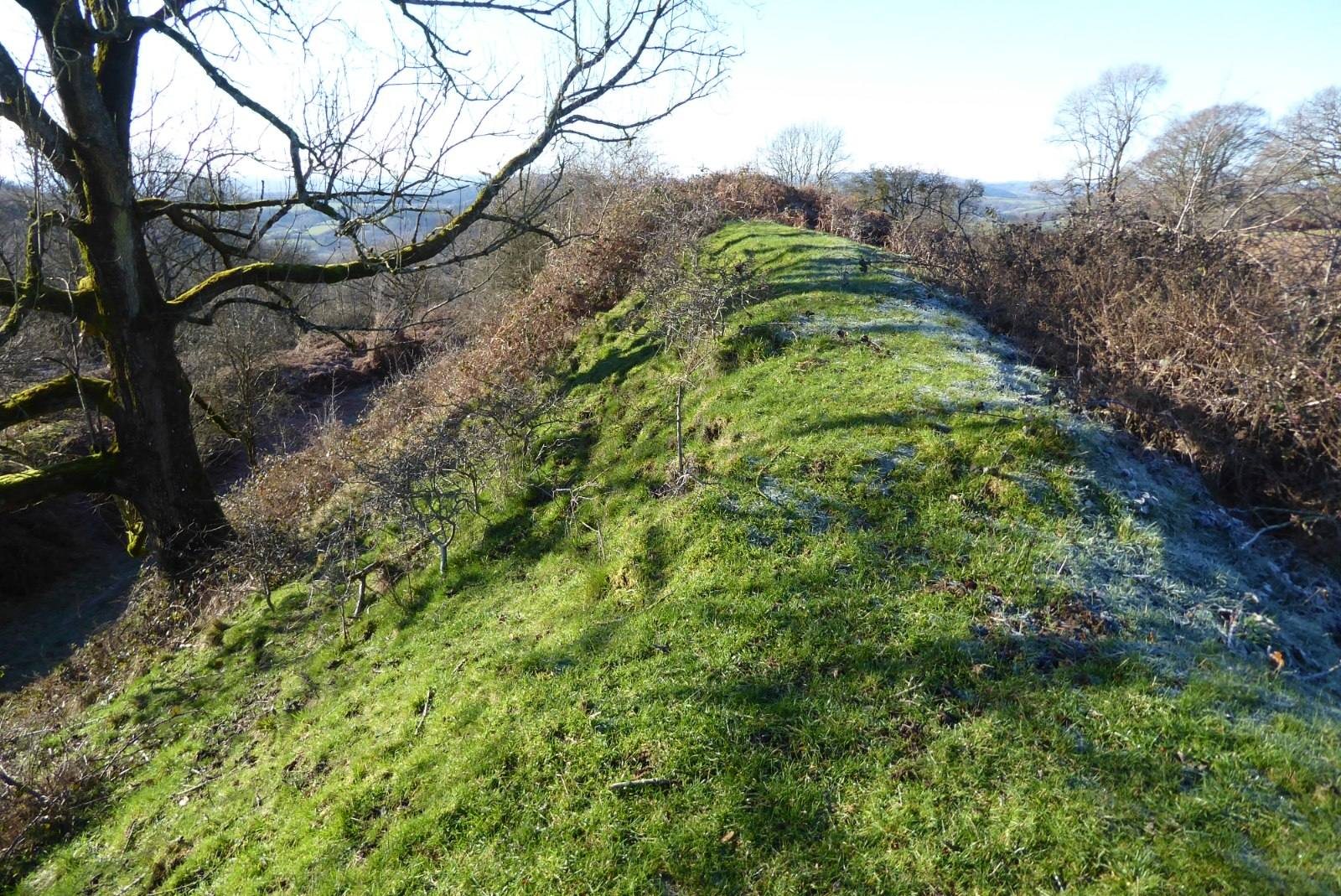
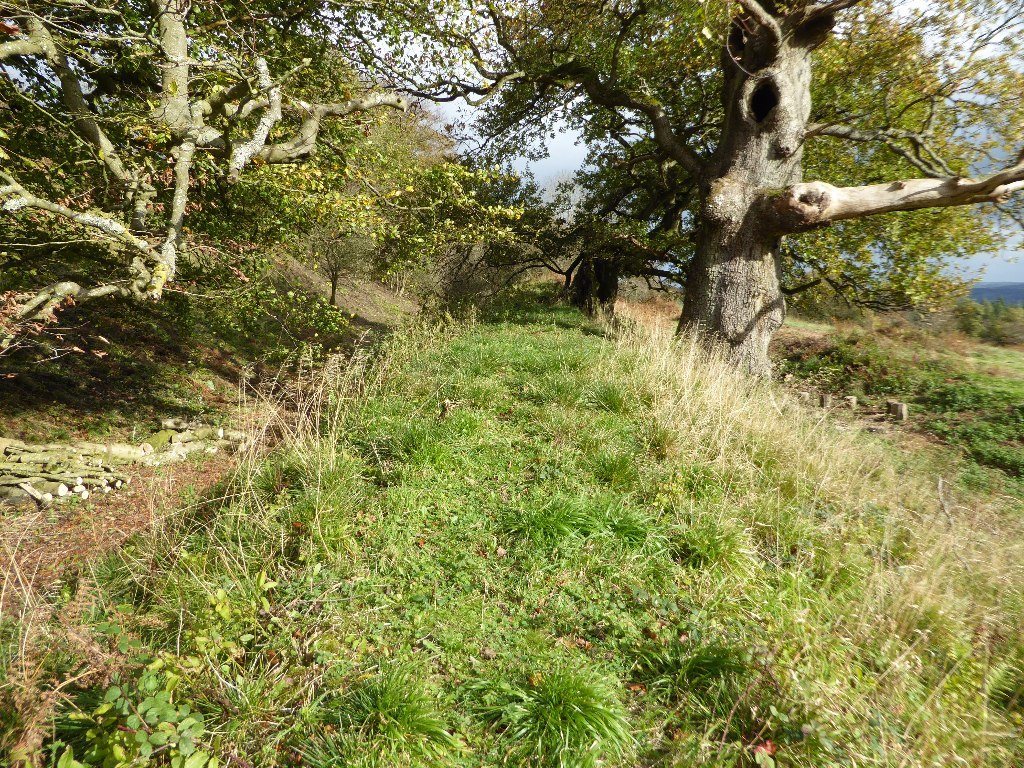
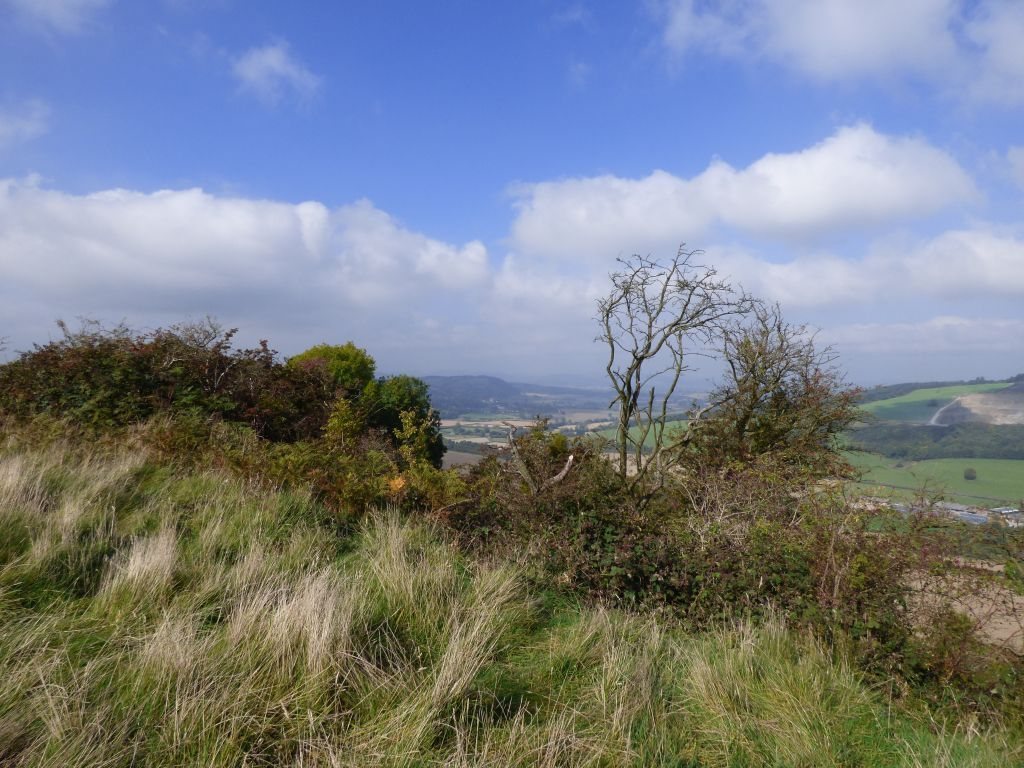
The roughly triangular enclosure covers 32 acres on a steeply sloping spur about 178 metres above sea level. It overlooks Yatton Marsh and the valley of a tributary of Allcock’s Brook, and adjoins the northeastern boundary of Croft Castle parkland. Its enclosed area grew from approximately 2.2 hectares to 3.6 hectares, after which a southern annexe was added. The defenses vary around the perimeter. To the north, two steep slopes and a buried ditch form the boundary; to the west are three defensive banks and a larger inner ditch. The southern side has three banks, two ditches between them, and a broad inner ditch that may have held water.
Entrances
The southwest entrance was the principal approach, while the northeast entrance had a more complex layout, with the banks turning inward. Both entrances developed through successive phases involving 20 gateposts, as well as guardrooms, corridors, and bridges.
Southern annexe and summit
The rectangular southern annexe is bounded by two relatively slight concentric banks and contains a Romano-Celtic temple, combining Roman and indigenous Celtic religious forms. On the summit, as many as five pillow mounds, artificial mounds associated with medieval rabbit warrens, mark the later warren.
Excavated finds
Finds include iron tools and weapons, among them sickles, blades, nails, and a spade. Excavations also recovered objects of shale and glass, bone and antler artefacts, spindle whorls used in spinning, loom and thatch weights, saddle and rotary querns for grinding grain, hammer stones, and Iron Age pottery.