Bülitz Megalithic Tomb: A Neolithic Great Dolmen in Germany
Site at a Glance
- Popularity
- Very Low
- Country
- Germany
- Primary era
- Stone Age
- Eras represented
- Stone Age
- Civilizations
- Unclassified
- Site type
- Burial
- Remains
- Tomb
On this page6 sections
History
The Bülitz Megalithic Tomb is a great dolmen, a burial monument built from large stones, near Grassau in Bismark (Altmark), Germany. It dates to 3700–3350 BC and belongs to the Neolithic, the later part of the Stone Age, when people used polished stone tools and often farmed. The tomb is also associated with the deep-stamped pottery culture, a Neolithic group known for pottery decorated with deep impressions.
Johann Friedrich Danneil first described the tomb in 1843. During the nineteenth century, cathedral canon Alexander von Levetzow acquired it and Großsteingrab Kläden to protect both from destruction. In the 1890s, Eduard Krause and Otto Schoetensack surveyed the megalithic tombs of the Altmark. In 2003–04, the State Office for Heritage Management and Archaeology of Saxony-Anhalt, the Johann-Friedrich-Danneil Museum in Salzwedel, and the Young Archaeologists of the Altmark jointly surveyed and measured all surviving tombs of this kind in the Altmark.
Remains
Layout and construction
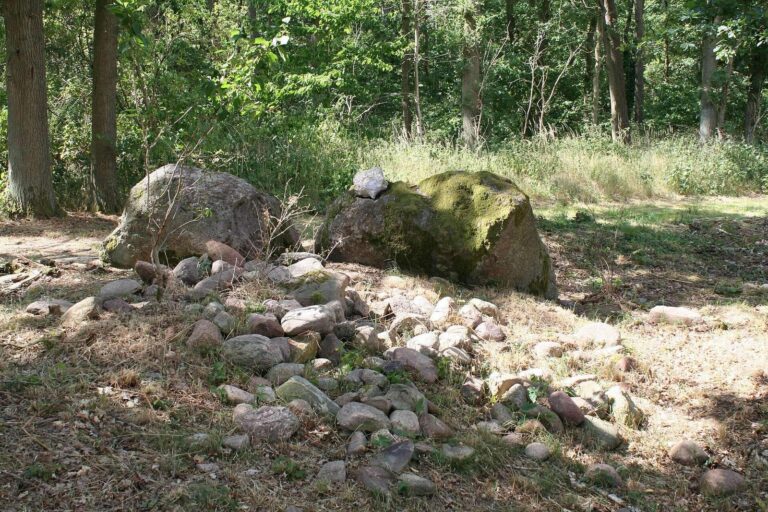
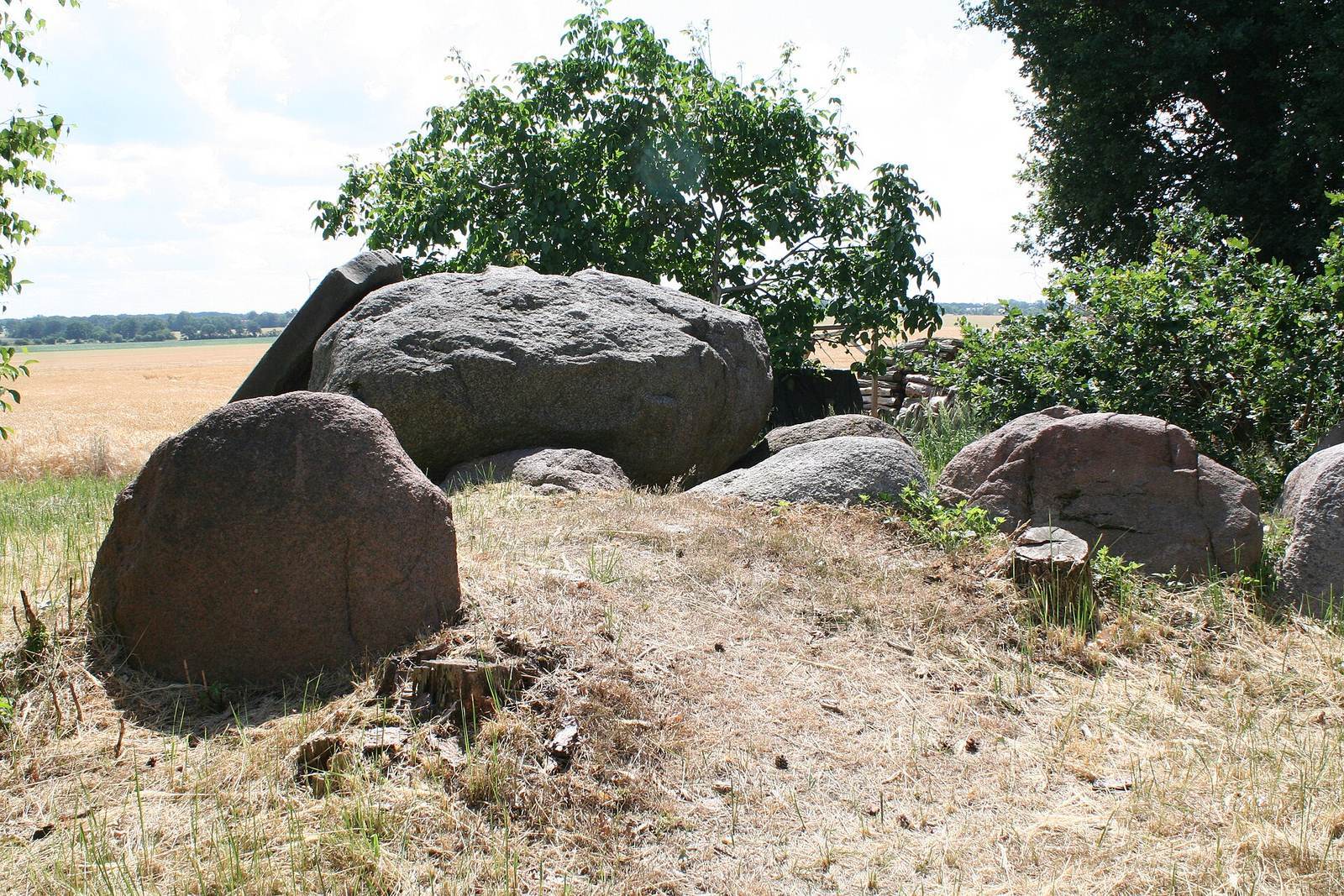
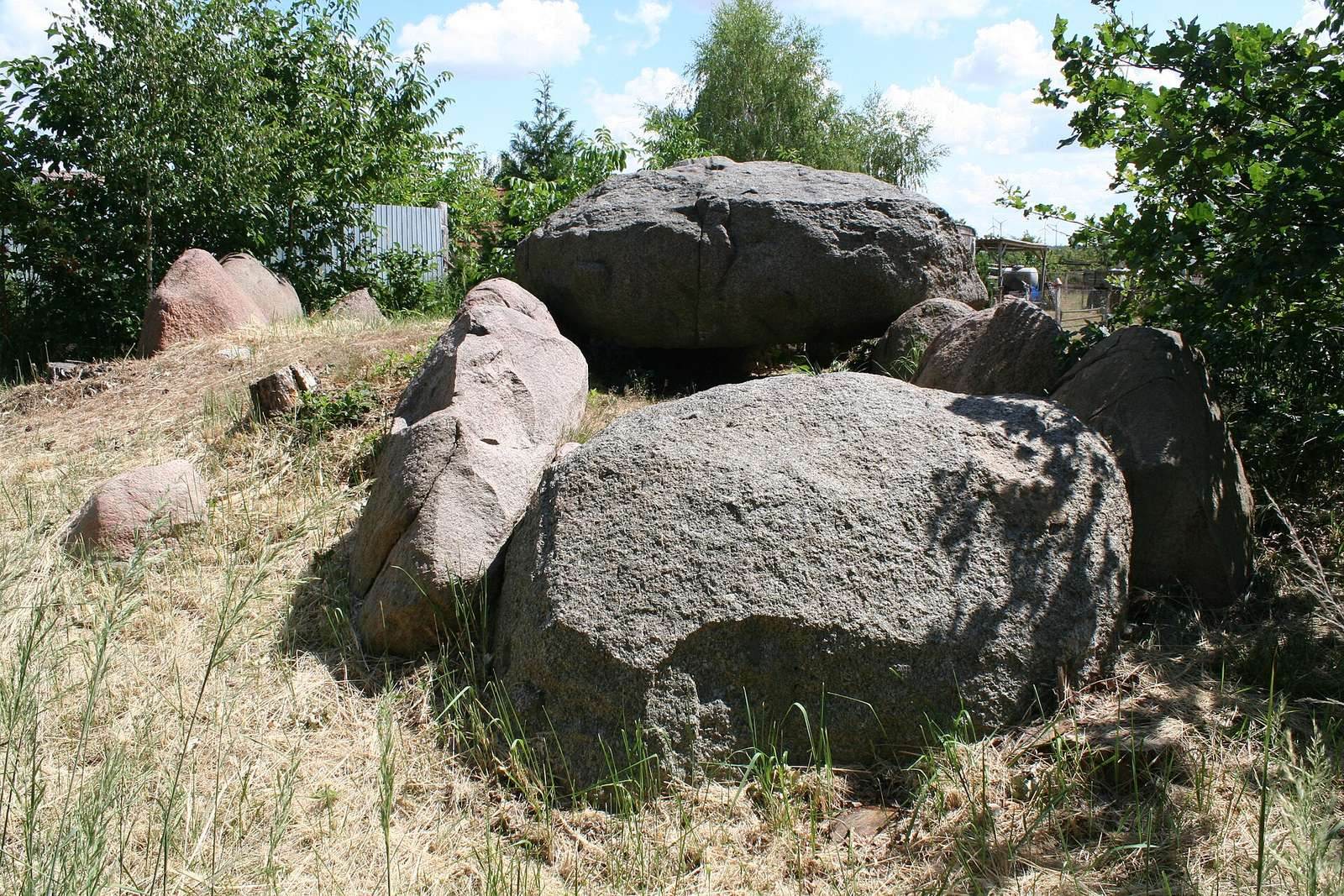
The tomb stands on Großer Trappenberg, 900 m west of Bülitz, at the boundary with Beesewege. A burial mound lies within a stone enclosure, and the trapezoidal burial chamber is aligned northeast–southwest.
Mound and enclosure
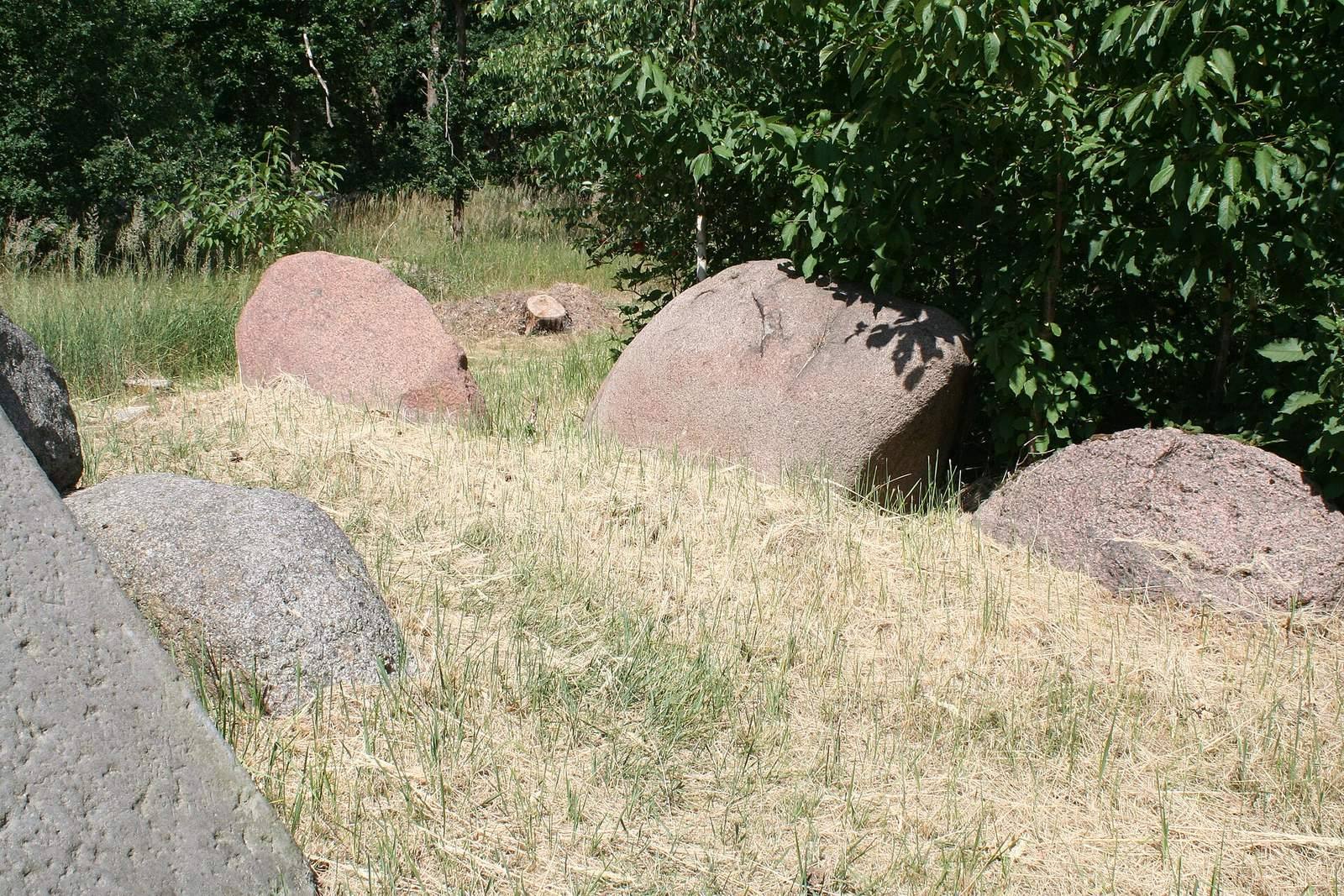
The mound is 0.9 m high. The enclosure is now largely destroyed, with six stones remaining, and is 9.4 m wide. When Danneil saw it in 1843, he described a trapezoidal enclosure 26.7 m long and 8.8–10.0 m wide, with particularly large stones.
Burial chamber
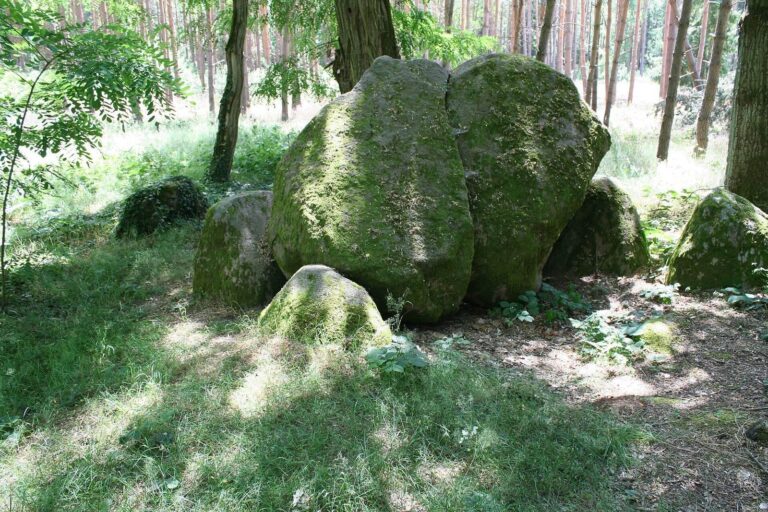
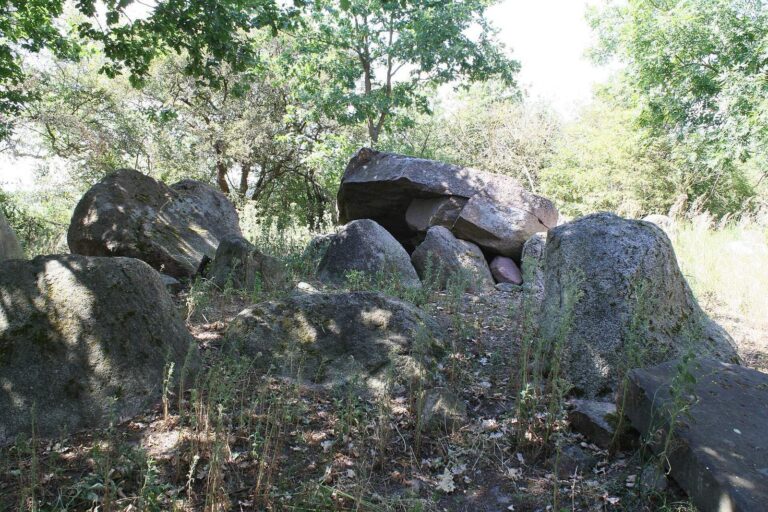
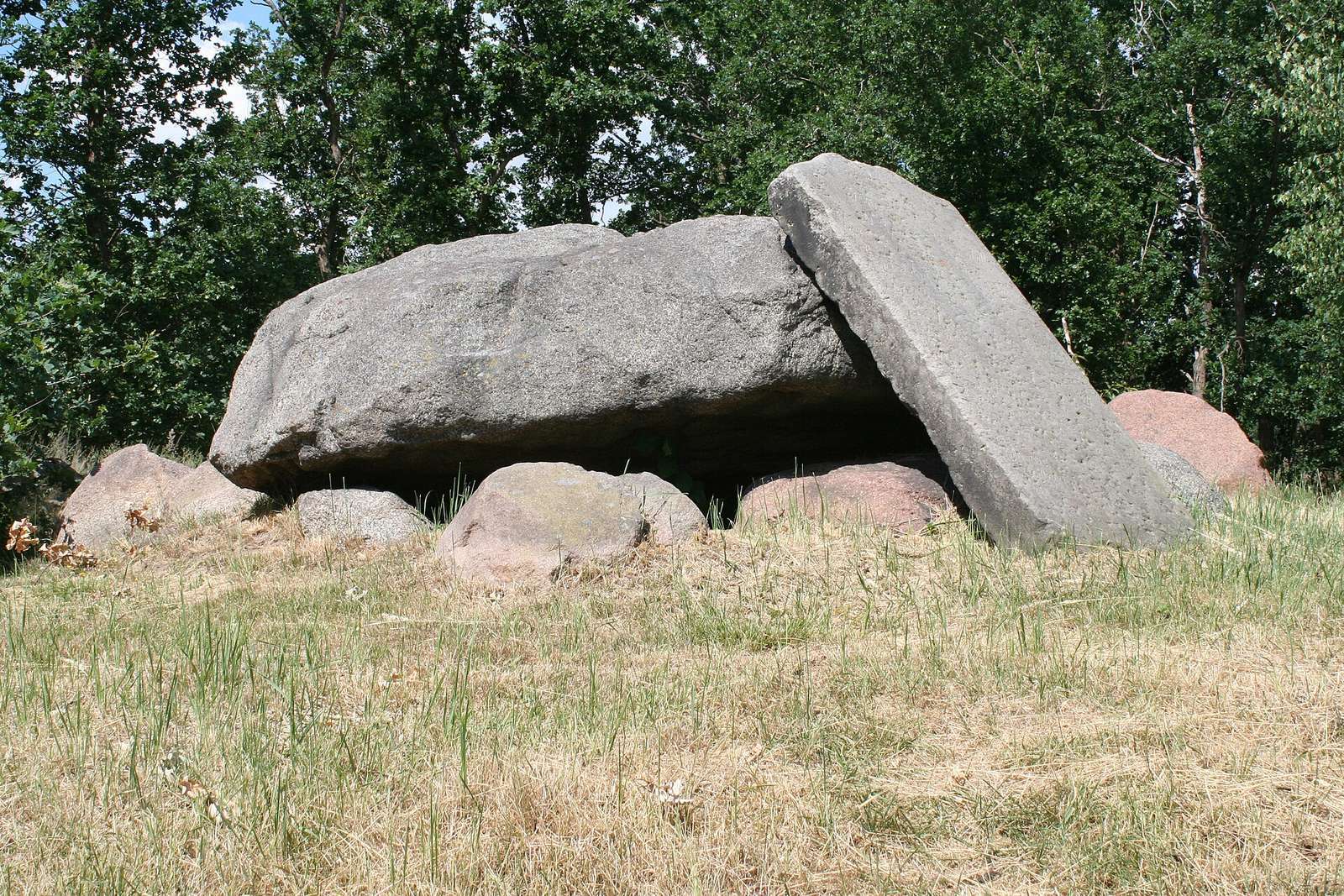
The trapezoidal chamber measures 5.7 m long, 1.7–2.2 m wide, and 0.7 m high. Twelve supporting stones and one capstone remain; the capstone was probably one of three originally. It measures 3.5 × 2.7 × 1.3 m.
Sandstone plaque
A sandstone plaque leans against the tomb’s north side. Its inscription has faded, but it commemorates von Levetzow’s effort to preserve the tomb.