Bezirksmuseum Stockerau: A Museum in the Belvedereschlössl
Site at a Glance
- Popularity
- Very Low
- Country
- Austria
- Primary era
- Early Modern
- Eras represented
- Medieval, Early Modern
- Civilizations
- Habsburg, Holy Roman Empire
- Site type
- Domestic
- Remains
- Elite Residence
On this page6 sections
History
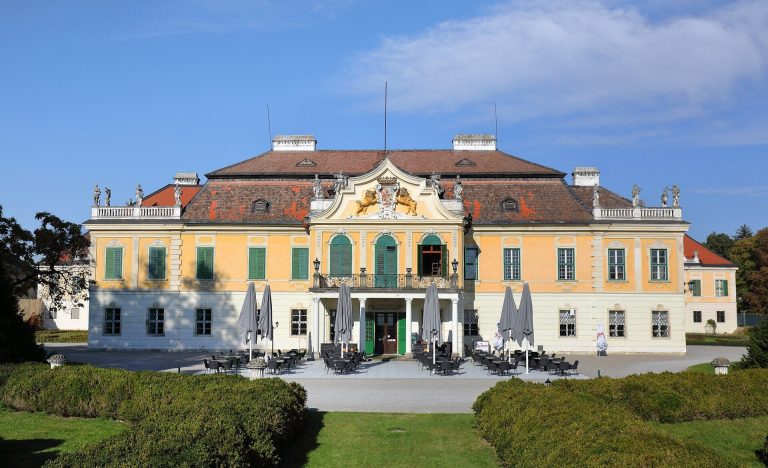
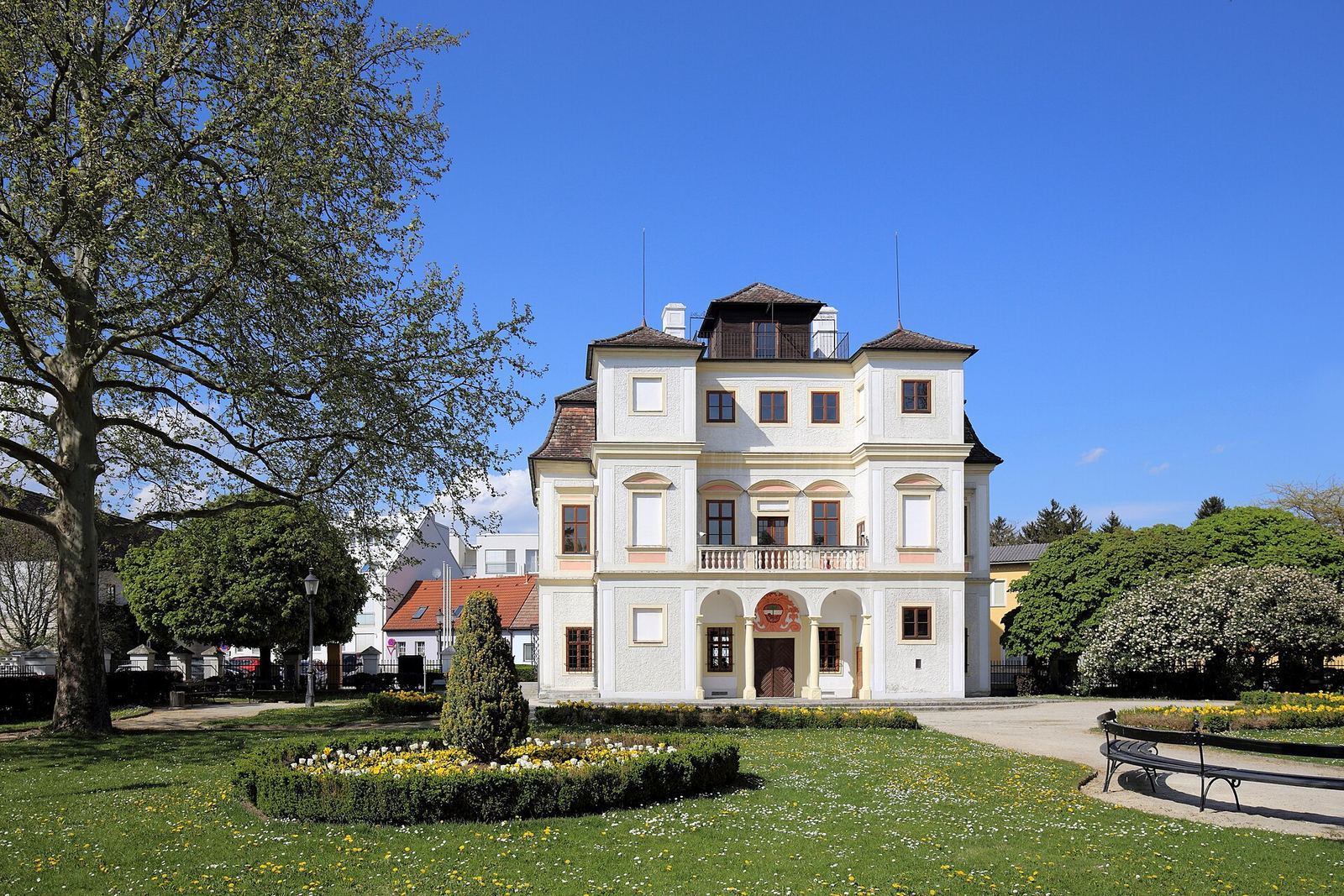
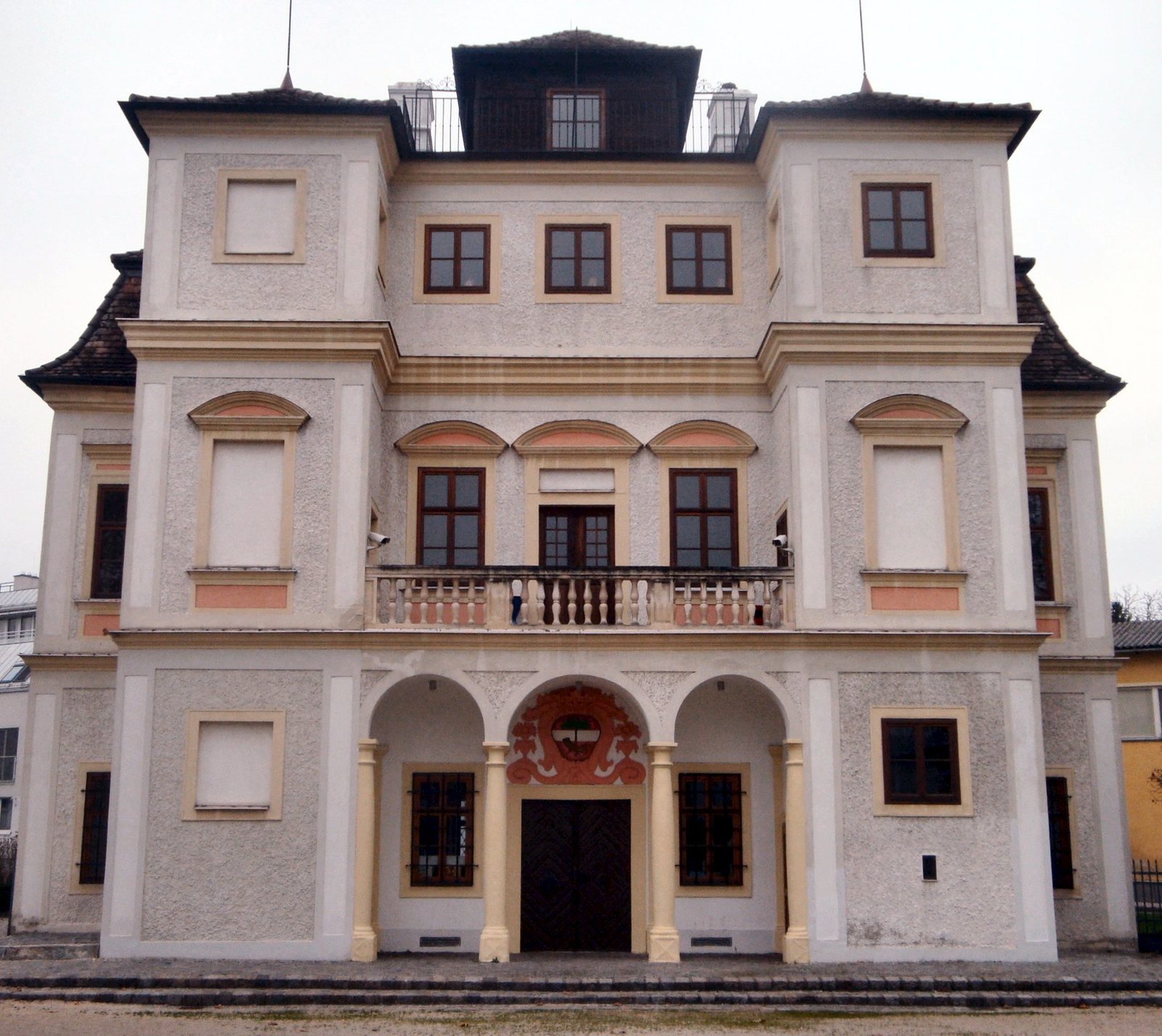
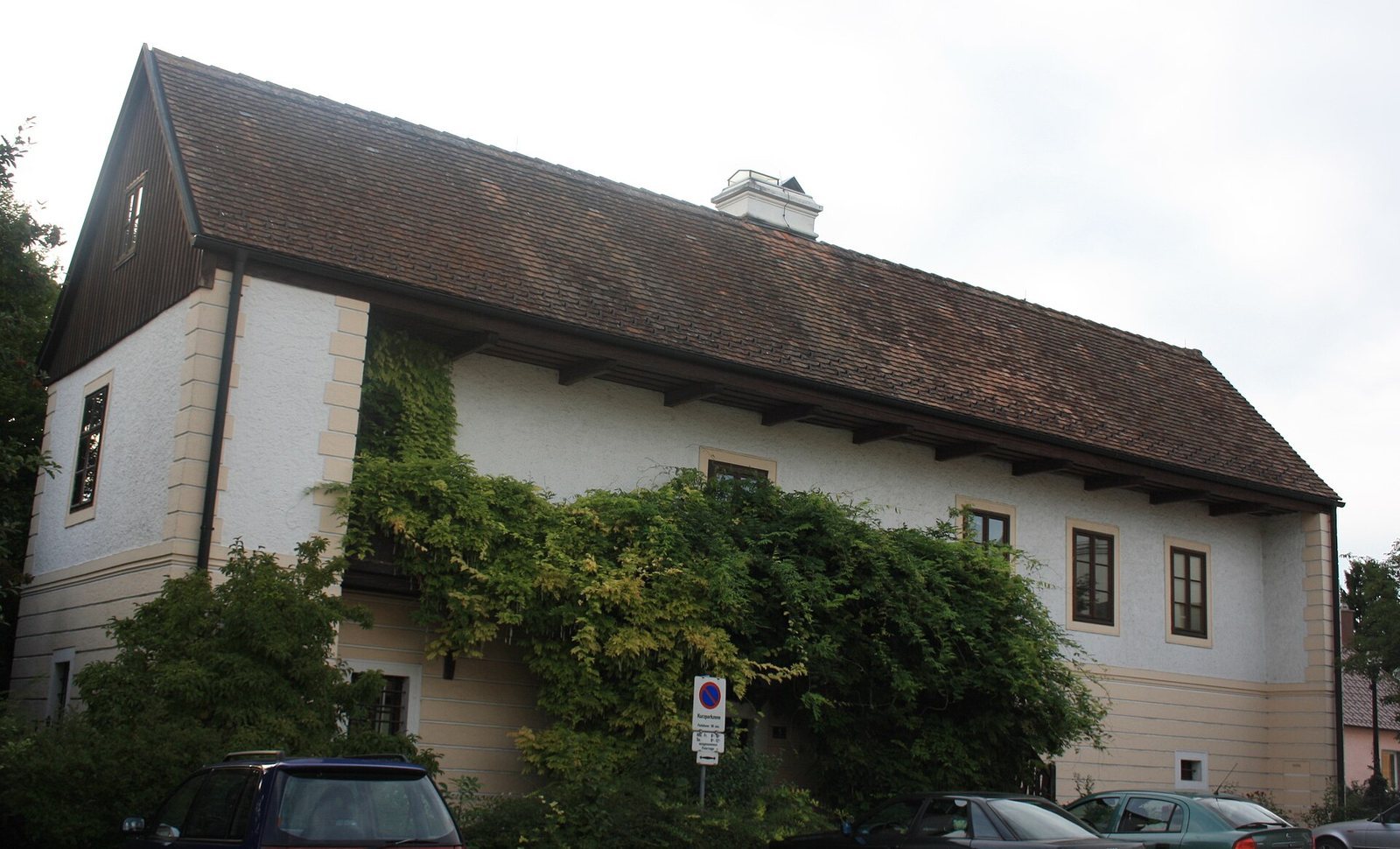
The Bezirksmuseum Stockerau is a museum housed in the historic Belvedereschlössl in Stockerau, Austria. The building probably originated in the 15th century and was substantially rebuilt in the late 17th century as part of the Freisegg estate.
The estate and pavilion
Ownership of the property is documented from the 17th century, when it belonged to Count Andreas von Volkra and, from 1672, to Count Palffy. In 1682, Johann Conrad Albrecht von Albrechtsburg acquired the Volkra estate and its associated Stockerau property. By 1688 he had rebuilt the Belvedereschlössl, and in 1690 he obtained the name Freisegg, also written Freysegg, for the small estate. The Belvedere served as a pleasure pavilion before the market town of Stockerau bought it in 1780.
Municipal use and museum
A machine factory built in the palace garden in 1882 was demolished in 1933, and part of the grounds was later built over. Extensive revitalization of the palace began in 1984 under Mayor Leopold Richentzky. The Belvedereschlössl cultural center opened in 1985, and the town’s museum collections moved there. They had been kept in the town hall from 1910 and were later housed in the church school.
Remains
Building and grounds
The museum occupies the historic Belvedereschlössl, within palace grounds that include a garden. The garden was restored in 1984 as a Baroque garden, reflecting a European artistic and architectural period especially associated with the 17th and 18th centuries.
Museum collections
The collections cover paleontology, prehistory, mineralogy, natural history, coins, ecclesiastical art, weapons, military history, and Stockerau’s past. Finds from Großmugl include a prehistoric moon idol dated to around 500 BC. The museum also holds ancient coins and coin finds from Höbersdorf dating to the 17th century. Among its artworks is a former high-altar painting from the parish church, depicting Saint Stephen, traditionally regarded as Christianity’s first martyr; it bears Nikolaus van Hoy’s name and the date 1666. A memorial corner honors Nikolaus Lenau, an Austrian poet who lived from 1802 to 1850.