Petrešiūnai Hillfort: A Fortified Settlement in Lithuania
Site at a Glance
- Popularity
- Very Low
- Country
- Lithuania
- Primary era
- Classical
- Eras represented
- Classical
- Civilizations
- Unclassified
- Site type
- Military
- Remains
- Fort
On this page8 sections
History
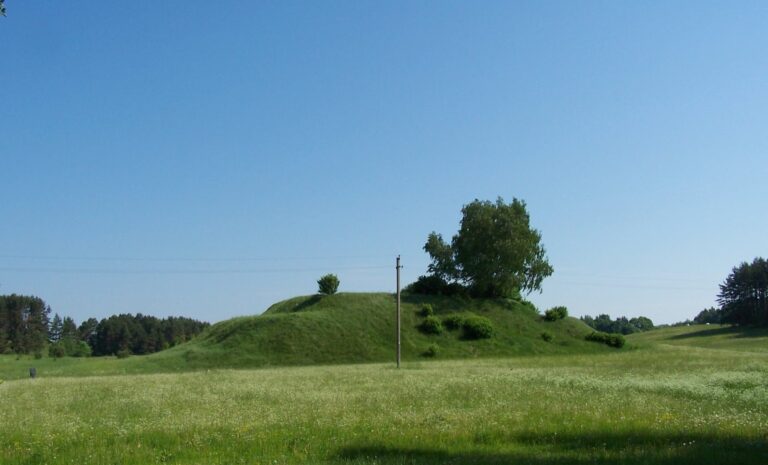
Petrešiūnai Hillfort is a fortified settlement on an isolated hill near Petrešiūnai village in Lithuania. Its date is placed between the end of the first millennium BCE and the beginning of the first millennium CE.
Ludwik Krzywicki investigated the entire hilltop platform in 1909–1910, covering about 915 square metres. The Institute of History surveyed the hillfort in 1949 and 1972, and Andra Simniškytė investigated 16 square metres at its western foot in 2003. A Lithuanian government resolution declared the site a cultural monument on 19 May 1998. Its protected area covers 22,900 square metres.
Remains
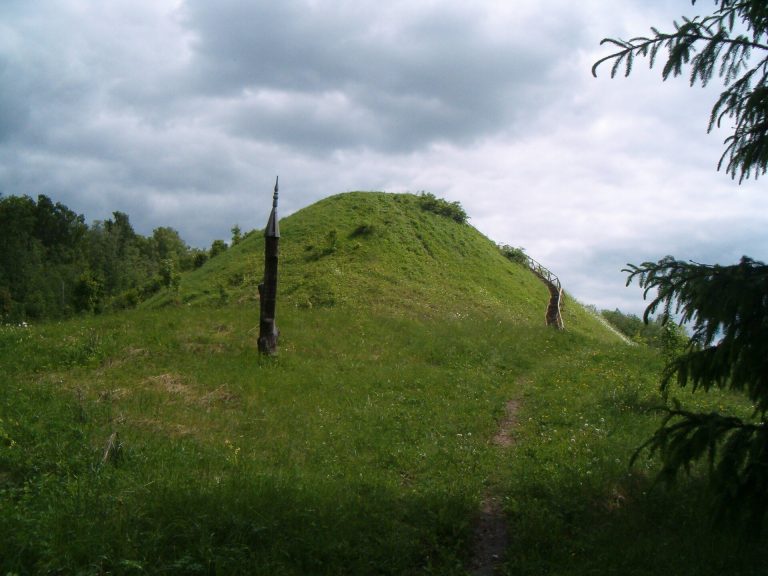
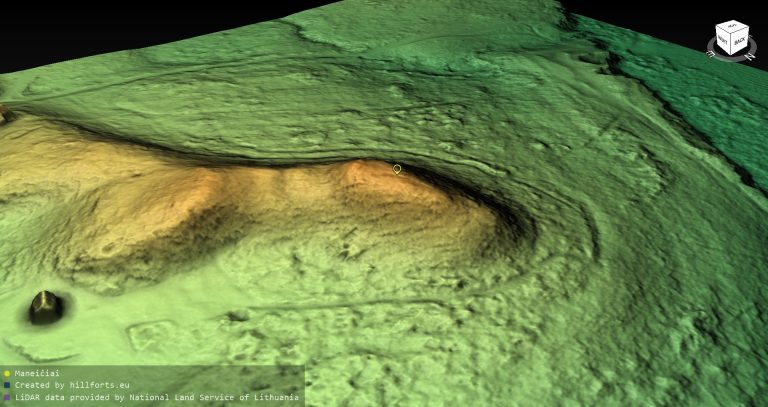
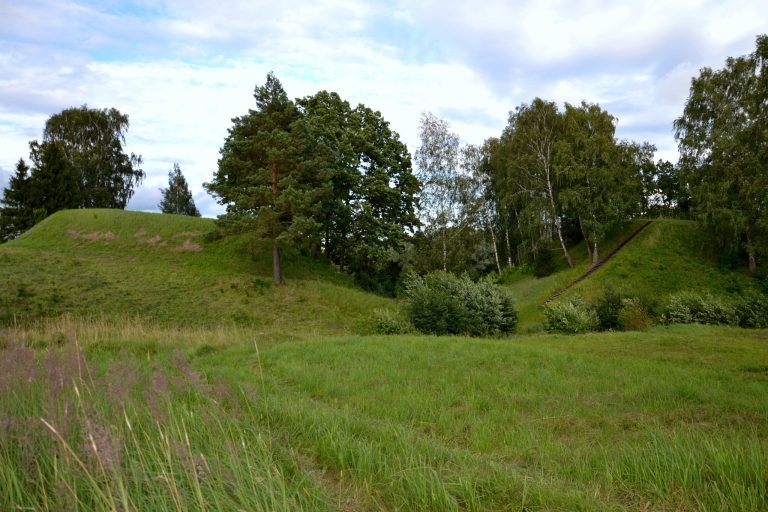
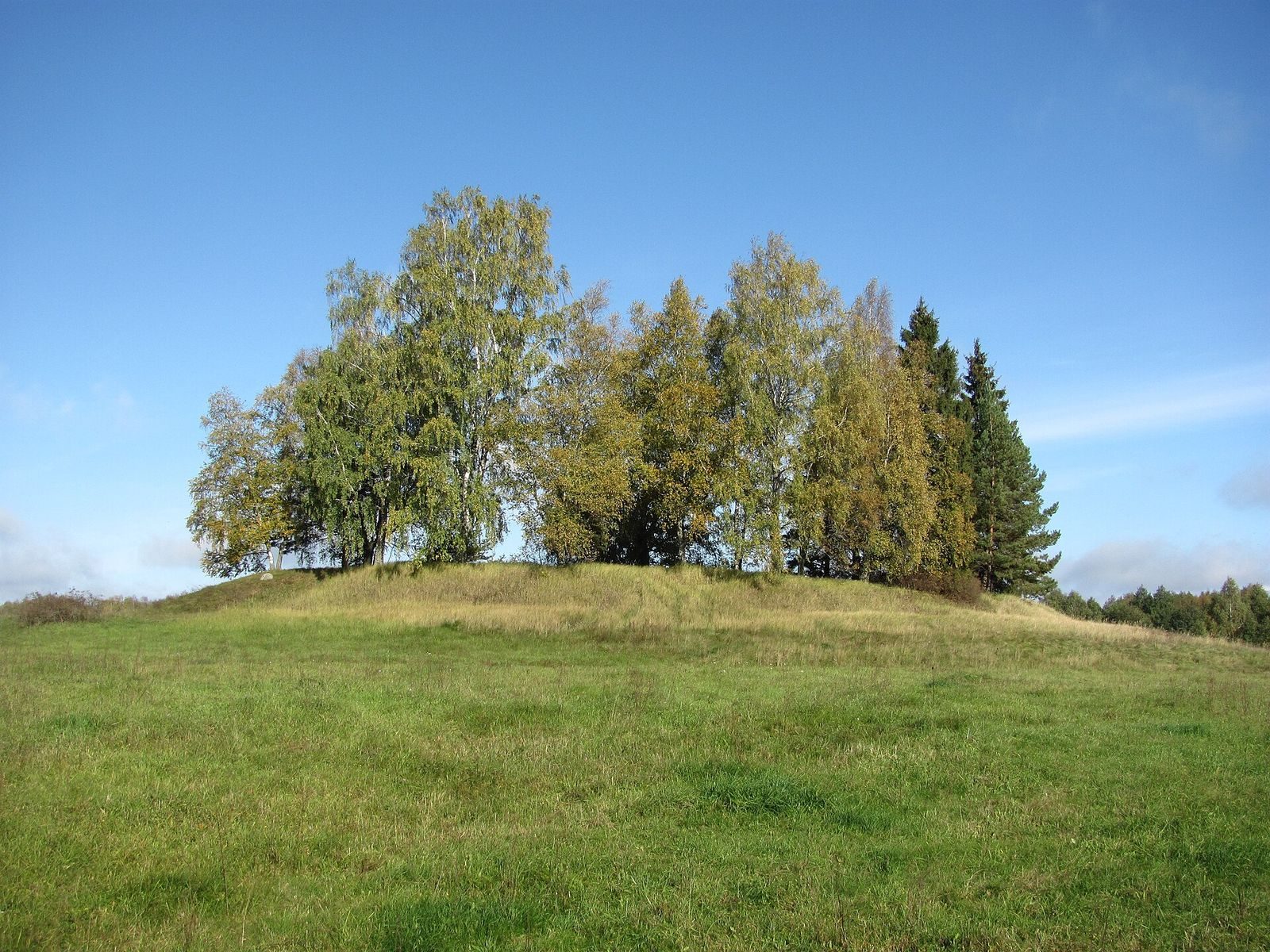
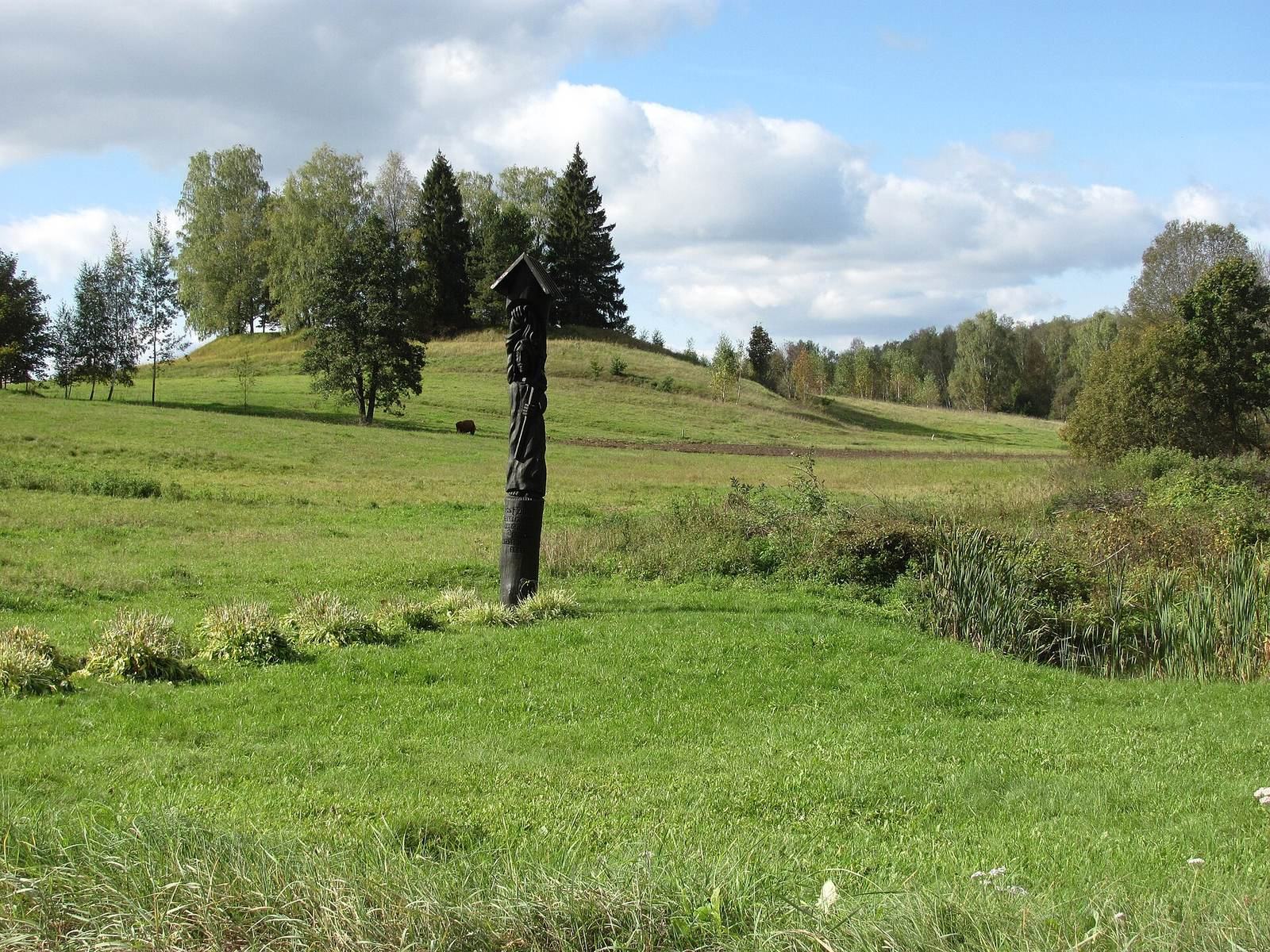
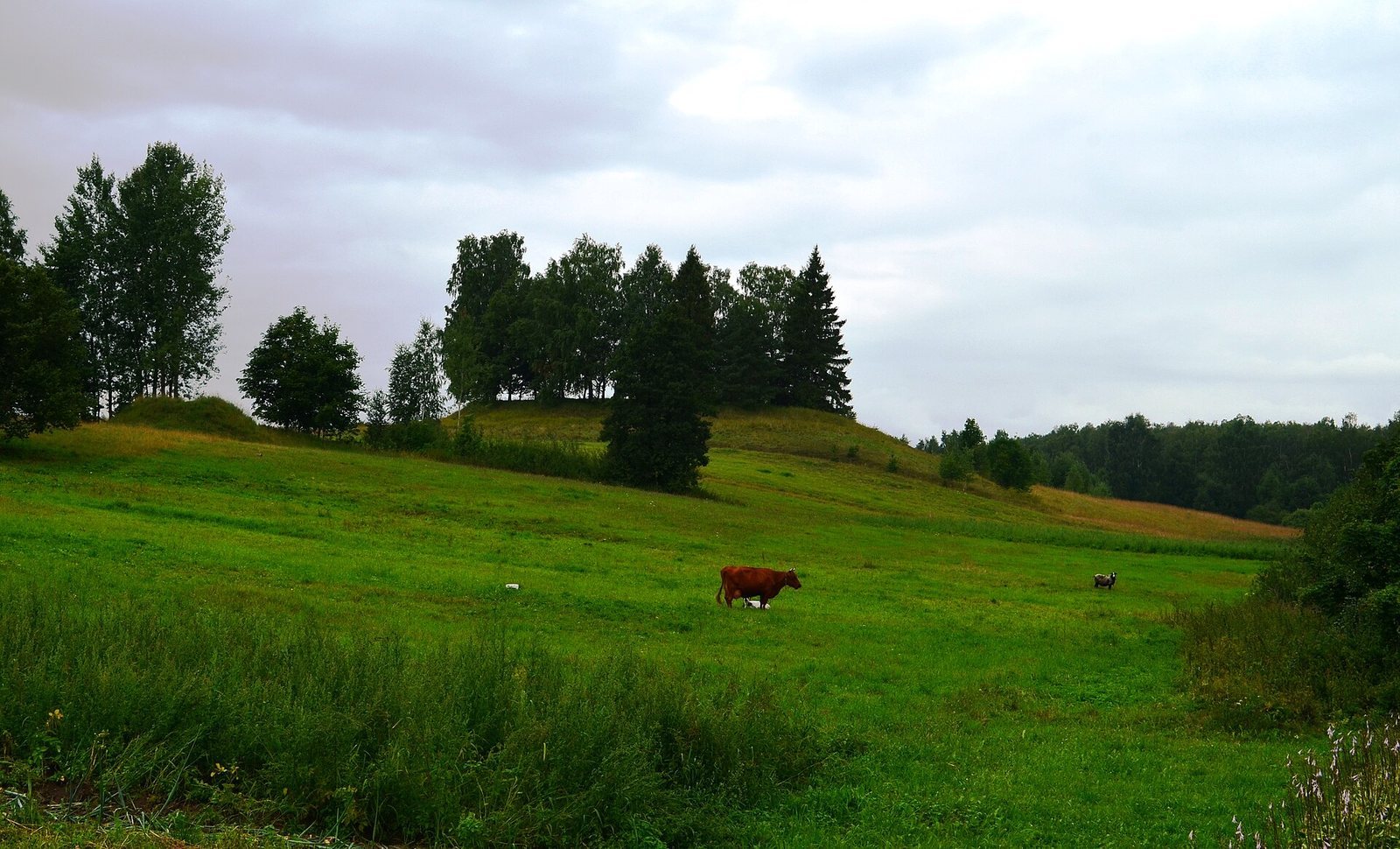
The site is arranged around an oval platform on an isolated hill, with earthworks on the summit and traces of settlement extending around it.
Hilltop and earthworks
Platform and slopes
The platform measures 48 by 29 metres and runs southwest to northeast, narrowing to a pointed northern end. Its slopes are generally steep and 4 to 4.5 metres high; the northeastern slope reaches 15 metres. Ploughing has disturbed the hillfort, while gravel quarrying removed part of the western slope. Grass now covers the site, with scattered trees around the platform’s edges.
Ditches, bank, and stone pavements
A ditch at the hill’s foot encircled the hillfort. It is 3 metres wide and 2 metres deep, and its fill contains a cultural layer, soil with evidence of past human activity, including pottery with brushed surfaces and plain pottery. A second ditch crosses the centre of the platform; it is 5 to 8 metres wide and up to 1 metre deep. Along the platform margins, a small raised earthen bank borders a cultural layer up to 1.2 metres thick. Stone pavements occur at two levels there, with a denser layer nearer the surface and scattered stones closer to the natural subsoil.
Settlement and finds
Surrounding settlement
A settlement covered about one hectare around the hillfort. Finds from this area include pottery with brushed surfaces, rough-surfaced pottery, slag, and animal bones.
Objects from the platform
Finds from the platform’s cultural layer include flint scrapers; fragments of stone axes, including socketed examples and axes with haft holes; drill cores; whetstones and clay weights; and bone pins, hooks, needles, awls, and arrowheads. Iron objects include awls, knives, a small sickle, and a hook. Other finds comprise fragments of bronze pins, a piece of silver, plain and brushed pottery, and animal bones. These objects are held by the Vytautas the Great War Museum, a military-history collection, and the National Museum of Lithuania, which covers the country’s history and culture.