Churches of Our Lady of Smolensk and Our Lady of Vladimir: An Orthodox Parish in Nizhny Novgorod
Site at a Glance
- Popularity
- Medium
- Country
- Russia
- Primary era
- Early Modern
- Eras represented
- Early Modern, Modern
- Civilizations
- Russian
- Site type
- Religious
- Remains
- Church
On this page8 sections
History
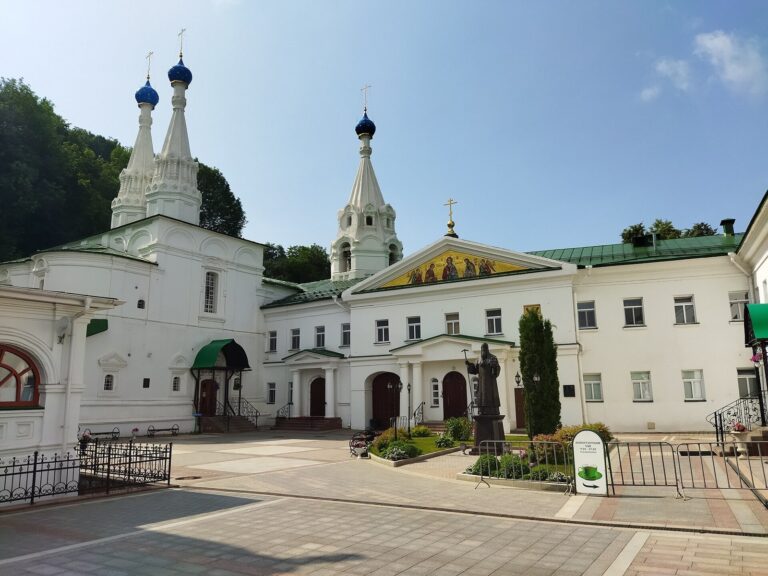
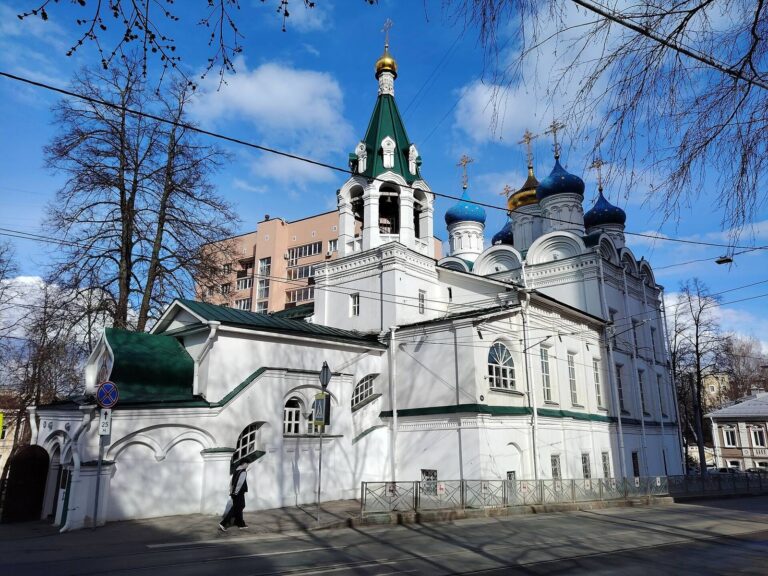
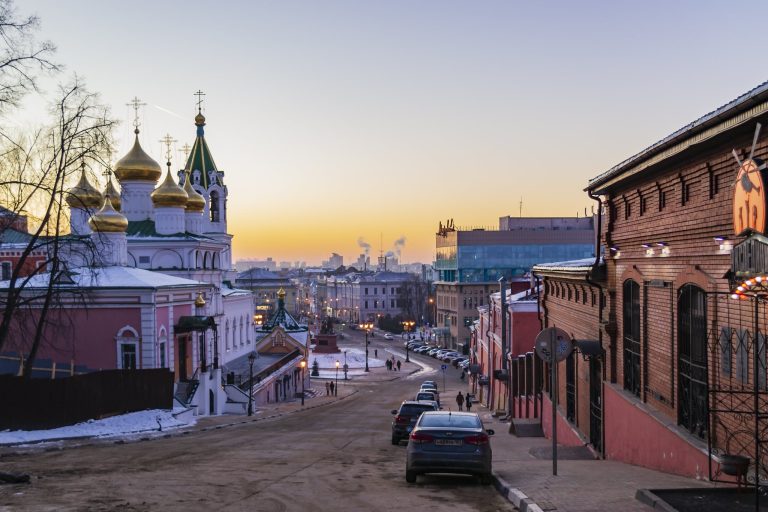
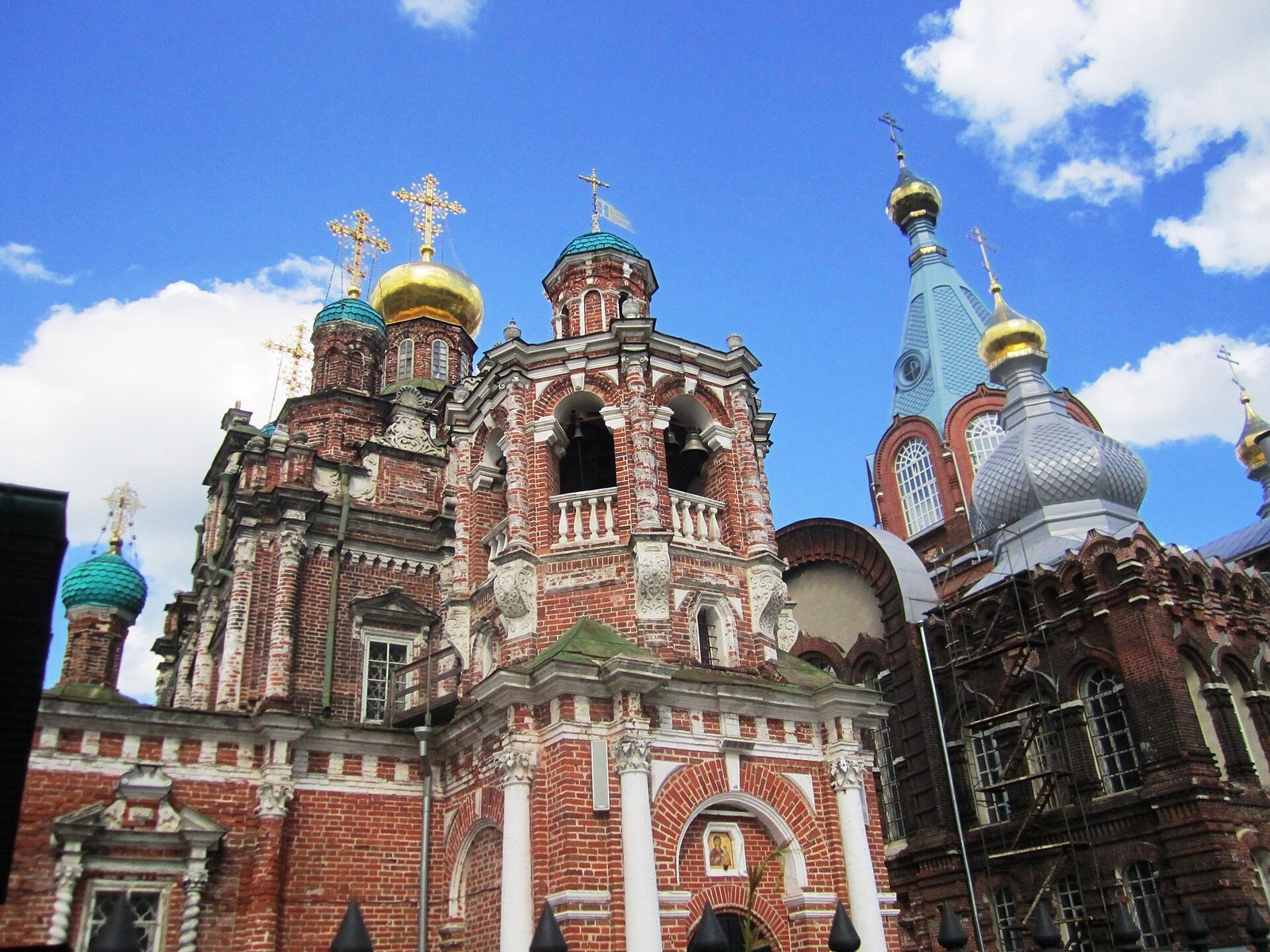
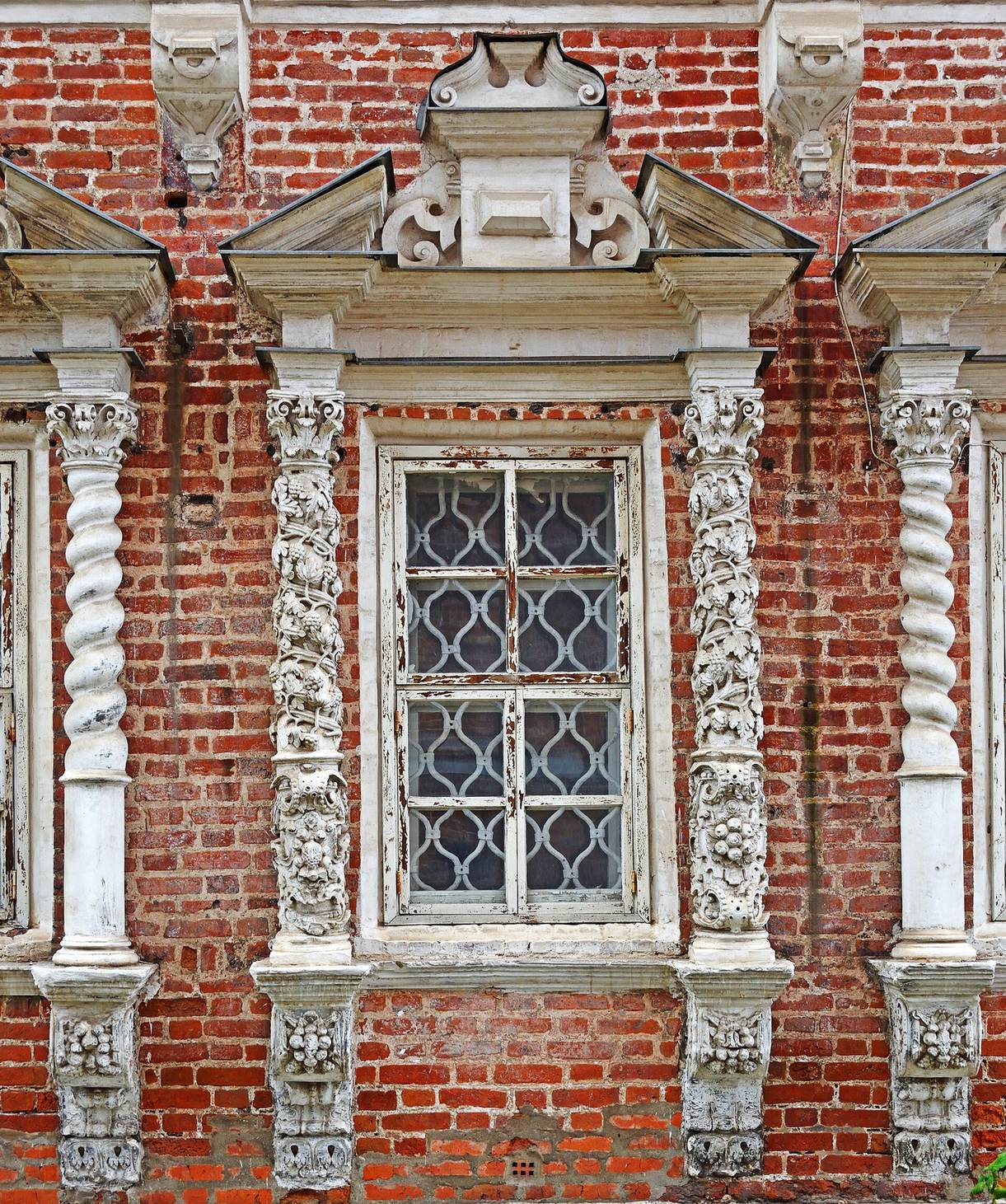
The Churches of Our Lady of Smolensk and Our Lady of Vladimir form an active Orthodox parish in Gordeyevka, Nizhny Novgorod, Russia. The parish dates to 1693, and construction of the Smolensk Church began in the 1680s in the Stroganov Baroque style, a form of Russian Baroque associated with buildings commissioned by the Stroganov family. Its patron, Grigory Dmitrievich Stroganov, was a Russian nobleman and patron. In Orthodox Christianity, an icon is a sacred image used in veneration, and the title Our Lady refers to the Virgin Mary.
Smolensk Church, from the 1680s
Stroganov ordered the construction of a stone house church, a chapel intended for a household’s worship. A similar church was also begun in Ustyuzhna-Zheleznopolskaya. The northern chapel, dedicated to the monastic saints Anthony and Theodosius of Kyiv’s Pechersk Lavra, was consecrated on December 22, 1694. The main altar, dedicated to the Smolensk icon of the Mother of God, was consecrated on July 25, 1697.
After the Stroganovs moved to Moscow in 1705, the church served a parish congregation. It closed in 1930, and a proposed demolition in 1934 was dropped after regional museum staff argued for its preservation. The building then served as a museum warehouse until the early 1990s. In 1993 it passed to the Nizhny Novgorod Diocese, a church jurisdiction overseen by a bishop.
Vladimir Church, 1902–1926
Plans to rebuild Vladimir Church emerged in 1902, and the work was completed in 1907. Consecrations followed in February and May 1908, then again in September 1909. Its services continued until 1926.
Restoration and parish life
The main dome of Smolensk Church was gilded in 2005–2006. Repairs began in 2018, followed in 2019 by a substantial restoration intended to recover the building’s historic appearance. The work used 3D models and white-stone carving and was completed in 2021, the year of the city’s 800th anniversary.
Vladimir Church was transferred to the diocese in September 1998, when restoration of its central dome began. Clearing the building took a year and removed construction debris, bakery equipment, and more than 500 truckloads of earth from pits used to prepare salt solutions. In 2012, two crosses intended for the church’s domes were consecrated, and extensive interior work began. Smolensk Church has federal cultural-heritage status, while Vladimir Church has regional status.
Remains
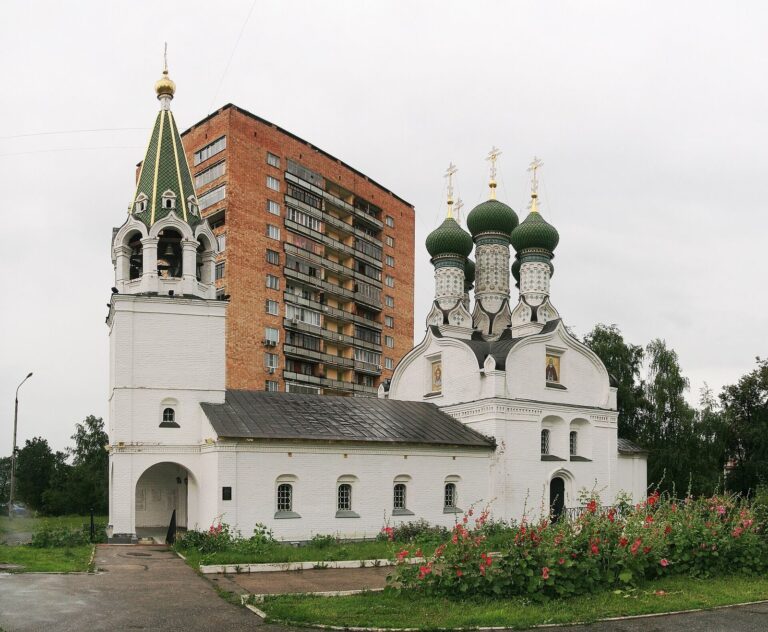
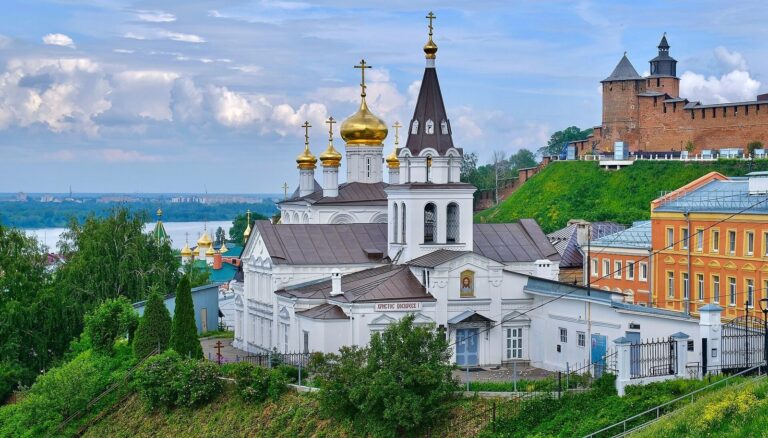
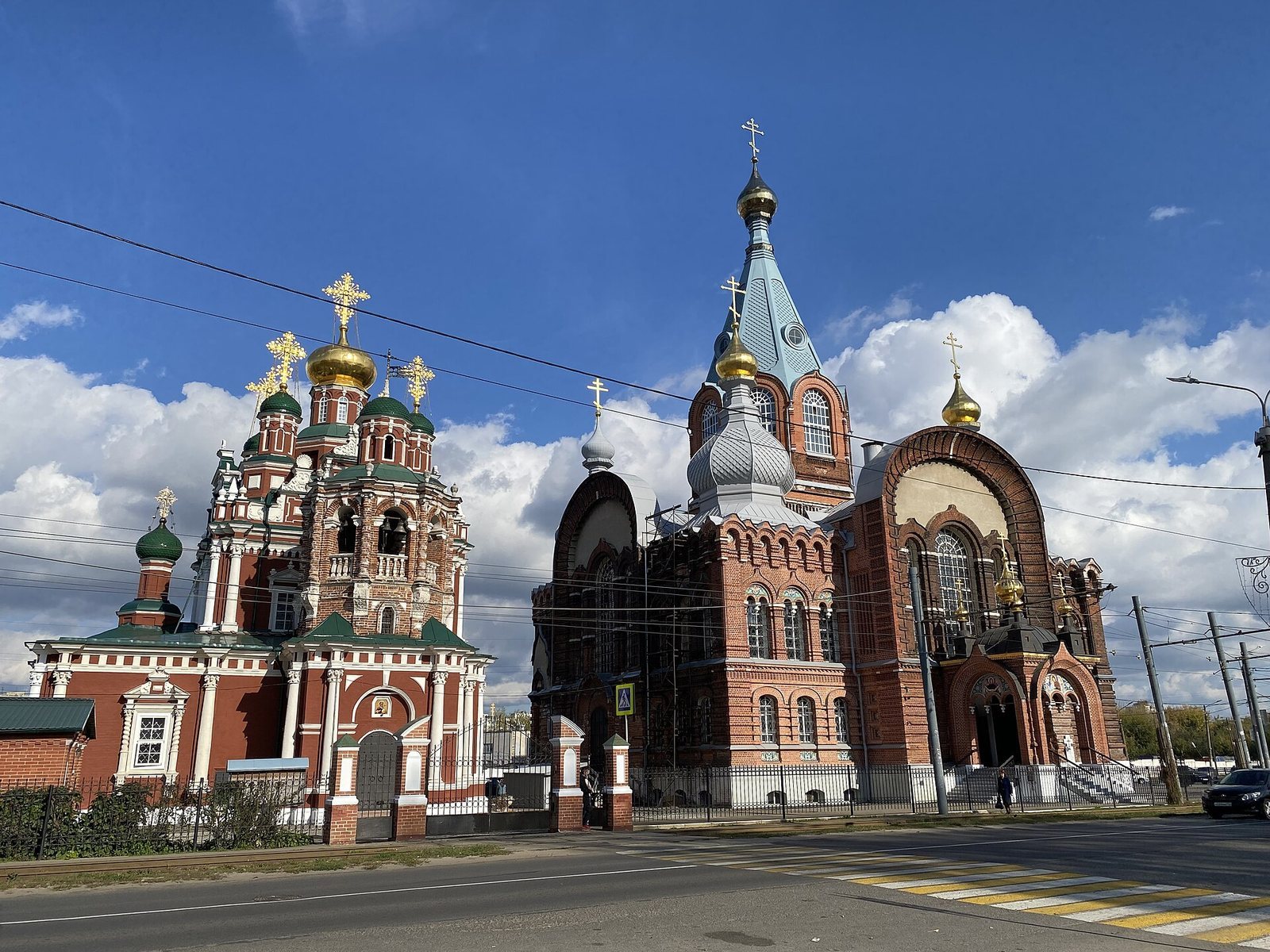
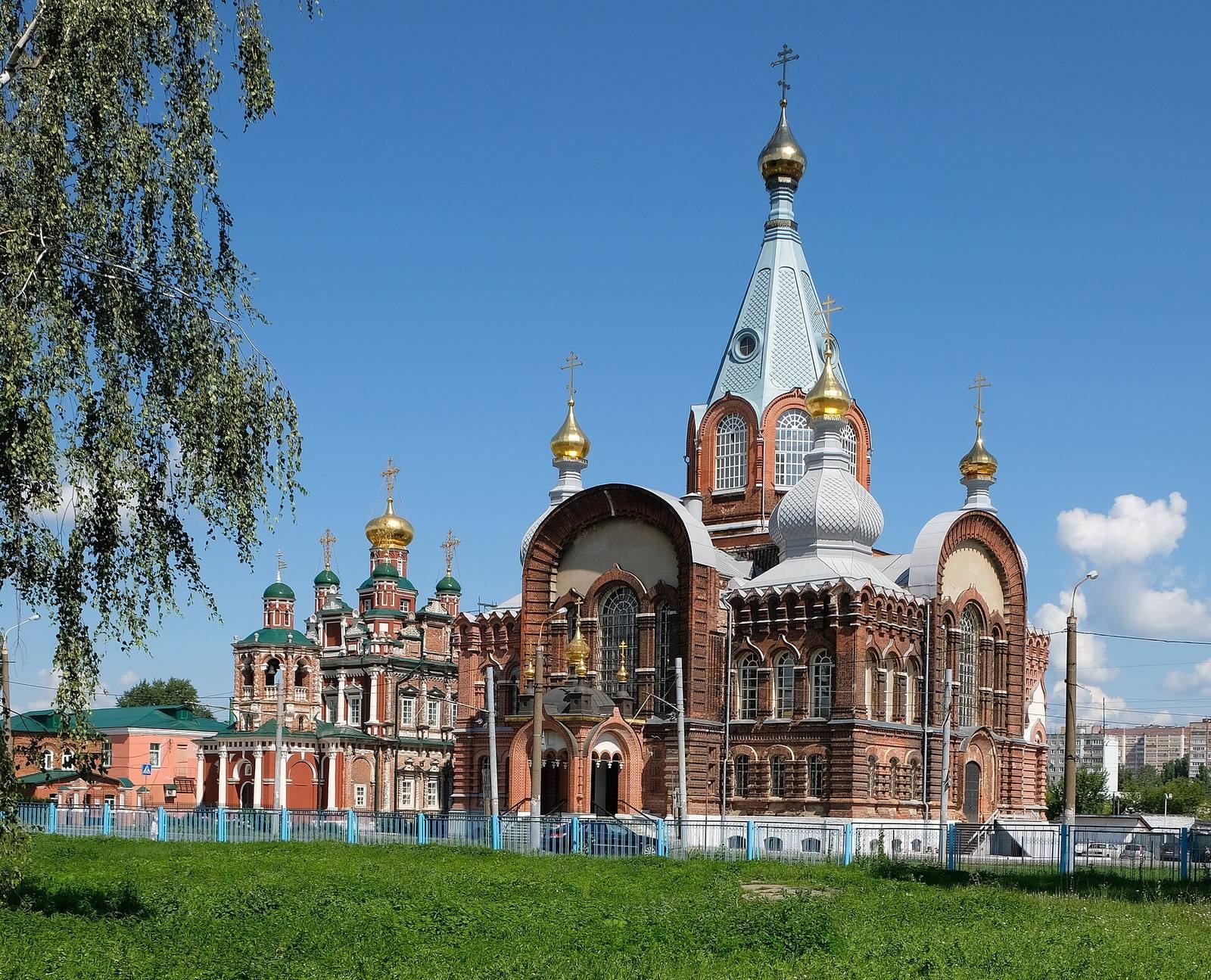
The complex comprises two churches associated with Stroganov Baroque and Russian style. Smolensk Church is one of four surviving monuments of Stroganov Baroque. Their surviving features include distinct altar arrangements, while Vladimir Church is marked by a central dome and additional domes.
Smolensk Church
Smolensk Church is a stone house church. Its main altar is dedicated to the Smolensk icon of the Mother of God, and a chapel on the north side is dedicated to Anthony and Theodosius, monastic saints associated with the historic Orthodox monastery in Kyiv known as the Pechersk Lavra.
Vladimir Church
The church has a central dome and other domes intended to receive crosses. Its main altar is dedicated to the Vladimir icon of the Mother of God. The northern altar is devoted to the Protection of the Mother of God, an Orthodox feast concerning Mary’s protective intercession, and the southern altar to Saint Nicholas of Myra, an early Christian bishop.
Parish icon and relics
A sacred icon associated with the parish contains a reliquary cross with fragments of relics of Sergius of Radonezh, a medieval Russian monastic leader, and Barnabas of Gethsemane, a Russian monk and spiritual elder. The cross also holds relic fragments of martyrs who suffered during an invasion described with the historical term “Saracen,” which was used for Muslims, especially Arabs.