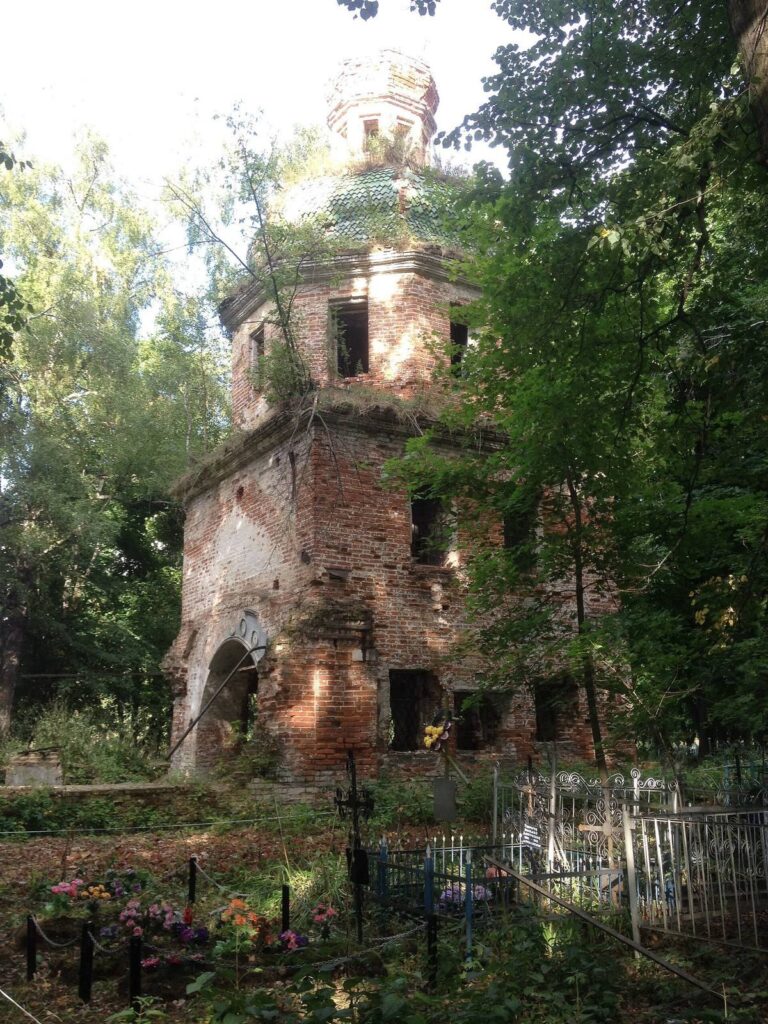
Church of the Theotokos of Smolensk in Konstantinovo: An Orthodox Church
Site at a Glance
- Popularity
- Low
- Country
- Russia
- Primary era
- Modern
- Eras represented
- Early Modern, Modern
- Civilizations
- Russian
- Site type
- Religious
- Remains
- Church
On this page7 sections
History
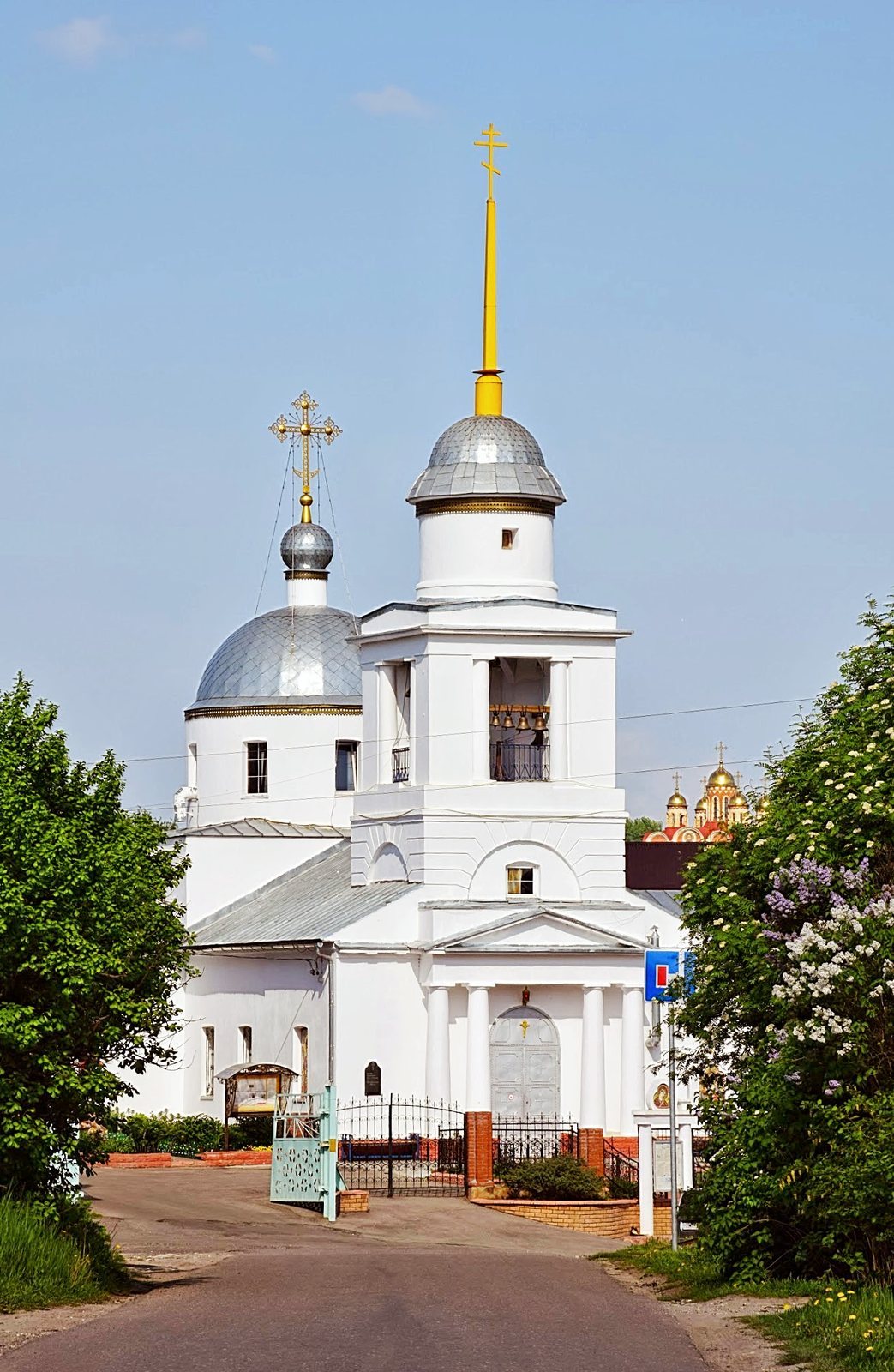
The Church of the Theotokos of Smolensk in Konstantinovo, Russia, is an Orthodox church whose foundation is dated to 1624 and whose building was substantially rebuilt in the Classical style in 1825–1827. It is named for the Smolensk Icon of the Mother of God, a venerated Orthodox image of Mary. Theotokos means Mother of God.
Seventeenth-century foundation
On 11 June 1670, Prince Yuri Romodanovsky received permission from church authorities to build a stone church in honor of the Hodegetria, an icon type showing Mary with the Christ Child. The church was erected in 1680.
Rebuilding and parish life
The church was enlarged and substantially rebuilt in the Classical style between 1825 and 1827. In 1898, a zemstvo school opened at the church. Zemstvos were local self-government bodies, and the schools were associated with that system. The priest Vasily Uspensky taught there.
Closure and return to worship
On 1 March 1930, the Presidium of the Moscow Oblast Soviet ordered the church closed and its premises converted into a club. The building and its adjoining territory were later transferred to the Konstantinovo Toy Factory.
The church returned to the Russian Orthodox Church in 2002. With parishioners’ help, its interior was reconstructed and its northern chapel dedicated to St Nicholas was restored. The church was consecrated for worship in the Great Rite, the formal Orthodox rite for dedicating a church, on 14 October 2016. It remains active, with regular services.
Remains
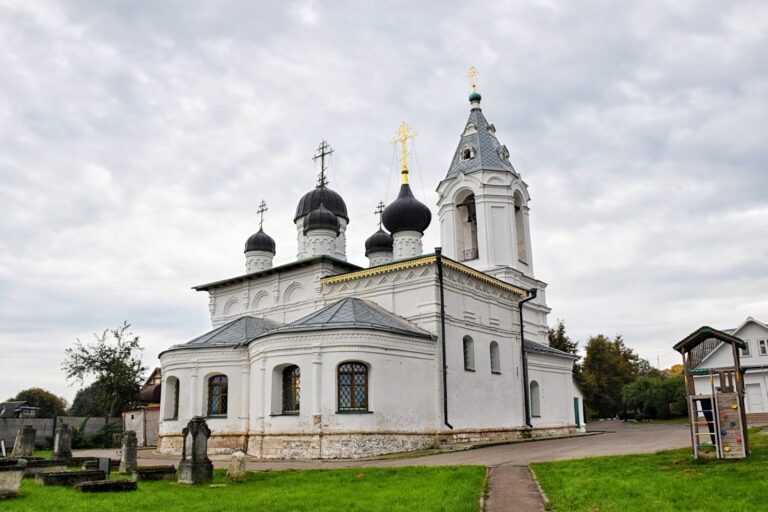
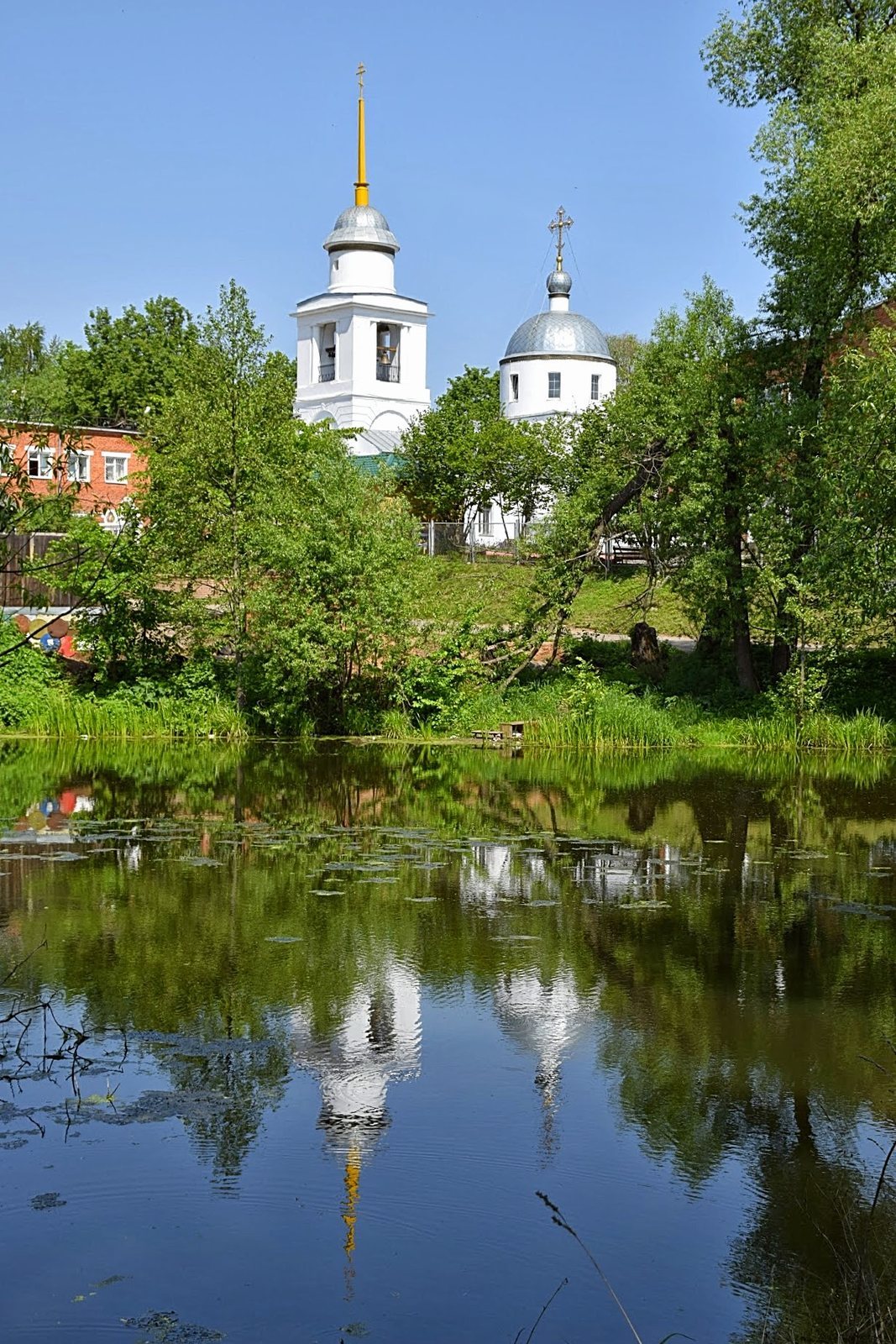
The church stands on the left bank of the Rozhaya River. Its original one-storey plan formed an equal-armed cross. The building’s later arrangement includes a domed rotunda above the church, enlarged windows, and expanded altars and side chapels.
Interior and chapels
Recesses in the walls held icons and lamps, while thin stone slabs covered the floor and traditional church paintings decorated the walls. The side chapels are dedicated to St Nicholas the Wonderworker and John the Baptist.
Bell tower
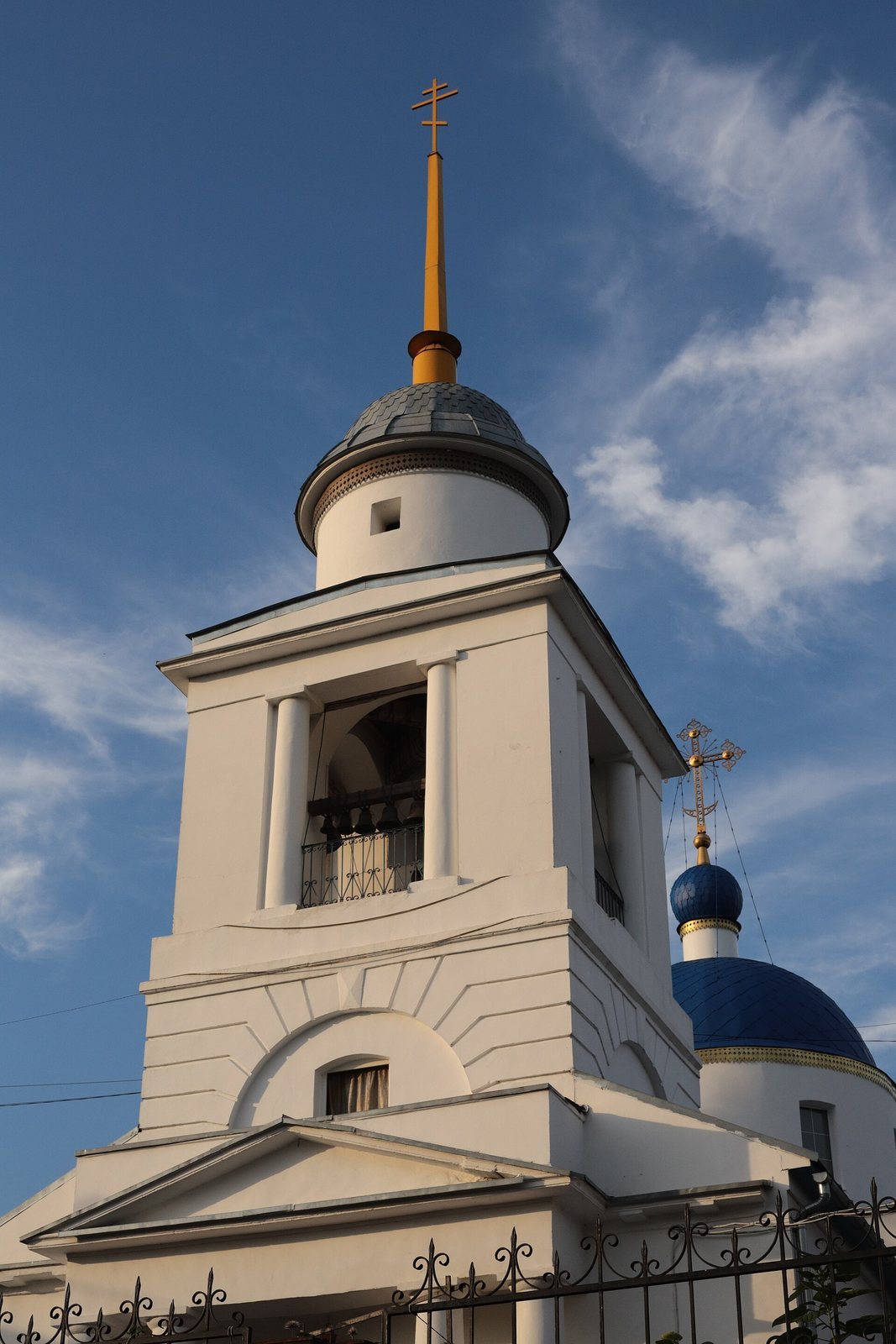
The original bell tower was built of brick with white-stone facing and was entered through the narthex, the church’s entrance vestibule. During the Classical rebuilding, it was replaced by a three-tier tower topped with a spire.