Serres Bedesten: A Fifteenth-Century Ottoman Covered Market
Site at a Glance
- Popularity
- Very Low
- Country
- Greece
- Primary era
- Medieval
- Eras represented
- Medieval
- Civilizations
- Ottoman
- Site type
- Economic
- Remains
- Market
On this page6 sections
History
Foundation and early references
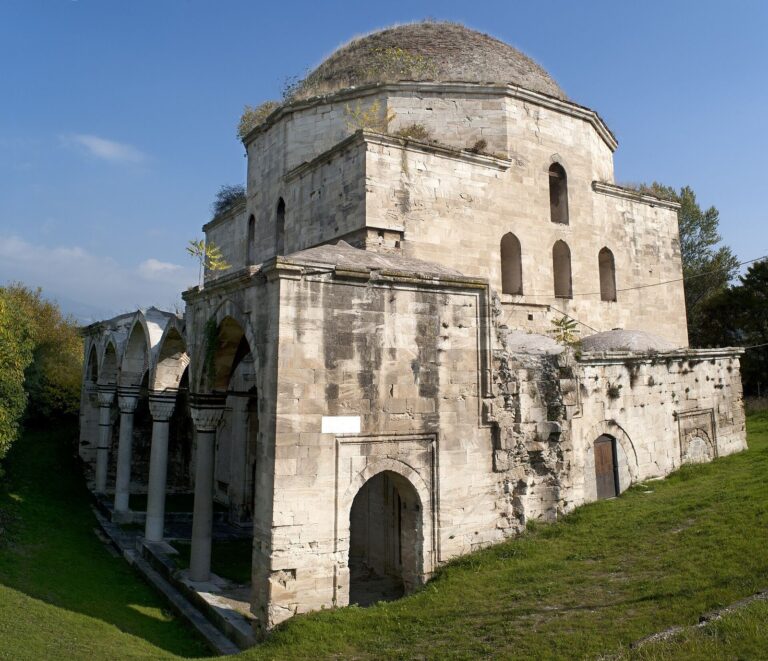
Serres Bedesten is a fifteenth-century covered market in Serres, Greece, built under the Ottoman Empire, a Turkish-led state that ruled much of southeastern Europe, western Asia, and North Africa. A bedesten was an enclosed market commonly associated with trade and the safekeeping of valuable goods. The building’s construction is attributed to Çandarlı Ibrahim Pasha the Younger, a fifteenth-century Ottoman statesman.
Seventeenth-century Ottoman travel writer Evliya Çelebi mentioned the bedesten, and Bulgarian writer and educator Georgi Strezov wrote about it in 1891.
Protection and museum use
In 1938, plans to demolish the bedesten and the neighboring Atik Mosque were prevented through the intervention of Greek archaeologist Anastasios Orlandos. The bedesten was registered as a protected monument on 13 January that year.
Since 1968, the building has housed the Archaeological Museum of Serres.
Remains
Layout and construction
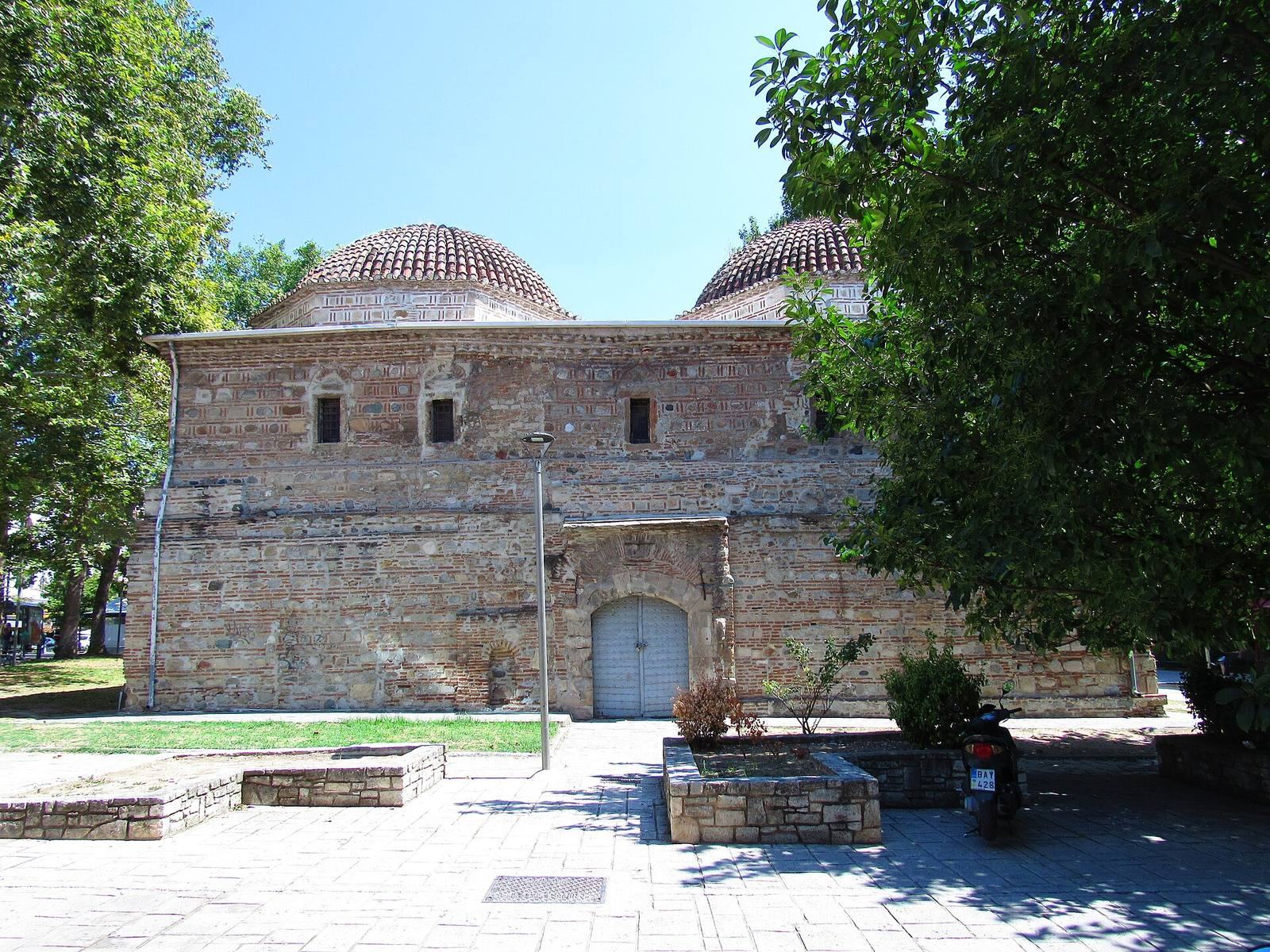
The rectangular, single-storey building stands in Eleftherias Square, beside the southeastern wall of the old Serres tower. It occupied a Muslim quarter that developed after the city’s conquest, with a commercial street running between the bedesten and Atik Mosque. The structure measures 20.60 by 31.45 metres.
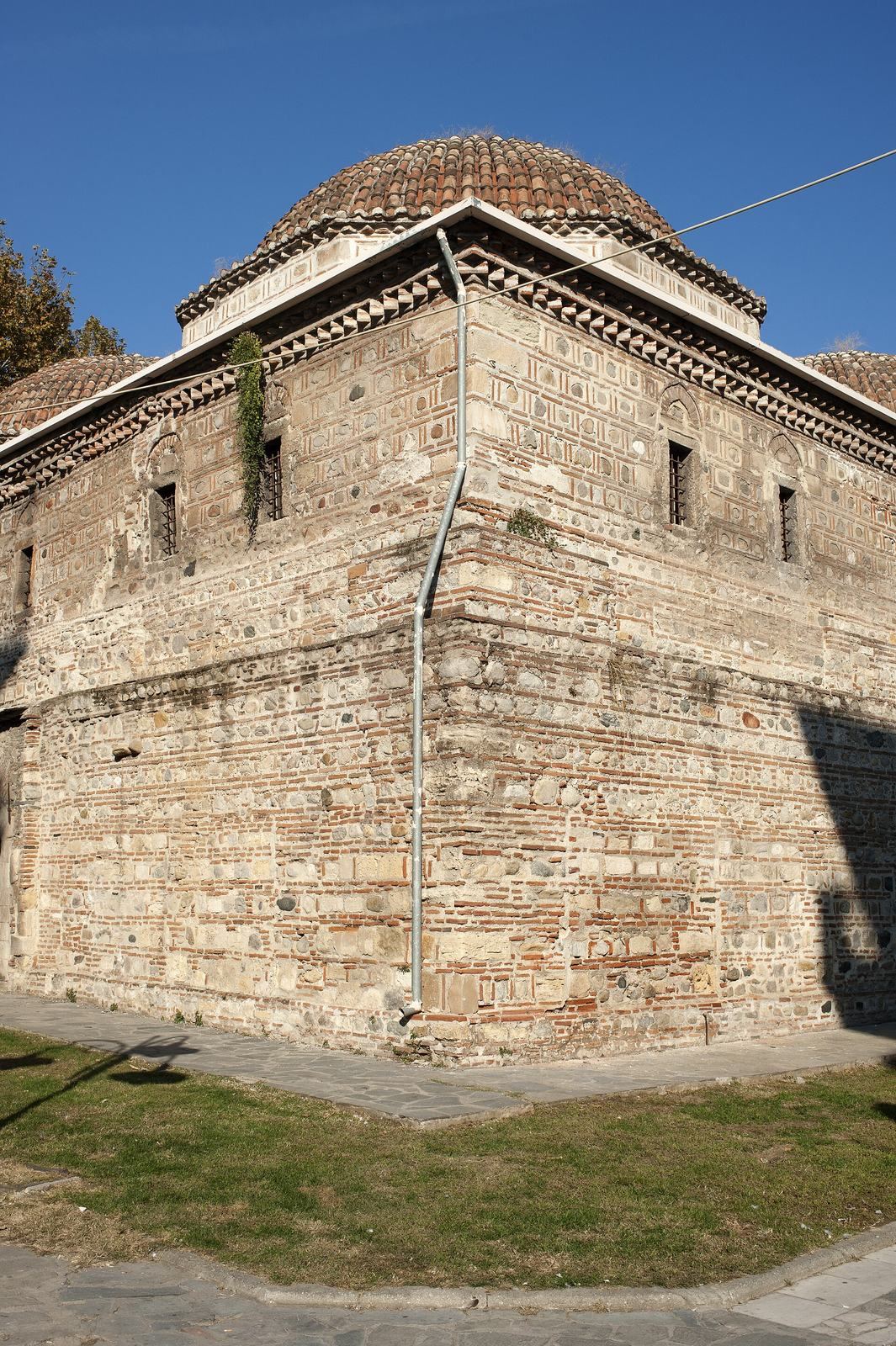
Arches divide the interior into six sections, each covered by a hemispherical dome resting on curved supports called pendentives, which allow a dome to rise above a square space. Massive square columns support the structure. The domes were first covered in lead and later in tiles. Four doorways have stone frames and low arches. Ottoman art historian Semavi Eyice regarded the building as one of the type’s most notable examples, citing its construction quality and striking exterior.
Museum collections
The museum’s prehistoric exhibits include finds from excavations at Promachonas and Kryoneri. Its Archaic, Classical, and Hellenistic collections represent successive periods of ancient Greek history, while its Roman-era holdings relate to the period of Roman rule and influence. These collections, mainly ceramics, statues, and inscriptions, come from Argilos, Vergi, Terpni, Neos Skopos, Gazoros, ancient Tragilos, and Serres. The early Christian works, from Christianity’s formative centuries, and Byzantine objects, associated with the medieval Christian empire centered on Constantinople, include a marble Christian image of Christ and a twelfth-century mosaic of Saint Andrew, one of Jesus’s apostles. Both came from the Old Cathedral in Serres.