Saints Theodore Tyro and Theodore Stratelates Church, Serres: A Former Cathedral
Site at a Glance
- Popularity
- Low
- Country
- Greece
- Primary era
- Medieval
- Eras represented
- Medieval, Early Modern, Modern
- Civilizations
- Byzantine, Ottoman
- Site type
- Religious
- Remains
- Cathedral
On this page12 sections
History
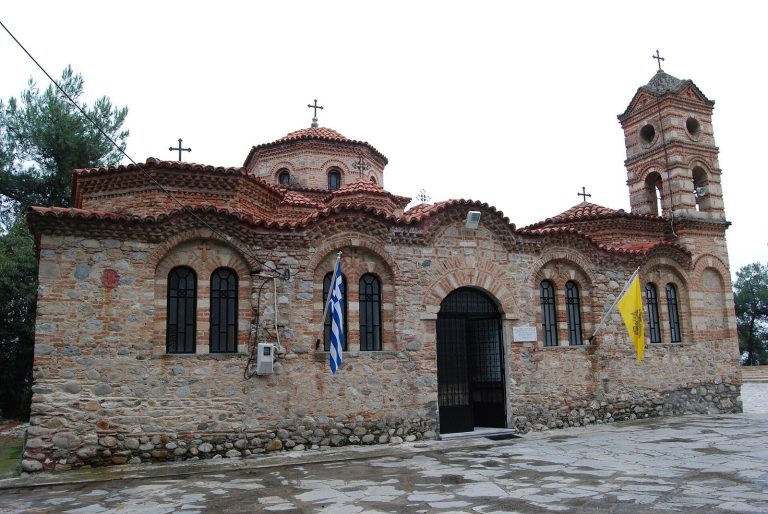
The Saints Theodore Tyro and Theodore Stratelates Church is an active Greek Orthodox church in Serres, Greece. It belongs to the Ecumenical Patriarchate’s Metropolis of Serres and Nigriti, an Orthodox ecclesiastical district, and formerly served as the cathedral of the Metropolis of Serres. The earliest building probably dates to the sixth century. Its consecration is placed in the eleventh century or the first third of the twelfth, while its use as a cathedral is also dated to 1124.
Byzantine foundations and patronage
By the late ninth century, the church’s dedication honored two distinct Christian soldier-martyr saints, Theodore Tyro and Theodore Stratelates. The basilica was later altered during the reign of Byzantine emperor Basil II.
In 1205, Bulgarian Tsar Kaloyan captured Serres, and the church probably suffered damage. The city came under Theodore Komnenos Doukas, ruler of Epirus, in 1221, and he enriched the church with mosaics. In 1255, Emperor Theodore II Laskaris of Nicaea had the church’s icons covered with silver in gratitude to the saints after Melnik was retaken from Bulgarian forces. The Byzantine scholar John Pediasimos described the church’s rich decoration.
Ottoman-era changes and damage
Turkish forces looted the church in 1571, causing extensive damage. In 1602, Metropolitan Theophan Floras built a west wall and a women’s church. The marble icon screen was replaced with a wooden one, following a practice that was also current elsewhere.
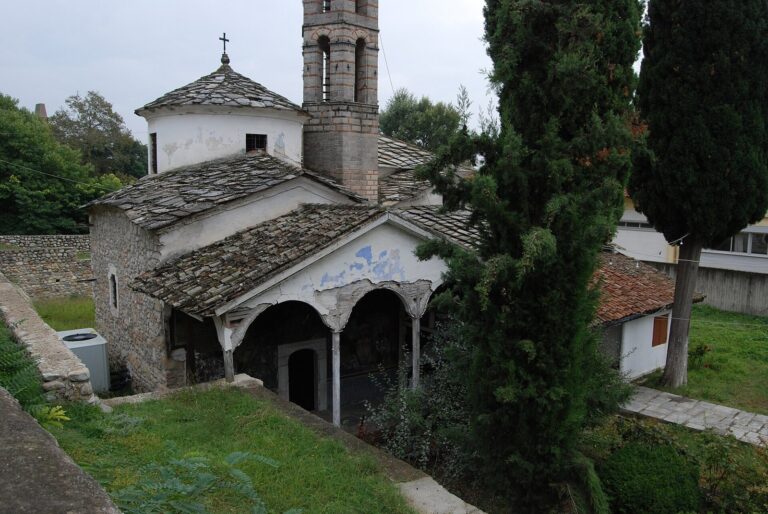
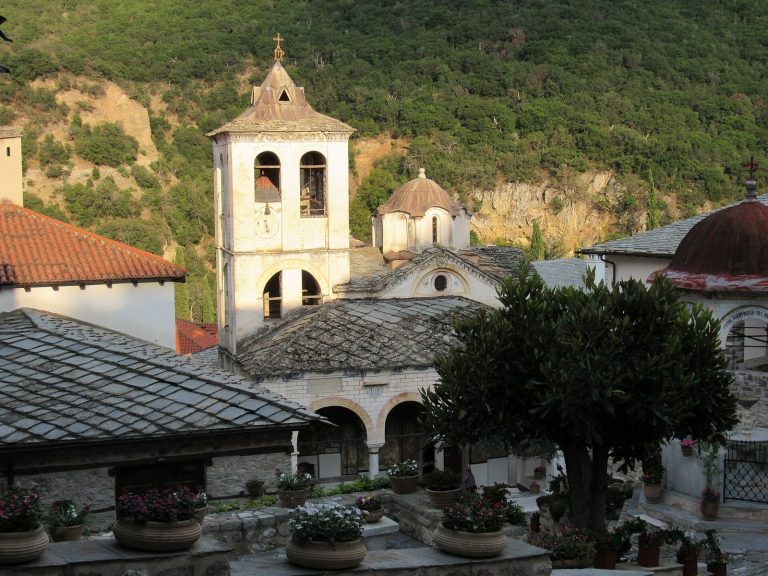
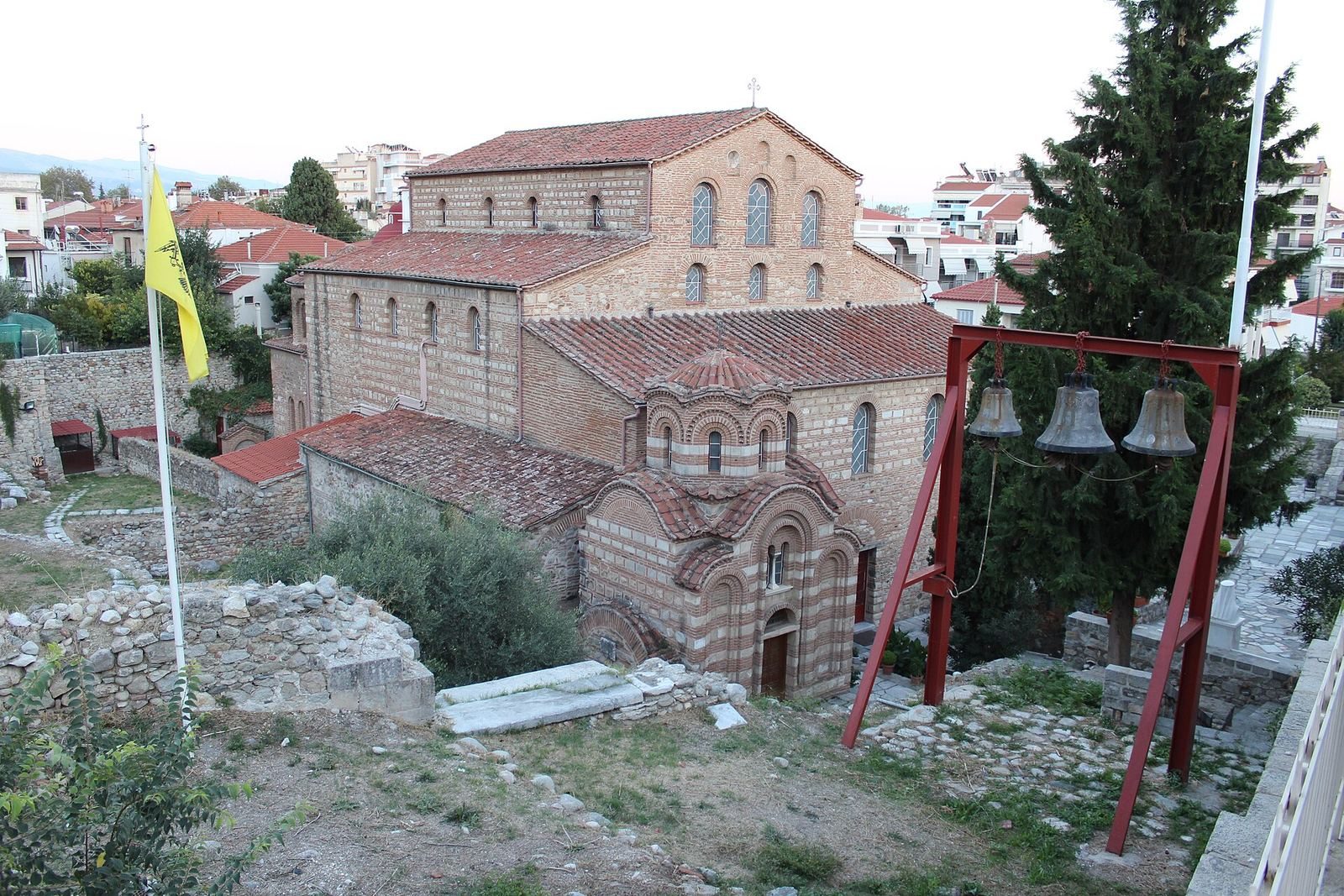
Metropolitan Stephen of Serres had the south wall painted in 1725. In 1845, scholar Viktor Grigorovich remarked that the renovated church still showed signs of great age. A major fire in Serres in 1849 damaged the church. Before the fire, a fountain in the south courtyard had been used for the symbolic washing of worshippers. In 1868, Metropolitan Neophyte of Serres built a bell tower where the fountain had stood and incorporated an icon of Christ Blessing into the tower.
War and restoration
On 28 June 1913, retreating Bulgarian troops damaged the church during the Second Balkan War, a conflict between Bulgaria and other Balkan states following the First Balkan War. In early 1917, Bulgarian occupation authorities removed an icon of the Virgin and took it to Bulgaria.
Restoration began in 1938 and was completed in 1959, followed by repairs in 1983. The church was declared a protected cultural monument in 1962 and again in 1973.
Remains
The basilica plan
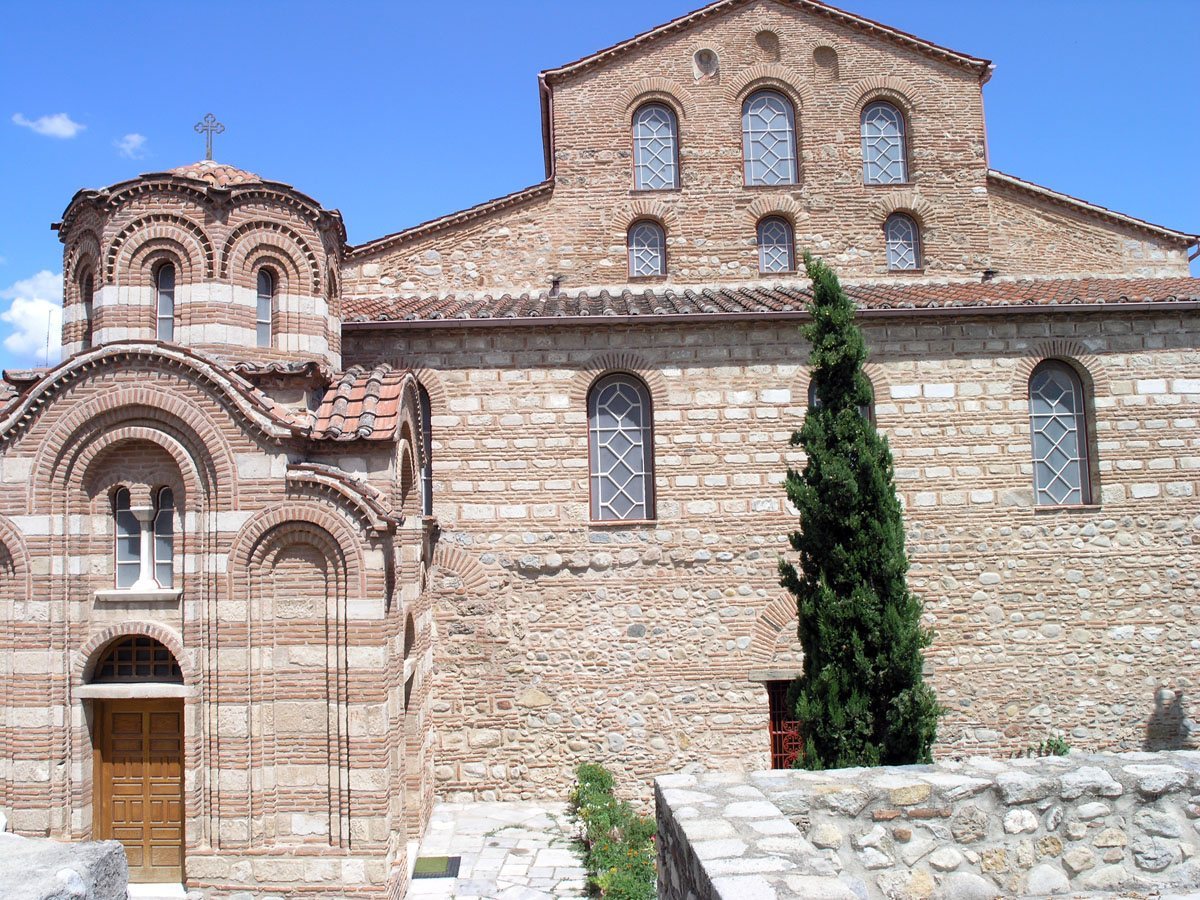
In the center of Serres, the large rectangular basilica has interior dimensions of 15.6 by 24 metres. Its interior is divided into an entrance vestibule and a main worship space, with two rows of columns forming three aisles. The original building also had a transept, a crosswise section through the church. Alterations during Basil II’s reign added arches in the sanctuary. Six coloured columns supported the lead roof and divided the interior into three aisles; six green-marble columns were still noted in 1845.
Sanctuary and interior decoration
Apostolic Council mosaic
The mosaic of the Apostolic Council, depicting an assembly of the apostles, occupies the shell-shaped recess at the end of the sanctuary. The 1849 fire partly destroyed it, and it was restored to its original appearance in 2008.
Wooden icon screen
The wooden icon screen installed in 1602 was set before the triumphal arch. It incorporated the areas used for preparing the bread and wine for the Eucharist and for other sanctuary services, without the columns of the earlier marble screen. Its position corresponded to the places associated with icons of Christ Blessing and the Virgin. Until 1868, there was no image of Christ elsewhere in the church, while an image of the Virgin was kept only on the west wall.
Inscriptions and stonework
An inscription in the church refers to the martyr Theodore. Several stones bearing images and Greek inscriptions were also noted inside in 1845.
Fittings and historical objects
John Pediasimos described a marble altar screen, a bishop’s throne, green columns dividing the interior, and columns at the altar entrance. Three silver chandeliers illuminate the church: one with 33 candles in three rows at the center of the nave, one with nine candles before the central sanctuary doors, and one with 30 candles just inside the main entrance to the nave. Historical furnishings and relics associated with the church included valuable vessels, a gilded cross, the gilded skulls and swords of the two Theodores, and a bone staff linked to Gennadios Scholarios, a fifteenth-century Orthodox theologian and patriarch of Constantinople. The gilded cross is now in Bulgaria’s National Historical Museum.
Western chapel
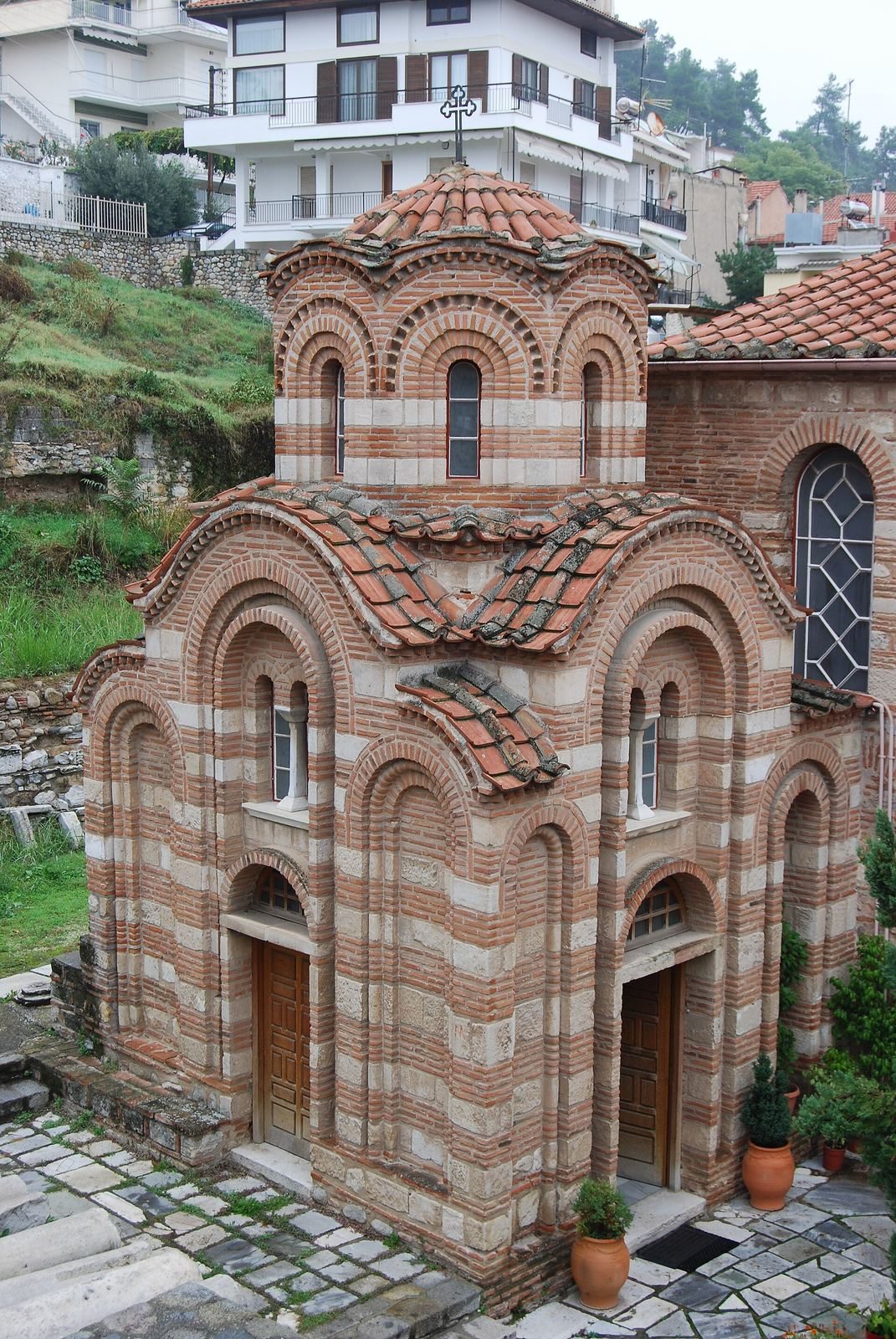
A chapel associated with the western façade is dedicated to Saint Callistus of Constantinople, a medieval Byzantine monk and patriarch.