Saint Nicholas Church, Serres: A Medieval Garrison Church
Site at a Glance
- Rating
- 4.8
- Popularity
- Very Low
- Country
- Greece
- Primary era
- Medieval
- External website
- Open
- Eras represented
- Medieval, Early Modern
- Civilizations
- Byzantine, Ottoman
- Site type
- Religious
- Remains
- Church
On this page5 sections
History
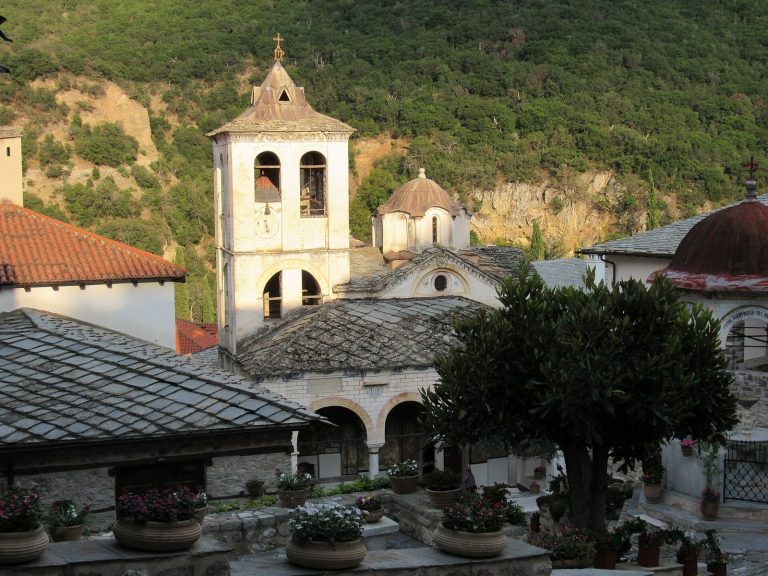
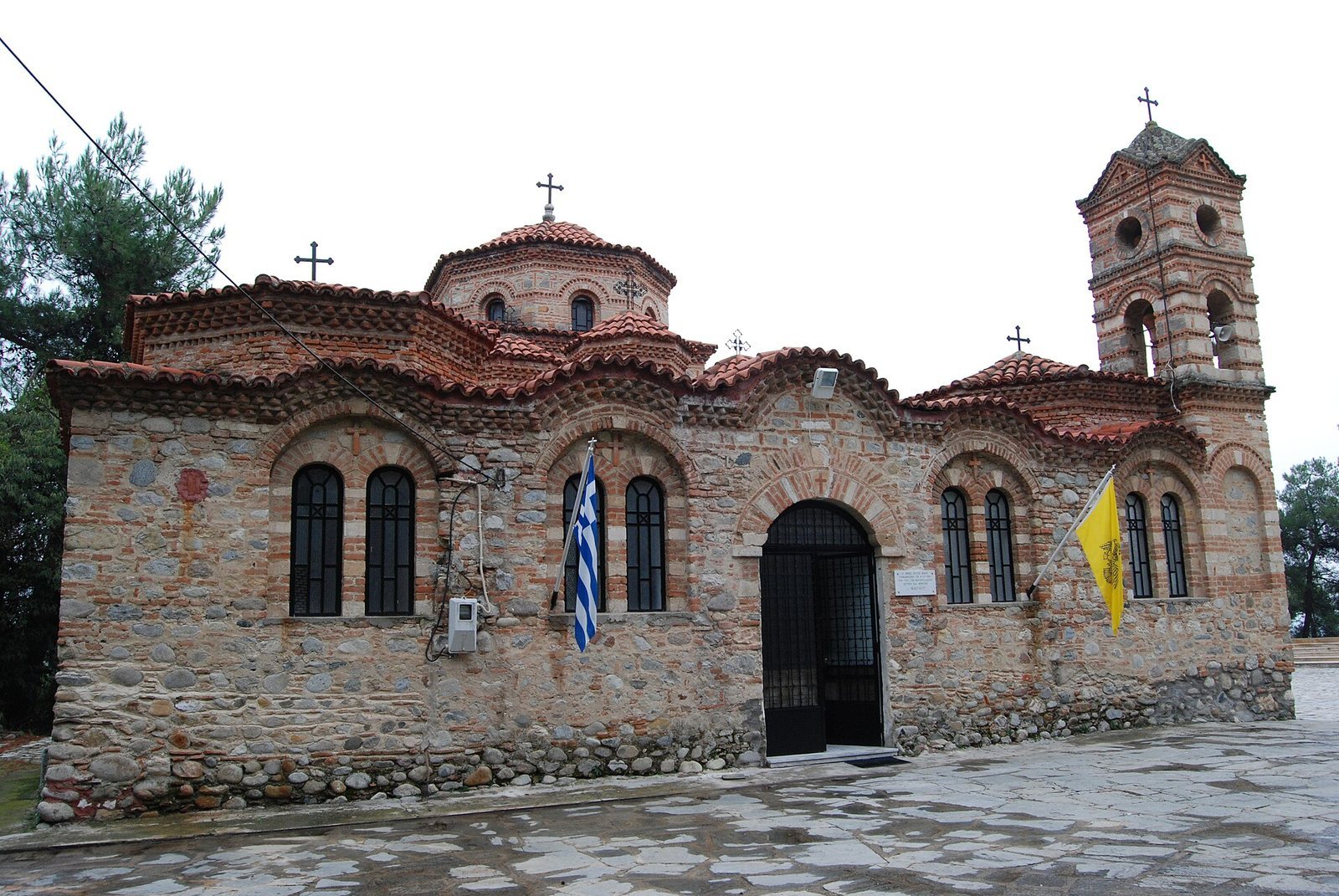
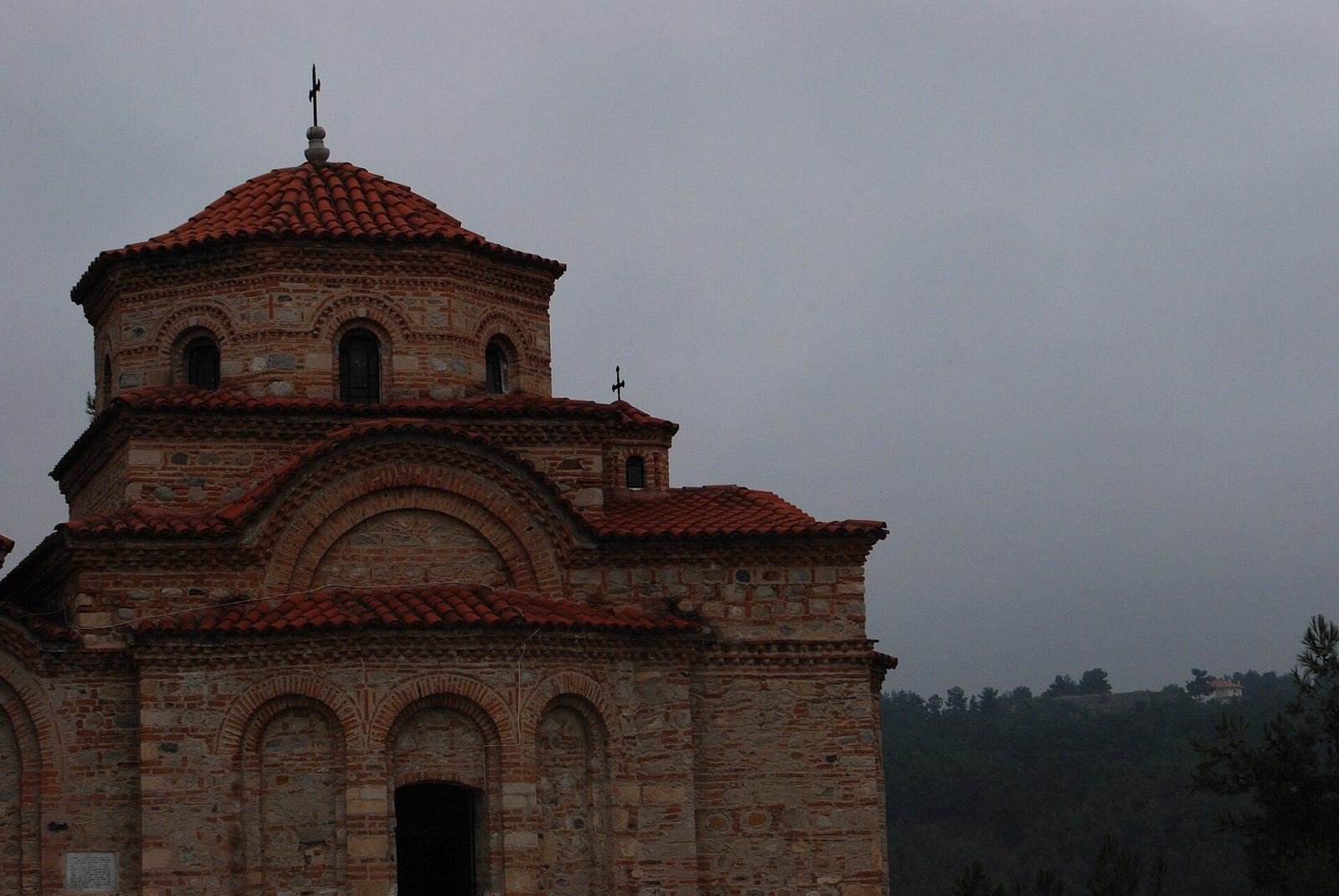
Saint Nicholas Church, Serres, is a medieval Orthodox church in Greece, built in the twelfth century for the soldiers of the fortress garrison. It remains an active church and belongs to the parish of Saint Marina and Saint Anthony within the Serres and Nigrita Metropolis, a regional church jurisdiction headed by a metropolitan bishop.
The church was mentioned by Bogdan Filov after he visited the fortress of Serres in early 1913. In 1925, it was declared a protected cultural monument. Excavations carried out in 1926 uncovered remains of frescoes and other finds associated with the Palaiologan era, the period of Byzantine rule under the Palaiologos dynasty from 1261 until the Ottoman conquest of Constantinople in 1453.
In 1937, the church was restored over the remains of a seventeenth-century church. This intervention changed the building’s architectural form and is regarded as unsuccessful, making the modern appearance of Saint Nicholas Church the result of both its medieval origins and later reconstruction.
Remains
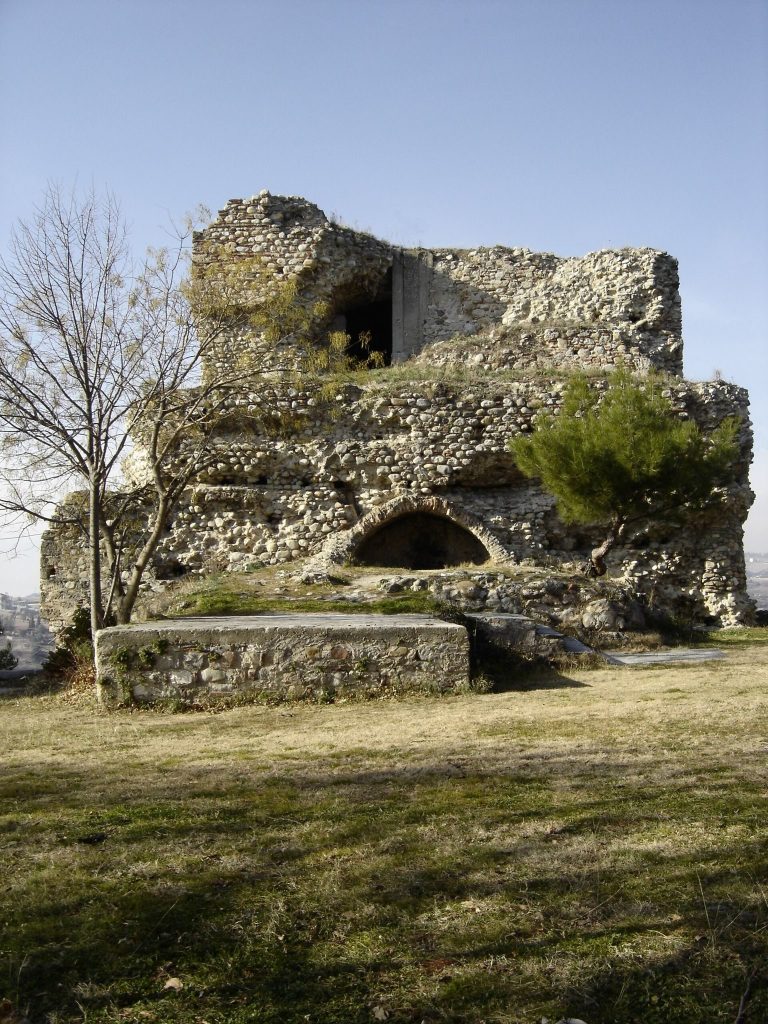
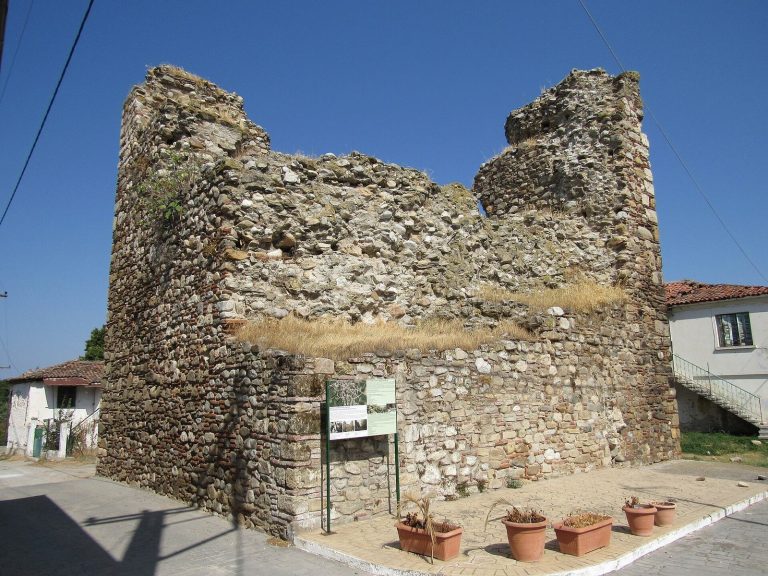
The church stands inside the fortress of Serres as a two-storey building. Its surviving arrangement includes an eastern crypt, a chamber partly below ground that served as a cemetery, giving the structure a funerary as well as religious function.
Architectural and Painted Remains
Two-storey church
The two-storey form is the principal surviving feature of the building. The church was restored in 1937 over the remains of an earlier seventeenth-century church, and the work altered its architectural form.
Eastern crypt and fresco remains
The eastern crypt served as a cemetery. Excavations also brought to light remnants of wall paintings and archaeological finds connected with the Palaiologan period, preserving evidence of the church’s medieval decoration and later Byzantine history.