San Rocco: A Baroque Church in Carmagnola, Italy
Site at a Glance
- Popularity
- Very Low
- Country
- Italy
- Primary era
- Early Modern
- Eras represented
- Early Modern
- Civilizations
- Duchy of Savoy
- Site type
- Religious
- Remains
- Church
On this page7 sections
History
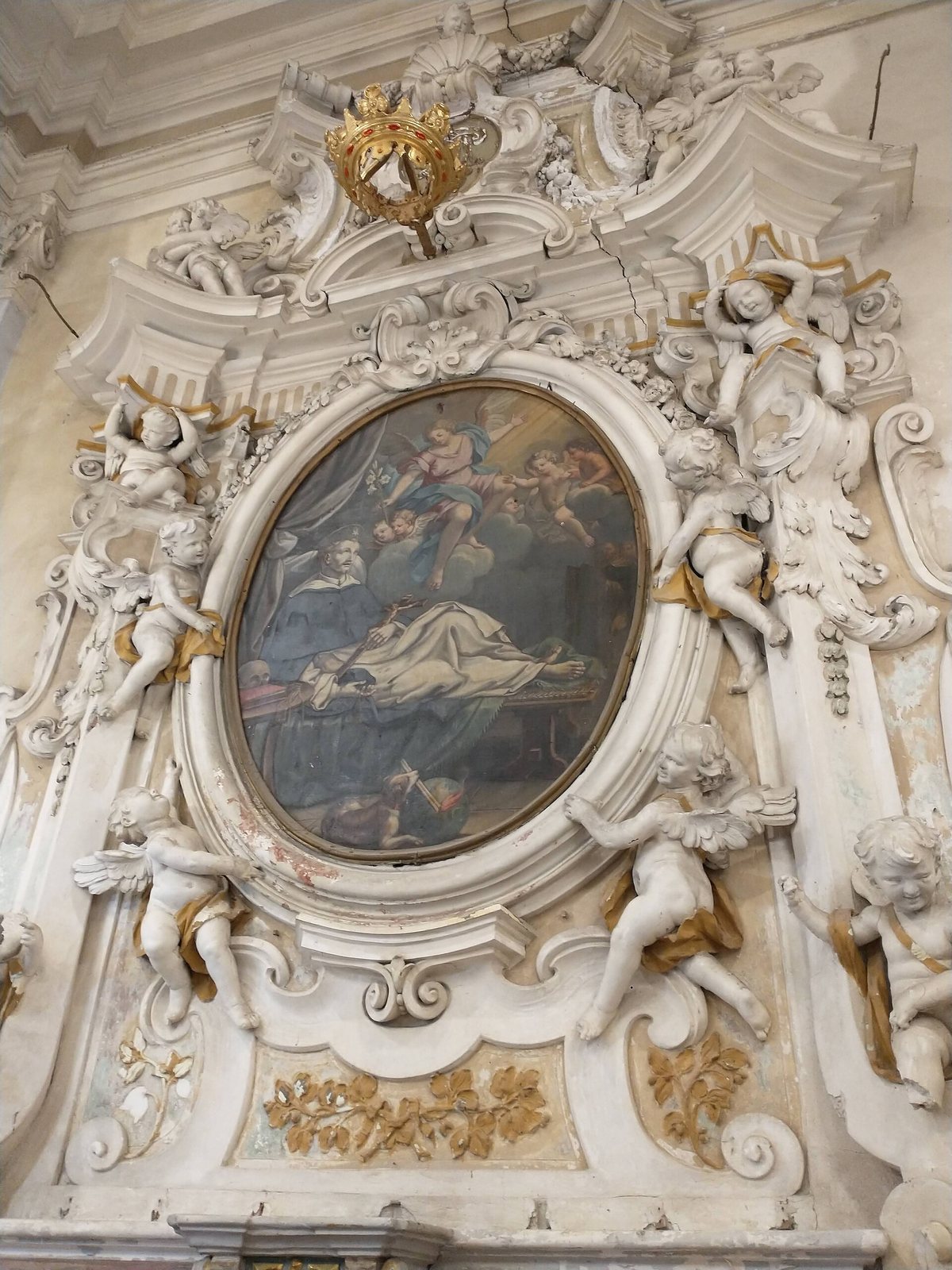
San Rocco is a Roman Catholic church in central Carmagnola, Piedmont, Italy, built for a confraternity, a religious association united by shared devotion and charitable work. Construction of its late Baroque building began in 1668, and its completion is conventionally dated to 1745, although interior decoration continued afterward.
The confraternity and its first oratory
During the plague of 1630, Carmagnola’s residents renewed a vow to the Immaculate Conception, the Catholic belief that Mary was preserved from original sin from the first moment of her conception. They had made a similar vow during an outbreak in 1522. On 16 August 1630, twelve people led by Giò Francesco Fossati founded the Confraternity of Saint Roch, seeking the saint’s protection against epidemics. Saint Roch, a Christian saint traditionally invoked against plague and other epidemics, was also a co-patron of Carmagnola.
The confraternity established a small prayer oratory at Borgo Moneta, in the eastern part of the city. After the plague, its members assisted people in poverty or on the margins of society, including orphans, and the association grew over the following decades. Membership was open to Catholic men from Carmagnola aged at least sixteen who were considered of good character. Women could share in the confraternity’s spiritual benefits but could not join as members. Members wore blue hooded robes.
Destruction and construction of the church
In 1640, French forces demolished the first oratory to make way for an expanded system of city fortifications connected to Porta Moneta. The confraternity then took temporary residence at the convent of Sant’Agostino, a community and residence for members of a religious order.
In June 1668, the confraternity purchased land on the north side of Via Valobra for a new church, and building work began the following month. Financial difficulties halted construction within a decade, leaving work suspended for several decades. In 1699, the confraternity sought permission from the city council to reuse thousands of bricks from demolished French bastions. The church’s vaults were finished the next year.
The Baroque portal was completed in 1745, the date conventionally used for the church’s completion, though interior decoration continued afterward. The original design was retained. San Rocco remains an active church in the Archdiocese of Turin, a large Catholic jurisdiction overseen by an archbishop.
Remains
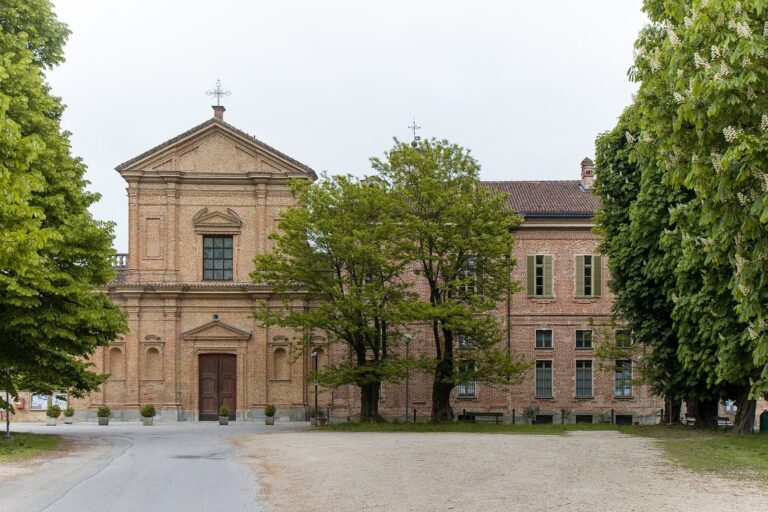
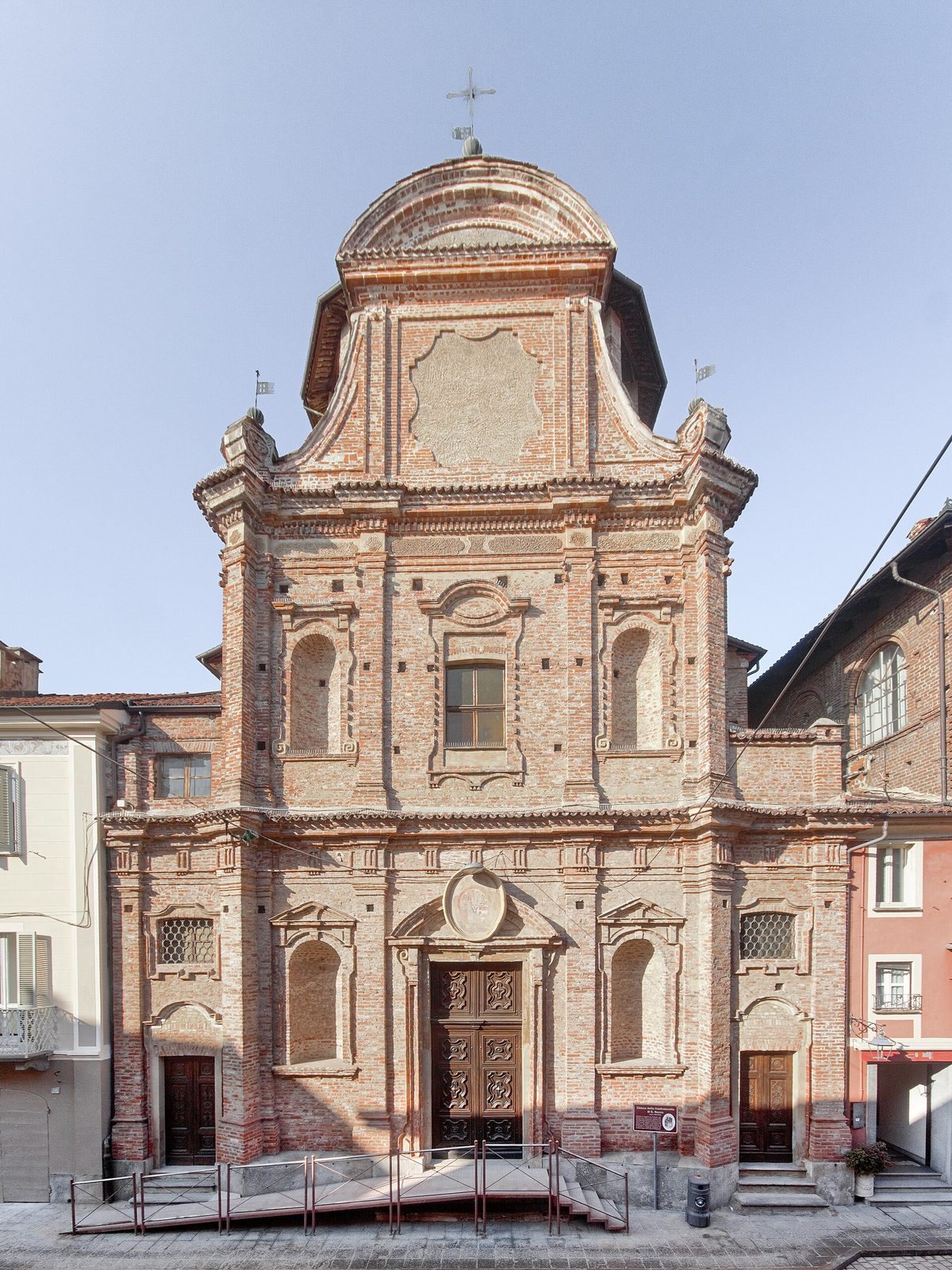
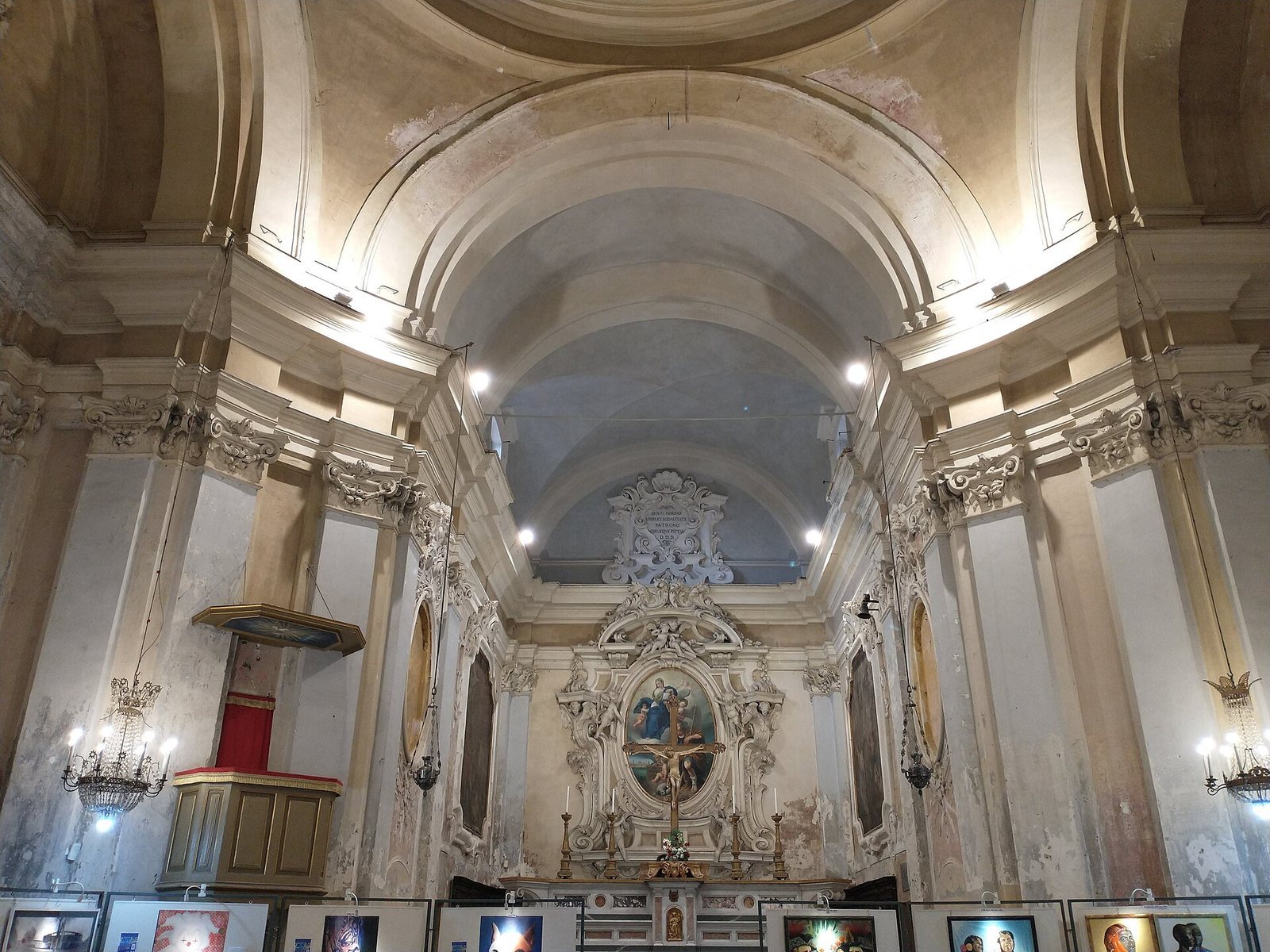
Built of brick in the late Baroque style, the church has a Greek-cross plan, with four arms arranged around a central point. It stands on the north side of Via Valobra in central Carmagnola.
The church and its organ
Plan and exterior
The church’s richly composed façade uses strong contrasts of light and shade. A large dome and a bell tower beside the building are prominent features of Carmagnola’s townscape.
Organ
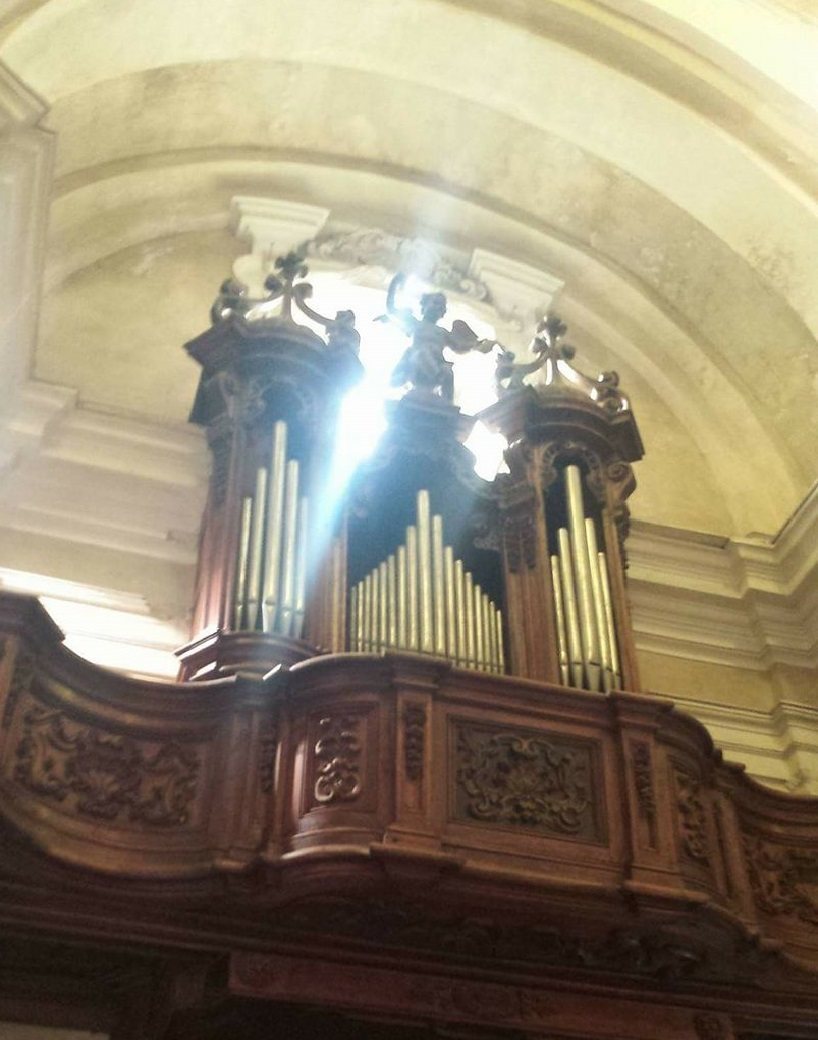
Giacomo Filippo Landesio built the church organ in 1751, and Alberto Bondetto made its finely worked case. Its mechanical action transmits the player’s movements to the pipes through mechanical linkages. The instrument has a window console and one 45-key manual, or hand keyboard, with a short octave, an arrangement in which the lowest keys provide selected pitches rather than a complete chromatic octave. Its lectern-style pedalboard, the keyboard played with the feet, has a nine-note short octave and is permanently linked to the manual.