Becz House in Biecz: A Gothic Townhouse and Former Pharmacy
Site at a Glance
- Popularity
- Low
- Country
- Poland
- Primary era
- Medieval
- Eras represented
- Medieval, Early Modern, Modern
- Civilizations
- Kingdom of Poland
- Site type
- Domestic
- Remains
- House
On this page7 sections
History
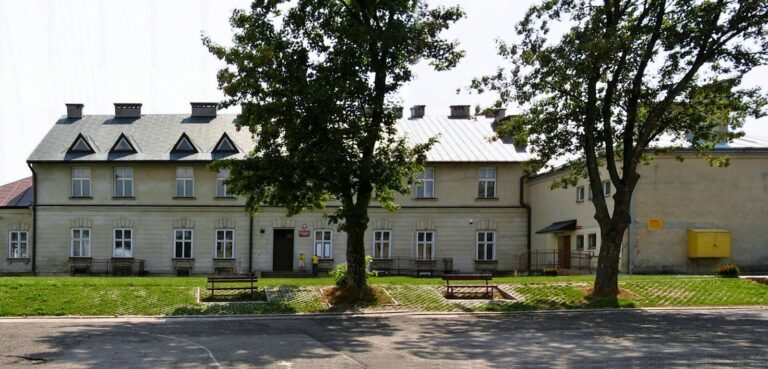
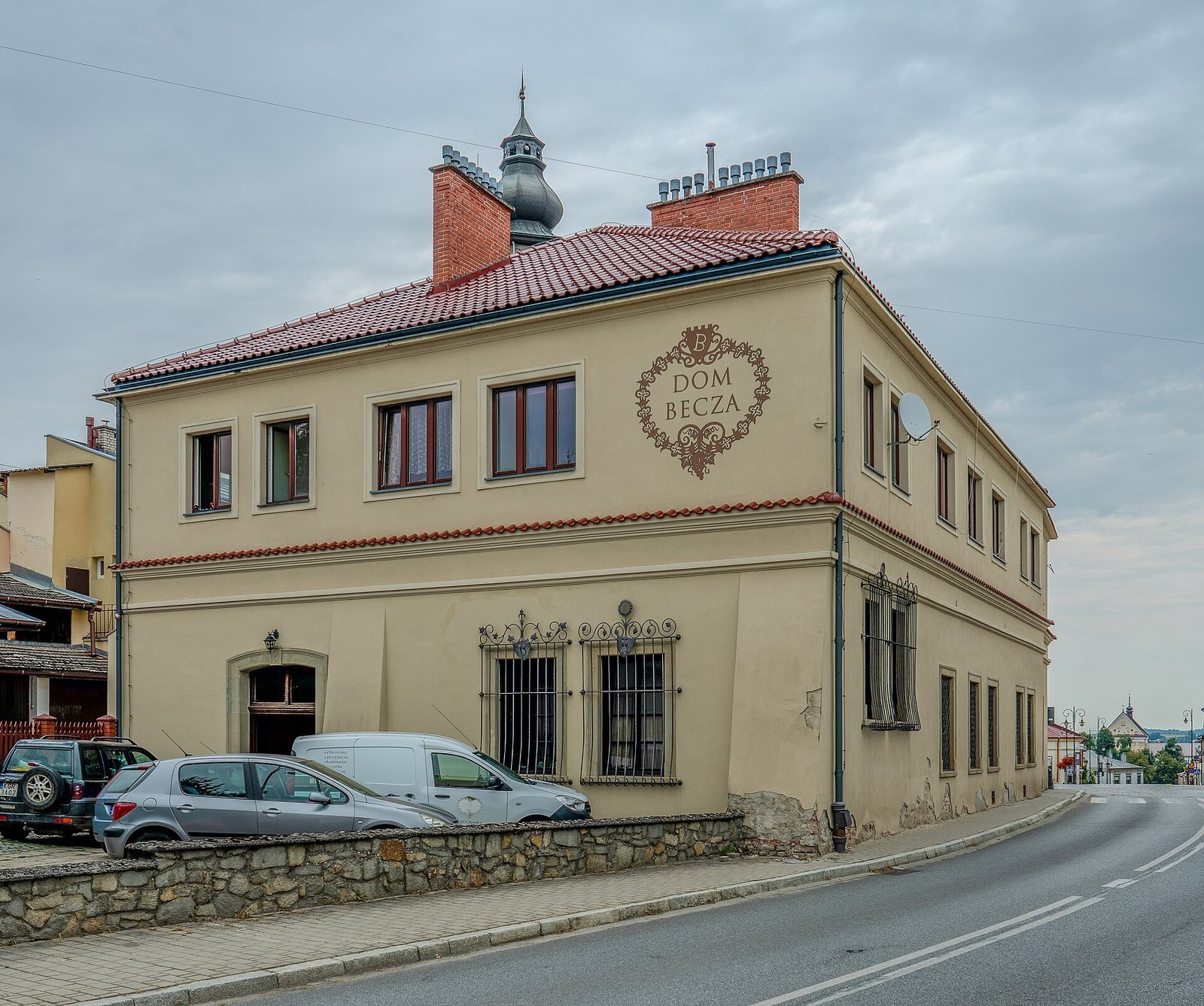
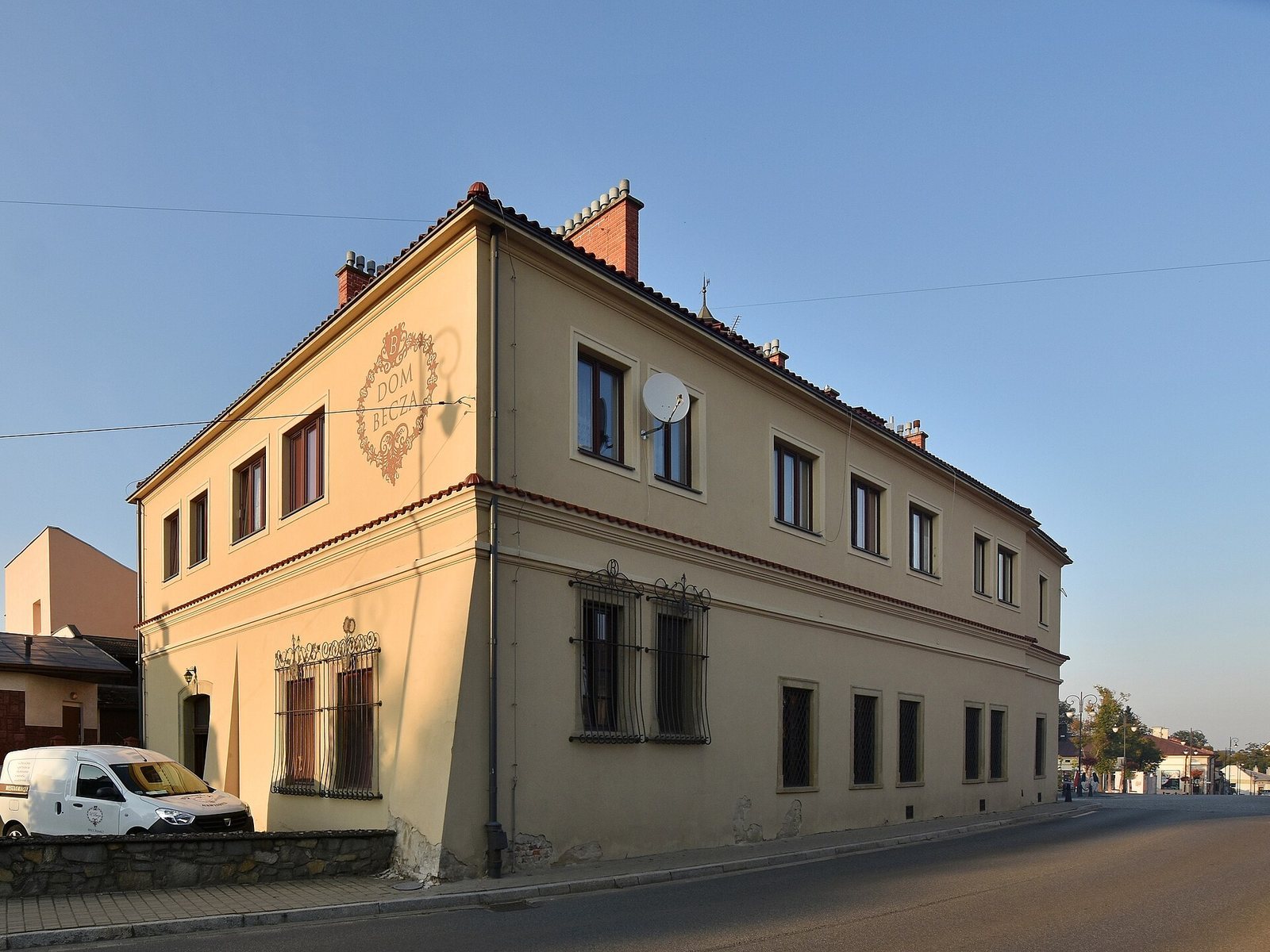
Becz House in Biecz is a corner townhouse on the southwestern side of the Market Square in Poland, probably built in the fifteenth century in the Gothic style, a medieval European tradition associated with pointed arches and vaults. Its name recalls a local legend about a robber called Becz, but the tale does not establish a historical link between him and the house.
The legend of Becz
In the local story, Becz was a wealthy knight who had taken part in the Crusades, medieval religious and military campaigns chiefly fought by Latin Christian forces in the eastern Mediterranean. Despite his riches, he robbed wealthy caravans of vessels, jewellery, and coins. The tale also describes him freeing enslaved people, including an orphan girl named Bietka. He cared for her before sending her to a ducal court to be raised, asking her to remember him.
After merchants appealed to the king, the prince’s warriors seized Becz while he was praying. The prince condemned him to beheading in the market, but Bietka hurried forward with a white scarf and cried, “He is mine!” According to the story, customary law, rules grounded in established practice, then spared Becz. In remorse, he gave his family’s property and his stolen wealth toward founding a town. He chose a hill above the Ropa River, where he had freed Bietka, and the prince granted the settlement a town charter, a formal recognition of its status and legal privileges. The legend says the town took its name from Becz.
From Gothic house to merchant residence
The house probably dates to the fifteenth century. In the sixteenth century it belonged to the Chodor family, prosperous merchants and craftspeople in Biecz. Around the middle of that century, Jerzy Chodor carried out extensive alterations, adding another storey and a brewery while enlarging the cellars.
By the late sixteenth century, ownership had passed to the Mądrowicz family and later to members of the Łukowicz family. Jan Gawroński, a member of a noble family, held the house from 1626 to 1634.
The pharmacy and later owners
In 1666, Kazimierz Lachowicz, an apothecary who had recently arrived in Biecz and prepared and dispensed medicines, bought the house and opened a pharmacy there. Maciej Nycz owned both the building and the pharmacy in 1677. By the late nineteenth century, the house belonged to the Jewish Klotz family.
After the Second World War, the city took ownership. By then, the building had already been substantially altered from its earlier form.
Remains
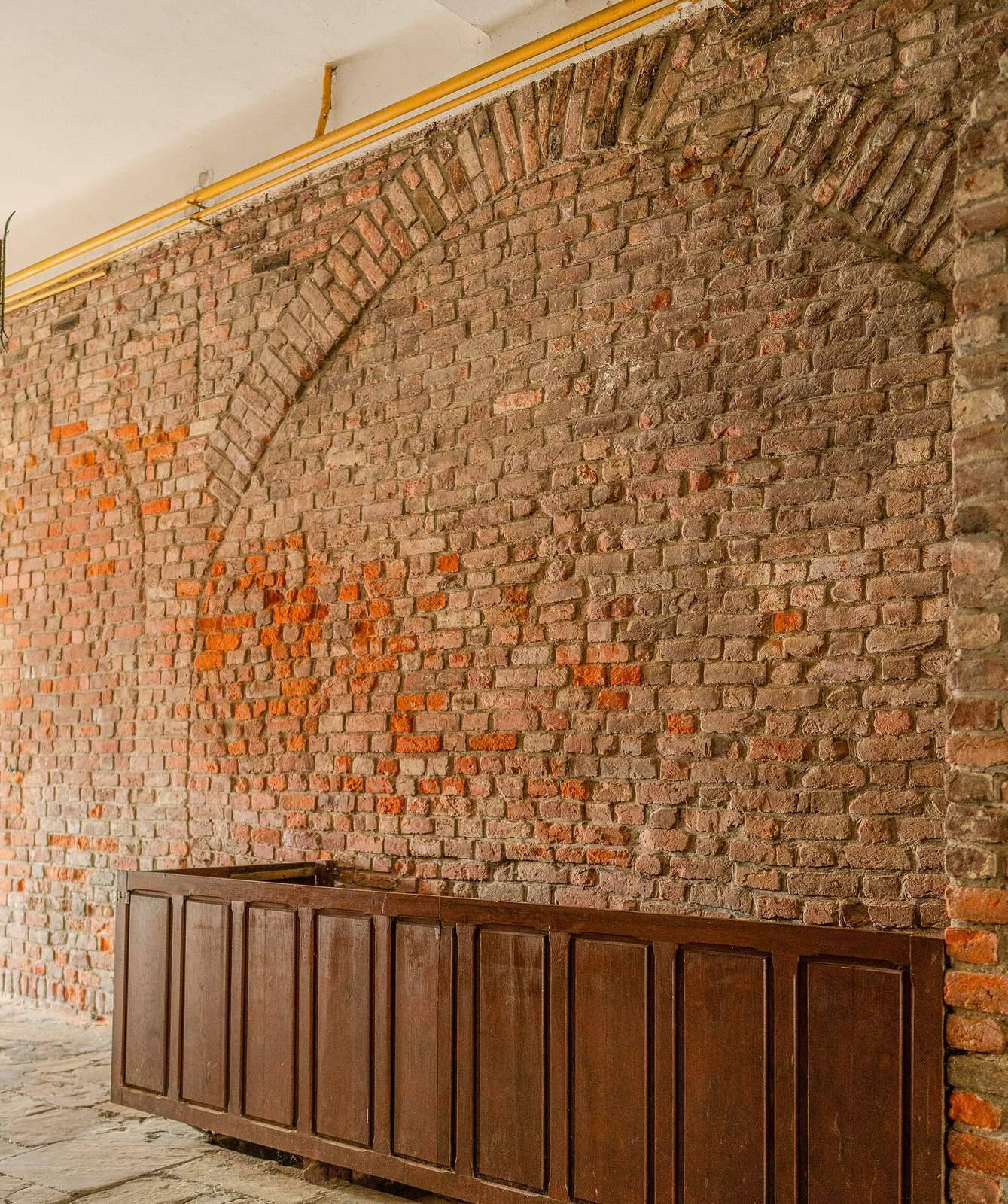
The house remains a corner building at the southwestern edge of the Market Square. Its surviving fabric includes Gothic masonry and vaulted cellars, alongside an entrance hall, beamed ceilings, and Renaissance stonework incorporated into the walls.
Gothic fabric
Sections of Gothic masonry survive, as do late-Gothic cellars with pointed vaults and some portals that indicate the building’s medieval character. A large entrance hall and authentic beamed ceilings also remain.
Renaissance decoration and fragments
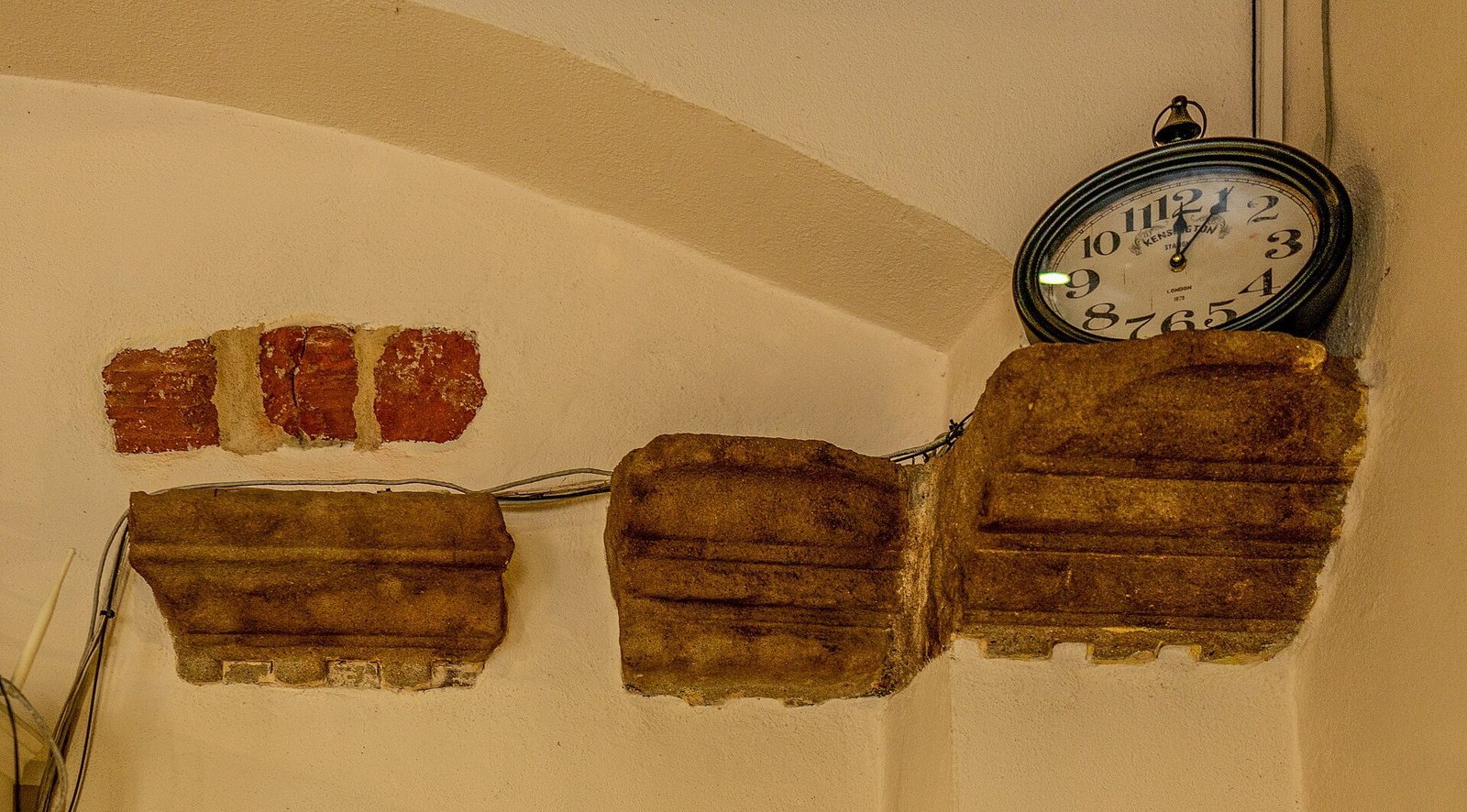
In the late nineteenth century, the house’s decoration included carved stone Renaissance door and window surrounds. The main room had coats of arms, a fine fireplace, and an old ceiling; medallions of Sigismund II Augustus, the sixteenth-century king of Poland and grand duke of Lithuania, appeared on the window surrounds. Descriptions from the period also noted pilaster remains and what seemed to be garland and medallion motifs. Renaissance architecture revived classical forms and decoration in Europe from the fifteenth century. During renovations in 1968–1969, workers found Renaissance portals and lintels and set the fragments into the walls.