Collegio Gallio: A Historic School in Italy
Site at a Glance
- Popularity
- Low
- Country
- Italy
- Primary era
- Early Modern
- Eras represented
- Medieval, Early Modern, Modern
- Civilizations
- Duchy of Milan, Habsburg, Holy Roman Empire, Italian, Spanish
- Site type
- Civic
- Remains
- School
On this page10 sections
History
Collegio Gallio is an educational institution in Italy, founded at Rondineto in the late 16th century to educate young people in the spirit of the Council of Trent, a major Catholic council that reformed Church discipline and education. The school grew from a religious foundation into a long-running centre of teaching.
From the Humiliati convent to a school
In the 12th century, the Humiliati, a religious order associated with Milan, drained a marsh at Rondineto and established a convent dedicated to Santa Maria. In 1571, after a papal order suppressed the congregation to curb the accumulation of wealth among its members, the Humiliati transferred their properties to Cardinal Tolomeo Gallio under a commendam, an arrangement entrusting church property to a cleric. Pope Gregory XIII appointed Gallio Cardinal Secretary of State, a senior papal office, in 1572.
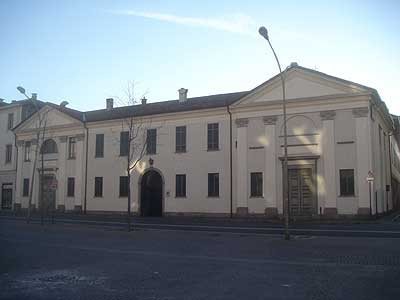
Gallio planned to refashion the institution as a school and leave behind its association with the Humiliati. On 15 October 1583, Gregory XIII authorized its foundation in the papal bull Immensa Dei providentia, a formal document issued by a pope. Gallio placed its administration with the Clerics Regular of Somasca, a Catholic congregation founded by Saint Jerome Emiliani to educate abandoned young people. Work on adapting the former Humiliati buildings began in 1583, and the college opened on 18 June 1589, with Como’s bishop, Feliciano Niguarda, in attendance.
The first boarders were sons of noble families from Como. The college’s initial income also supported 20 orphans, fewer than Gallio had hoped to admit, in part because of local aristocratic influence. In his will, Gallio arranged for a governing board led by the eldest male heir of his family to oversee the college. After his death, his nephew took the lead; the board also included Como’s bishop, a cathedral canon, the college provost, and a nobleman from Como.
Seminary, floods, and expansion
A major flood in 1607 damaged the area and increased the need for a replacement church. In 1629, at the initiative of Bishop Lazaro Carafino, the college opened a seminary, an institution for training candidates for the priesthood. The Council of Trent had required each diocese to provide such training under the Church’s new rules. Pupils who stayed at the college after the seminary opened had to enter religious life. A plague epidemic forced the school to close for a year in 1630; it resumed teaching on 8 October 1631.
Work on a larger church began in 1635 but stopped at foundation level in 1675 when funds ran short. Rising enrollment and repeated flooding from Lake Como and the Cosia stream also prompted changes to the college. In 1681, architect Agostino Silva was engaged to remodel it. The church project restarted in 1745 with support from rector Felice Fabrizio Sirtori and bequests from aristocratic donors. Dedicated to Our Lady of Loreto, the church was inaugurated in 1754.
Political change and educational continuity
In 1787, Joseph II’s measures against religious congregations directly operating free schools led to the closure of the college’s boarding department. The Somascan fathers proposed renting the premises to teach fee-paying pupils, and the Austrian government accepted the plan. During a tour of the Duchy of Milan, Emperor Leopold II visited on 10 June 1791. The boarding department reopened, and regular teaching resumed.
A French Empire decree in 1810 suppressed religious orders, including the Somascan fathers. The college continued privately, but lost the Villa Roscio at Monte Olimpino, which had housed pupils in summer. The government required secular priests to direct the school. Former Somascan members became secular priests, reported regularly to local authorities, and added French to the curriculum. After Austrian rule returned in 1815, the college sought parity with government schools so its pupils could enter higher state schools more readily. It received approval in 1823.
Expansion and present-day education
The college added scientific and technical studies in 1880, followed by construction of a second courtyard from 1886. A year-long expansion in 1906 added a gymnasium, baths, and a theater. On 23 May 1912, the building was designated a monument of national interest. That year enrollment exceeded 100, and the college’s superior, Father Pacifici, became archbishop of Spoleto.
Collegio Gallio continues to provide education. Its programs include preschool and early-years provision, primary and lower secondary schooling, a scientific high school, an applied-sciences course with a biomedical focus, and a four-year international scientific high school.
Remains
Convent site and college buildings
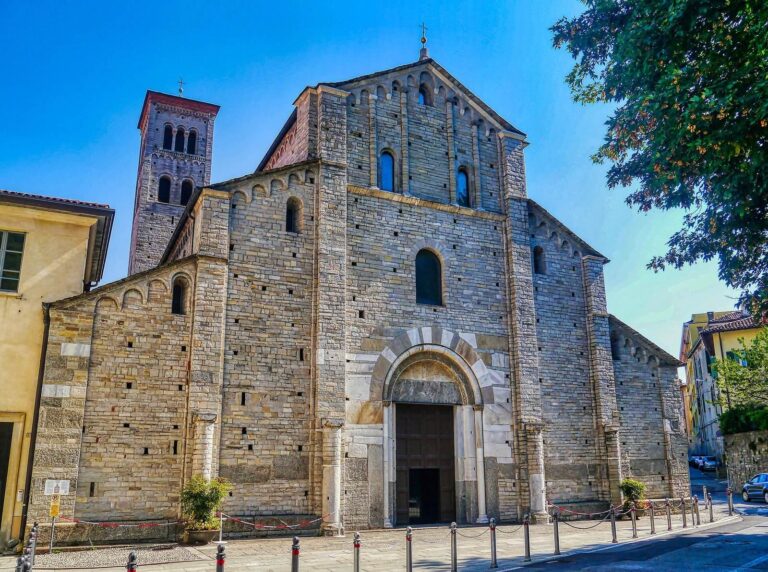
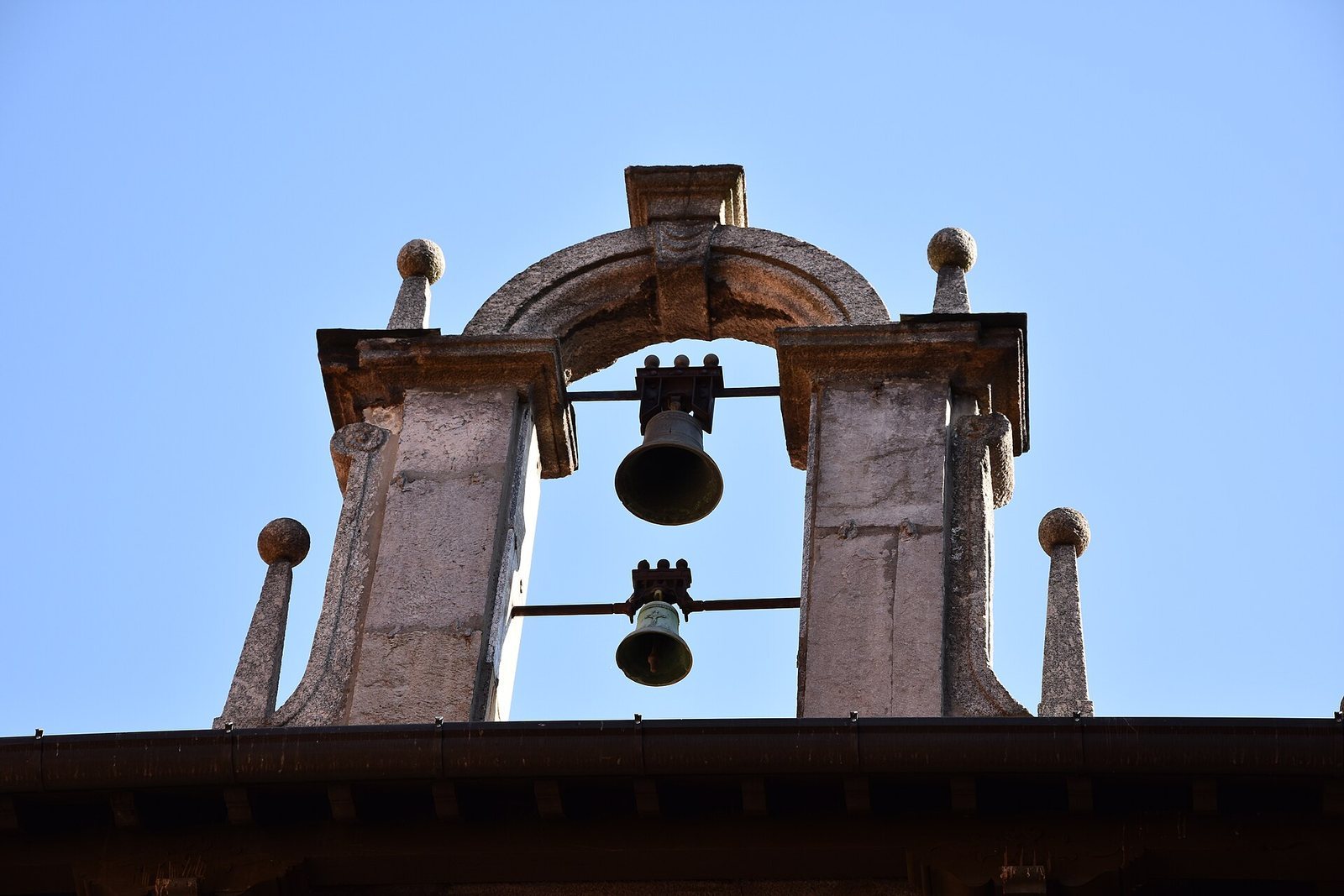
The former convent at Rondineto included a chapel, and a water channel ran across the property to supply mills used for wool production, an important source of wealth for the Humiliati. The convent buildings were adapted for the college. After the replacement church project began, the earlier church served first as a cellar and granary, and was later converted into classrooms.
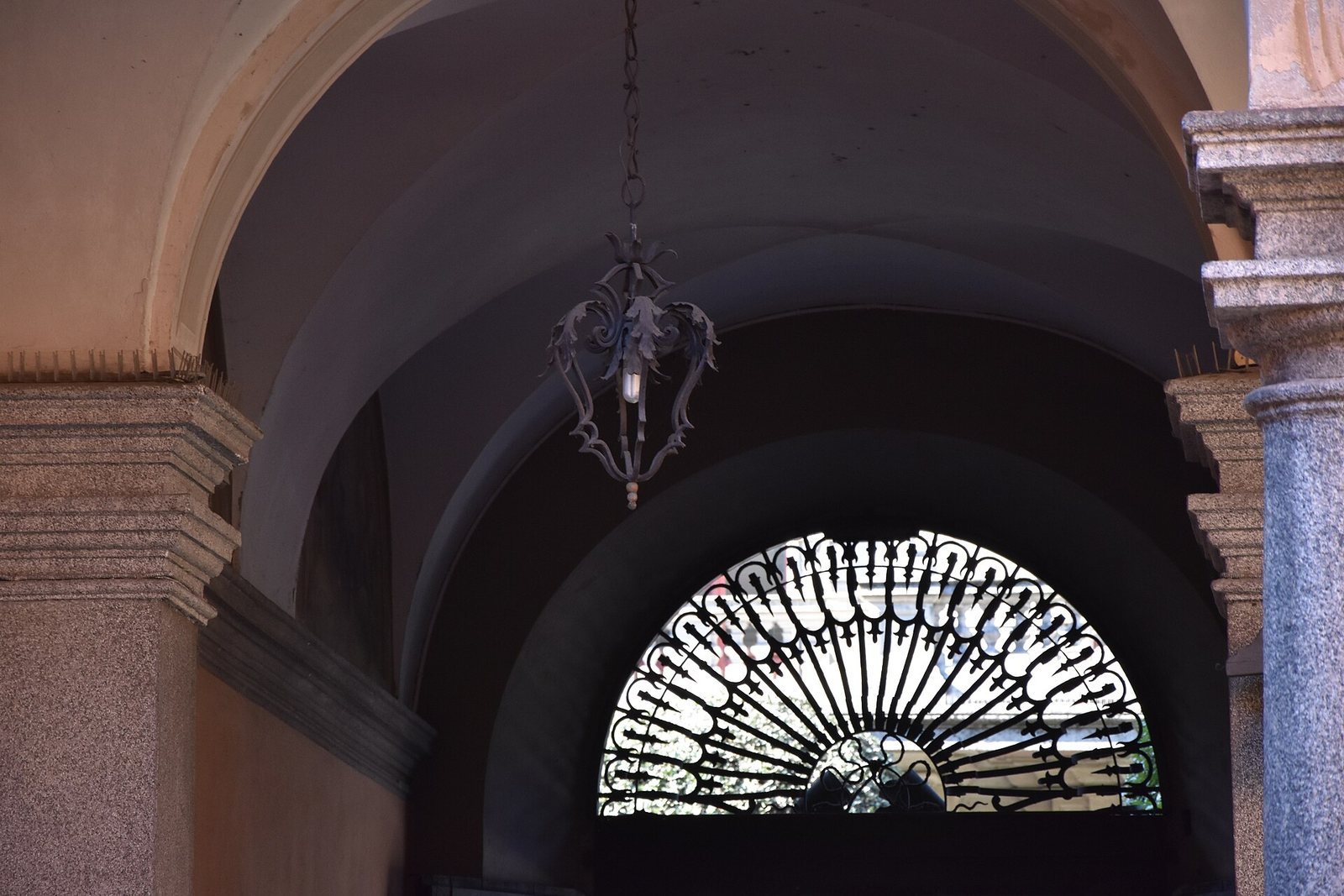
Decorated college interiors
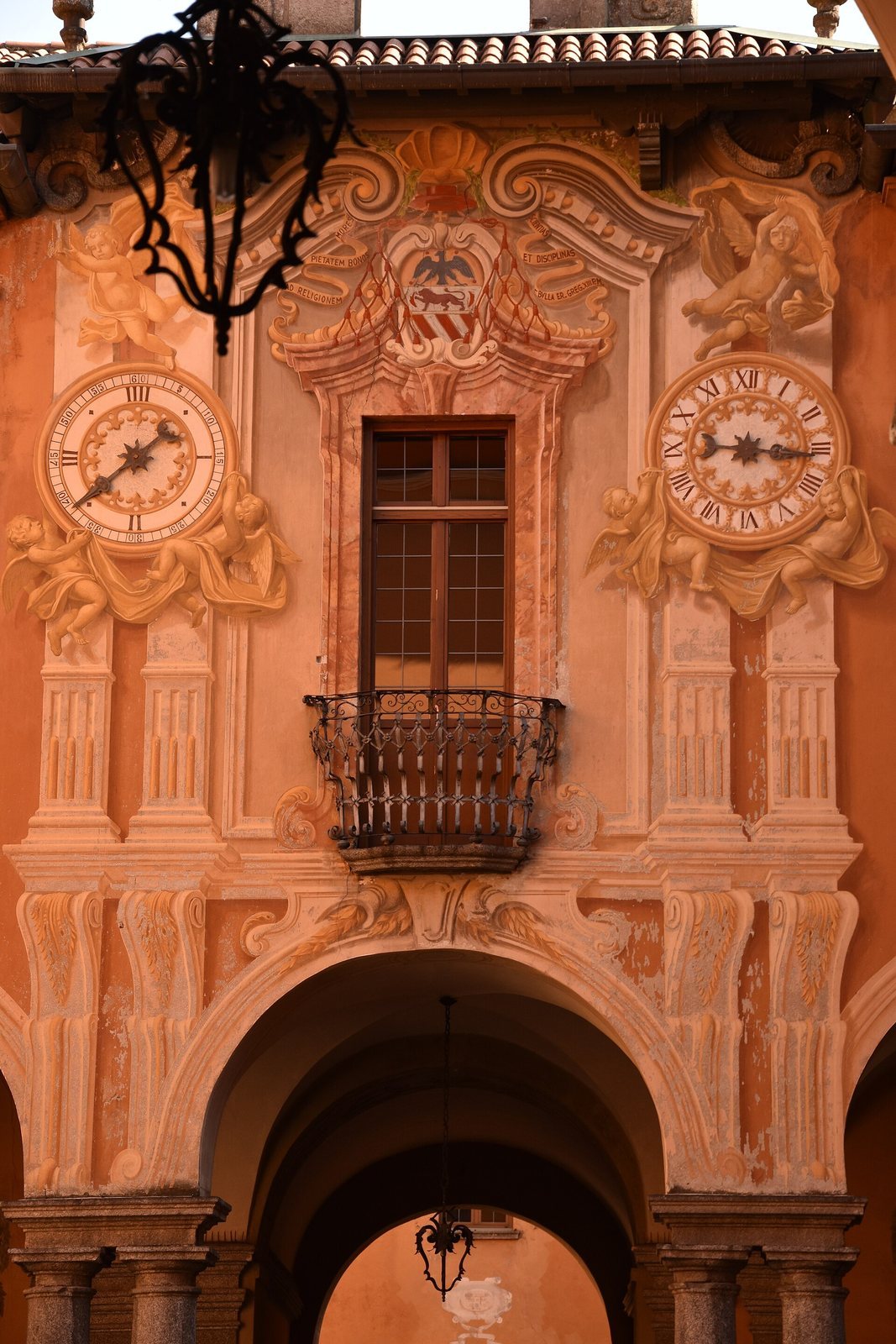
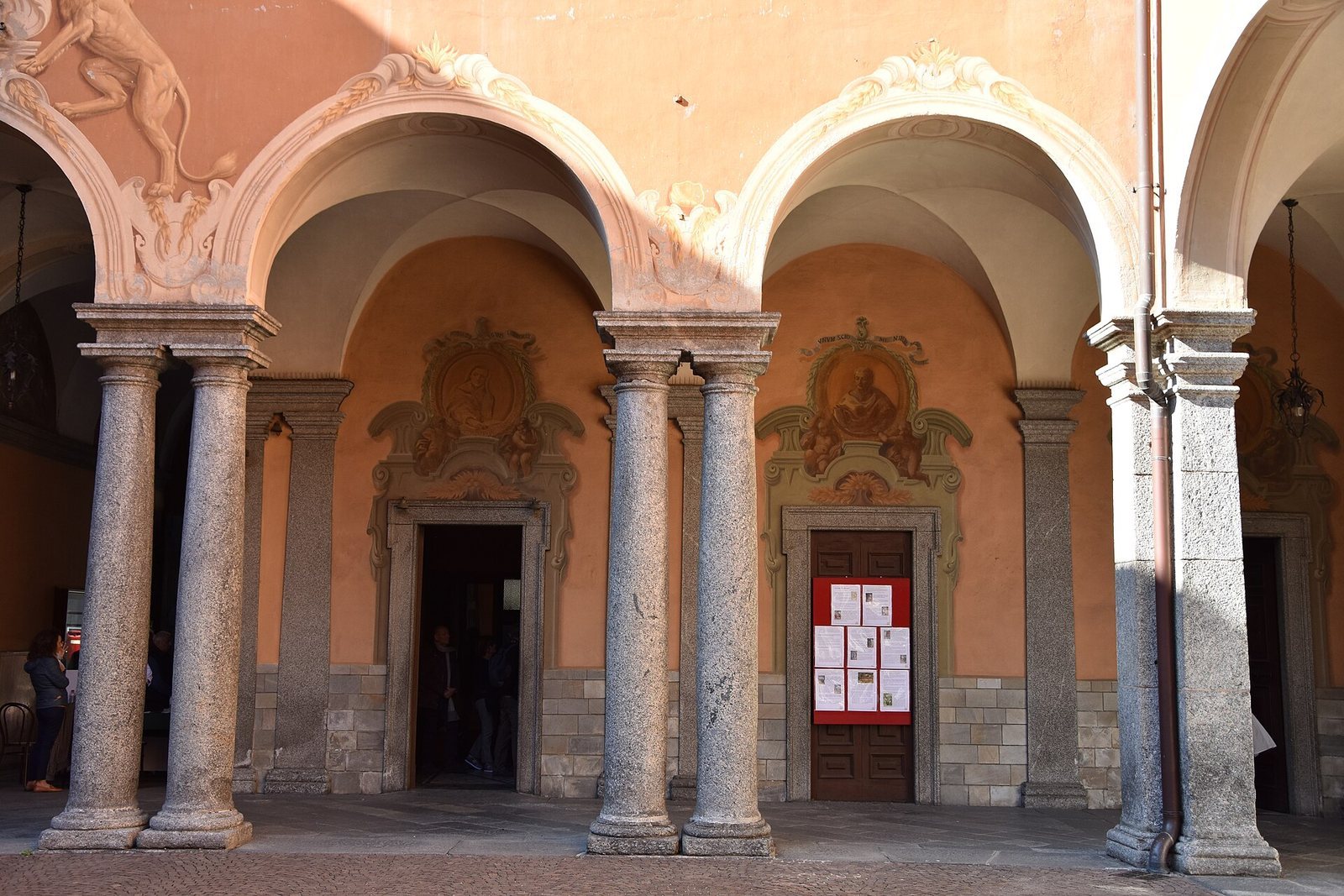
The 1681 remodeling gave the college the character of a contemporary aristocratic palace, with frescoes, stucco decoration, and sculptures. In the 18th century, Carlo Carloni painted much of the boarding rooms’ decoration. His work included scenes honoring saints on the grand staircase and its cupola. Above the courtyard doors, crescent-shaped wall panels held painted medallions with portraits and sayings of Greek and Roman literary figures.
Church of Our Lady of Loreto
The church had side altars dedicated to the then-Blessed Jerome Emiliani and Saint Giovanni Meda. Carloni supplied paintings and other decoration, while Giuseppe Antonio Petrini painted the image of Saint Giovanni Meda.
Later additions
A second courtyard was built from 1886. The gymnasium, baths, and theater were added in 1906 as part of an expansion that lasted a year.